
In the intricate world of economics and finance, terms are often used interchangeably, leading to confusion and misinterpretation. Among the most frequently conflated are “scarcity” and “shortage.” While both relate to the availability of goods and services, they represent vastly different economic phenomena with distinct origins, implications, and resolutions. Understanding this fundamental difference is not merely an academic exercise; it is crucial for informed financial decision-making, astute business strategy, and a deeper comprehension of market forces that shape our economic realities. From managing personal budgets to making multi-million dollar investment calls, discerning between a scarcity and a shortage is a cornerstone of financial literacy and strategic planning.
The Ubiquitous Principle of Scarcity
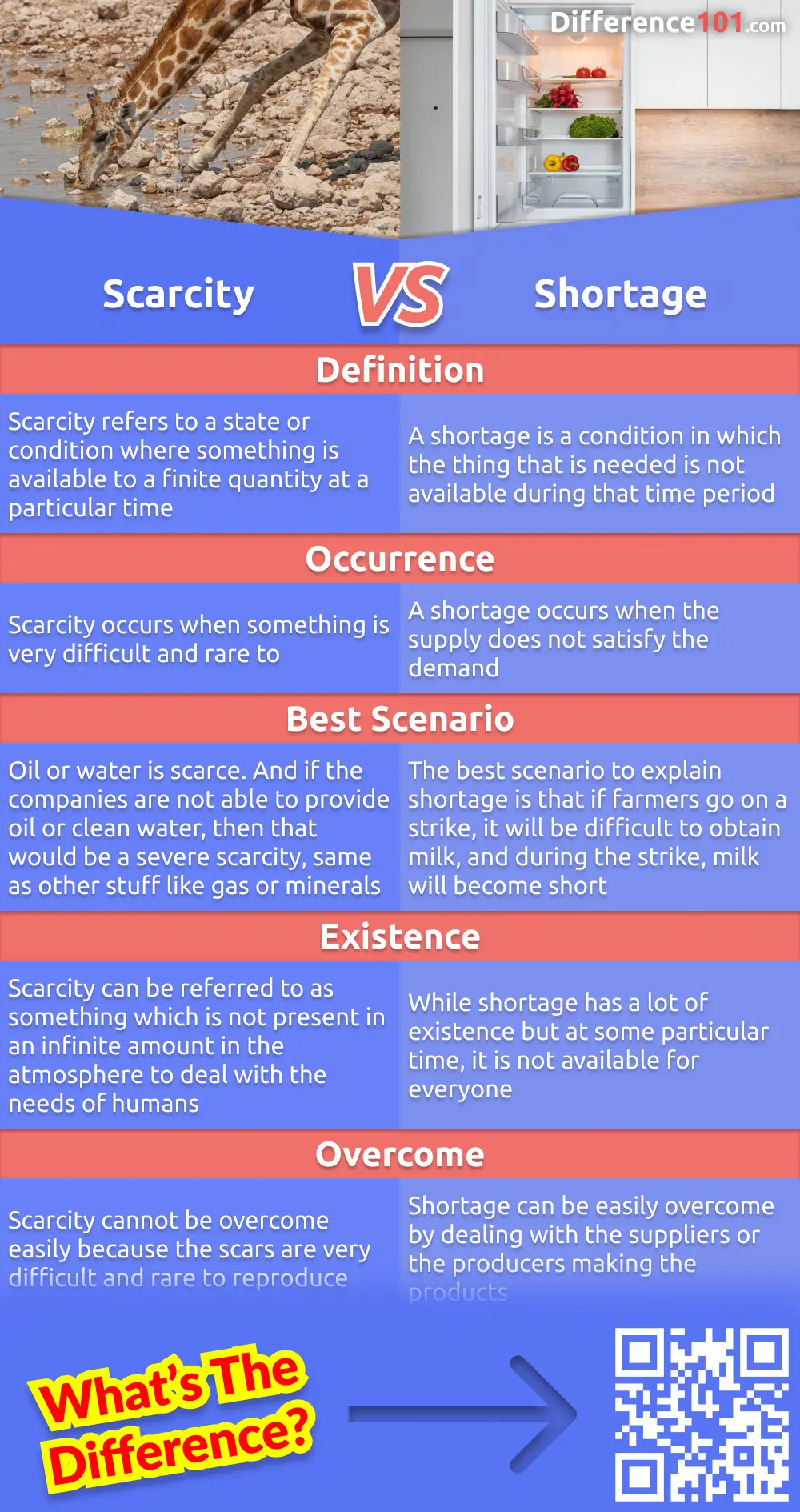
Scarcity is perhaps the most fundamental concept in all of economics, serving as the bedrock upon which all financial and market systems are built. It describes a universal and perpetual condition, not a temporary market anomaly.
Defining Scarcity: The Fundamental Economic Problem
At its core, scarcity refers to the basic economic problem that human wants and needs are virtually unlimited, while the resources available to satisfy those wants and needs are finite. This is not about a temporary lack of something, but rather a fundamental imbalance between our boundless desires and the limited means to fulfill them. Scarcity is omnipresent; it applies to everything from natural resources like oil, land, and water, to manufactured goods, time, and even intangible assets like clean air or quiet spaces. It is a universal truth that no matter how much we produce or innovate, our capacity for desire will always outstrip our capacity for production, given the inherent limitations of our planet and time.
Consider time itself – it is a finite resource. Each day has 24 hours, and no amount of wealth or technology can create more. This scarcity forces us to make choices about how we allocate our time, whether for work, leisure, or personal development. Similarly, rare earth minerals essential for modern technology are finite. While new deposits might be found, and recycling efforts can extend their use, the total quantity on Earth is fixed, making them inherently scarce. This inherent scarcity dictates their value and the economic choices surrounding their extraction, use, and conservation.
Scarcity’s Role in Economic Decision-Making
Because scarcity dictates that we cannot have everything we want, it compels individuals, businesses, and governments to make choices. Every choice involves a trade-off, and these trade-offs give rise to the concept of opportunity cost – the value of the next best alternative that must be foregone when a choice is made. For a business, allocating capital to expand one product line means forgoing investment in another. For an individual, choosing to save for retirement means potentially sacrificing immediate consumption.
Scarcity underpins the entire pricing mechanism in a market economy. When a good or service is genuinely scarce, its price tends to be higher because competition for that limited resource drives up its value. This signals to producers where resources are most needed and incentivizes innovation to either find substitutes or use existing resources more efficiently. Without scarcity, there would be no need for economics, no need for markets, and no need for finance, as all wants could be instantly satisfied.
Long-Term Implications for Business and Finance
For businesses, understanding scarcity is paramount for long-term strategic planning. It influences decisions on resource acquisition, supply chain diversification, research and development into alternative materials, and even product design to maximize resource efficiency. Industries that rely heavily on genuinely scarce resources (e.g., mining, energy, agriculture) are particularly exposed to its implications, affecting their sustainability and profitability.
In finance, scarcity is a key driver of asset valuation. Investments in assets that are inherently scarce or control scarce resources often command a “scarcity premium.” Real estate, especially in prime locations, derives much of its value from the scarcity of land. Rare collectibles, fine art, or patents protecting unique technologies benefit from their limited availability. Investors often seek out assets with inherent scarcity as a hedge against inflation or as a source of long-term capital appreciation, recognizing that demand for truly finite resources tends to grow with population and economic expansion.
Shortage: A Market Imbalance
In contrast to scarcity’s fundamental and perpetual nature, a shortage is a specific, often temporary, market condition. It arises from an imbalance between supply and demand at a particular price point.
Defining Shortage: A Temporary Market Condition
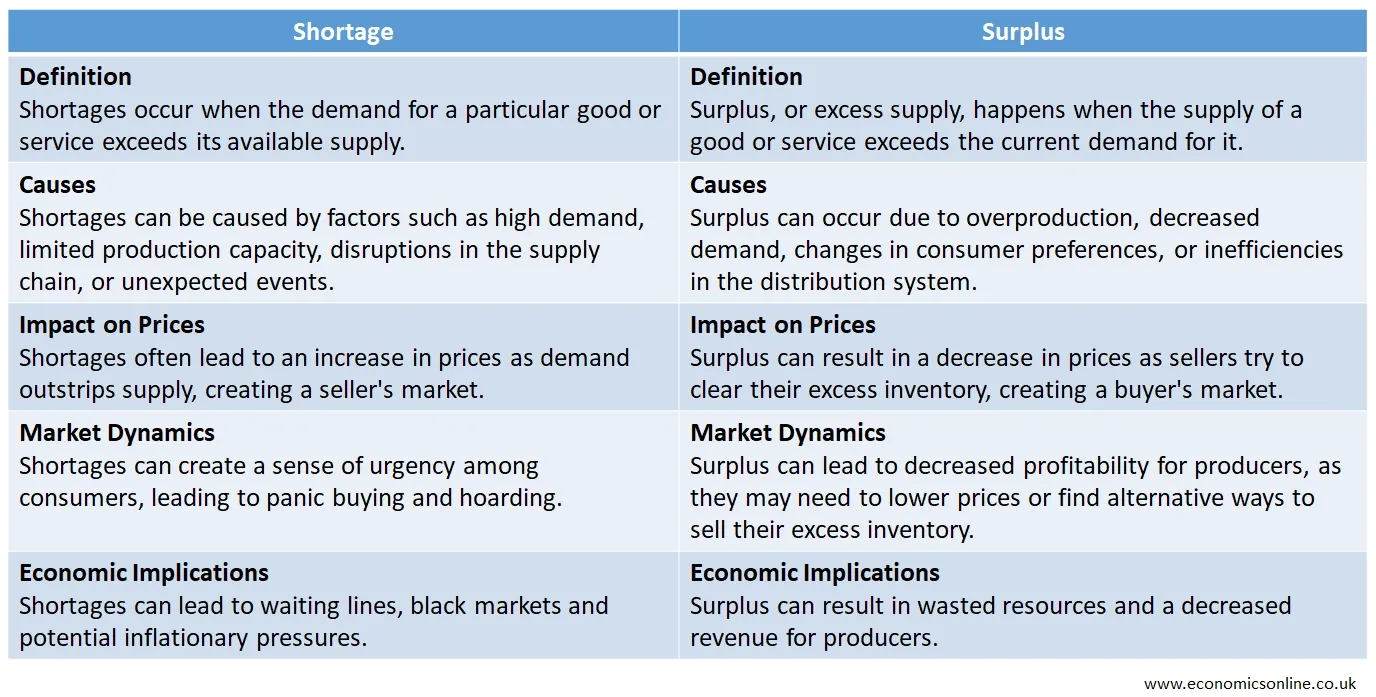
A shortage occurs when the quantity demanded of a good or service at a given price exceeds the quantity supplied. In simpler terms, more people want to buy something than there is available at the current market price. Crucially, a shortage is a market phenomenon and is typically temporary, assuming market mechanisms are allowed to function. If prices are free to adjust, a shortage will usually resolve itself as higher prices disincentivize some buyers and incentivize producers to increase supply.
For example, if a popular new smartphone is released, and initial production cannot keep up with overwhelming consumer demand at its launch price, a shortage occurs. Lines form, pre-orders are backlogged, and some eager customers might be willing to pay above retail on secondary markets. This situation is a shortage, not scarcity, because if the manufacturer ramps up production or if the price were to rise sufficiently, the imbalance would dissipate.
Causes and Triggers of Shortages
Shortages can stem from a variety of factors, often acting in concert:
- Sudden Demand Spikes: Unexpected surges in consumer preference, fads, or panic buying can quickly outstrip existing supply (e.g., toilet paper during the initial COVID-19 lockdowns, popular toys during holiday seasons).
- Supply Chain Disruptions: Geopolitical events (wars, trade disputes), natural disasters (floods, earthquakes affecting production facilities), pandemics, or logistical bottlenecks (shipping container shortages) can severely curtail the ability of producers to get goods to market. The semiconductor chip shortage of 2020-2023, caused by a confluence of pandemic-related demand shifts and production constraints, is a prime example.
- Production Issues: Labor strikes, raw material scarcity (though this leans towards scarcity, if it’s temporary unavailability, it’s a shortage trigger), manufacturing defects, or factory shutdowns can reduce output.
- Government Intervention (Price Controls): When governments impose price ceilings (maximum prices) below the market-clearing equilibrium price, they artificially prevent prices from rising to meet demand. This can lead to persistent shortages, as producers have less incentive to supply more, and consumers have more incentive to demand at the lower price (e.g., rent control leading to housing shortages).
Short-Term Market Impact and Financial Consequences
The immediate impact of a shortage is often visible: empty shelves, long waiting lists, rationing, and frustration among consumers. If prices are allowed to rise, they will do so sharply, leading to inflationary pressure for those specific goods. This can significantly impact personal budgets, forcing consumers to pay more or go without.
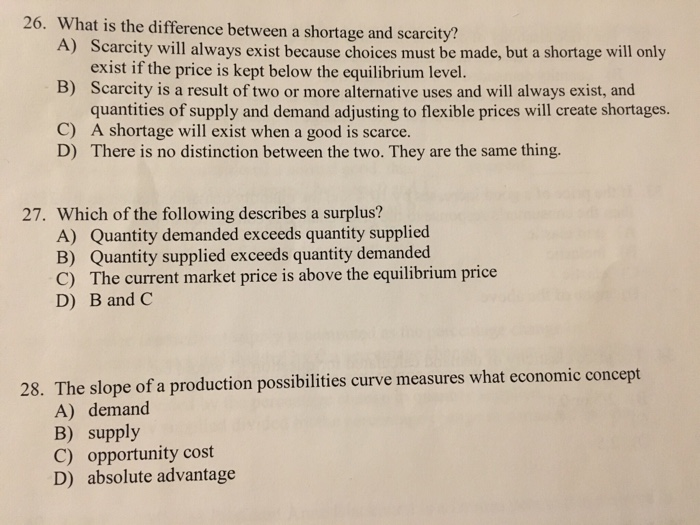
For businesses, shortages lead to lost sales and revenue. They might be forced to halt production due to a lack of key components, damaging their profitability and market share. Supply chain managers scramble to find alternative suppliers, often at higher costs, eroding margins. In extreme cases, sustained shortages can lead to business failures or force companies to rethink their entire operational model. For investors, companies heavily reliant on an item experiencing a shortage may see their stock prices decline, while companies that produce the scarce component or offer substitutes may see their values soar.
Key Distinctions and Interplay
Understanding the precise differences between scarcity and shortage is paramount for accurate economic analysis and effective financial strategy.
Nature and Duration
The most critical distinction lies in their nature and duration. Scarcity is an inherent, enduring, and universal condition of limited resources relative to unlimited wants. It is a fundamental truth of the economic world, existing regardless of price. Shortage, on the other hand, is a temporary, market-specific imbalance where current demand exceeds current supply at a given price. It is a symptom of market disequilibrium.
Underlying Causes
Scarcity is caused by the fundamental imbalance between infinite human desires and finite resources. It is about the fundamental limitation of what is available in total. Shortages are caused by market inefficiencies, external shocks, or artificial price controls that prevent supply from meeting demand at a particular price. It’s about a temporary unavailability relative to current demand, not the absolute finiteness of the resource itself.
Resolution Mechanisms
Scarcity cannot be “solved” in the traditional sense; it is a perpetual state. Humanity responds to scarcity through innovation (finding new ways to use less or create substitutes), efficient resource allocation (opportunity cost), and economic growth (expanding the resource base or productivity).
Shortages, conversely, are solvable. In a free market, a shortage resolves itself through price adjustments. As prices rise due to increased demand, some consumers will be priced out, reducing demand, while higher prices incentivize producers to increase supply, eventually bringing the market back into equilibrium. If prices are controlled, other non-price rationing mechanisms (queues, black markets) emerge until supply can catch up or demand subsides.
Strategic Implications for Financial Planning and Business Operations
For financial planning, recognizing scarcity informs long-term wealth creation strategies. Investing in assets that benefit from inherent scarcity (e.g., appreciating real estate, scarce commodities, companies with patented technologies) can be a powerful hedge against inflation and a source of sustainable growth.
For businesses, understanding scarcity drives sustainable resource management, long-term R&D, and strategic partnerships for critical inputs. Understanding shortages, however, informs tactical decisions: supply chain resilience, inventory management, dynamic pricing strategies, and risk mitigation plans for disruptions. Businesses must build agility into their operations to navigate sudden shortages without catastrophic financial consequences.
Navigating Scarcity and Shortages in Modern Finance
The ability to distinguish between these two concepts equips individuals and organizations with powerful tools for navigating the complexities of modern finance and economics.
Investment Strategies in a World of Scarcity
Savvy investors continually seek assets that are scarce or whose value is enhanced by scarcity. This includes:
- Commodities: Investing in rare earth minerals, agricultural land, or energy resources can provide exposure to assets whose supply is inherently limited and whose demand tends to grow with global development.
- Real Estate: Prime urban properties or unique geographic locations derive significant value from their scarcity.
- Intellectual Property: Patents, copyrights, and trademarks create artificial scarcity around ideas and innovations, granting monopolistic power and potentially high returns.
- Resource Efficiency Technologies: Companies developing solutions to make scarce resources go further (e.g., water purification, renewable energy, waste recycling) offer opportunities rooted in scarcity-driven innovation.
Business Resilience Against Shortages
Businesses that successfully weather shortages often employ several strategies:
- Supply Chain Diversification: Avoiding single points of failure by sourcing components or materials from multiple geographies or suppliers.
- Strategic Inventory Management: Maintaining buffer stocks of critical components, though this comes with carrying costs.
- Hedging Strategies: Using financial instruments to lock in prices for key inputs, protecting against price volatility caused by sudden shortages.
- Flexible Production: Designing production processes that can quickly adapt to substitute materials or adjust output levels.
- Long-Term Contracts: Securing future supply of critical inputs through multi-year agreements.
Personal Financial Planning Amidst Economic Shifts
For individuals, understanding scarcity and shortages impacts personal finance in several ways:
- Budgeting for Inflation: Shortages can drive up prices for essential goods. A robust budget accounts for potential price volatility, especially for non-discretionary items.
- Asset Allocation: Diversifying investments to include assets that historically perform well during periods of scarcity or inflation (e.g., real estate, commodities, certain equities) can protect purchasing power.
- Consumer Choices: Recognizing the difference helps distinguish between a temporary price surge due to a shortage (which might normalize) versus a fundamentally more expensive item due to its inherent scarcity. This informs purchasing decisions, encouraging thoughtful consumption and avoiding panic buying.
- Skill Development: Investing in skills that are scarce in the labor market can increase personal earning potential and financial security.
Conclusion
The distinction between scarcity and shortage is far more than semantic; it is a fundamental pillar of economic understanding with profound implications for how we manage money, build businesses, and navigate the global economy. Scarcity is the perpetual condition of unlimited wants confronting limited resources, driving all economic choices and giving rise to opportunity costs. Shortage, on the other hand, is a temporary market disequilibrium where demand outstrips supply at a given price, often triggered by external shocks or market rigidities.
While scarcity is a constant challenge that necessitates innovation and efficient resource allocation, shortages are transient problems that can be resolved through price adjustments, increased supply, or policy interventions. For anyone involved in finance—whether a personal investor, a corporate strategist, or a policymaker—grasping this difference is essential. It enables more accurate market analysis, informs more resilient business models, and fosters more effective personal financial planning, ultimately contributing to a more nuanced and successful approach to economic prosperity.
aViewFromTheCave is a participant in the Amazon Services LLC Associates Program, an affiliate advertising program designed to provide a means for sites to earn advertising fees by advertising and linking to Amazon.com. Amazon, the Amazon logo, AmazonSupply, and the AmazonSupply logo are trademarks of Amazon.com, Inc. or its affiliates. As an Amazon Associate we earn affiliate commissions from qualifying purchases.