
In the dynamic world of beverages, understanding product categories is fundamental to effective brand strategy. While often used interchangeably by the casual consumer, the distinction between a Pilsner and a Lager represents a crucial nuance in how brands position their offerings, communicate value, and cultivate specific consumer perceptions. From a branding perspective, this isn’t merely about brewing methods; it’s about market segmentation, brand identity, and the strategic leveraging of consumer expectations.
The Foundational Branding: Lager as a Category, Pilsner as a Distinct Offering
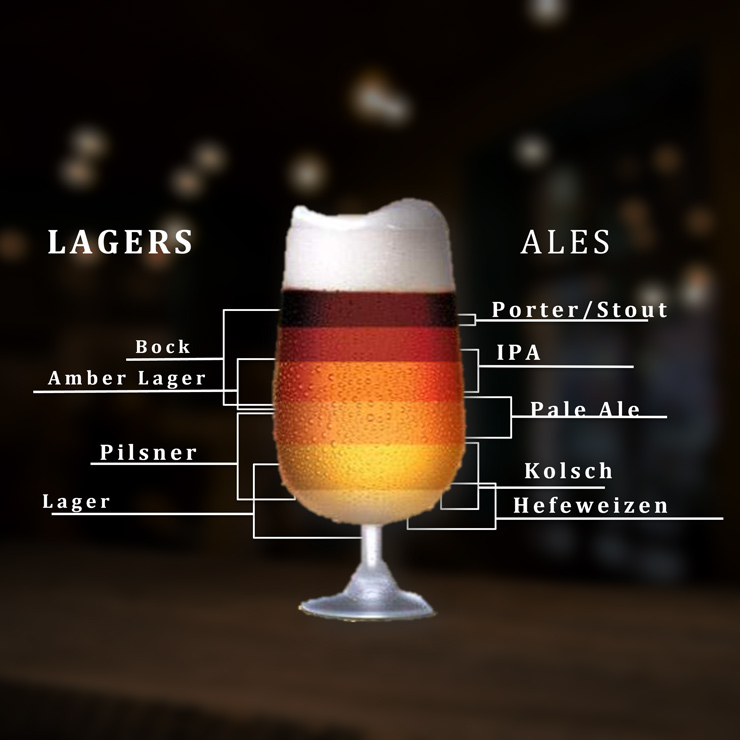
To unravel the branding differences, it’s essential to first establish the hierarchical relationship between these two terms. This understanding forms the bedrock of how breweries structure their product portfolios and how marketers craft their messaging.

Understanding the Broader “Lager” Brand Umbrella
From a brand taxonomy perspective, “lager” functions as a broad, overarching category, much like “smartphone” or “sedan.” Lagers are defined by their fermentation process, specifically using bottom-fermenting yeast strains that perform best at colder temperatures, followed by a period of “lagering” or cold storage. This process typically results in a cleaner, crisper, and often less fruity beer profile compared to ales.
For brands, the term “lager” often signifies reliability, accessibility, and a familiar, generally palatable taste profile. Major global beer brands frequently use “lager” in their product descriptions to appeal to a wide demographic seeking a refreshing, easy-drinking option. The brand promise associated with a generic lager often revolves around consistency, refreshment, and social conviviality. Marketing campaigns for lagers frequently emphasize broad appeal, celebratory moments, and effortless enjoyment, positioning them as the go-to choice for almost any occasion. The visual identity of many lagers tends towards bright, clean aesthetics, reinforcing their crisp and clear nature.
Pilsner: A Sub-Category with a Unique Brand Identity
Within this extensive lager family, “Pilsner” emerges as a highly specific and historically significant sub-category. Originating from Pilsen, Bohemia (now the Czech Republic) in 1842, the first Pilsner Urquell set a benchmark for a golden, clear, bottom-fermented beer with a distinctive hop character. This origin story is a powerful branding asset, imbuing Pilsners with a legacy of authenticity and craftsmanship.
From a brand strategy standpoint, a Pilsner often carries a more refined and specific brand identity than a generic lager. While still a lager, its name immediately communicates certain expectations: a brilliant golden color, a clean malt profile, and a pronounced, often spicy or floral hop aroma and bitterness, particularly when made with noble hops like Saaz. Brands producing Pilsners often leverage this historical pedigree, emphasizing tradition, quality ingredients, and a more discerning taste profile. The messaging frequently highlights the “craft” or “artistry” involved, positioning Pilsners as a step above the everyday lager. This allows brands to target consumers who appreciate nuance, historical context, and a more defined flavor experience, often willing to pay a premium for that perceived authenticity and quality. The packaging and branding for Pilsners might incorporate more traditional design elements, historical references, or imagery that evokes European heritage and craftsmanship.
Crafting Brand Narratives: Marketing Pilsner vs. Lager
The fundamental differences in product characteristics and historical context translate directly into distinct marketing strategies and brand narratives. Brands meticulously craft these narratives to resonate with specific consumer segments and occasions.
Targeting Demographics and Occasions
The broad appeal of a generic lager makes it suitable for mass-market campaigns, often targeting a wide demographic for casual, everyday consumption or large social gatherings. Brands focus on ubiquity, affordability, and the simple pleasure of a cold beer. Adverts might feature diverse groups of friends enjoying a barbecue or a sporting event, emphasizing the “everyman” appeal.
Pilsner branding, by contrast, tends to target a more connoisseur-oriented or quality-seeking segment. The narrative often speaks to those who appreciate heritage, distinct flavor profiles, and a more elevated drinking experience. Marketing might focus on pairing with food, savoring the moment, or exploring different regional styles (e.g., Bohemian Pilsner, German Pilsner). Brands might partner with chefs, sommeliers, or craft beer influencers to reinforce this premium positioning, making it suitable for more sophisticated social settings or personal indulgence.
Packaging and Visual Identity: Reinforcing Brand Perception
Visual identity is a cornerstone of branding, and here too, Pilsners and Lagers often diverge. Generic lagers, especially from large corporate breweries, frequently employ vibrant, bold, and sometimes minimalist designs intended for maximum shelf impact and broad recognition. Colors are often bright, logos prominent, and the overall feel is modern and accessible. The goal is to convey refreshment and broad appeal.
Pilsner packaging, on the other hand, frequently incorporates elements that nod to its European origins and classic style. This might include more intricate labeling, historical fonts, crests, or imagery that evokes tradition and craftsmanship. Greens, golds, and whites are common, suggesting natural ingredients and a classic aesthetic. The bottle or can design itself might be more distinctive, seeking to convey quality and a sense of heritage. For instance, a brand might use a long-necked, clear glass bottle to showcase the Pilsner’s signature golden clarity. These design choices are deliberate, designed to build a specific brand story and set consumer expectations even before the first sip.
Communicating Value and Craftsmanship

The messaging for lagers often centers on “value” in terms of quantity, refreshment, and consistency. The brand promise is reliable enjoyment without complexity. Campaigns might emphasize consistency across regions or generations, highlighting the brand’s established presence and familiarity.
Pilsner branding, conversely, places a strong emphasis on “value” derived from quality, authenticity, and the expertise involved in its creation. Brands will often highlight specific ingredients (e.g., noble hops, local malt), the brewing process, or the adherence to traditional methods. Storytelling plays a crucial role, often recounting the history of the style or the brewery’s dedication to its specific interpretation. This communication aims to justify a potentially higher price point and cultivate a perception of superior craftsmanship and a more rewarding sensory experience.
Consumer Perception and Brand Loyalty
The way consumers perceive and develop loyalty towards Pilsners versus generic lagers is heavily influenced by these branding efforts. These perceptions shape purchasing decisions and foster brand relationships.
Expectations Shaped by Brand Associations
Consumers approach a “lager” with expectations of a light, crisp, and generally uncomplicated experience. Brands that deliver on this promise of consistent refreshment build loyalty through reliability. The association is often with ease and comfort.
When a consumer chooses a “Pilsner,” they often expect a more pronounced and distinctive flavor profile – perhaps a more assertive hop character, a drier finish, or a richer malt backbone, all while retaining the crispness of a lager. Brands that fulfill these specific sensory expectations, often tied to regional styles or historical purity, cultivate a different kind of loyalty. This loyalty is often deeper, rooted in an appreciation for specific characteristics and the brand’s commitment to that particular style. It moves beyond mere refreshment to an appreciation of taste and character.
The Role of Tradition and Authenticity in Branding
For Pilsners, tradition and authenticity are powerful brand assets. Brands often leverage the historical narrative of the style’s origin to create a sense of heritage and genuine craftsmanship. A brewery that adheres to centuries-old brewing techniques or sources specific ingredients from traditional regions can market its Pilsner as a true-to-style offering, appealing to consumers seeking an authentic experience. This authenticity builds trust and provides a strong narrative differentiator in a crowded market.
While some lagers might also tout their history, the “tradition” aspect for a generic lager brand is often about its own established presence and longevity in the market rather than adherence to a specific stylistic lineage. Their authenticity might stem from being a beloved “local” or “national” brand for generations, rather than a specific brewing methodology.
Diversifying a Brand Portfolio with Both Offerings
Many major breweries strategically include both generic lagers and distinct Pilsner offerings in their brand portfolios. This allows them to capture different market segments and cater to varied consumer preferences under one corporate umbrella. A brand might offer a widely accessible, budget-friendly lager as its flagship product, while simultaneously marketing a premium Pilsner under a distinct label or sub-brand to appeal to more discerning palates and command a higher price point. This dual strategy allows for broad market penetration while also nurturing niche consumer segments, effectively maximizing market share and brand equity across different value propositions.
Strategic Positioning in a Competitive Market
In an increasingly saturated beer market, strategic positioning is paramount. The distinction between Pilsner and lager offers brands potent tools for differentiation and market segmentation.
Differentiating Through Taste Profiles and Origin Stories
Brands meticulously craft the taste profiles of their Pilsners to stand out, whether aiming for the floral notes of a Bohemian Pilsner or the drier, snappier bitterness of a German Pils. These profiles are then heavily integrated into the brand’s messaging, highlighting the specific sensory journey. Paired with compelling origin stories – perhaps featuring the specific region, the original brewer, or a unique ingredient – these elements create a strong, memorable brand identity that distinguishes it from the more generic “lager” category. The narrative can extend to the water profile, the malt bill, and the unique yeast strain, all contributing to a story of meticulous crafting.
Leveraging “Pilsner” as a Premium or Niche Brand
The term “Pilsner” often carries an inherent perception of quality and specificity, enabling brands to position these products at a higher price point. By emphasizing traditional brewing methods, specific hop varieties, or the purity of ingredients, brands can elevate a Pilsner from a simple beer to a premium experience. This allows breweries to access a segment of consumers willing to pay more for perceived quality and authenticity. Furthermore, in the craft beer movement, “Pilsner” has seen a resurgence, with many independent breweries creating their interpretations, further solidifying its status as a respected and sought-after style among beer enthusiasts. This niche appeal provides an opportunity for smaller brands to build strong identities and loyal followings.
The Evolving Landscape of Beer Branding
As consumer tastes evolve and the market becomes more sophisticated, the distinction between a Pilsner and a Lager becomes even more critical for brands. Modern consumers are increasingly educated about beer styles and appreciate nuance. Brands that effectively communicate the specific attributes and heritage of their Pilsners, setting them apart from broader lager offerings, are better positioned to capture and retain these informed consumers. The future of beer branding will continue to rely on clear differentiation, compelling storytelling, and a deep understanding of how specific styles like the Pilsner can serve as powerful cornerstones of a diverse and resilient brand portfolio. By strategically leveraging the historical significance and distinct characteristics of a Pilsner, brands can carve out unique positions and foster lasting connections in a competitive landscape.
aViewFromTheCave is a participant in the Amazon Services LLC Associates Program, an affiliate advertising program designed to provide a means for sites to earn advertising fees by advertising and linking to Amazon.com. Amazon, the Amazon logo, AmazonSupply, and the AmazonSupply logo are trademarks of Amazon.com, Inc. or its affiliates. As an Amazon Associate we earn affiliate commissions from qualifying purchases.