
Navigating the workforce requires a clear understanding of the terminology that defines your employment status. When a job ends, the distinction between a layoff and being fired is not merely academic; it has profound implications for your personal finance, your eligibility for unemployment benefits, and your future career trajectory. Misunderstanding these terms can lead to unnecessary panic or, conversely, a lack of preparation during a critical financial transition.
The Economic Mechanics of a Layoff
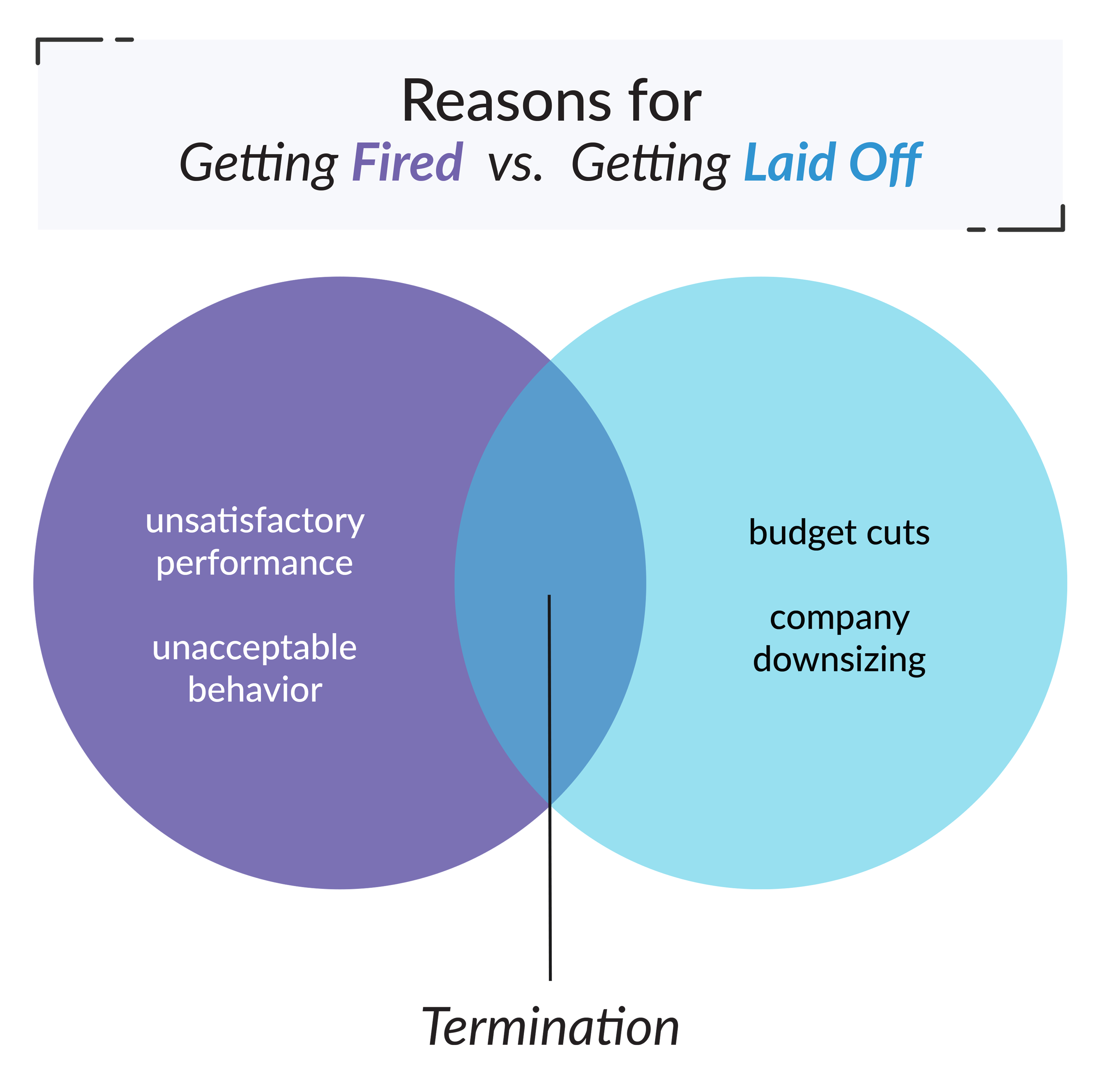
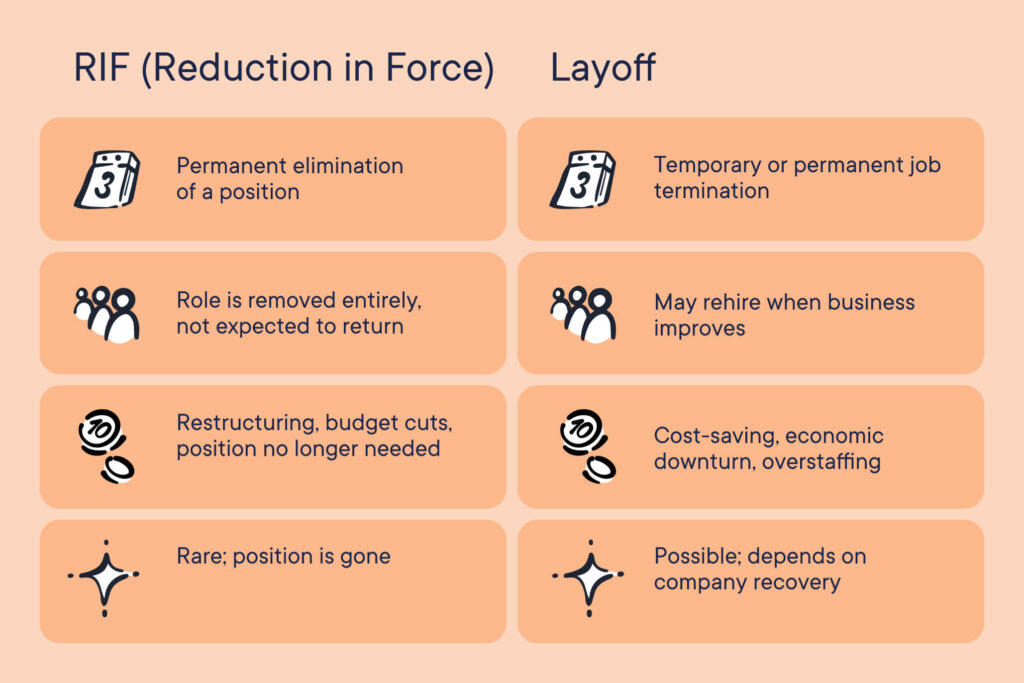
A layoff is fundamentally a business-driven decision, not a performance-based one. When a company undergoes a layoff, it is usually attempting to address systemic issues—such as budget cuts, restructuring, mergers, or a decrease in market demand—that have nothing to do with an individual employee’s competence.
Why Companies Resort to Layoffs
At the corporate level, layoffs are often viewed as a “right-sizing” exercise. If a business loses a major contract, shifts its strategic direction, or faces an economic downturn, it may no longer have the revenue stream to support its current payroll. In this scenario, the company is not unhappy with the employee; rather, it is in a state of financial distress or operational realignment.
The Employee Perspective
When you are laid off, the separation is deemed “without cause.” From a personal finance standpoint, this is the most critical distinction. Because the loss of employment is due to external business factors, you are almost always eligible for unemployment insurance. Furthermore, many companies offer severance packages to laid-off employees as a gesture of goodwill or to mitigate legal risks associated with large-scale reductions in force. This severance pay acts as a financial bridge, allowing you to cover your mortgage, rent, or basic expenses while you search for your next opportunity.
The Anatomy of Being Fired
Being fired—or terminated “for cause”—is an individual-focused action. Unlike a layoff, which is broad and situational, being fired is specific to the employee’s performance or conduct within the workplace.
Performance-Based Termination
Most often, being fired stems from a failure to meet the expectations established in the job description. This could manifest as chronic absenteeism, inability to master required technical skills, or consistently failing to meet quotas. Companies typically follow a protocol of performance improvement plans (PIPs) or verbal warnings before reaching the point of termination. If these interventions fail, the company terminates the relationship to protect its own productivity and bottom line.
Conduct-Based Termination
There is a more severe category of being fired that relates to behavior rather than output. This includes insubordination, violation of company policy, unethical conduct, or illegal activity. In these instances, there is rarely a grace period. Employment is severed immediately, and the employer is essentially citing a breach of the professional contract between themselves and the worker.
The Financial and Professional Fallout
Being fired carries a much heavier weight in the world of personal finance. Because the termination is for cause, you are generally disqualified from receiving unemployment benefits. Furthermore, severance pay is rarely offered; the company has no incentive to provide additional compensation to an employee they are dismissing for failure to meet professional standards. Beyond the immediate financial impact, there is the long-term challenge of explaining the gap on your resume. Future employers will inevitably ask why you left your previous role, and explaining a “for cause” termination requires a level of transparency and professional maturity that can be difficult to convey in a high-pressure interview setting.
Strategic Financial Planning for Employment Transitions
Regardless of whether your departure is a layoff or a firing, the resulting loss of income represents a significant shock to your personal finance ecosystem. Proactive management of your cash flow is the only way to buffer the impact.
Building and Maintaining an Emergency Fund
The primary defense against the sudden loss of income is a liquid emergency fund. Financial advisors generally recommend keeping three to six months of essential living expenses in a high-yield savings account. A layoff might provide severance, but that money should be viewed as a secondary safety net, not your primary survival tool. If you have been fired, you are immediately reliant on your own savings, making an emergency fund the difference between a temporary career pivot and a long-term financial crisis.
Managing Debt During a Transition
When income vanishes, servicing high-interest debt becomes the most significant drain on your remaining capital. During a layoff, you might be tempted to use your severance check to pay down credit card balances immediately. However, it is often wiser to maintain your liquidity until you have secured a new source of income. Contact your creditors proactively; many institutions have hardship programs that allow for deferred payments or interest rate reductions if you can provide proof of a job loss.
Navigating Unemployment and COBRA
If you are laid off, applying for unemployment benefits should be the first action you take on your first day of unemployment. Do not wait for severance to run out. Because unemployment insurance is a system you have contributed to through payroll taxes, it is a rightful financial tool. Similarly, understand your health insurance options. If you lose your employer-sponsored plan, you may qualify for COBRA, which allows you to continue your current coverage. However, COBRA is often expensive because you become responsible for the full premium previously subsidized by your employer. Before jumping into COBRA, explore the Health Insurance Marketplace, which may offer more affordable premiums based on your current, now-lower income level.
Reputation Management and Career Recovery
The way you handle the end of a job is almost as important as the work you did while employed. How you frame your departure will dictate your ability to bounce back and rebuild your financial stability.
The “Layoff” Narrative
If you have been laid off, there is no stigma involved. In the modern economy, layoffs are a common occurrence that recruiters and hiring managers understand intimately. When discussing your past role in future interviews, be brief and factual. State clearly that the position was eliminated due to corporate restructuring or a reduction in force. Focus your conversation on the accomplishments you achieved while at the company and what you are looking forward to in your next chapter.
The “Fired” Narrative: A Pivot Toward Growth
If you were fired, the strategy must change. You should never disparage your former employer, as this reflects poorly on your character and professionalism. Instead, frame the termination as a lack of fit. Perhaps the role requirements shifted beyond your area of expertise, or there was a misalignment between your strengths and the company’s expectations. By focusing on what you learned from the experience and how you have refined your skill set since then, you can turn a negative into a narrative of professional growth.
Leveraging Professional Networks
Your financial future is tied to your network. If you were laid off, reach out to former colleagues and managers immediately. Because your departure was not performance-based, they will likely be happy to provide references or act as a bridge to new opportunities. If you were fired, you must be more selective. Identify the mentors or peers who can vouch for your work ethic and character, even if they were not your immediate supervisor. Your goal is to pivot quickly into a role that better matches your talents, ensuring that you return to a position of financial security as soon as possible. Understanding the nuance between a layoff and being fired is not just about labels—it is about managing your career path and your bank account with the precision and foresight necessary for long-term financial health.
aViewFromTheCave is a participant in the Amazon Services LLC Associates Program, an affiliate advertising program designed to provide a means for sites to earn advertising fees by advertising and linking to Amazon.com. Amazon, the Amazon logo, AmazonSupply, and the AmazonSupply logo are trademarks of Amazon.com, Inc. or its affiliates. As an Amazon Associate we earn affiliate commissions from qualifying purchases.