
In the world of consumer goods, the difference between two products is often less about their physical utility and more about the narrative constructed around them. When a consumer asks, “What is the difference between a duvet and a comforter?” they aren’t just looking for a measurement of fill power or a fabric breakdown; they are navigating a carefully curated landscape of brand strategy and market positioning.
To the uninitiated, these two items of bedding serve the exact same purpose: providing warmth and aesthetic appeal to a bedroom. However, from a brand strategy perspective, the “Duvet” and the “Comforter” represent two entirely different schools of thought regarding consumer lifestyle, maintenance expectations, and market tiering. Understanding these differences offers a masterclass in how companies use nomenclature to segment audiences and drive higher margins.
The Semantics of Premium Positioning: Defining the Brand Narrative
The distinction between a duvet and a comforter begins with linguistic branding. In marketing, words are tools used to trigger specific emotional responses. By choosing one term over the other, a brand immediately signals its heritage, price point, and target demographic.
Duvets as the European Aesthetic of Minimalism
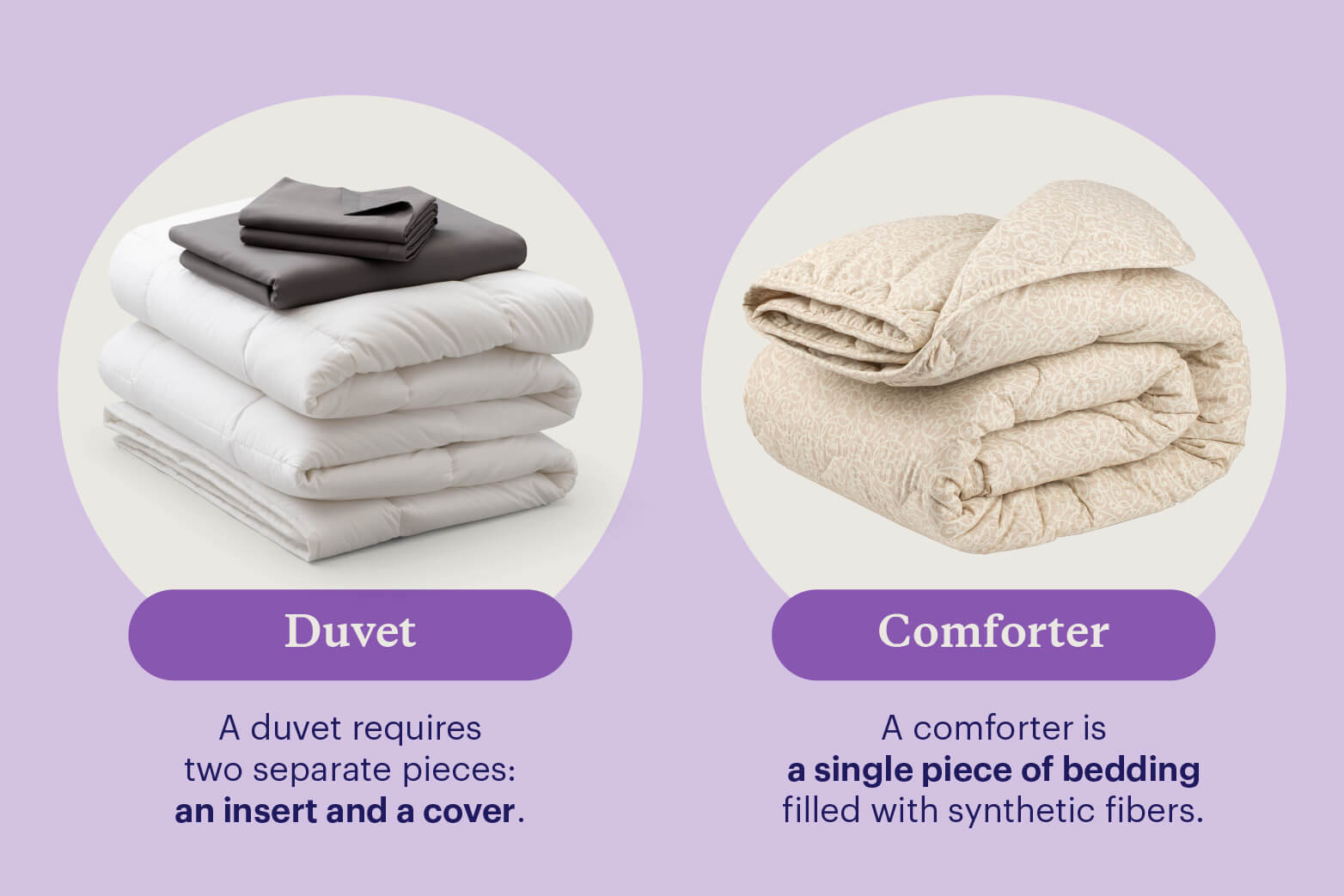
The word “duvet” is derived from the French word for “down.” Historically, the duvet was a staple of European bedding—specifically in Scandinavia and France—associated with a minimalist, functional, yet high-end lifestyle. In modern branding, the duvet is positioned as a “modular” system. It consists of the insert (the duvet) and the protective layer (the cover).
From a brand strategy standpoint, the duvet is marketed as the choice for the “curated” consumer. Brands like Parachute and Brooklinen have leveraged the duvet to sell a specific aesthetic: the “effortlessly messy” but luxurious European look. By positioning the duvet as a distinct entity from its cover, brands create a narrative of sophistication and customization that appeals to urban professionals and design-conscious demographics.
Comforters as the American Standard of Convenience
Conversely, the “comforter” is a product rooted in the American “all-in-one” branding philosophy. It is a single, quilted piece of bedding that is decorative and functional simultaneously. The name itself—comforter—is a powerful branding tool. It evokes a sense of immediate solace and domestic security.
In market segmentation, comforters are traditionally positioned as the “convenience” option. They are the staple of “Bed-in-a-Bag” sets found in big-box retailers like Target or Macy’s. The brand narrative here focuses on ease of use: you buy it, you put it on the bed, and the job is done. This appeals to a pragmatic consumer base that prioritizes time-saving and value over modularity.
How Naming Conventions Shape Consumer Perception
Why does a brand choose to call a product a “down alternative duvet” instead of a “white comforter”? The answer lies in the perceived value. “Duvet” carries an air of imported luxury, allowing brands to command a higher price point for the insert alone. “Comforter” is often perceived as a commodity. By shifting the terminology, a brand can transition a product from a “utility” category into a “lifestyle” category.
Product Strategy: The Architecture of the “Bed-in-a-Bag” vs. High-End Modularity
Beyond the name, the physical structure of these products dictates the business model of the brands that sell them. This is where brand strategy meets product architecture.
The Comforter Model: All-in-One Value Branding
The comforter is the hero of the high-volume, low-friction retail model. Because the comforter is a single unit, it is often sold as part of a bundle including shams, skirts, and sometimes even sheets. This is a “Value Branding” strategy. It simplifies the decision-making process for the consumer (the “Paradox of Choice”) by providing a pre-coordinated aesthetic.
For the brand, the comforter model is about market share and volume. It allows for mass production of specific patterns and colors that can be retired seasonally, encouraging repeat purchases as trends shift.
The Duvet Model: Upselling through Ecosystems
The duvet represents a more sophisticated “Ecosystem Branding” strategy, similar to what we see in the tech industry. When a consumer buys a duvet insert, they are effectively “locking in” to an ecosystem. They now need a duvet cover. Then, they might need different covers for different seasons—linen for summer, heavy cotton for winter.
This creates a high Customer Lifetime Value (CLV). Brands like West Elm or Restoration Hardware don’t just want to sell you one blanket; they want to sell you a rotating wardrobe for your bed. The duvet insert is the “hardware,” and the covers are the “software” updates. This modularity allows the brand to maintain a relationship with the customer over many years.
Tiered Pricing Strategies in Home Textiles
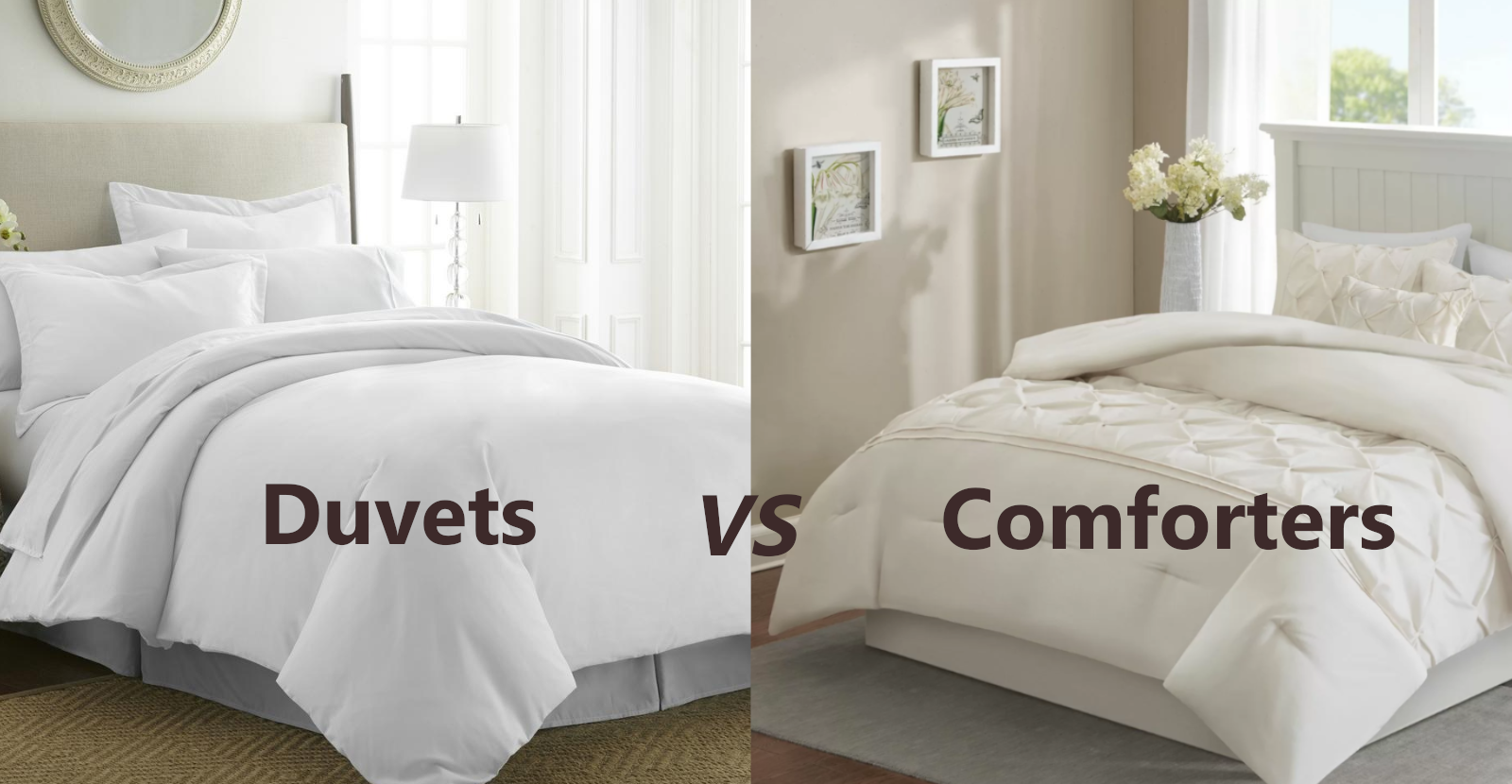
Branding also dictates the tiered pricing seen in this industry. Duvets are often sold at a “luxury tier,” where the fill (Siberian Down, Eiderdown, or advanced synthetics) is the selling point. Comforters are frequently sold at a “mid-to-low tier,” where the external design and immediate affordability are the primary drivers. By maintaining the distinction between the two, the industry ensures that there is a product for every rung of the economic ladder while preserving the “prestige” of the duvet.
Case Studies in Brand Identity: From Luxury Imports to Direct-to-Consumer Disruption
The modern bedding market has been radically transformed by Direct-to-Consumer (DTC) brands. These companies have used the duvet vs. comforter distinction to carve out new niches in the competitive home goods landscape.
Brooklinen and the Democratization of “Hotel Luxury”
Brooklinen is perhaps the most successful example of using brand strategy to redefine these categories. Before the DTC explosion, high-quality duvets were often locked behind the gates of expensive department stores. Brooklinen’s strategy was to take the “Duvet” narrative—long associated with five-star hotels—and market it directly to millennials using relatable, witty copy. They moved the duvet away from “stuffy” luxury and toward “approachable” luxury.
The Influence of “Cloud-Based” Marketing Imagery
If you look at the Instagram feeds of modern bedding brands, you will notice a trend: the “cloud” aesthetic. Brands have moved away from showing perfectly pressed, hospital-cornered comforters. Instead, they show voluminous, slightly wrinkled duvets.
This is a strategic visual brand identity. It communicates comfort through “loft.” The duvet is branded as a weightless, airy experience. This visual storytelling has been so successful that even traditional comforter brands are now redesigning their products to look more like duvets—creating “oversized” and “extra-fluffy” comforters to mimic the premium duvet aesthetic.
Sustainability as a Brand Pillar
In the current market, the duvet has a branding advantage regarding sustainability. Because a duvet cover can be washed easily, the insert itself lasts longer and requires less frequent cleaning (which preserves the fibers). Brands like Buffy have capitalized on this by marketing their duvet inserts as eco-friendly, using recycled materials and eucalyptus fibers. By contrast, washing an entire bulky comforter is energy-intensive and leads to faster product degradation—a narrative that eco-conscious brands use to position the duvet as the “ethical” choice.
Consumer Psychology: Why the Choice Reflects Personal Branding
Ultimately, the choice between a duvet and a comforter is an act of personal branding by the consumer. Brands recognize that our homes are extensions of our identities, and they market these products to align with specific self-images.
The Lifestyle Brand Alignment
The “Duvet Consumer” is often marketed to as someone who is sophisticated, values quality over quantity, and enjoys the “ritual” of making a bed. They are seen as someone who appreciates the finer details—the thread count of the cover, the weight of the insert. This is a “Curator” identity.
The “Comforter Consumer” is marketed to as someone who is practical, efficient, and unpretentious. They value a “put-together” look without the “fuss” of wrestling with a duvet cover. This is a “Pragmatist” identity.
The Maintenance Paradox and Brand Loyalty
There is a known friction point in the duvet brand experience: the difficulty of putting on a duvet cover. Interesting enough, brands have turned this “pain point” into a branding opportunity. Some brands have introduced “easy-on” systems with ties or zippers, branding themselves as problem-solvers. This builds intense brand loyalty because the company has solved a specific, relatable “life hack” for the consumer.
Social Proof and the “Aesthetic” Bedroom Trend
The rise of Pinterest and TikTok has solidified the duvet’s position as the “aspirational” bedding choice. The “bed making” videos that garner millions of views almost exclusively feature duvets. Brands that lean into this social proof can drive trends by showing how their products contribute to a “cozy vibe.” In this context, the difference between a duvet and a comforter is the difference between being “on-trend” and being “outdated.”
Conclusion: The Strategic Choice
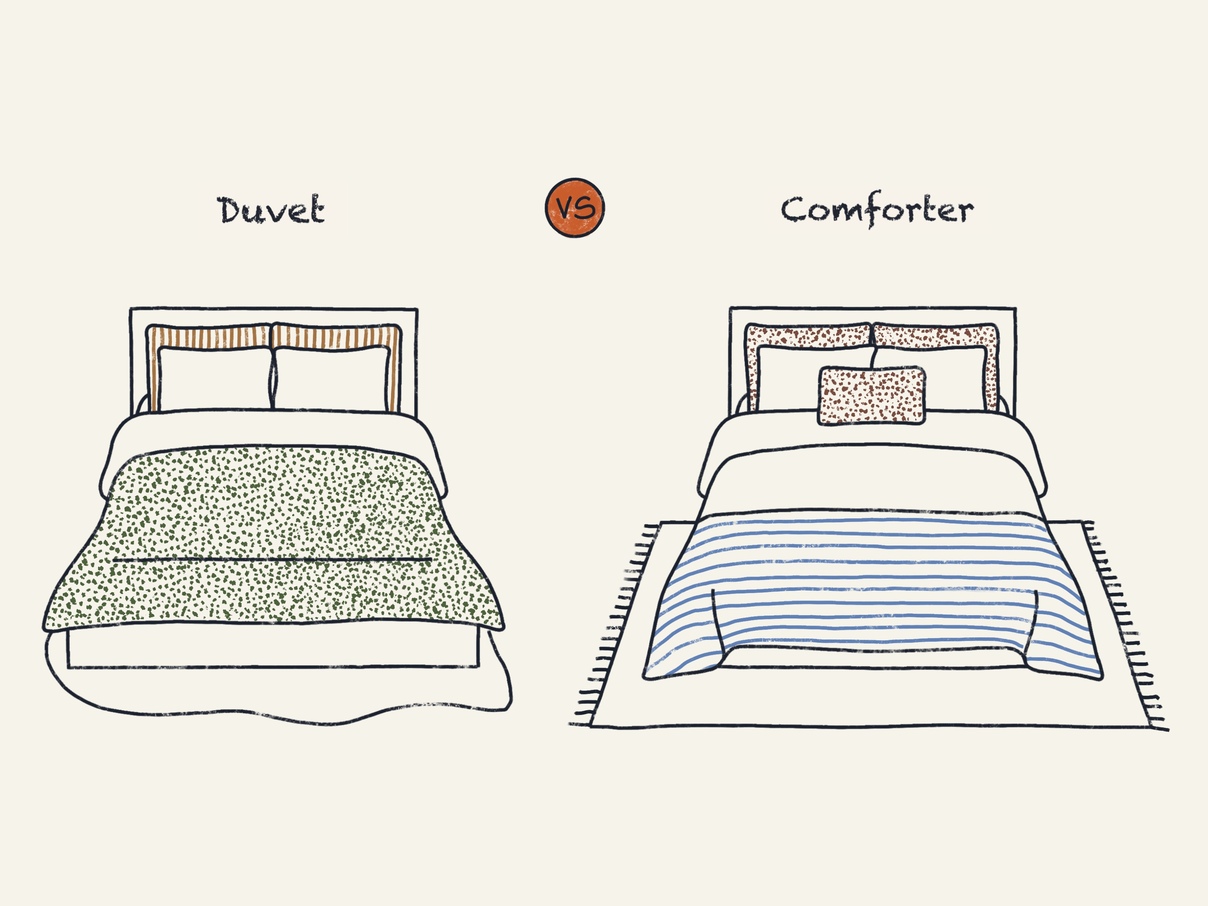
In conclusion, the difference between a duvet and a comforter is not merely a matter of construction or filling. It is a calculated distinction maintained by brand strategists to segment the market and cater to different consumer psychographics.
The Comforter remains the king of convenience, value, and the “all-in-one” American lifestyle. The Duvet is the vessel for luxury, modularity, and the European “curated” aesthetic. For a brand, deciding which to sell—or how to position one against the other—is a choice between high-volume utility and high-margin lifestyle loyalty. As the home goods market continues to evolve, the brands that win will be those that understand that they aren’t just selling a blanket; they are selling a version of the consumer’s best self, one “fluff” at a time.
aViewFromTheCave is a participant in the Amazon Services LLC Associates Program, an affiliate advertising program designed to provide a means for sites to earn advertising fees by advertising and linking to Amazon.com. Amazon, the Amazon logo, AmazonSupply, and the AmazonSupply logo are trademarks of Amazon.com, Inc. or its affiliates. As an Amazon Associate we earn affiliate commissions from qualifying purchases.