
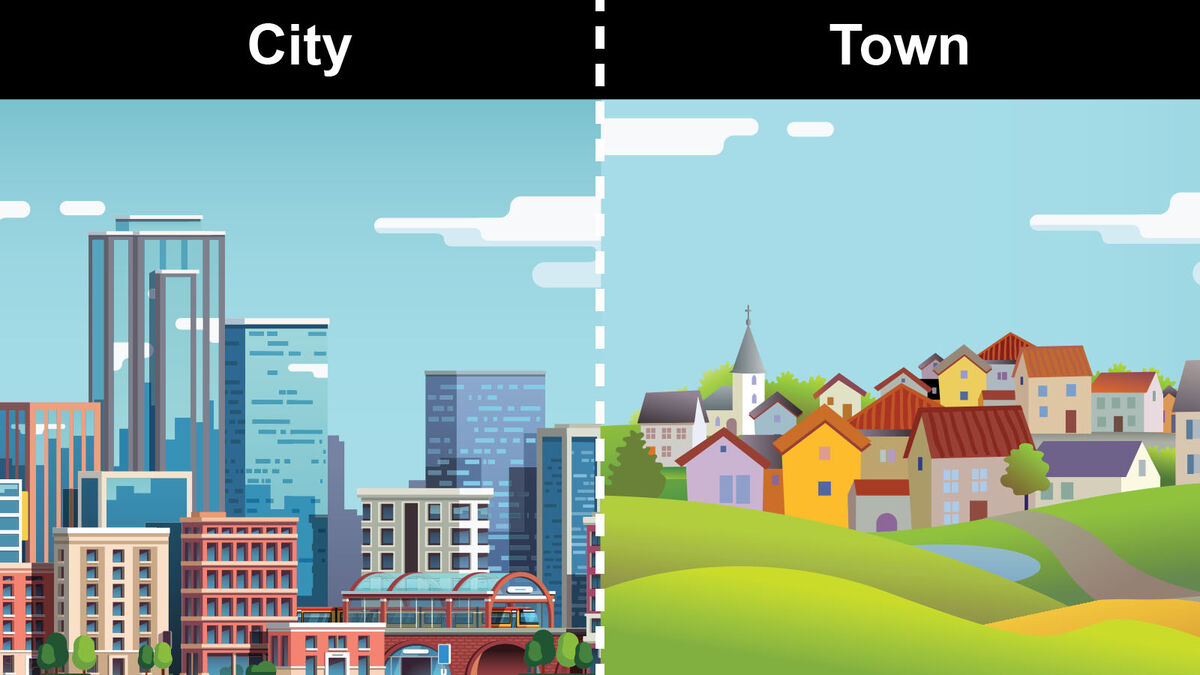
In the realm of modern marketing and strategic communication, the distinction between a “city” and a “town” is far more than a matter of population density or geographic borders. From a branding perspective, these labels represent distinct psychological archetypes, economic ecosystems, and narrative frameworks. For brand strategists, real estate developers, and municipal leaders, understanding the difference between city-scale branding and town-scale branding is essential for creating an identity that resonates with the right audience.
While a geographer might look at infrastructure and a politician might look at governance, a brand strategist looks at the “soul” of the location. A city brand is often built on the pillars of innovation, diversity, and global connectivity. Conversely, a town brand thrives on intimacy, heritage, and the promise of a “slower” or more authentic way of life. This article explores the nuanced differences between cities and towns through the lens of brand strategy, corporate identity, and market positioning.

Defining the Brand Identity of Urban Scales
The primary difference between a city and a town lies in the “Brand Promise.” When a person thinks of a city, they expect a certain level of intensity and opportunity. When they think of a town, they expect community and safety. These expectations dictate how a place must be marketed.
The Sophistication of the City Brand
A city brand is almost always positioned as a “Hub.” Whether it is a hub for finance, fashion, or technology, the city represents a convergence of ideas. The branding of major metropolises like London, New York, or Tokyo focuses on the “Global Citizen.” The visual identity is often sleek, modernist, and high-energy.
For a city, the brand identity must manage complexity. It isn’t just one story; it is a mosaic of neighborhoods, industries, and cultures. Strategic city branding focuses on “Magnetism”—the ability to attract international talent, venture capital, and tourism. The brand voice is confident, loud, and forward-looking. In a city, the brand is the “Future.”
The Intimacy of the Town Brand
A town, by contrast, relies on a “Boutique Identity.” The branding of a town isn’t about being everything to everyone; it is about being the right thing for a specific group of people. The town brand is anchored in “Legacy” and “Belonging.”
From a design perspective, town branding often incorporates heritage elements—historical architecture, local flora, or traditional crafts. The tone of voice is warm, inviting, and grounded. While a city sells the “Dream of Success,” a town sells the “Dream of Home.” For marketers, the challenge with a town is to create a brand that feels exclusive yet welcoming, avoiding the trap of appearing “small-minded” while leaning into the benefits of being “small-scale.”
Strategic Marketing: High-Volume Reach vs. Niche Community Engagement
The methods used to market a city versus a town differ significantly in terms of scale, channel selection, and messaging. Because the target audiences are looking for different value propositions, the marketing funnel must be adjusted accordingly.
Mass Marketing and Global Recognition
City branding requires a “Top-Down” marketing approach. This often involves large-scale PR campaigns, partnerships with global airlines, and hosting international events (like the Olympics or major tech conferences). The goal of city marketing is to maintain a “World-Class” status.
The digital strategy for a city is data-heavy. It uses SEO to capture broad terms like “best places for startups” or “top cultural destinations.” The social media presence of a city brand is curated to showcase lifestyle diversity—fine dining one day, gritty street art the next. It is about volume and variety. The brand must be “Always On,” reflecting the 24/7 nature of urban life.
Hyper-Localism and the Power of Authenticity
Town marketing operates on a “Bottom-Up” or “Grassroots” strategy. It relies heavily on storytelling and word-of-mouth. In a town, the residents are the brand ambassadors. If the local community doesn’t buy into the brand, the external marketing will feel hollow.
Towns benefit from “Hyper-Localism.” Marketing efforts often focus on “Hidden Gems”—the local bakery that has been there for 50 years, the annual fall festival, or the scenic hiking trail. The digital strategy here is less about mass reach and more about “Community Building.” Email newsletters, local Facebook groups, and Instagram accounts that feature real people (rather than stock models) are the tools of the trade. For a town, “Authenticity” is the highest currency.
Corporate Identity in Urban Environments
Businesses choose their locations based on how the place’s brand aligns with their own corporate identity. The choice between setting up shop in a city versus a town is a strategic branding move that communicates a company’s values to its clients and employees.
Regional HQs and the Prestige Factor
For large corporations, being headquartered in a major city is a “Prestige Play.” A skyscraper in a central business district (CBD) serves as a physical manifestation of power and stability. The city’s brand rub-off effect is significant: a tech firm in San Francisco or a hedge fund in Manhattan gains an immediate layer of perceived expertise and competitiveness.
The corporate identity in a city environment is often “Performance-Driven.” The brand aesthetic is professional, fast-paced, and standardized. Here, companies leverage the city’s infrastructure—the airports, the transit, and the talent pool—to reinforce their own image as a “Global Player.”
The Rise of the ‘Boutique’ Business in Small Towns
In recent years, we have seen a shift toward “Town-Sourcing.” Modern brands—especially in the artisan, organic, and creative sectors—are choosing towns to emphasize their commitment to craftsmanship and sustainability. A company based in a small town communicates that it values “Quality over Quantity.”
This choice allows for a “Boutique Corporate Identity.” The brand story becomes about the local impact, the employees who know each other’s names, and a commitment to the environment. For these brands, the town isn’t just a location; it is a “Foundational Narrative.” It provides a sense of “Provenance” that is difficult to replicate in the anonymous sprawl of a major city.
Digital Strategy for Different Geographical Scales
In the digital age, the way a city or town is perceived is largely determined by its “Digital Footprint.” How a location appears in search results and social feeds constitutes its modern brand identity.
Data-Driven Insights in Metro Hubs
City branding in the digital space is increasingly driven by “Smart City” initiatives. From a marketing perspective, this means using big data to improve the user experience of the city. Digital tools like integrated transit apps, tourist portals with AI-driven recommendations, and high-speed public Wi-Fi become part of the brand’s “Service Design.”
The tech-forward nature of city branding attracts a specific demographic: the “Digital Nomad” and the “Tech Professional.” Therefore, the digital strategy must focus on “Seamlessness.” If the digital experience of a city is fragmented or outdated, it damages the brand’s reputation as a modern leader.
Community-Centric Storytelling for Towns
Towns, lacking the massive budgets for “Smart City” infrastructure, must win the digital game through “Narrative.” The digital strategy for a town is about “Content Marketing.” This involves long-form blog posts about local history, high-quality video tours of the town square, and influencer collaborations that highlight the “slow living” movement.
For a town, the digital identity should be a “Window” into the community. It should feel personal and accessible. While a city’s digital strategy is about “Function,” a town’s digital strategy is about “Feeling.”
Case Studies in Transformation: When a Town Rebrands as a City
The transition from a town to a city is a perilous moment for a brand. It is the moment when a location risks losing its “Soul” (the town identity) in pursuit of “Growth” (the city identity).

Managing the Perception of Growth
When a town grows into a city, the branding must evolve from “Exclusive” to “Inclusive.” A common mistake is trying to mimic a nearby metropolis, which often results in a “Generic City” brand that has no unique value proposition.
Successful rebranding involves identifying what made the town special and “scaling” it. For example, if a town was known for its art scene, its transition to a city should focus on becoming a “Cultural Capital” rather than just another commercial center. The brand strategy must bridge the gap between “Small-Town Heart” and “Big-City Opportunity.” This requires careful stakeholder management, ensuring that the original “Brand Guardians”—the long-term residents—feel that the new identity still represents them even as the scale of the brand expands.
In conclusion, the difference between a city and a town is a fundamental divergence in brand strategy. Cities are brands of “Ambition,” while towns are brands of “Affiliation.” By understanding these distinct identities, marketers and leaders can better position their locations to attract the people, businesses, and investments that will allow them to thrive in an increasingly competitive global landscape. Whether you are building a global tech hub or a cozy lakeside retreat, your success depends on how well you navigate the “Place Brand” divide.
aViewFromTheCave is a participant in the Amazon Services LLC Associates Program, an affiliate advertising program designed to provide a means for sites to earn advertising fees by advertising and linking to Amazon.com. Amazon, the Amazon logo, AmazonSupply, and the AmazonSupply logo are trademarks of Amazon.com, Inc. or its affiliates. As an Amazon Associate we earn affiliate commissions from qualifying purchases.