
The Giant Panda, a creature synonymous with conservation efforts and an icon of the natural world, presents a fascinating enigma to many. While its charming, lumbering presence and distinctive black and white markings are instantly recognizable, a deeper dive into its existence often leads to a fundamental question: What is the diet of the panda? The answer, though seemingly straightforward, reveals a remarkable evolutionary adaptation and a complex relationship with its primary food source.
While the initial question might evoke images of a simple vegetarian lifestyle, the reality is far more nuanced. Pandas belong to the order Carnivora, a classification shared with lions, tigers, and wolves. This evolutionary lineage suggests a history of meat consumption, making the panda’s almost exclusive reliance on bamboo a significant point of scientific interest. This dietary specialization, while successful for millennia, also presents unique challenges for the species, particularly in the context of habitat preservation and the availability of its food source.
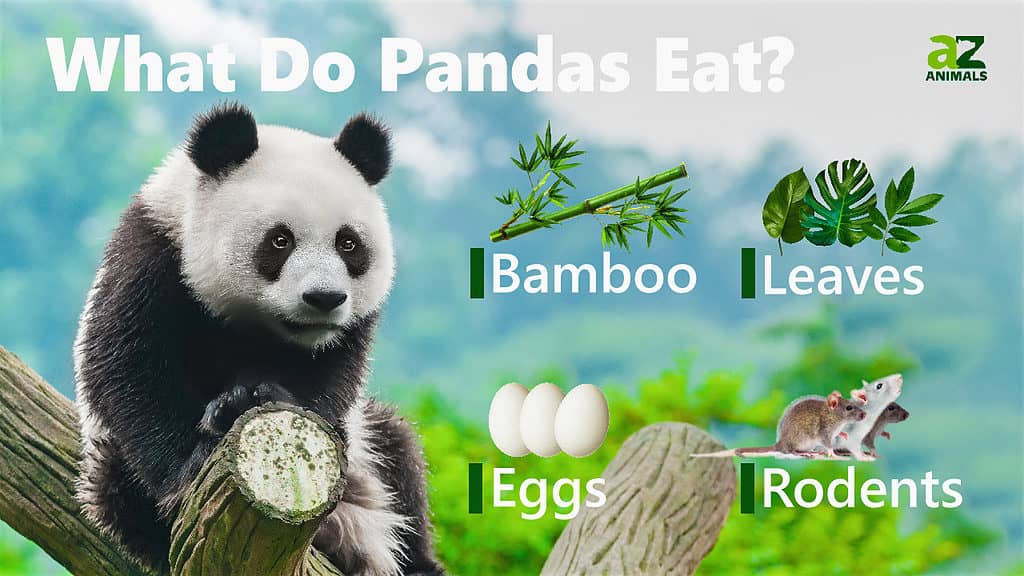
The Bamboo Dominance: A Specialist’s Feast
The overwhelming majority of a panda’s diet, often exceeding 99%, consists of various species of bamboo. This might seem remarkably restrictive for an animal of its size and evolutionary background. However, the panda has evolved specific adaptations to thrive on this fibrous plant.
Understanding the Bamboo Feast: Types and Consumption
Pandas don’t just nibble on any bamboo they encounter. They are selective eaters, preferring certain species based on their availability, nutritional content, and even the season. Common bamboo species consumed include:
- Fargesia: Often found at higher altitudes, these bamboos are a staple in many panda habitats.
- Phyllostachys: These are among the most important food sources, particularly in lower elevations.
The sheer volume of bamboo consumed is astounding. An adult panda can spend between 10 to 16 hours a day foraging and eating, consuming anywhere from 20 to 40 kilograms (44 to 88 pounds) of bamboo daily. This immense quantity is necessary due to bamboo’s low nutritional value and high fiber content. To process such a substantial amount, pandas have developed specialized digestive systems.
Digestive Adaptations: A Carnivore’s Compromise
Despite their carnivorous ancestry, pandas possess a digestive tract more akin to that of herbivores. Their digestive system is relatively short, which is typical for carnivores, meaning food passes through quickly. This can lead to inefficient nutrient absorption from the tough, fibrous bamboo. To compensate, pandas have evolved a few key adaptations:
- Strong Jaws and Teeth: Their powerful jaw muscles and broad, flat molars are perfectly designed for crushing tough bamboo stalks, leaves, and shoots.
- Reduced Cecum: While herbivores typically have a large cecum for fermenting plant matter, the panda’s is reduced, again highlighting their carnivorous legacy. However, some symbiotic bacteria in their gut might aid in breaking down cellulose to a limited extent.
- Rapid Digestion: The quick transit time means that much of the digestible material is extracted, but a significant portion passes through undigested. This necessitates the large volume of intake to obtain sufficient energy.
The panda’s digestive system is a testament to its remarkable evolutionary journey. It’s a system that has adapted to exploit a readily available, albeit nutritionally challenging, food source, demonstrating the power of specialization.
Beyond Bamboo: Supplementary Diets and Nutritional Gaps
While bamboo forms the cornerstone of the panda’s diet, it’s not the only thing they consume. While these other food items are eaten in minuscule quantities and are largely incidental, they offer insights into the panda’s primal dietary inclinations and the nutritional gaps that bamboo alone struggles to fill.
The Occasional Opportunist: Other Food Sources

In rare instances, pandas have been observed to consume other food items. These opportunistic snacks can include:
- Other Plants: Occasionally, a panda might supplement its diet with other grasses, fruits, or even flowers. These are typically eaten in very small amounts and are not a consistent part of their diet.
- Small Animals: Historically, and in very rare cases today, pandas have been known to consume small rodents, birds, fish, or insects. These instances are so infrequent that they are considered outliers rather than standard practice. This behavior is a fleeting glimpse into their carnivorous past and hints at a potential nutritional deficiency in their bamboo-only diet.
These occasional dietary deviations are significant because they suggest that while pandas are highly adapted to bamboo, their bodies still possess some capacity for or inclination towards protein and fat from animal sources. These supplementary food items, when available, might provide essential nutrients that are scarce in bamboo.
Nutritional Challenges and Energy Inefficiency
The low nutritional value of bamboo poses significant challenges for pandas:
- Low Protein: Bamboo is very low in protein, which is essential for growth, repair, and overall bodily function.
- Low Energy Content: The high fiber content means that pandas expend a considerable amount of energy to digest their food, and they derive relatively little energy from each mouthful.
- Seasonal Variations: The nutritional content of bamboo can vary significantly throughout the year. Younger shoots and leaves are generally more nutritious than mature stalks. This means pandas often have to migrate to find the most palatable and nutrient-rich bamboo, especially during winter months when older stalks become the primary option.
This constant search for adequate nutrition dictates much of the panda’s behavior, including their movement patterns and habitat requirements. The reliance on a single, low-nutrient food source makes them particularly vulnerable to environmental changes and habitat fragmentation.
Implications for Conservation: A Fragile Equilibrium
The specialized diet of the panda has profound implications for its conservation. The very thing that makes them unique – their reliance on bamboo – also makes them exceptionally vulnerable.
Habitat Dependence: The Bamboo Connection
The survival of the Giant Panda is inextricably linked to the health and availability of its bamboo forests. Habitat loss and fragmentation, primarily due to human development, agriculture, and logging, are the most significant threats to panda populations. When bamboo forests are destroyed or broken up, pandas lose their food source and their homes.
- Limited Range: Pandas are found in only a handful of mountain ranges in central China, where specific bamboo species thrive. This restricted geographic range makes them more susceptible to localized threats.
- Bamboo Flowering and Die-off: Bamboo species have a life cycle that includes periodic synchronized flowering and die-off. When a bamboo species flowers, it dies back, and new shoots take several years to grow. If pandas are unable to access alternative bamboo species or move to new areas, a widespread flowering event can lead to starvation. This makes diverse bamboo forests, containing multiple species and age classes, crucial for panda survival.

Conservation Strategies: Protecting the Panda’s Pantry
Understanding the panda’s diet is fundamental to developing effective conservation strategies:
- Habitat Protection and Restoration: The most critical aspect of panda conservation is protecting existing bamboo forests and restoring degraded habitats. This involves creating wildlife corridors to connect fragmented populations and allow pandas to access different bamboo resources.
- Sustainable Land Use: Encouraging sustainable agricultural practices and responsible forestry in and around panda habitats is vital to minimize human impact.
- Captive Breeding Programs: While not a substitute for wild conservation, captive breeding programs play a crucial role in increasing panda populations. These programs meticulously replicate the panda’s natural diet, ensuring they receive the necessary nutrients for health and reproduction. Understanding the specific nutritional needs of pandas in captivity is an ongoing area of research.
- Research and Monitoring: Continued research into panda dietary habits, their physiological responses to different bamboo types, and the health of bamboo ecosystems is essential for informed conservation decisions. Monitoring panda populations and their food sources helps scientists adapt strategies as environmental conditions change.
The panda’s diet, seemingly simple, is a complex tapestry of evolutionary adaptation, ecological dependence, and conservation challenge. The “what is the diet of the panda” question, therefore, leads us not just to an answer about bamboo, but to a deeper understanding of this iconic species’ precarious existence and the vital efforts required to ensure its future. Their story is a powerful reminder of the intricate balance of nature and the importance of safeguarding even the most specialized of lives.
aViewFromTheCave is a participant in the Amazon Services LLC Associates Program, an affiliate advertising program designed to provide a means for sites to earn advertising fees by advertising and linking to Amazon.com. Amazon, the Amazon logo, AmazonSupply, and the AmazonSupply logo are trademarks of Amazon.com, Inc. or its affiliates. As an Amazon Associate we earn affiliate commissions from qualifying purchases.