
In an increasingly interconnected and rapidly evolving professional landscape, understanding the dynamics of mentorship, hierarchy, and influence is paramount for both individual growth and organizational success. While much of this discussion often takes place using Western terminologies, a deeper dive into concepts from other cultures can offer unique, insightful perspectives. One such concept, rich with meaning and surprisingly relevant to modern branding and professional development, is “Senpai.” Far more than a simple foreign word, “senpai” encapsulates a powerful relational dynamic that, when understood and leveraged, can profoundly impact personal branding, corporate identity, and community engagement.
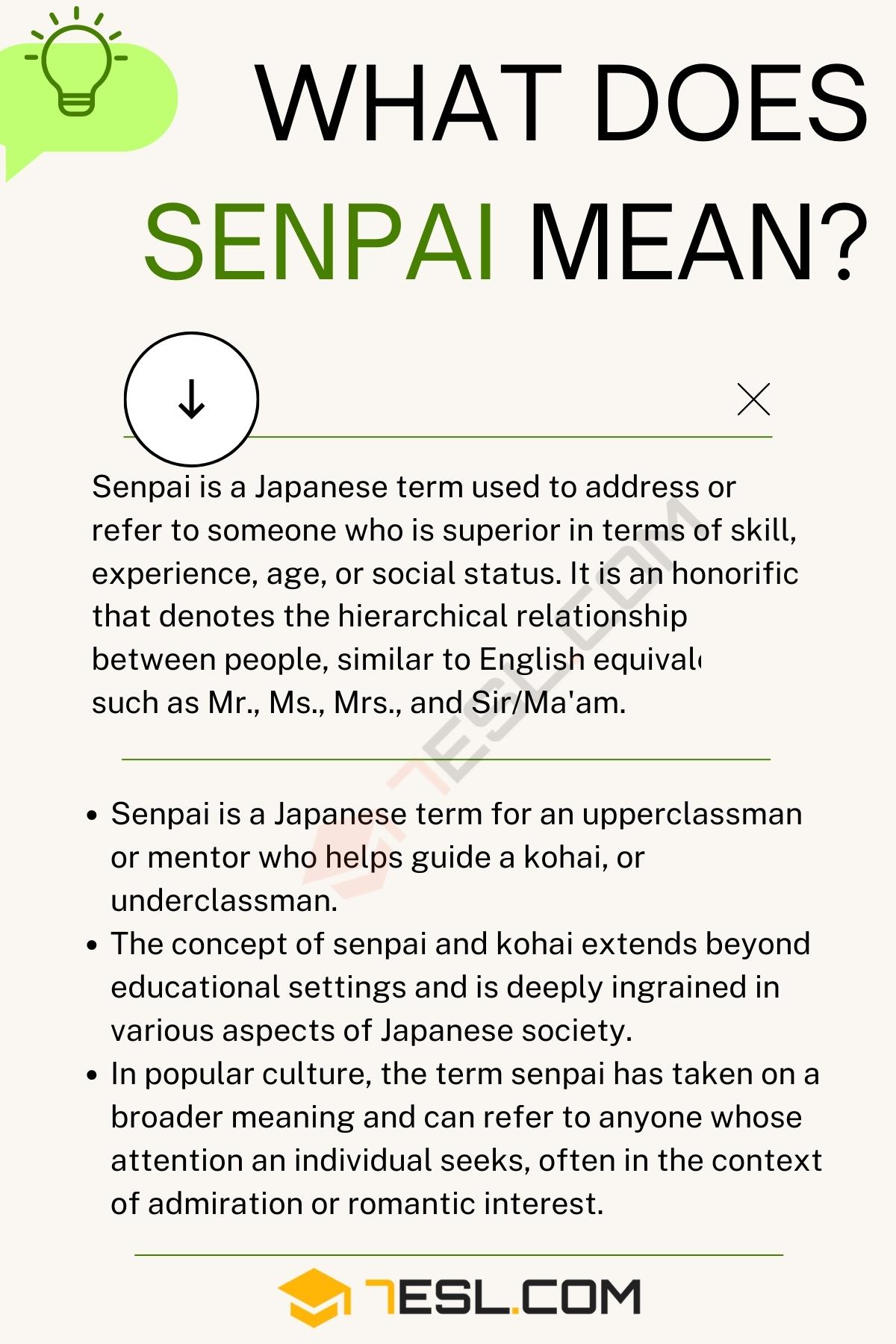
At its core, “senpai” is a Japanese term that translates loosely to “senior” or “predecessor.” However, this basic definition barely scratches the surface of its profound cultural and professional implications. It signifies a person who is higher in rank, age, or experience within a particular group, organization, or educational setting, and who offers guidance, support, and mentorship to their “kohai” (junior). This relationship is built on mutual respect, with the senpai bearing a responsibility to teach and guide, and the kohai showing deference and eagerness to learn. In the context of branding, this dynamic offers a robust framework for building authority, fostering communities, and cultivating a reputation for expertise and mentorship.
The Traditional Roots of Senpai: Hierarchy, Respect, and Mentorship
To truly grasp the branding implications of “senpai,” it’s essential to first understand its foundational meaning within its native cultural context. This provides the bedrock upon which its contemporary relevance can be built.
Origins in Japanese Culture and Society
The concept of senpai is deeply woven into the fabric of Japanese society, reflecting long-standing cultural values of hierarchy, respect for elders and experience, and collective harmony. From schools to sports clubs, and from traditional arts to corporate offices, the senpai-kohai dynamic provides a clear structure for social interaction and professional development. It’s not merely about age or seniority, but about the accumulation of knowledge, skills, and wisdom over time. This established order creates a predictable environment for learning and growth, where individuals understand their roles and responsibilities within a group. This structured guidance minimizes uncertainty and provides a clear pathway for newcomers to integrate and thrive.
The Senpai-Kohai Relationship Dynamic
The relationship between senpai and kohai is characterized by a unique blend of formal respect and informal camaraderie. The senpai acts as a guide, mentor, and often a protector, sharing their expertise, offering advice, and setting an example. They are expected to be approachable, patient, and invested in the kohai’s development. In return, the kohai shows respect, acknowledges the senpai’s experience, and is eager to learn and follow their lead. This isn’t a subservient relationship but a reciprocal one where both parties benefit: the kohai gains knowledge and support, while the senpai solidifies their own understanding, enhances their leadership skills, and reinforces their position of authority and influence within the group. This dynamic provides a clear, established pathway for the transfer of knowledge and the maintenance of group cohesion.
Beyond Language: Core Values Embodied by Senpai
The essence of “senpai” transcends its linguistic origin, embodying universal values critical for professional and brand success: experience, wisdom, responsibility, and mentorship. A senpai is someone who has “been there, done that,” accumulating practical knowledge and insights. They are seen as reliable sources of information and guidance. This inherent trust and perceived authority are invaluable assets, particularly when considering how individuals and organizations build their brand identity. Embodying the senpai ethos means projecting competence, reliability, and a genuine commitment to guiding others, which are all powerful components of an authentic and respected brand.
Senpai as a Cornerstone of Personal Branding and Professional Development
The principles embedded in the senpai-kohai dynamic offer a powerful blueprint for individuals looking to cultivate a strong personal brand and accelerate their professional growth.
Identifying and Leveraging Your Senpai for Growth
In the journey of professional development, finding a “senpai” – a mentor who embodies the qualities of experience, wisdom, and a willingness to guide – is invaluable. For an emerging professional, identifying individuals who exemplify the career path or expertise they aspire to can be transformative. This isn’t about blind emulation but about strategic learning. A personal senpai provides insights into industry nuances, shares best practices, offers constructive feedback, and helps navigate challenges. Leveraging this relationship means actively seeking guidance, being open to critique, and showing initiative in applying the lessons learned. From a personal branding perspective, aligning oneself with respected senpais can lend credibility and open doors, signaling one’s commitment to excellence and growth. It demonstrates a proactive approach to learning and a recognition of established expertise, which are attractive qualities to potential employers, collaborators, or clients.
Becoming a Senpai: Building Your Own Brand of Expertise
As professionals gain experience, the opportunity arises to transition from kohai to senpai. This shift is crucial for developing a robust personal brand rooted in leadership and influence. Becoming a senpai means consciously cultivating one’s expertise, demonstrating consistent achievement, and actively seeking opportunities to mentor and guide others. It involves developing strong communication skills, empathetic listening, and the ability to simplify complex ideas. When you position yourself as a senpai, you establish yourself as a thought leader, an expert, and a trusted advisor within your field. This enhances your visibility, credibility, and reputation, making your personal brand synonymous with knowledge, reliability, and a commitment to fostering talent. This act of giving back strengthens your own authority and creates a virtuous cycle of learning and contribution.
Ethical Considerations and Mutual Respect in Mentorship
The senpai-kohai dynamic, particularly when applied to personal branding, thrives on ethical conduct and mutual respect. A senpai’s brand is built on trust, integrity, and genuine concern for their kohai’s development, not on exploitation or self-aggrandizement. Similarly, a kohai’s brand is strengthened by demonstrating respect, humility, and a genuine desire to learn, rather than entitlement or passive expectation. Maintaining clear boundaries, respecting confidentiality, and ensuring that the relationship is mutually beneficial are key. When these ethical considerations are upheld, the senpai-kohai relationship becomes a powerful engine for personal branding, creating a legacy of positive influence and professional excellence that resonates deeply within any industry.
Corporate Branding and the Senpai Culture
Beyond individual branding, the principles of senpai can be strategically integrated into corporate culture to build a stronger internal and external brand identity.
Fostering Mentorship Programs for Brand Strength

Organizations that understand the value of internal development often formalize the senpai-kohai dynamic through structured mentorship programs. These programs are not just about transferring skills; they are about embedding core company values, fostering a sense of belonging, and accelerating professional integration. When senior employees (senpai) actively guide junior team members (kohai), it creates a robust support system. From a corporate branding perspective, this signals to potential recruits that the company invests in its people and offers clear pathways for career progression. It projects an image of a nurturing, knowledge-rich environment, enhancing employer branding and attracting top talent who seek growth opportunities and supportive communities.
Cultivating a Culture of Knowledge Sharing and Growth
The senpai culture naturally promotes a continuous cycle of knowledge sharing and growth. Instead of hoarding information, experienced employees are encouraged to impart their wisdom, operational insights, and strategic thinking to newcomers. This prevents knowledge silos, ensures consistency in quality and practice, and fosters an environment of continuous learning. A company brand that is perceived as a learning organization – where employees are constantly upskilling and sharing insights – builds a reputation for innovation, adaptability, and intellectual capital. This internal dynamism translates into external brand strength, demonstrating a commitment to excellence and a forward-thinking approach that resonates with clients and stakeholders.
Impact on Employee Loyalty and Retention
A strong senpai culture significantly impacts employee loyalty and retention. When employees feel supported, valued, and see a clear path for their development through mentorship, they are more likely to remain engaged and committed to the organization. Being a kohai under a supportive senpai creates psychological safety and reduces the intimidation often associated with new roles, leading to higher job satisfaction. Conversely, the opportunity to become a senpai provides experienced employees with a sense of purpose, recognition, and the chance to leave a legacy, combating potential burnout or stagnation. This symbiotic relationship reduces turnover, enhances institutional knowledge, and allows the company brand to be built on a foundation of long-term, dedicated talent. Such a culture showcases the brand as caring and people-centric, an invaluable asset in today’s competitive talent market.
Senpai in the Digital Age: Influencers, Communities, and Thought Leadership
The digital realm has amplified the reach and relevance of the senpai concept, reshaping how individuals and brands establish authority and build communities online.
Digital Senpai: The Rise of Online Mentors and Community Leaders
In the vast landscape of the internet, the role of the “digital senpai” has emerged as a powerful force. These are individuals who, through blogs, vlogs, social media, podcasts, or online courses, share their expertise, insights, and experiences to guide a wide audience. They aren’t bound by physical proximity or formal corporate structures, yet they fulfill the senpai role by consistently providing valuable content, answering questions, and fostering learning. Their “kohais” are their followers, subscribers, and community members who actively seek their guidance. From coding gurus and marketing strategists to fitness experts and lifestyle coaches, these digital senpais build formidable personal brands based on their demonstrated knowledge and their commitment to their online communities.
Building a “Senpai” Brand in Niche Communities
For brands and individuals operating within niche online communities, establishing oneself as a senpai is a highly effective brand strategy. This involves consistently contributing high-quality, insightful content, participating in discussions, and genuinely helping community members solve problems or understand complex topics. Whether it’s a forum for graphic designers, a Discord server for gamers, or a subreddit for financial enthusiasts, becoming the go-to person – the senpai – means cultivating a reputation for reliability, deep expertise, and a generous spirit. This not only builds a loyal following but also positions the individual or brand as an indispensable resource, driving engagement and creating a strong, trusted identity within that specific domain.
From Follower to “Kohai”: Engaging with Digital Senpai
For those aspiring to grow, engaging with a digital senpai transforms passive consumption into active learning, mirroring the traditional kohai role. This means not just consuming content, but actively participating, asking insightful questions, applying advice, and acknowledging the senpai’s contributions. For a brand, understanding this dynamic means creating platforms and opportunities for followers to engage deeply with their expert content creators or brand representatives. Interactive Q&A sessions, mentorship programs, or exclusive content for dedicated community members can deepen the senpai-kohai bond, turning casual followers into loyal advocates and contributing to a vibrant, engaged brand community.
The Universal Appeal: Why the Senpai Concept Resonates Globally
The enduring power of the senpai concept stems from its universal appeal, transcending cultural specificities to address fundamental human needs.
Adaptability Across Industries and Cultures
While originating in Japan, the core tenets of the senpai-kohai dynamic – the seeking and offering of guidance, the respect for experience, and the fostering of growth – are universal. Across diverse industries, from tech startups in Silicon Valley to traditional crafts in Europe, the need for mentorship and the transfer of generational knowledge remains constant. Organizations and individuals can adapt the senpai model to suit their specific cultural contexts, integrating its principles of respect, responsibility, and reciprocal learning. This adaptability highlights its robustness as a framework for professional development and brand building, proving that effective mentorship is a global requirement.
The Enduring Need for Guidance and Aspiration
In a world saturated with information yet often lacking clear direction, the human need for guidance and aspiration remains profound. A senpai provides that compass, embodying not just what to do, but who to become. They represent a tangible goal, a benchmark of achievement, and a source of wisdom that can cut through the noise. For brands, tapping into this universal need means positioning themselves or their thought leaders as reliable guides, as sources of inspiration and practical knowledge that empower their audience. This human-centric approach builds brands that are not just transactional but transformational, fostering deep connections and long-term loyalty by serving a fundamental human desire for growth and improvement.

Conclusion
The term “senpai” extends far beyond a simple Japanese translation; it embodies a profound philosophy of mentorship, respect, and continuous development that holds immense value in the modern branding landscape. From its traditional roots emphasizing hierarchy and mutual respect to its contemporary application in personal branding, corporate culture, and the digital sphere, the senpai dynamic provides a powerful framework for building authority, fostering knowledge sharing, and cultivating loyal communities.
Whether you are seeking guidance as a “kohai” to accelerate your personal brand, aspiring to become a “senpai” by leading and mentoring others, or integrating these principles to strengthen your corporate identity and employee engagement, understanding this concept offers a strategic advantage. It reminds us that true influence and lasting brand resonance are often built not just on what you know, but on how generously you share it, how deeply you respect others’ journeys, and how committed you are to fostering collective growth. The definition of senpai, therefore, is ultimately a definition of impactful leadership, authentic mentorship, and a timeless blueprint for sustainable brand success.
aViewFromTheCave is a participant in the Amazon Services LLC Associates Program, an affiliate advertising program designed to provide a means for sites to earn advertising fees by advertising and linking to Amazon.com. Amazon, the Amazon logo, AmazonSupply, and the AmazonSupply logo are trademarks of Amazon.com, Inc. or its affiliates. As an Amazon Associate we earn affiliate commissions from qualifying purchases.