
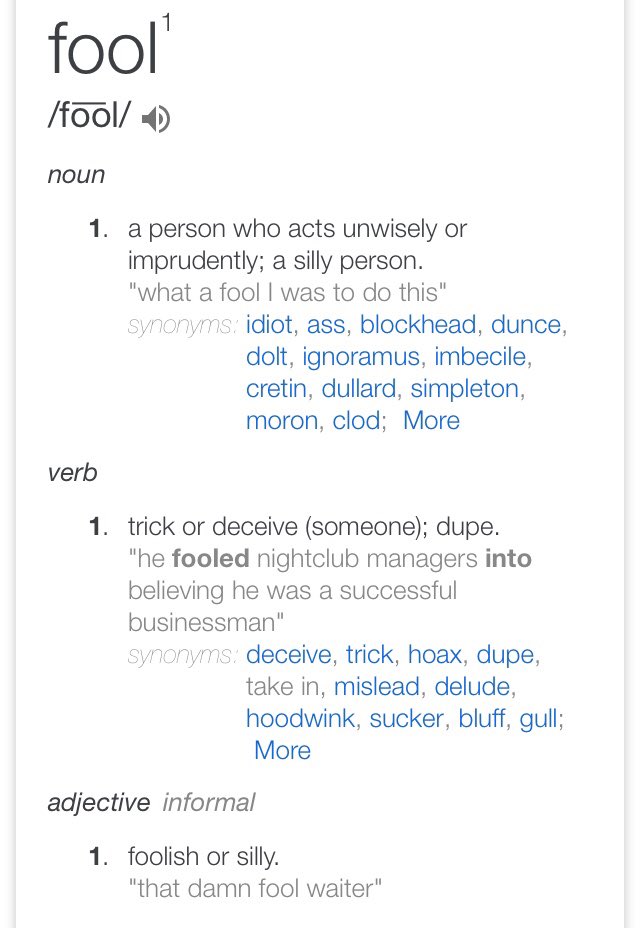
The concept of a “fool” is as old as human civilization, often conjuring images of someone lacking judgment, wisdom, or common sense. While philosophers and poets have debated its nuances for millennia, within the realm of finance, the definition takes on a particularly sharp and often painful clarity. A financial fool isn’t merely someone who makes a mistake; it is someone whose patterns of behavior, decision-making, and emotional responses consistently lead to detrimental outcomes, jeopardizing their present stability and future prosperity. It’s not about lacking intelligence, but rather about a failure to apply rational thought, foresight, and discipline to one’s monetary affairs. In an era of unprecedented financial complexity and opportunity, understanding what defines a financial fool is not merely an academic exercise, but a crucial step towards cultivating financial wisdom.

Beyond Simple Ignorance: The Anatomy of Financial Folly
To truly define a financial fool, we must look beyond mere lack of knowledge. Even the most educated individuals can fall prey to foolish financial decisions. The roots often lie deeper, entrenched in psychological biases, emotional vulnerabilities, and an inherent human tendency to seek shortcuts or immediate gratification.
The Illusion of Control and Overconfidence
One of the most insidious traits defining a financial fool is an exaggerated sense of control and an inflated self-assessment of their financial acumen. This overconfidence leads individuals to believe they can beat the market, time investments perfectly, or predict economic shifts with certainty. They might ignore expert advice, dismiss cautionary signs, or take on excessive risks because they believe their unique insights will shield them from adverse outcomes. This illusion is often reinforced by confirmation bias, where they selectively seek out information that supports their existing beliefs, filtering out contradictory evidence. The market, however, has a humbling way of correcting such hubris, often at great financial cost.
Emotional Investing: Fear, Greed, and FOMO
Emotions are powerful drivers, and in finance, they can be the architect of significant folly. The financial fool often makes decisions not based on data or rational analysis, but on raw feelings. Greed can drive individuals to chase speculative assets, invest in opaque schemes, or take on leverage far beyond their means, all in pursuit of rapid, outsized returns. Conversely, fear can lead to panic selling during market downturns, locking in losses and missing subsequent recoveries. The Fear Of Missing Out (FOMO), amplified by social media and instant information, pushes many to invest in trendy assets or ventures they don’t understand, simply because “everyone else is getting rich.” These emotional impulses short-circuit rational decision-making, leading to impulsive actions that almost invariably erode wealth.
Cognitive Biases: Anchoring, Confirmation, and Sunk Costs
Human psychology is rife with cognitive biases that can lead even intelligent individuals astray. A financial fool often succumbs to these biases without conscious awareness or corrective action. Anchoring bias, for instance, leads them to overly rely on the first piece of information encountered, such as an initial purchase price, regardless of subsequent market changes. Confirmation bias, as mentioned, reinforces existing beliefs, preventing an objective assessment of an investment or financial plan. The sunk cost fallacy is another common trap, where individuals continue to pour money into a failing investment or business venture because of the capital already expended, rather than cutting their losses and moving on. Recognizing and mitigating these inherent psychological quirks is a hallmark of financial wisdom; ignoring them is a characteristic of folly.
Common Pitfalls: Where Financial Fools Stumble
The theoretical underpinnings of financial folly manifest in a range of common, observable behaviors that consistently lead to poor outcomes. These pitfalls are not obscure traps but well-documented routes to financial distress.
The Debt Trap: Consumerism and Credit Mismanagement
Perhaps one of the most direct pathways to financial foolishness is the accumulation and mismanagement of debt. A financial fool often falls prey to instant gratification, using credit to finance a lifestyle beyond their means. This can involve excessive spending on depreciating assets, luxury goods, or experiences, all while accruing high-interest consumer debt. They might ignore minimum payments, roll over balances, or fail to understand the compounding effect of interest, allowing a small debt to balloon into an insurmountable burden. Prioritizing immediate desires over long-term financial health, and treating credit as an extension of income rather than a tool, epitomizes this form of folly.
Speculation Over Investment: Chasing Quick Riches
True investing is about long-term wealth creation, compounding returns, and a disciplined approach to asset allocation based on risk tolerance and financial goals. The financial fool, however, often confuses speculation with investment. They are attracted to get-rich-quick schemes, highly volatile assets, or complex financial products they don’t fully comprehend, believing they can achieve extraordinary returns in short periods. This often involves day trading with insufficient capital, betting on meme stocks without understanding underlying fundamentals, or diving into unvetted cryptocurrency projects based on internet hype. While some might get lucky temporarily, a consistent pattern of high-risk speculation without proper due diligence or risk management is a defining characteristic of financial folly.
Neglecting the Future: The Absence of Planning and Savings
A fundamental aspect of financial wisdom is foresight – planning for future needs, unforeseen emergencies, and long-term goals like retirement. The financial fool, conversely, lives primarily in the present, neglecting to save or plan for what lies ahead. This manifests as a failure to build an emergency fund, contribute to retirement accounts, or adequately save for significant life events such as a down payment on a house or a child’s education. They might rationalize their inaction with excuses like “I’ll start next year” or “I don’t earn enough,” but the reality is a lack of discipline and a failure to prioritize future security. Without a financial plan, one is merely drifting, susceptible to every economic current and unexpected expense.
Falling for Scams: The Allure of Too-Good-To-Be-True
Perhaps the most direct and devastating demonstration of financial folly is falling victim to scams. The financial fool, often driven by desperation, greed, or a lack of skepticism, is susceptible to promises of impossibly high returns with no risk. This includes pyramid schemes, Ponzi schemes, phishing attempts, and various forms of investment fraud. They fail to conduct basic due diligence, ignore red flags, or are simply too trusting when confronted with a persuasive narrative that appeals to their desire for easy wealth. The adage, “If it sounds too good to be true, it probably is,” is a basic tenet of financial wisdom, one that the financial fool consistently overlooks.
The Tangible Costs of Foolish Financial Decisions
The consequences of financial folly are not abstract; they manifest in very real and often devastating ways, impacting not only one’s financial standing but also mental health, relationships, and overall quality of life.
Eroding Wealth and Opportunity Costs

The most immediate and obvious cost of financial foolishness is the erosion of wealth. Bad investments, excessive debt, and missed savings opportunities directly diminish one’s net worth. Beyond direct losses, there’s the significant cost of missed opportunities – the compounding growth that could have been achieved with wise investments, the financial security that an emergency fund provides, or the freedom that comes with being debt-free. These opportunity costs represent the lost potential for a more comfortable and secure future.
Mental and Emotional Burden: Stress and Regret
Living with the consequences of financial folly takes a heavy toll on mental and emotional well-being. The constant stress of debt, the anxiety of an uncertain future, the shame of past mistakes, and the regret of squandered opportunities can lead to significant psychological distress. This burden can impact sleep, concentration, and overall happiness, creating a vicious cycle where poor emotional states further impair judgment, leading to more financial mistakes.
Impact on Relationships and Social Standing
Financial issues are a leading cause of stress in relationships, often leading to arguments, mistrust, and even divorce. A financial fool’s habits can strain family bonds, create resentment among partners, and even damage friendships if money is borrowed and not repaid. Furthermore, chronic financial instability can impact one’s social standing, limiting opportunities and fostering a sense of isolation or inadequacy.
Cultivating Financial Wisdom: A Path Away from Folly
Recognizing the traits of a financial fool is the first step; the next is actively pursuing financial wisdom. This path requires a conscious commitment to learning, discipline, and a willingness to challenge one’s own biases.
The Power of Education and Continuous Learning
Financial wisdom begins with education. This doesn’t necessarily mean formal schooling, but rather a commitment to understanding basic financial principles: budgeting, saving, investing fundamentals, debt management, and risk assessment. Reading reputable financial literature, following trusted financial advisors, and continuously learning about economic trends and investment vehicles are essential. An informed individual is far less likely to be swayed by hype or fall for scams.
Building Discipline and Delayed Gratification
Overcoming financial folly largely hinges on cultivating discipline and the ability to delay gratification. This means making conscious choices to save before spending, prioritizing long-term goals over immediate desires, and sticking to a budget even when temptations arise. Developing habits like automated savings, regular investment contributions, and mindful spending can transform one’s financial trajectory.
Seeking Expert Advice and Diverse Perspectives
While overconfidence is a hallmark of folly, humility is a cornerstone of wisdom. A financially wise individual understands their limitations and is willing to seek advice from qualified financial professionals. They also listen to diverse perspectives, critically evaluating information rather than relying solely on their own biases or echo chambers. A good advisor can provide objective insights, help create a personalized financial plan, and act as a valuable sounding board.
Embracing Prudence and Risk Management
Financial wisdom involves a balanced approach to risk. It’s not about avoiding risk entirely, but about understanding, assessing, and managing it prudently. This means diversifying investments, maintaining appropriate insurance coverage, and having contingency plans for unexpected events. It’s about taking calculated risks aligned with one’s goals and risk tolerance, rather than making impulsive, high-stakes bets.
The Modern Fool: Navigating the Digital Financial Landscape
The digital age has introduced new dimensions to financial folly, presenting novel traps and amplifying existing ones. The speed and accessibility of information, coupled with the proliferation of new financial products, demand an even greater degree of discernment.
Crypto Hype and Unvetted Digital Assets
The rise of cryptocurrencies and other digital assets has opened new avenues for both legitimate innovation and speculative foolishness. While blockchain technology holds promise, the volatile and often unregulated nature of many digital assets makes them fertile ground for financial folly. The modern fool might blindly invest in meme coins, unvetted NFTs, or obscure altcoins based purely on social media hype, a fear of missing out, or the promise of unprecedented returns, without understanding the underlying technology, market dynamics, or inherent risks. This often leads to significant losses when the bubble bursts or the project fails.
Online Scams and Phishing in the Digital Age
The internet has become a breeding ground for sophisticated scams. Phishing emails, fake websites, social engineering tactics, and fraudulent investment platforms are constantly evolving. The digital financial fool is particularly vulnerable to these because they might lack digital literacy, disregard security warnings, or be too quick to click on suspicious links or provide personal information online. The ease with which scammers can create convincing facades means that vigilance and skepticism are more crucial than ever.
The Gamification of Investing and Trading
Modern trading platforms, with their user-friendly interfaces, instant execution, and social features, have effectively “gamified” investing. While this has lowered barriers to entry, it can also encourage impulsive, speculative behavior reminiscent of gambling. The financial fool might treat their investment portfolio like a video game score, making frequent trades based on short-term price movements rather than long-term strategic planning. This gamified approach often divorces the act of investing from its underlying purpose of wealth creation, leading to high transaction costs and suboptimal returns.
In conclusion, the definition of a financial fool is not simply one who lacks intelligence, but one who consistently demonstrates a deficit in judgment, discipline, foresight, and emotional control when it comes to money. It is an individual susceptible to biases, immediate gratification, and the allure of easy wealth, often at the expense of long-term security and peace of mind. While the specific manifestations of folly evolve with economic landscapes and technological advancements, the core behavioral patterns remain constant. By understanding these defining traits, individuals can embark on a deliberate journey towards cultivating financial wisdom, making informed decisions that pave the way for a stable, prosperous, and secure future.
aViewFromTheCave is a participant in the Amazon Services LLC Associates Program, an affiliate advertising program designed to provide a means for sites to earn advertising fees by advertising and linking to Amazon.com. Amazon, the Amazon logo, AmazonSupply, and the AmazonSupply logo are trademarks of Amazon.com, Inc. or its affiliates. As an Amazon Associate we earn affiliate commissions from qualifying purchases.