
The term “Third World country” is a relic of a bygone geopolitical era, carrying connotations that are increasingly outdated and often misleading. Originally, it emerged from the Cold War context to categorize nations not aligned with either the First World (capitalist democracies) or the Second World (communist bloc). However, as the global landscape has dramatically shifted, so too has the understanding and utility of this terminology. Today, while the phrase might still be heard in casual conversation, its strict historical definition offers little insight into the complex realities of global development. Instead, a more nuanced understanding requires us to examine factors like economic development, technological advancement, and the quality of life enjoyed by citizens. This exploration will delve into the evolution of the term, its limitations, and what it truly signifies in the 21st century, drawing parallels with the interconnected domains of technology, branding, and finance that shape modern nations.
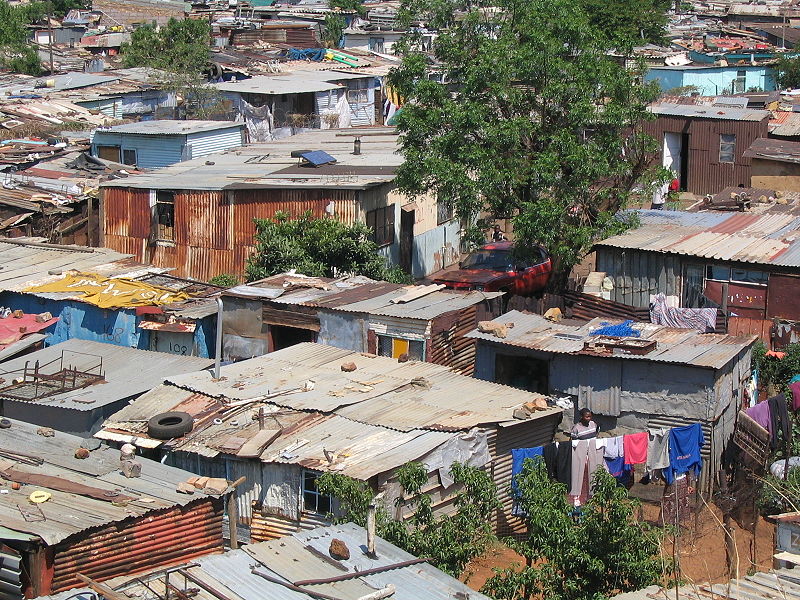
The Cold War Origins and the Shifting Landscape
The Geopolitical Divide: First, Second, and Third Worlds
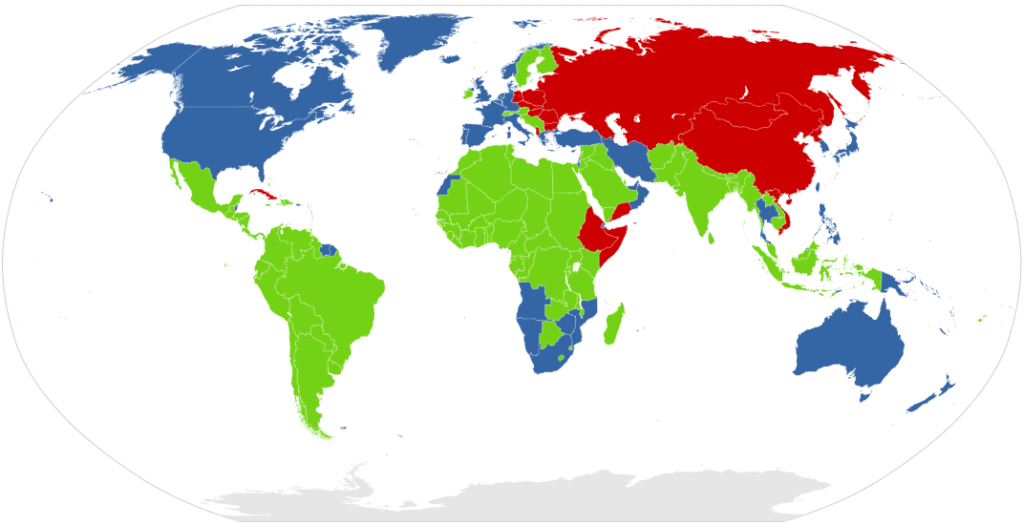
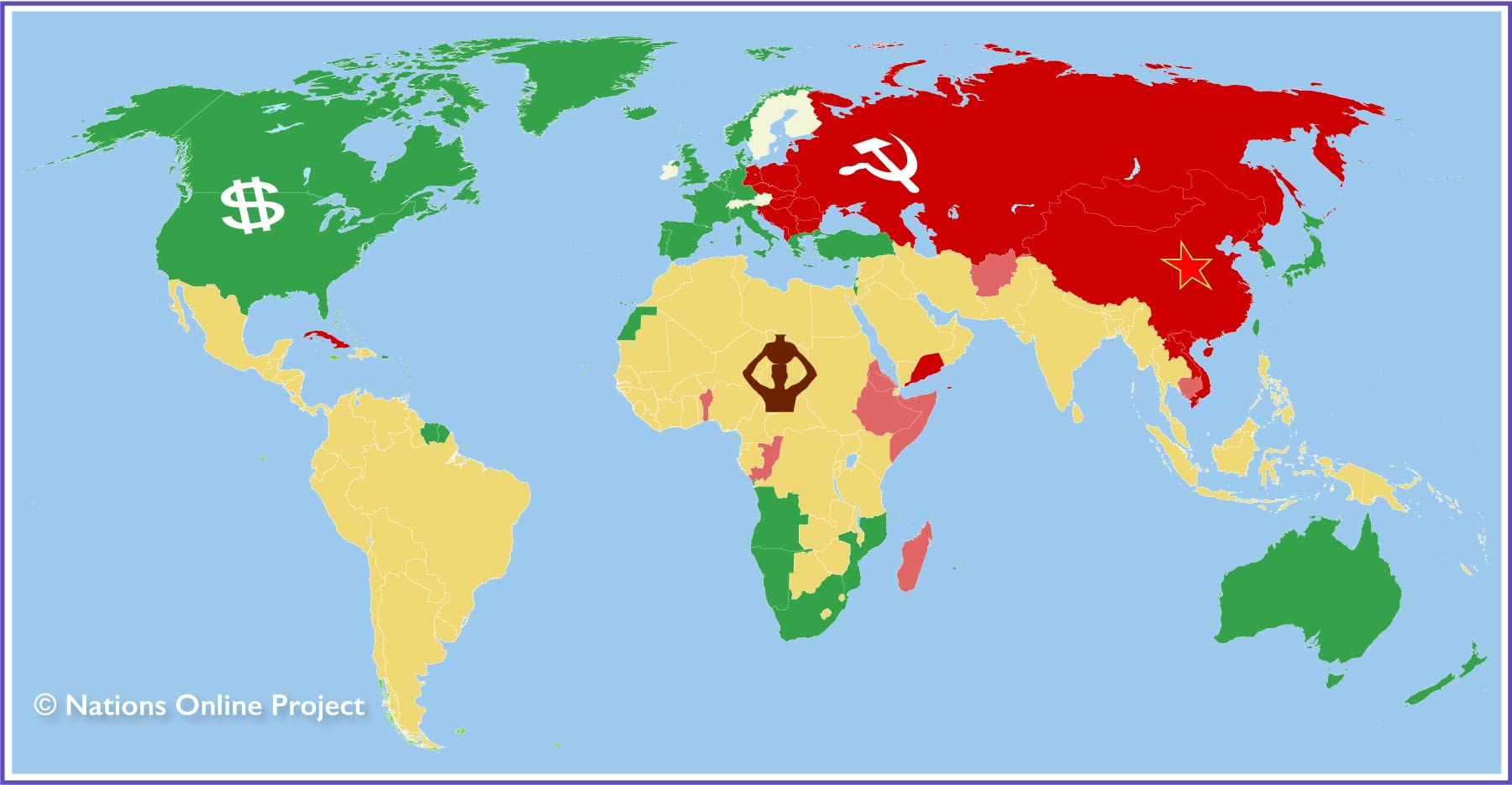
To understand why “Third World country” is problematic today, we must first grasp its historical origins. The term gained prominence during the Cold War, a period of intense ideological and political rivalry between the United States and the Soviet Union. This era saw the world bifurcated into distinct blocs:
- The First World: Comprised of capitalist, democratic nations, primarily Western Europe and North America, closely allied with the United States. These nations generally enjoyed high levels of economic development, industrialization, and technological advancement.
- The Second World: Encompassed the communist and socialist states, led by the Soviet Union, including Eastern Europe and parts of Asia. While they pursued their own models of development, they were characterized by centrally planned economies and a distinct political ideology.
- The Third World: This category was a catch-all for nations that did not align with either the First or Second World. Many of these were newly independent former colonies in Asia, Africa, and Latin America. Their political alignments were often non-aligned, seeking to chart their own course free from superpower influence. Economically, they often faced significant challenges, including underdevelopment, poverty, and reliance on agriculture.
It’s crucial to note that “Third World” was not initially a judgment on economic status, but rather a geopolitical classification. However, over time, the term became conflated with economic underdevelopment and poverty, leading to its common modern interpretation.
The Dissolution of the Second World and the Rise of Globalization
The fall of the Berlin Wall in 1989 and the subsequent collapse of the Soviet Union in 1991 marked the end of the Cold War and, consequently, the dissolution of the Second World. This geopolitical realignment rendered the original tripartite classification largely obsolete. Many former Second World nations transitioned to market economies, some joining Western alliances and others forging new paths.
Simultaneously, the forces of globalization accelerated. Increased interconnectedness through trade, communication, and travel blurred many of the distinctions that once defined these “worlds.” Technology, in particular, began to play a transformative role, democratizing access to information and fostering new economic opportunities across the globe. This era necessitated a re-evaluation of how we categorize and understand the development status of nations.
Beyond the Cold War: Rethinking Development Metrics
As the geopolitical rationale for “Third World” faded, the term’s continued use became increasingly problematic. It carried a patronizing and often pejorative tone, implying a static state of inferiority. Development experts and international organizations began to advocate for more precise and objective measures of a nation’s progress. This led to the development of new frameworks that focus on a broader spectrum of indicators.
Economic Development: From GDP to Holistic Indicators
Traditionally, economic development was often measured solely by Gross Domestic Product (GDP). While GDP remains an important metric, it fails to capture the nuances of economic well-being and distribution of wealth within a country. A high GDP could mask significant income inequality, poverty, and lack of access to essential services for large segments of the population.
Modern approaches to economic development consider a more holistic set of indicators, including:
- Gross National Income (GNI) per capita: A more comprehensive measure than GDP, as it includes income earned by residents from overseas investments.
- Income Inequality (Gini Coefficient): Measures how evenly income is distributed across a population. A lower Gini coefficient indicates greater equality.
- Poverty Rates: Tracking the percentage of the population living below a certain income threshold.
- Economic Diversification: The extent to which an economy relies on a variety of industries rather than a single commodity. Nations with diversified economies are often more resilient to global market fluctuations.
- Ease of Doing Business: An indicator of how conducive a country’s regulatory environment is to starting and running businesses, impacting investment and job creation.
Technological Advancement: Bridging the Digital Divide
Technology is a powerful engine of development in the 21st century. Access to and adoption of technology significantly impacts a nation’s economic competitiveness, educational opportunities, and overall quality of life. The “digital divide” – the gap between those who have access to modern information and communication technology and those who do not – is a critical indicator of a nation’s developmental status.
Key technological indicators include:
- Internet Penetration and Broadband Access: The percentage of the population with reliable internet access, crucial for education, commerce, and information dissemination.
- Mobile Phone Subscriptions: A widespread indicator of communication accessibility, especially in regions where fixed-line infrastructure is less developed.
- Digital Literacy and Skills: The ability of the population to effectively use digital tools and technologies. This is vital for workforce development and innovation.
- Investment in Research and Development (R&D): Nations that invest heavily in R&D are more likely to be at the forefront of technological innovation and economic growth.
- Adoption of Emerging Technologies: The extent to which AI, cloud computing, and other advanced technologies are integrated into businesses and public services.
Human Development and Quality of Life
Perhaps the most critical aspect of development lies in the well-being and quality of life of a nation’s citizens. This encompasses not just economic prosperity but also health, education, and overall societal progress. The Human Development Index (HDI), developed by the United Nations Development Programme (UNDP), is a widely recognized composite statistic that captures these dimensions.
The HDI considers three key dimensions:
- A Long and Healthy Life: Measured by life expectancy at birth.
- Access to Knowledge: Measured by mean years of schooling and expected years of schooling.
- A Decent Standard of Living: Measured by GNI per capita.
Countries are then categorized into “very high human development,” “high human development,” “medium human development,” and “low human development.” This classification offers a more nuanced understanding of a nation’s progress than simply its economic output.
The Limitations of the “Third World” Label and Modern Alternatives
The enduring legacy of the “Third World” label is its tendency to homogenize diverse experiences and overlook significant progress. Many countries once categorized as “Third World” have experienced remarkable economic growth and technological advancement, becoming significant players on the global stage. For instance, nations in East Asia have transformed their economies and are now leaders in various technological sectors.
Moving Towards More Descriptive Terminology
Given these shifts, development discourse has largely moved away from the outdated “First,” “Second,” and “Third World” paradigm. Instead, more descriptive and accurate terms are employed:
- Developing Countries: This broad term generally refers to nations with lower levels of economic development, but it’s increasingly seen as too simplistic.
- Emerging Economies: This term is often used for countries that are experiencing rapid economic growth and industrialization, and are integrating more into the global economy. Examples include BRICS nations (Brazil, Russia, India, China, and South Africa) and others in Southeast Asia, Latin America, and Eastern Europe.
- Least Developed Countries (LDCs): A specific category designated by the United Nations for countries facing the most severe structural impediments to sustainable development. These countries typically exhibit low income, human resource weaknesses, and high economic vulnerability.
- Low-Income, Middle-Income, and High-Income Countries: These classifications, based on GNI per capita thresholds set by the World Bank, provide a more granular economic perspective.
The Role of Brand and Reputation in National Development
In today’s interconnected world, a nation’s “brand” and global reputation play an increasingly significant role in its development. Just as corporations invest in building strong brands to attract customers and talent, nations can leverage their unique attributes to attract foreign investment, tourism, and skilled migration.
- Brand Strategy for Nations: This involves identifying a country’s core strengths, values, and unique selling propositions. It can range from highlighting technological innovation and educational excellence to showcasing cultural heritage and natural beauty.
- Corporate Identity and Global Perception: A nation’s ability to foster a positive and trustworthy global image can influence everything from trade agreements to international aid.
- Reputation Management: Proactive efforts to address negative perceptions and highlight progress are crucial for attracting global opportunities. Countries that are perceived as stable, innovative, and good places to invest or visit are more likely to thrive.
Conclusion: Embracing Nuance in a Globalized World
The definition of a “Third World country” is a concept rooted in a historical context that no longer accurately reflects the complexities of global development. While the term might persist in colloquial use, it is essential to recognize its limitations and embrace more contemporary and precise language.
Today, understanding a nation’s development status requires a multi-faceted approach that considers economic indicators beyond simple GDP, assesses technological adoption and infrastructure, and prioritizes human development and the overall quality of life for its citizens. Furthermore, the evolving influence of national branding and global reputation underscores the interconnectedness of economic, technological, and social progress.
As we navigate the 21st century, a nuanced understanding of global development, free from outdated labels, allows us to better appreciate the diverse paths nations are forging and to foster a more equitable and prosperous world for all. The focus should be on recognizing progress, supporting ongoing development efforts, and fostering collaboration rather than relying on simplistic and often misleading historical classifications.
aViewFromTheCave is a participant in the Amazon Services LLC Associates Program, an affiliate advertising program designed to provide a means for sites to earn advertising fees by advertising and linking to Amazon.com. Amazon, the Amazon logo, AmazonSupply, and the AmazonSupply logo are trademarks of Amazon.com, Inc. or its affiliates. As an Amazon Associate we earn affiliate commissions from qualifying purchases.