
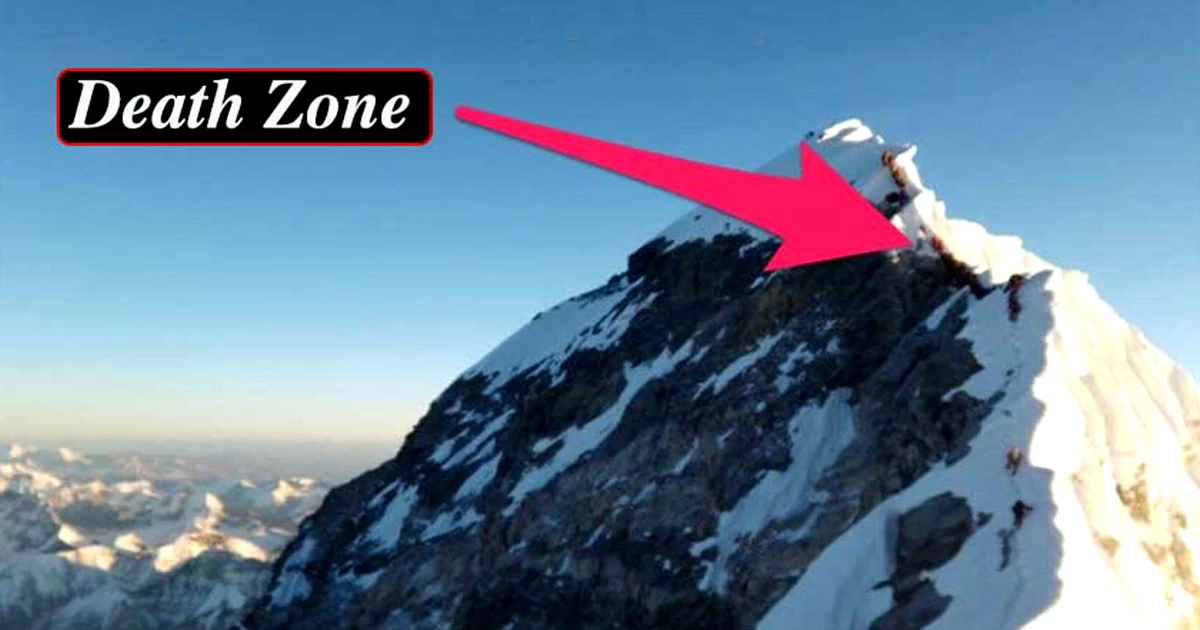
The phrase “Death Zone” on Mount Everest evokes images of extreme peril and the ultimate test of human endurance. While primarily a physiological and geographical designation, this infamous region also represents the apex of financial investment and risk within the world of high-altitude mountaineering. Far from being merely a physical barrier, the Death Zone—typically defined as altitudes above 8,000 meters (approximately 26,000 feet)—is a crucible where the monetary stakes are highest, the economic models are specialized, and the potential returns, both financial and personal, are meticulously calculated against the gravest of costs. Understanding the Death Zone from a financial perspective reveals a complex interplay of investment, specialized services, insurance, and economic impact, all centered around an environment designed to push human limits and drain resources.

The Ultimate Financial Frontier: Accessing Everest’s Peril
Reaching the Death Zone on Mount Everest is not just an athletic feat; it’s an incredibly expensive undertaking. The financial commitment begins long before a climber ever sets foot on the icefall, establishing Everest as arguably the most costly adventure sport in the world. Every aspect of an expedition to these altitudes carries a significant price tag, reflecting the extreme logistical challenges and inherent dangers.
Permit Costs and Expeditions: The Entry Fee to Extreme Risk
The most fundamental financial hurdle for any Everest aspirant is the climbing permit itself. Issued by the Nepali government (or the Chinese government for the North Face), these permits alone can cost anywhere from $11,000 to $15,000 per person. This fee is a direct revenue stream for the host nations, contributing to their national economies while granting access to the world’s highest peak. Beyond the permit, climbers must engage with expedition operators. These companies manage the vast logistical network required for a successful climb, from establishing base camp to fixing ropes and providing oxygen. A full-service guided expedition can cost between $45,000 and $160,000, depending on the operator’s reputation, services offered, and level of support (e.g., private guides, one-to-one Sherpa ratios). This comprehensive fee typically covers:
- Logistics and Infrastructure: Transportation, tents, communication equipment, and the massive amount of food and fuel required for weeks at high altitude.
- Medical Support: Doctors, medical supplies, and emergency evacuation plans, often involving expensive helicopter services.
- Environmental Fees: Contributions towards waste management and cleaning efforts on the mountain.
- Oxygen Supplies: Critical for survival in the Death Zone, these are expensive, heavy, and require careful management and transport. Each bottle can cost hundreds of dollars, and a climber might use many throughout their summit push.
Gear Investment: Equipping for Survival
Beyond expedition fees, a climber’s personal gear represents a substantial investment. The specialized equipment necessary to withstand the brutal conditions of the Death Zone is engineered for extreme performance and durability, driving up costs significantly.
- High-Altitude Suits: Full down suits designed for temperatures far below freezing can cost upwards of $1,500-$2,500.
- Boots: Double or triple-insulated mountaineering boots, essential for preventing frostbite, range from $1,000-$2,000.
- Technical Equipment: Ice axes, crampons, harnesses, helmets, and ropes add hundreds to thousands of dollars to the budget.
- Oxygen Systems: While often included in expedition costs, personal masks, regulators, and a dedicated oxygen system for summit day can be additional expenses or specific upgrades.
- Communication Devices: Satellite phones and GPS trackers are vital for safety and cost several hundred to over a thousand dollars.
The aggregate cost for personal gear can easily reach $10,000-$20,000, ensuring climbers are equipped to survive, if not thrive, in the thin air and brutal cold of the upper mountain.
Economic Ecosystems in the Extreme: Guiding and Support
The Death Zone’s financial landscape is deeply intertwined with the specialized economic ecosystem that has evolved around Everest expeditions. At its heart are the Sherpa people and the commercial guiding companies, whose livelihoods are inextricably linked to the flow of climbers and the inherent risks of the high mountains.
The Sherpa Economy: Risk, Reward, and Reliance
Sherpas are the backbone of the Everest climbing industry. They perform the most arduous and dangerous tasks, from hauling gear and supplies through the treacherous Khumbu Icefall to fixing ropes and guiding clients to the summit. Their expertise, strength, and acclimatization are invaluable, and their services come at a significant financial premium, reflecting the risks they undertake.
- Wages: A climbing Sherpa can earn between $3,000 and $10,000 per expedition, a substantial income in a country where the average annual income is far lower. Elite Sherpas, who lead summit pushes and take on extraordinary risks, command higher wages and often receive bonuses for successful summits.
- Insurance: Recognizing the extreme dangers, many expedition companies now provide life insurance and medical coverage for their Sherpa staff, though the adequacy of these policies is a frequent topic of debate. The financial security offered by these wages and benefits is a powerful incentive, but it also highlights the reliance of local communities on the high-risk mountaineering economy.
- Investment in Skills: Many Sherpas invest in training, equipment, and personal development to enhance their value in the expedition market, further integrating them into the financial fabric of Everest climbing.
Commercial Expeditions: Business Models of High-Altitude Logistics
Commercial expedition companies operate sophisticated business models designed to manage the immense logistical and financial complexities of Everest climbs. They are essentially high-altitude project management firms, meticulously planning every detail to maximize safety and summit success while ensuring profitability.
- Market Segmentation: Operators cater to various segments, from budget-conscious climbers to those seeking luxurious, highly supported experiences, each with distinct pricing structures.
- Risk Management: A significant portion of expedition fees is allocated to risk management, including weather forecasting services, emergency medical personnel, and contingency plans for rescues. The implicit understanding is that clients are paying for a professional service that endeavors to mitigate the extreme risks of the Death Zone, though never eliminate them.
- Brand and Reputation: The financial success of these companies is heavily dependent on their reputation for safety and success. A strong brand allows them to command higher prices and attract more clients, creating a competitive market where experience is highly valued.
Insuring Against the Inevitable: Financial Protection in the Death Zone
The inherent dangers of the Death Zone—high risk of frostbite, cerebral or pulmonary edema, exhaustion, and falls—make specialized insurance a critical, albeit expensive, component of any Everest expedition. This financial safety net attempts to mitigate the devastating economic consequences of accidents or fatalities in such an unforgiving environment.

Specialized Insurance Policies: The Price of Mitigating Catastrophe
Standard travel insurance policies rarely cover high-altitude mountaineering, particularly above 6,000 meters. Climbers must purchase specialized policies that specifically cover activities in the Death Zone. These policies are complex and costly, reflecting the actuarial risk involved.
- Medical Evacuation: This is often the most expensive component, as helicopter rescues from high camps can cost tens of thousands of dollars. The insurance must cover the logistics of getting a critically injured climber off the mountain, often under extreme weather conditions.
- Medical Treatment: Coverage for emergency medical care, hospitalization, and potential long-term rehabilitation for injuries like frostbite or altitude sickness.
- Life Insurance: Policies that provide a payout to beneficiaries in the event of a climber’s death on the mountain. The premiums are significantly higher than standard life insurance due to the extreme risk.
The cost of comprehensive high-altitude insurance can range from $2,000 to $10,000 or more, adding another layer to the substantial financial outlay required for an Everest attempt.
The Cost of Rescue and Recovery: Unforeseen Expenditures
Even with insurance, the financial burden of a rescue or recovery operation in the Death Zone can be astronomical. When a climber falls ill or is injured above Camp IV, moving them down often requires multiple Sherpas, specialized equipment, and potentially a high-altitude helicopter long-line rescue, which is incredibly difficult and dangerous.
- Search and Rescue Operations: If a climber goes missing, search efforts can quickly escalate in cost, with teams of Sherpas deployed at great risk.
- Body Recovery: The decision to recover a body from the Death Zone is not only logistically complex but also ethically and financially charged. It is extremely dangerous and expensive, often costing $30,000-$70,000 or more. Many bodies remain on the mountain because of these prohibitive costs and risks. The financial planning for such eventualities is a grim but necessary consideration for climbers and their families.
The ROI of Summiting: Beyond Personal Glory
While the primary motivation for most climbers is personal achievement, summiting Everest, especially through the Death Zone, can translate into tangible financial returns for a select few. The investment in an Everest expedition can, in rare cases, yield a return far beyond personal satisfaction.
Sponsorships and Endorsements: Monetizing Achievement
Successful Everest summiteers, particularly those who achieve records or overcome significant challenges, can attract sponsorships and endorsement deals. Brands in the outdoor industry, adventure travel, and even corporate sectors seek to align themselves with individuals who embody resilience, courage, and peak performance.
- Gear Sponsorships: Providing free equipment or financial support in exchange for product promotion.
- Media Deals: Selling stories, photos, or video footage to publications, documentaries, or television networks.
- Brand Ambassadorships: Long-term partnerships that leverage the climber’s reputation for marketing campaigns.
These opportunities allow some climbers to partially or fully offset the immense costs of their expeditions, transforming a personal quest into a monetized brand.
Post-Climb Opportunities: Speakers, Books, and Brand Building
The narrative of conquering Everest and surviving the Death Zone is a powerful commodity. Many successful climbers leverage their experiences to build personal brands and generate income through:
- Motivational Speaking Engagements: Sharing their stories with corporate audiences, educational institutions, and public events, often commanding substantial fees.
- Book Deals and Media Appearances: Publishing memoirs, contributing to articles, and appearing on television or podcasts, which can lead to royalties and speaking invitations.
- Guiding and Consultancy: Using their unparalleled experience to lead future expeditions, train aspiring mountaineers, or consult on extreme environments.
The “return on investment” for an Everest summit, while intangible in personal growth, can thus include a measurable financial component, transforming the climber into an expert, an influencer, and a valuable brand.
Long-Term Financial Implications: The Human Cost and Economic Ripple
The financial impact of the Death Zone extends beyond expedition costs and insurance. It encompasses the long-term human cost, the economic stability of local communities, and the broader financial health of the mountaineering industry.
Healthcare and Rehabilitation: Hidden Post-Expedition Expenses
Survivors of severe high-altitude incidents often face significant long-term health challenges, requiring extensive and costly medical care. Frostbite, in particular, can lead to amputations and prolonged rehabilitation, incurring substantial financial burdens that may or may not be fully covered by initial insurance policies. The long-term healthcare costs represent a hidden financial layer of attempting to conquer the Death Zone.
The Economic Impact on Local Communities
While the risks are extreme, the economic contribution of Everest expeditions to the local Sherpa communities and the Nepali economy is undeniable. Tourism, driven heavily by mountaineering, creates jobs, supports local businesses, and injects foreign currency. However, this reliance also creates economic vulnerability. Tragedies in the Death Zone, or political instability, can lead to a sharp decline in expeditions, devastating the livelihoods of thousands. The financial decisions made by climbers and expedition companies in navigating the Death Zone directly influence the economic well-being of an entire region.
In conclusion, the Death Zone on Mount Everest is more than just a geographic boundary of extreme physiological challenge; it is a complex financial ecosystem. Every ascent involves meticulous calculations of investment, risk management, and potential return. From permit fees and gear purchases to the wages of Sherpas and the vast costs of insurance and rescue, money permeates every aspect of operating in this most extreme environment. Understanding the Death Zone through this financial lens reveals the sophisticated economic machinery that allows humans to push the limits of survival, where the ultimate prize is often a blend of personal triumph and a highly calculated monetary exchange.
aViewFromTheCave is a participant in the Amazon Services LLC Associates Program, an affiliate advertising program designed to provide a means for sites to earn advertising fees by advertising and linking to Amazon.com. Amazon, the Amazon logo, AmazonSupply, and the AmazonSupply logo are trademarks of Amazon.com, Inc. or its affiliates. As an Amazon Associate we earn affiliate commissions from qualifying purchases.