
The Dawes Roll represents a pivotal, yet often misunderstood, historical document with profound and lasting financial and economic implications for Native American tribes and their descendants. Far more than just a list of names, the Dawes Roll, officially known as “The Final Rolls of Citizens and Freedmen of the Five Civilized Tribes in Indian Territory,” was the culmination of the Dawes Act of 1887 and the subsequent work of the Dawes Commission between 1898 and 1907. Its primary function was to identify individuals deemed eligible for land allotments from the tribal lands of the Cherokee, Choctaw, Chickasaw, Creek, and Seminole Nations in what was then Indian Territory (present-day Oklahoma).

While seemingly an administrative task, the creation of the Dawes Roll was intrinsically linked to a larger federal policy aimed at dissolving communal tribal land ownership in favor of individual private property, a move heavily driven by economic motivations and the desire to open up “surplus” tribal lands to non-Native settlement and resource exploitation. Understanding the Dawes Roll is therefore essential for comprehending the historical foundations of wealth distribution, land tenure, and economic development within these tribal nations, and its continuing resonance in personal finance, inheritance, and tribal economic strategy today.
The Historical Context and its Economic Roots
To fully grasp the financial significance of the Dawes Roll, one must look back at the economic philosophy that underpinned its creation: the push for individual land ownership and assimilation as a pathway to “civilization” and, critically, to unlock vast land resources for economic development by non-Native entities.
The Allotment Era and its Financial Motivations
The late 19th century witnessed a significant shift in U.S. federal Indian policy, moving from treaty-making and removal to a strategy of “allotment.” The General Allotment Act (Dawes Act) of 1887 was a landmark piece of legislation designed to break up tribally held reservations into individual parcels of land. The rationale put forth by proponents was that private property ownership would integrate Native Americans into mainstream American society, fostering individualism, farming, and capital accumulation.
However, beneath this veneer of benevolent assimilation lay powerful economic drivers. The U.S. government and various non-Native interests coveted the rich agricultural lands, timber, and mineral resources (especially oil and gas) within tribal territories. By allotting land to individual tribal members, the government could declare the remaining “surplus” lands as available for purchase by non-Native settlers, railroads, and corporations. This process effectively dispossessed tribes of millions of acres, converting communally held assets into privately owned, taxable property, thereby fueling regional economic growth for the surrounding non-Native population. The Dawes Roll was the instrument through which this allocation of a primary financial asset – land – was executed.
The Dawes Commission’s Mandate and Economic Goals
The Dawes Commission, established in 1893, was tasked with negotiating with the Five Civilized Tribes, who were initially exempt from the General Allotment Act due to their prior treaties. The Commission’s mandate was to persuade these tribes to agree to allotment, dissolve their tribal governments, and prepare for statehood (Oklahoma joined the Union in 1907). A critical step in this process was the creation of the “Final Rolls.”
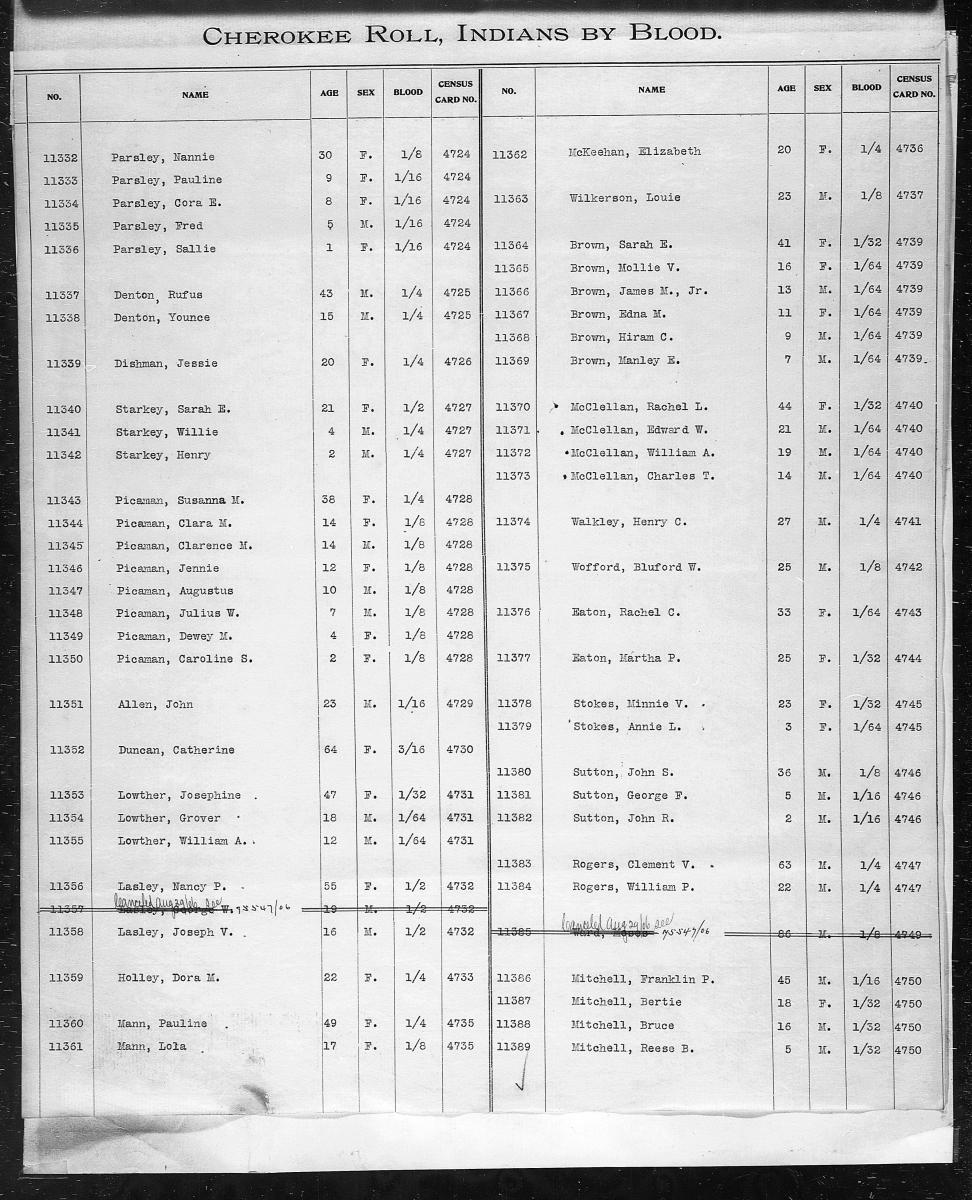
The Commission’s work was painstaking and often fraught with controversy. Its economic goals were clear: to identify every individual deemed a “citizen” of these tribes who would receive a land allotment, thereby establishing a basis for property transfer and taxation. The rolls meticulously recorded names, ages, gender, and blood quantum (though not always accurately or consistently), which later became a crucial, and often contested, factor in determining not just land rights but also eligibility for various federal programs, resource distributions, and ultimately, tribal membership criteria for financial and cultural benefits. The act of enrollment on the Dawes Roll was a direct precursor to receiving a significant financial asset: a tract of land.
Economic Implications for Enrollees and Tribal Nations
The immediate and long-term economic consequences of the Dawes Roll were transformative, fundamentally altering traditional economies and setting the stage for contemporary financial structures within these tribal communities.
Land Allotment and the Shift to Individual Ownership
For individuals enrolled on the Dawes Roll, the primary direct financial consequence was the receipt of a land allotment. Each eligible individual typically received a certain acreage, often around 160 acres for agricultural land, with additional smaller parcels for homesteads. This marked a radical departure from traditional communal land ownership, where land was a shared resource. Suddenly, individuals held legal title to specific plots, which could be leased, sold (albeit initially with federal restrictions), or inherited.
While seemingly a grant of wealth, many allottees lacked the capital, tools, or knowledge to profitably farm their new individual plots. Furthermore, due to manipulative practices, outright fraud, and the imposition of property taxes they couldn’t afford, a significant portion of allotted lands quickly passed out of Native American hands, often for a fraction of their true value. This mass transfer of land wealth dramatically diminished the asset base of tribal members and reduced the overall economic potential of tribal nations.
Resource Management and Wealth Generation
Beyond surface land, the Dawes Roll also impacted subsurface mineral rights, particularly for oil and gas. In some cases, mineral rights were allotted along with the surface land; in others, they were reserved for the tribe. The discovery of vast oil reserves in Oklahoma shortly after allotment meant that some allottees, or their heirs, became suddenly wealthy from oil royalties, while others received nothing. This created significant disparities in wealth within and between tribal communities, establishing a complex legacy of resource-based income that continues to shape personal and tribal finances today.
The management of these resources, whether by individual allottees, their heirs, or tribal governments, became a critical aspect of wealth generation. The income streams from oil and gas leases, timber sales, and agricultural rents became cornerstones of some tribal economies, leading to the development of tribal enterprises and, in some instances, per capita payments to members.
The Long-Term Economic Impact on Indigenous Communities
The Dawes Roll’s legacy is evident in the ongoing economic challenges and triumphs of the Five Civilized Tribes. The fragmentation of communal lands hampered large-scale tribal economic development for decades. The loss of land base through sale and taxation reduced the potential for generating revenue through land-based industries. Moreover, the creation of “fractionated interests” – where a single land allotment is divided among numerous heirs over generations – has created complex and often economically unviable ownership structures, making it difficult to utilize or sell land efficiently. This issue continues to present significant financial challenges and opportunities for legal and economic resolution.
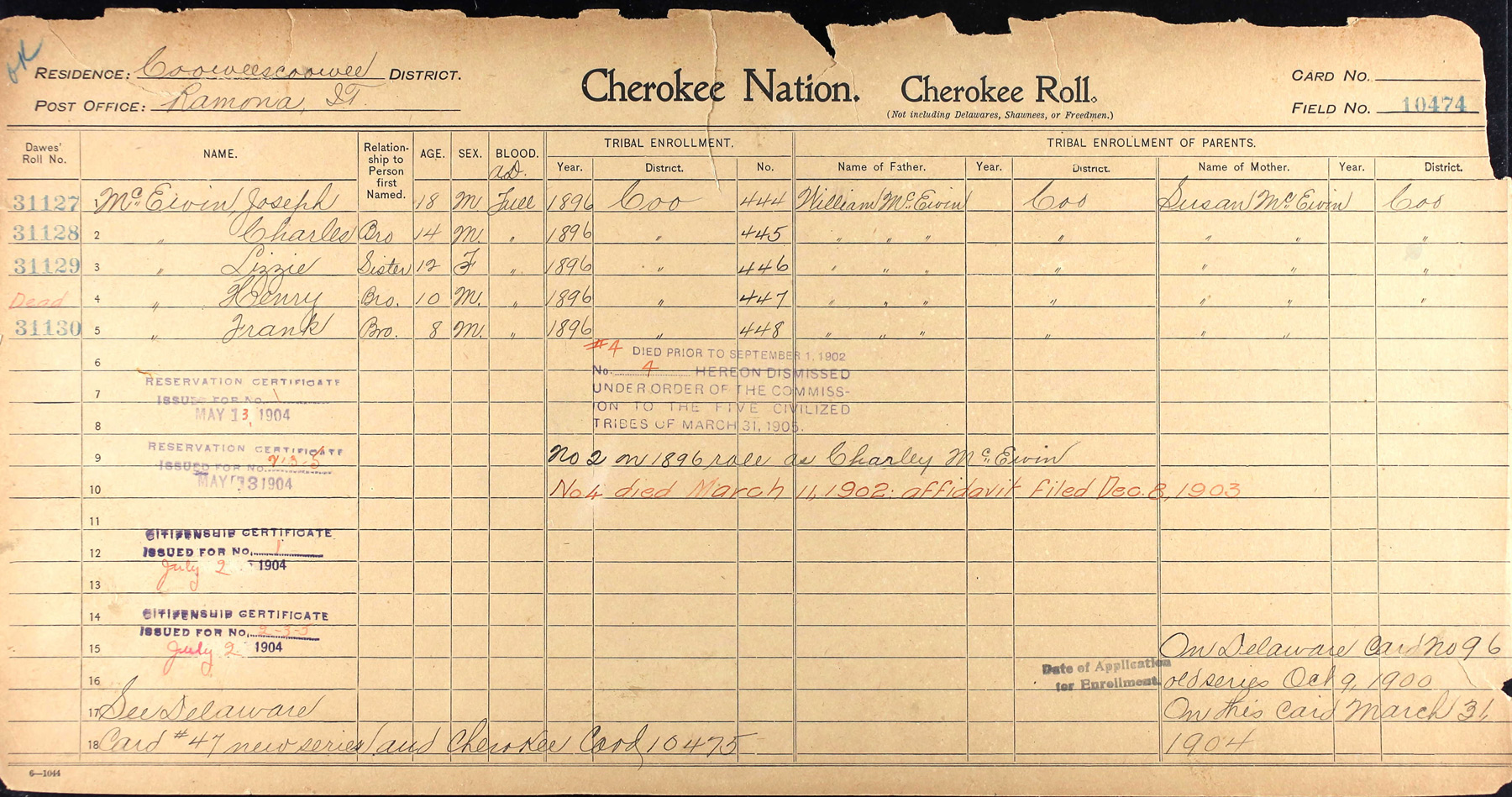
Conversely, the establishment of a fixed roll of citizens also provided a clear foundation for tribal governments to define their populations for modern economic planning, federal program eligibility, and the distribution of current and future tribal revenues from enterprises like gaming, resource development, and federal contracts.
Navigating the Dawes Roll for Modern Financial Connections
In the 21st century, the Dawes Roll remains a crucial reference point for individuals and tribal nations, particularly concerning matters of ancestry, property rights, and economic participation.
Proving Ancestry and Accessing Tribal Benefits
For individuals seeking to prove their ancestry and establish tribal membership with one of the Five Civilized Tribes, the Dawes Roll is often the starting point. Tracing one’s lineage back to an enrolled ancestor is a fundamental requirement for many tribes. Tribal membership, in turn, can unlock a range of financial benefits, including educational scholarships, healthcare programs, housing assistance, cultural grants, and per capita distributions from tribal enterprises. These benefits represent tangible financial support that directly impacts personal finance and economic well-being.
The process of “proving up” ancestry can be complex, often requiring genealogical research through historical records, including birth certificates, death certificates, and marriage licenses, to connect contemporary individuals to their Dawes Roll ancestors. This research can have direct financial implications as it determines eligibility for resources and opportunities.
Land Claims, Inheritances, and Property Rights
The Dawes Roll continues to be central to land claims and inheritance matters. Descendants of allottees may inherit fractional interests in lands that were originally allotted. Understanding these complex property rights, including mineral rights, requires detailed knowledge of the original allotments, subsequent probates, and land transfers. The financial value of these interests can vary widely, from substantial mineral royalties to small, nearly untraceable fractional shares.
Navigating these inheritance issues often involves legal expertise to clarify ownership, resolve disputes, and potentially consolidate fractional interests. The ability to manage or sell these inherited assets can significantly impact personal financial planning and wealth management for individuals and families.
Economic Development and Self-Sufficiency Initiatives
For tribal nations, the Dawes Roll, by defining their citizenry, forms the basis for modern economic development strategies. Tribal governments leverage their defined populations to access federal funding, establish and manage tribal enterprises (such as casinos, hotels, energy companies, and manufacturing plants), and negotiate agreements that benefit their members. These initiatives aim to create jobs, generate revenue, and foster self-sufficiency, addressing historical economic disadvantages stemming partly from the allotment era.
The structure of these economic endeavors often considers the unique historical context established by the Dawes Roll, including land status (trust land vs. fee simple), the distribution of resources, and the needs of a diverse tribal citizenry.
The Dawes Roll and Contemporary Financial Decision-Making
The historical legacy of the Dawes Roll continues to inform contemporary financial decision-making for both individuals and tribal governments, shaping investment strategies, resource allocation, and educational priorities.
Investment in Tribal Enterprises and Resources
For enrolled members, understanding the Dawes Roll’s connection to tribal sovereignty and resources can influence financial decisions. Investment opportunities might arise within tribal enterprises, offering a way to support community economic growth while potentially generating returns. For those with land or mineral interests, decisions about leasing, selling, or developing these assets require careful consideration of their long-term financial implications and often involve navigating complex regulations and legal frameworks.
Tribal governments, too, make significant financial decisions based on their defined populations and land base, investing in infrastructure, diversified economic ventures, and human capital to ensure the long-term prosperity of their communities. These decisions are frequently informed by the historical context of resource management and wealth preservation following allotment.
The Role of Financial Education within Indigenous Communities
Given the complexities of inherited land interests, tribal benefits, and the nuances of tribal economies, financial education plays a crucial role within Indigenous communities. Programs focusing on estate planning, investment literacy, managing mineral royalties, and understanding tribal financial structures are vital. This education empowers individuals to make informed financial decisions, preserve wealth across generations, and contribute effectively to the economic well-being of their families and tribal nations.
The Dawes Roll, while a historical document, thus remains a living testament to the enduring financial and economic landscape of the Five Civilized Tribes, requiring continuous engagement and understanding to navigate its complex legacy in the pursuit of modern financial stability and growth.
In conclusion, “What is the Dawes Roll?” is a question that, when answered fully, unveils a complex tapestry of historical policy, land allocation, and profound economic transformation. It serves as a foundational reference point for understanding property rights, tribal membership benefits, and the financial pathways that continue to shape the lives and economies of the Cherokee, Choctaw, Chickasaw, Creek, and Seminole Nations. Its influence stretches from individual inheritance claims to large-scale tribal economic development, making it an indispensable element in any discussion of financial history and contemporary economic strategy within these communities.
aViewFromTheCave is a participant in the Amazon Services LLC Associates Program, an affiliate advertising program designed to provide a means for sites to earn advertising fees by advertising and linking to Amazon.com. Amazon, the Amazon logo, AmazonSupply, and the AmazonSupply logo are trademarks of Amazon.com, Inc. or its affiliates. As an Amazon Associate we earn affiliate commissions from qualifying purchases.