
For veterans, active-duty service members, and eligible surviving spouses, the VA home loan program represents one of the most powerful wealth-building tools in the American financial landscape. However, the question “What is the current VA interest rate?” is rarely met with a single, static number. Because mortgage rates fluctuate daily—and sometimes hourly—based on global bond markets, Federal Reserve policy, and individual lender criteria, understanding the mechanics of these rates is essential for making a sound financial decision.
In the current economic climate, where inflation and monetary policy have pushed borrowing costs higher than the historic lows of the previous decade, navigating the VA loan market requires a sophisticated approach to personal finance. This guide explores the factors driving current VA rates, how they compare to traditional lending products, and the strategies you can employ to secure the most favorable terms for your home investment.
Understanding the Landscape of VA Loan Interest Rates
The first step in understanding VA interest rates is recognizing that the Department of Veterans Affairs does not actually set the interest rates. Instead, the VA provides a government guarantee to private lenders—banks, credit unions, and mortgage companies—which protects those lenders against loss if the borrower defaults. Because of this federal backing, lenders are able to offer interest rates that are typically 0.25% to 0.50% lower than conventional mortgage rates.
How VA Rates Differ from Conventional Mortgages
VA loans are unique in the “Money” sector because they are non-conforming loans backed by the government. In a typical market, if a conventional 30-year fixed rate is sitting at 7%, a VA loan might be found at 6.5% or lower. This discrepancy exists because the risk to the lender is significantly reduced. From a personal finance perspective, this lower rate, combined with the lack of a required down payment and the absence of Private Mortgage Insurance (PMI), allows veterans to maintain higher liquidity and lower monthly overhead compared to their civilian counterparts.
The Role of the Federal Reserve and Market Trends
While the Federal Reserve does not directly set mortgage rates, its influence on the federal funds rate trickles down to the mortgage-backed securities (MBS) market. VA interest rates are closely tied to the yield on the 10-year Treasury note. When investors feel the economy is volatile, they flock to the safety of government bonds, which can drive yields down and take mortgage rates with them. Conversely, in a high-inflation environment, lenders demand higher yields to compensate for the eroding value of the dollar, leading to the higher interest rates we see in the current market cycle.
Key Factors That Influence Your Personal VA Interest Rate
Even though market averages provide a baseline, the specific rate a veteran receives is highly individualized. Lenders use a process called risk-based pricing to determine the interest rate for each applicant. Understanding these variables allows a borrower to optimize their financial profile before applying.
Credit Score Requirements and Tiers
Although the VA itself does not mandate a minimum credit score, most lenders impose “overlays”—internal requirements that typically range from 580 to 640. In the world of personal finance, your credit score is the primary lever for interest rate determination. A borrower with a 760 score will almost always secure a lower rate than a borrower with a 620 score. Even a 20-point difference can move you into a different pricing “tier,” potentially saving you tens of thousands of dollars over the life of a 30-year loan.
Loan Term and Type: Fixed vs. ARM
The structure of the loan significantly impacts the interest rate.
- 15-Year Fixed: Typically offers the lowest interest rates but requires much higher monthly payments. This is an excellent choice for those focused on rapid equity building and interest savings.
- 30-Year Fixed: The most popular option, offering lower monthly payments and protection against future rate hikes, though the interest rate is higher than shorter-term products.
- Adjustable-Rate Mortgages (ARMs): These often start with a lower “teaser” rate for a set period (e.g., 5 years) before adjusting annually. In a high-rate environment, some savvy investors use ARMs with the intent to refinance before the adjustment period begins.
The Impact of the VA Funding Fee
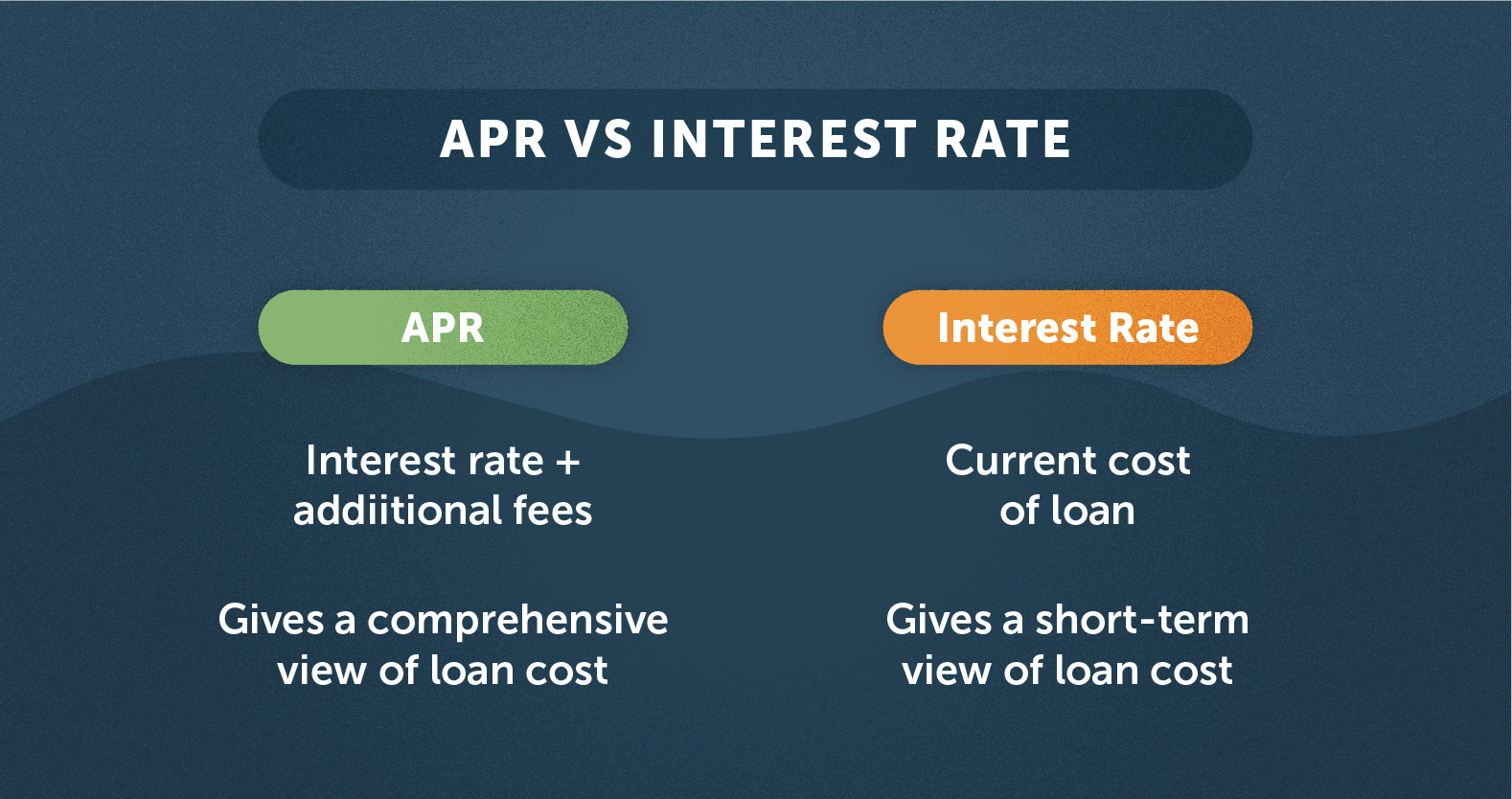
While not an interest rate per se, the VA Funding Fee is a critical financial component of the loan. It is a one-time payment made to the VA to support the program. The fee varies based on the down payment amount and whether it is your first time using the benefit. From a cash-flow perspective, many veterans choose to roll this fee into the loan balance. While this preserves immediate cash, it increases the total principal, which in turn increases the total interest paid over the life of the mortgage.
Strategic Ways to Secure the Lowest Possible Rate
Securing a competitive VA interest rate is not a passive process. It requires active financial management and a willingness to negotiate with multiple institutions.
Shopping Around: The Importance of Lender Variety
One of the biggest mistakes borrowers make is only checking the rate at their primary bank. Mortgage brokers, online lenders, and veteran-specific credit unions all price their products differently. By obtaining “Loan Estimates” from at least three different lenders, you can leverage their offers against one another. In many cases, a lender will drop their rate or waive certain origination fees to win your business, directly impacting your long-term ROI.
Buying Down the Rate with Discount Points
In a high-rate environment, “buying points” is a common financial strategy. One point equals 1% of the loan amount and typically lowers your interest rate by about 0.25%.
- Example: On a $400,000 loan, one point costs $4,000.
If this reduces your monthly payment by $60, it would take approximately 66 months to “break even.” If you plan to stay in the home for 10 or 20 years, paying for points upfront is a mathematically superior strategy for wealth preservation.
Timing the Market: When to Lock Your Rate
Mortgage rates move daily. Once you find a rate that fits your budget, you have the option to “lock” it. A rate lock guarantees your interest rate for a specific period (usually 30 to 60 days) while your loan is processed. If rates rise during that time, you are protected. Some lenders also offer a “float-down” provision, which allows you to take advantage of a lower rate if the market drops after you have locked.
The Long-Term Financial Impact of VA Rates on Your Wealth
The difference between a 6% and a 7% interest rate might seem negligible on a monthly basis, but when analyzed through the lens of long-term personal finance, the implications are staggering.
Amortization and Total Interest Paid
On a $500,000, 30-year mortgage:
- At a 6% rate, the total interest paid over 30 years is approximately $579,000.
- At a 7% rate, the total interest paid is approximately $697,000.
That 1% difference costs the borrower an additional $118,000. For a veteran looking to build a retirement nest egg or invest in other assets, minimizing the interest rate is perhaps the single most effective way to increase their net worth over time.
Refinancing Opportunities: The IRRRL
The VA program offers a unique tool known as the Interest Rate Reduction Refinance Loan (IRRRL), often called a “VA Streamline.” If you buy a home today at a high rate and interest rates drop in the future, the IRRRL allows you to refinance with minimal paperwork, no appraisal, and often no out-of-pocket costs. This “Money” hack is a cornerstone of the VA program, providing a safety net that ensures veterans are never stuck with a high interest rate if the broader market improves.
Conclusion: Navigating Your Financial Future
While the “current” VA interest rate is a moving target influenced by the Federal Reserve, inflation, and bond market volatility, it remains one of the most competitive financial products available. By maintaining a strong credit profile, shopping across multiple lenders, and understanding the long-term mathematics of interest, veterans can use the VA loan program not just as a way to buy a house, but as a foundation for lifelong financial stability.
In today’s market, the goal is not necessarily to find the “lowest rate in history,” but to find the lowest rate available today while keeping an eye on future refinancing opportunities. By treating your mortgage as a strategic component of your overall financial portfolio, you ensure that your service to the country translates into a tangible, high-value asset for your family’s future.
aViewFromTheCave is a participant in the Amazon Services LLC Associates Program, an affiliate advertising program designed to provide a means for sites to earn advertising fees by advertising and linking to Amazon.com. Amazon, the Amazon logo, AmazonSupply, and the AmazonSupply logo are trademarks of Amazon.com, Inc. or its affiliates. As an Amazon Associate we earn affiliate commissions from qualifying purchases.