
The mortgage lending rate is far more than just a number; it is a critical financial indicator that profoundly influences the affordability of homes, the monthly budgets of millions, and the overall health of the housing market. For prospective homebuyers, a low rate can mean the difference between realizing a dream and facing an insurmountable hurdle. For current homeowners, shifts in rates can trigger opportunities for refinancing, potentially saving tens of thousands over the life of a loan. Yet, these rates are not static. They are dynamic, reacting to a complex interplay of global economic forces, domestic monetary policy, and individual lender strategies. Understanding “what is the current mortgage lending rate” requires looking beyond a single digit and delving into the mechanics that drive its constant evolution. This article aims to demystify mortgage rates, providing a comprehensive overview of how they are determined, what factors influence them, and how individuals can navigate this ever-changing landscape to make informed financial decisions.
Deconstructing Mortgage Rates: The Fundamentals
Before diving into the current market, it’s essential to grasp the foundational concepts that underpin mortgage lending rates. These elements form the bedrock of any home loan agreement and directly impact the financial commitment required from a borrower.
Defining the Core Components: Interest Rate vs. APR
At its simplest, the interest rate on a mortgage is the cost of borrowing the principal amount—the money you borrow to buy the house—expressed as a percentage. This rate determines how much interest you pay each month on the outstanding loan balance. However, the interest rate alone doesn’t tell the full story of the loan’s cost. That’s where the Annual Percentage Rate (APR) comes in. The APR provides a more comprehensive measure of the total cost of borrowing, as it includes not only the interest rate but also other fees associated with the loan, such as origination fees, discount points, mortgage insurance, and certain closing costs. While the interest rate directly impacts your monthly principal and interest payment, the APR offers a truer picture of the overall expense of the mortgage over its lifetime, making it a crucial metric for comparing different loan offers.
Fixed-Rate vs. Adjustable-Rate Mortgages (ARMs): A Comparison of Stability versus Flexibility
Mortgages generally come in two primary forms: fixed-rate and adjustable-rate mortgages (ARMs). Each has distinct characteristics that appeal to different borrower profiles and financial situations.
A fixed-rate mortgage maintains the same interest rate for the entire duration of the loan, typically 15 or 30 years. This offers predictable monthly principal and interest payments, providing stability and certainty for budgeting. Borrowers who value consistency and want to lock in a rate for the long term often prefer fixed-rate loans, especially when interest rates are low.
Conversely, an adjustable-rate mortgage (ARM) features an initial fixed-rate period, after which the interest rate adjusts periodically based on a predetermined index plus a margin set by the lender. Common fixed periods include 3, 5, 7, or 10 years (e.g., 5/1 ARM means the rate is fixed for five years, then adjusts annually). ARMs typically start with a lower interest rate than comparable fixed-rate mortgages, making them attractive to borrowers who plan to sell or refinance before the fixed period ends, or those who anticipate their income will rise significantly, enabling them to absorb potential future payment increases. However, the risk lies in the uncertainty of future interest rate movements, which could lead to significantly higher monthly payments.
Key Determinants of Your Rate: Exploring Macro-Economic Forces and Individual Borrower Characteristics
Mortgage rates are a confluence of broad economic trends and specific individual circumstances.
On the macro-economic front, several forces exert significant influence:
- Inflation: Lenders factor in inflation expectations because it erodes the purchasing power of future repayments. Higher inflation typically leads to higher interest rates to compensate lenders for this loss.
- Federal Reserve Policy: While the Federal Reserve doesn’t directly set mortgage rates, its actions, particularly regarding the federal funds rate, have a profound indirect impact. When the Fed raises its target rate, it generally makes borrowing more expensive across the financial system, influencing the rates on other financial products, including the yield on U.S. Treasury bonds.
- U.S. Treasury Bond Yields: Mortgage rates are closely tied to the yields on long-term government bonds, especially the 10-year Treasury note. Lenders often use these yields as a benchmark; as bond yields rise, so do mortgage rates, reflecting the opportunity cost for lenders.
- Economic Growth: A robust economy with strong job growth and consumer spending can put upward pressure on rates as it suggests higher demand for capital. Conversely, a weakening economy might see rates decline.
Individual borrower characteristics also play a crucial role in determining the specific rate offered:
- Credit Score: A higher credit score (typically 740+) indicates a lower risk of default to lenders, often qualifying borrowers for the most favorable rates.
- Loan-to-Value (LTV) Ratio: This ratio compares the loan amount to the home’s appraised value. A lower LTV (meaning a larger down payment) signals less risk to lenders, often resulting in better rates.
- Debt-to-Income (DTI) Ratio: Lenders assess your ability to manage monthly payments by comparing your total monthly debt payments to your gross monthly income. A lower DTI ratio indicates a healthier financial position and a greater capacity to handle new debt.
- Loan Type and Term: Different loan products (e.g., FHA, VA, USDA, conventional) and loan terms (15-year vs. 30-year) come with varying rates. Shorter terms typically have lower rates but higher monthly payments.
- Discount Points: Borrowers can opt to pay “points” (a percentage of the loan amount) upfront to “buy down” their interest rate, effectively reducing their monthly payments over the life of the loan.
Navigating the Present Market: How Rates are Set Today
The phrase “what is the current mortgage lending rate” is inherently dynamic, as rates are in a constant state of flux. Understanding how they operate in real-time and the broader influences at play is key to making timely decisions.
The Pulse of Real-Time Rate Movements
Mortgage rates fluctuate daily, sometimes even hourly, in response to new economic data releases, global events, and shifts in financial markets. Lenders adjust their offerings to remain competitive and to reflect their own cost of funds. There isn’t a single, universal “current mortgage rate” that applies to everyone; rather, there are ranges of rates offered by different lenders for various loan products and borrower profiles.
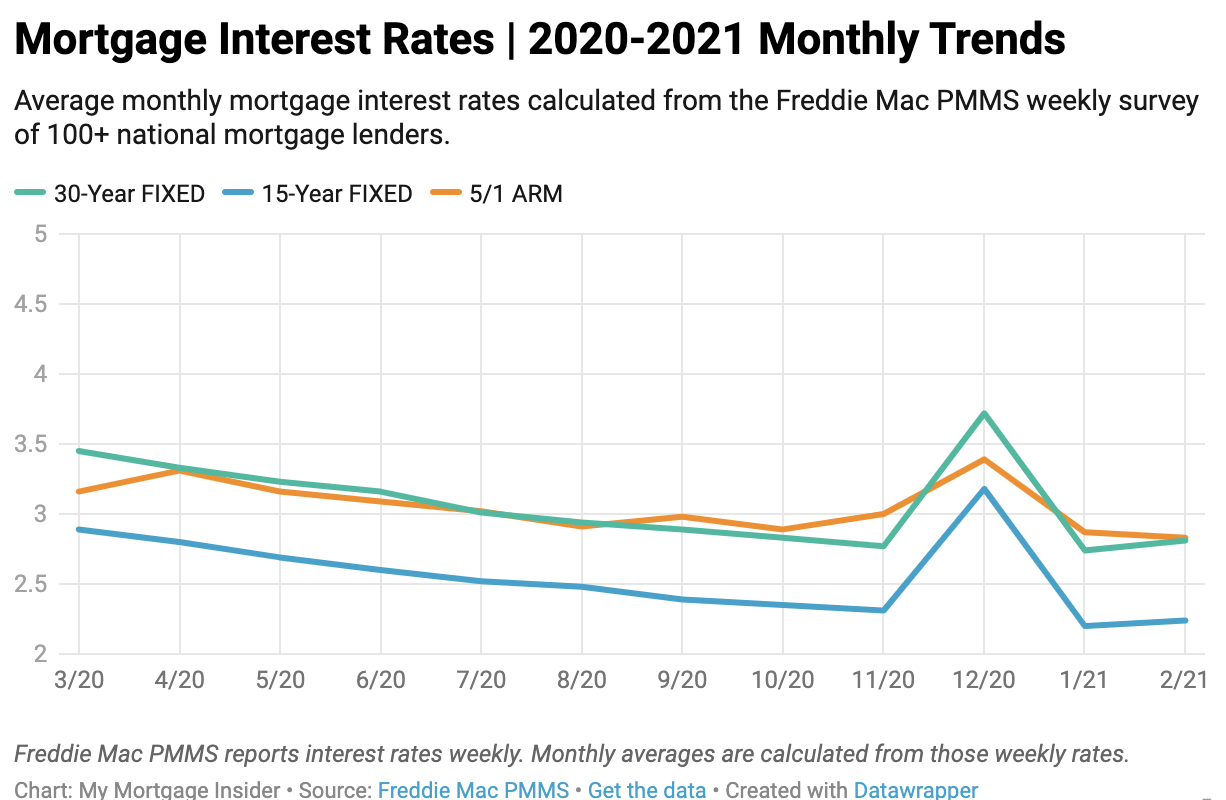
To get an accurate pulse on current rates, prospective borrowers should consult multiple sources. Reputable financial news outlets often report daily averages, and major mortgage lenders typically publish their current rates online. Furthermore, Freddie Mac’s Primary Mortgage Market Survey (PMMS) provides weekly averages for various conventional loan types, offering a broad benchmark. However, these are averages; your specific rate will depend on your individual financial qualifications and the lender you choose.
The Federal Reserve’s Indirect Influence
The Federal Reserve plays a pivotal, albeit indirect, role in shaping mortgage rates. When the Fed adjusts the federal funds rate—the target rate for overnight lending between banks—it impacts short-term borrowing costs across the economy. While mortgage rates are more directly tied to long-term rates (like the 10-year Treasury bond yield), the Fed’s monetary policy decisions ripple through the financial markets. For instance, when the Fed signals a commitment to combat inflation through rate hikes, it often leads to an increase in bond yields, which subsequently pushes mortgage rates higher. Conversely, when the Fed adopts an accommodative stance, rates tend to decline. It’s a nuanced relationship, where market expectations of future Fed actions can be as influential as the actions themselves.

Broader Economic Indicators and Their Impact
Beyond the Fed, a spectrum of economic indicators provides insights into the strength of the economy and potential inflationary pressures, thereby influencing mortgage rates.
- Inflation Reports (CPI, PPI): Strong inflation numbers often signal that the Fed may need to tighten monetary policy, leading to higher rates.
- Employment Data (Jobs Report, Unemployment Rate): A robust job market typically indicates economic strength, which can put upward pressure on rates.
- Gross Domestic Product (GDP): Positive GDP growth suggests a healthy economy, which can contribute to higher rates.
- Consumer Confidence: High consumer confidence can lead to increased spending and borrowing, potentially pushing rates up.
- Global Events: Geopolitical instability, international trade disputes, or global economic slowdowns can create uncertainty, causing investors to flee to the safety of U.S. Treasury bonds, which can depress yields and, consequently, mortgage rates, or conversely, cause panic that pushes rates up if the U.S. economy looks less stable.
Staying abreast of these indicators and understanding their potential impact is crucial for anyone monitoring the mortgage market.
Practical Strategies for Securing a Favorable Rate
Given the dynamic nature of mortgage rates, proactive strategies are essential for borrowers looking to secure the most advantageous terms. A little preparation and diligent effort can translate into significant savings over the life of a loan.
Bolstering Your Financial Profile
Lenders view borrowers with strong financial profiles as lower risk, and they reward this reduced risk with lower interest rates.
- Improve Your Credit Score: This is perhaps the most impactful step. Pay bills on time, reduce credit card balances, avoid opening new credit accounts unnecessarily, and check your credit report for errors. A FICO score of 740 or higher generally unlocks the best rates.
- Reduce Your Debt-to-Income (DTI) Ratio: Lenders typically prefer a DTI ratio below 43%, though lower is always better. Prioritize paying down existing debts, especially high-interest consumer debt, before applying for a mortgage.
- Increase Your Down Payment: A larger down payment reduces your loan-to-value (LTV) ratio, signaling less risk to the lender. This not only often leads to a better interest rate but can also help you avoid private mortgage insurance (PMI) if your LTV is below 80%.
- Build Savings/Emergency Fund: A robust emergency fund demonstrates financial stability and preparedness, which can be viewed favorably by lenders.
The Art of Lender Comparison and Negotiation
Never settle for the first quote you receive. Shopping around is one of the most effective ways to secure a lower rate.
- Get Quotes from Multiple Lenders: Contact at least three to five different lenders, including national banks, local credit unions, and independent mortgage brokers. Each lender has different overheads, risk assessments, and product offerings, leading to varying rates and fees.
- Compare Loan Estimates Side-by-Side: Once you apply for a loan, lenders are required to provide a “Loan Estimate” form. This standardized document allows for direct comparison of interest rates, APRs, closing costs, and other terms. Pay close attention to the APR for a holistic view of the loan’s cost.
- Don’t Be Afraid to Negotiate: If you receive a better offer from one lender, present it to another to see if they can match or beat it. Competition among lenders works in your favor.
Understanding Rate Locks and Mortgage Points
These tools offer ways to manage interest rate risk and potentially reduce costs.
- Rate Locks: A rate lock guarantees a specific interest rate for a set period (e.g., 30, 45, or 60 days) during the underwriting process. This protects you from rate increases while your loan is being processed. It’s advisable to lock your rate once you’re reasonably sure your loan will close within the lock period and you feel the current rate is favorable. Be aware that longer lock periods can sometimes come with a small fee.
- Mortgage Points (Discount Points): These are upfront fees paid to the lender at closing in exchange for a lower interest rate. One “point” typically equals 1% of the loan amount. For example, on a $300,000 loan, one point would be $3,000. Deciding whether to pay points depends on how long you plan to stay in the home. If you expect to remain for many years, the long-term savings from a lower interest rate may outweigh the upfront cost. Calculate the “break-even point”—how long it takes for the savings from the lower interest rate to cover the cost of the points.
The Long-Term Financial Implications of Your Mortgage Rate
The mortgage rate you secure has far-reaching consequences that extend well beyond your initial monthly payment. Its impact ripples through your financial health for decades.
Impact on Monthly Payments and Overall Affordability
Even a seemingly small difference in interest rates can dramatically alter your monthly mortgage payment. For instance, on a $300,000 30-year fixed-rate mortgage, a 0.5% difference in rate (e.g., 6.0% vs. 6.5%) can change your monthly principal and interest payment by over $100. Over the course of 360 payments, this accumulates into substantial savings or added costs, directly impacting your household budget and overall financial flexibility. This sensitivity underscores why securing the lowest possible rate is paramount for affordability.
Total Cost of Ownership Over the Loan Term
The cumulative effect of a higher interest rate is even more pronounced when considering the total cost of the loan over its entire term. That same 0.5% rate difference on a $300,000 mortgage could equate to tens of thousands of dollars in additional interest paid over 30 years. A lower rate reduces the total amount of interest you pay, meaning more of your monthly payment goes towards reducing the principal, building equity faster. This long-term financial leverage highlights the critical importance of a favorable rate.
Refinancing as a Strategic Option
For current homeowners, the mortgage lending rate environment is not just about new purchases; it also presents opportunities for refinancing. If current rates drop significantly below your existing mortgage rate, refinancing can be a powerful financial tool. By replacing your old loan with a new one at a lower interest rate, you can:
- Reduce Monthly Payments: Freeing up cash flow for other financial goals.
- Lower the Total Cost of the Loan: Paying less interest over the remaining term.
- Change Loan Term: Shorten your term (e.g., from 30 to 15 years) to pay off the mortgage faster, or lengthen it to reduce monthly payments, though this increases total interest.
- Convert Loan Types: Switch from an ARM to a fixed-rate mortgage for stability.
- Cash-Out Refinance: Tap into your home equity for large expenses, though this means taking on more debt.
However, refinancing involves closing costs, so it’s essential to calculate the break-even point to determine if the savings outweigh the upfront expenses. A general rule of thumb is that a refinance makes sense if you can lower your interest rate by at least 0.75% to 1.0% and plan to stay in the home long enough to recoup the closing costs.
Conclusion
The question “what is the current mortgage lending rate” is a gateway to a much broader discussion about personal finance, economic indicators, and strategic decision-making. Mortgage rates are a living reflection of the global economy, influenced by everything from Federal Reserve announcements to inflation reports and individual credit scores. They are not merely numbers; they are powerful tools that shape financial futures. For prospective homebuyers, understanding these rates is the first step toward achieving homeownership affordably. For current homeowners, keeping an eye on rate movements can unlock significant savings through refinancing. By demystifying the factors at play, adopting proactive strategies to bolster one’s financial profile, and diligently comparing options, individuals can navigate the complex mortgage market with confidence. Ultimately, securing a favorable mortgage rate isn’t about luck; it’s about informed action, strategic planning, and continuous financial awareness.
aViewFromTheCave is a participant in the Amazon Services LLC Associates Program, an affiliate advertising program designed to provide a means for sites to earn advertising fees by advertising and linking to Amazon.com. Amazon, the Amazon logo, AmazonSupply, and the AmazonSupply logo are trademarks of Amazon.com, Inc. or its affiliates. As an Amazon Associate we earn affiliate commissions from qualifying purchases.