
Understanding the current mortgage interest rate is more than just checking a daily percentage on a financial news ticker; it is an essential component of personal finance management and long-term wealth building. For prospective homeowners and those looking to refinance, the mortgage rate represents the “cost of money.” In a fluctuating economic environment, even a fractional difference in an interest rate can translate into tens of thousands of dollars over the life of a thirty-year loan. To navigate this complex landscape, one must look beyond the surface level and understand the underlying economic drivers, personal financial metrics, and strategic maneuvers that define the borrowing experience in today’s market.
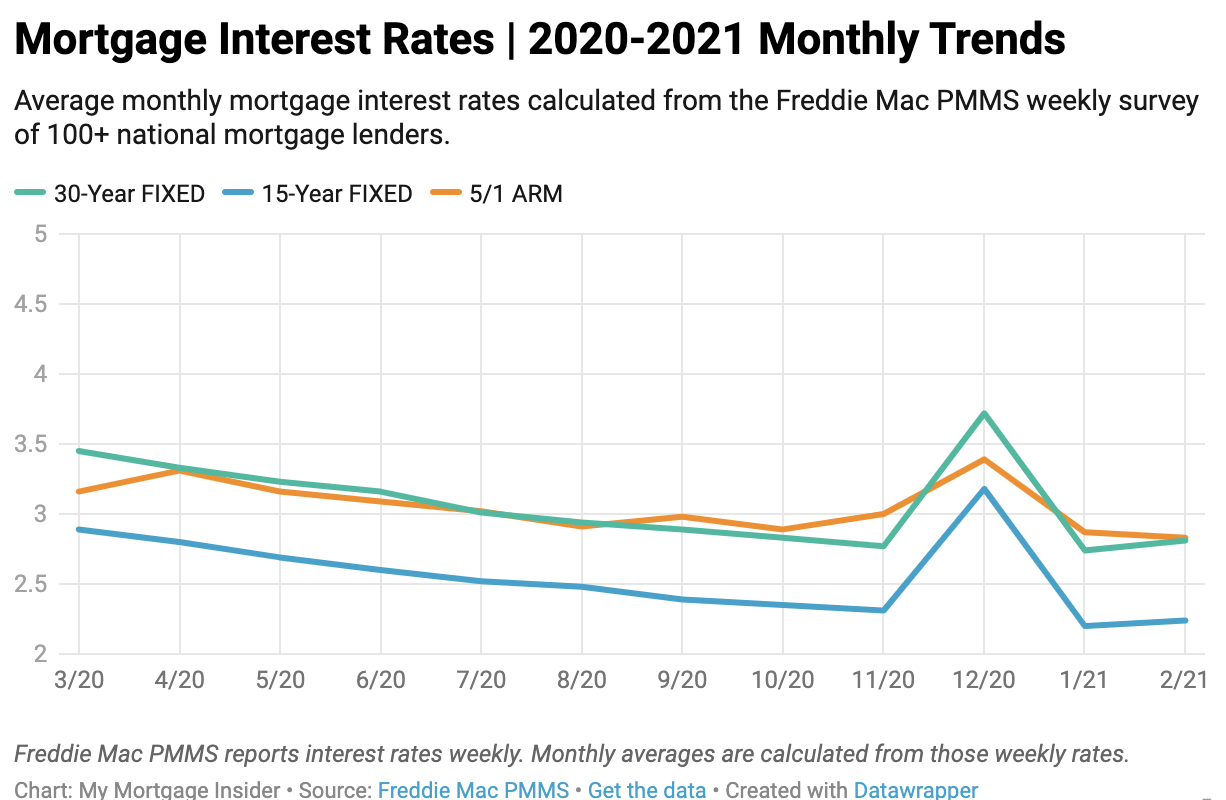
Understanding the Factors Influencing Today’s Mortgage Rates
Mortgage rates do not exist in a vacuum. They are the result of a delicate interplay between global economic health, government policy, and investor sentiment. While many borrowers believe that a single entity sets these rates, the reality is a multi-faceted system of checks and balances.
The Role of the Federal Reserve and Monetary Policy
The Federal Reserve, often referred to as “the Fed,” is the most significant influencer of the interest rate environment. While the Fed does not directly set the interest rates that consumers pay on their mortgages, its management of the federal funds rate—the rate at which commercial banks borrow from one another—creates a ripple effect. When the Fed raises rates to combat inflation, the cost of borrowing for banks increases. Consequently, banks pass these costs on to consumers in the form of higher mortgage rates. Conversely, when the Fed seeks to stimulate the economy, it lowers rates, often leading to a more favorable borrowing environment for home buyers.
Inflation and Its Impact on Long-Term Yields
Inflation is perhaps the greatest enemy of fixed-income investments, including the mortgage-backed securities (MBS) that fund most home loans. When inflation is high, the purchasing power of the future interest payments a lender receives is eroded. To compensate for this risk, investors demand higher yields. This is why mortgage rates are closely tied to the 10-year Treasury note. When inflation expectations rise, Treasury yields typically climb, and mortgage rates follow suit to maintain competitiveness in the secondary market.
Economic Indicators and Market Volatility
Broader economic indicators, such as the Gross Domestic Product (GDP) growth and the monthly Jobs Report from the Bureau of Labor Statistics, play a crucial role in daily rate fluctuations. A “hot” economy with low unemployment often signals that the Fed might need to keep rates higher for longer to prevent overheating. Conversely, signs of an economic slowdown or recession can lead to a “flight to safety,” where investors pour money into bonds, driving yields and mortgage rates downward.
How Individual Financial Profiles Affect Your Personal Quote
While the national average gives a benchmark, the “current” mortgage rate for any specific individual is highly personalized. Lenders use a process called risk-based pricing to determine the rate they offer a borrower.
The Weight of Credit Scores in Rate Determination
Your credit score is arguably the most powerful tool in your financial arsenal when applying for a mortgage. Lenders view the FICO score as a predictive measure of your likelihood to default. A borrower with a “platinum” credit score (typically 760 or higher) will often be eligible for the lowest advertised rates. Conversely, a borrower with a score in the low 600s may face “pricing hits” or Loan Level Price Adjustments (LLPAs), which can add significant percentage points to the base rate to mitigate the lender’s risk.
Debt-to-Income (DTI) Ratios and Loan-to-Value (LTV) Metrics
Lenders also look closely at your Debt-to-Income ratio—the percentage of your gross monthly income that goes toward paying debts. A lower DTI suggests you have more breathing room to handle a mortgage payment. Similarly, the Loan-to-Value (LTV) ratio, determined by the size of your down payment, influences the rate. A borrower putting 20% down represents less risk than one putting 3% down. In the eyes of a financial institution, “skin in the game” equates to a lower probability of foreclosure, which is often rewarded with a slightly better interest rate.
Employment History and Financial Stability
Beyond the numbers, lenders seek a narrative of stability. A consistent two-year history in the same industry or with the same employer provides assurance that the income used to qualify for the loan will continue. Self-employed borrowers or those with commission-based income often face more scrutiny and may be subject to different rate structures because their income is perceived as more volatile compared to a salaried employee.
Comparing Different Mortgage Products and Their Rates

Not all mortgages are created equal. The “current rate” varies significantly depending on the structure of the loan and the term of the repayment.
Fixed-Rate vs. Adjustable-Rate Mortgages (ARMs)
The 30-year fixed-rate mortgage remains the gold standard in the United States, offering the security of a stable payment for three decades. However, in high-rate environments, many borrowers turn to Adjustable-Rate Mortgages (ARMs). An ARM typically offers a lower “teaser” rate for an initial period (such as 5, 7, or 10 years) before adjusting annually based on market indices. For borrowers who plan to sell the home or refinance before the adjustment period kicks in, an ARM can be a strategic way to access a lower current rate.
Conventional Loans vs. Government-Backed Options (FHA, VA, USDA)
The type of loan program also dictates the interest rate. Conventional loans, which follow the guidelines set by Fannie Mae and Freddie Mac, often have the most competitive rates for those with high credit. However, government-backed loans like FHA (Federal Housing Administration) loans can sometimes offer lower base rates to help those with lower credit scores, though they come with mandatory mortgage insurance premiums that increase the overall cost. VA loans for veterans and USDA loans for rural borrowers often provide some of the lowest rates in the market due to the government’s guarantee against loss.
Jumbo Loans and the Premium for Luxury Financing
When a loan amount exceeds the “conforming limits” set by the Federal Housing Finance Agency (FHFA), it is classified as a Jumbo loan. Because these loans cannot be sold to Fannie Mae or Freddie Mac, they carry a different risk profile. Historically, Jumbo rates were higher than conforming rates, but in certain market cycles, they can actually be lower depending on the liquidity levels of the large commercial banks that hold these loans on their balance sheets.
Strategies to Secure the Lowest Possible Rate in a High-Rate Environment
In a market where rates are elevated, being a proactive borrower is essential. Small adjustments in strategy can lead to significant savings.
The Value of Rate Locks and Timing the Market
Because mortgage rates can change multiple times in a single day, “timing the market” is nearly impossible for the average consumer. However, a “rate lock” is a critical tool. Once you have a property under contract, your lender can lock in the current rate for a specific period (usually 30, 45, or 60 days). This protects you from rate hikes while your loan is being processed. Some lenders even offer “float-down” provisions, allowing you to take advantage of a lower rate if the market improves before you close.
Paying Discount Points: Is the Upfront Cost Worth It?
Borrowers often have the option to “buy down” their interest rate by paying discount points at closing. One point typically costs 1% of the loan amount and reduces the interest rate by approximately 0.25%. This is essentially a math problem: you must calculate the “break-even point”—how many months of lower mortgage payments it will take to recoup the upfront cost of the points. If you plan to stay in the home for a long time, paying points can be a brilliant long-term financial move.
Shopping Around and Comparing Loan Estimate Forms
The most common mistake borrowers make is accepting the first quote they receive. Research consistently shows that borrowers who get at least three quotes can save thousands of dollars over the life of their loan. When comparing lenders, look at the “Loan Estimate” form, a standardized document that allows you to compare the interest rate, closing costs, and annual percentage rate (APR) side-by-side. The APR is particularly useful because it reflects the true cost of the loan, including both the interest and the fees.
The Future Outlook: What to Expect in the Coming Quarters
Predicting the future of mortgage rates is an exercise in analyzing economic trends and geopolitical stability. As we look toward the future, several factors will dictate whether rates will retreat or continue to climb.
Projected Trends in Housing Demand and Inventory
The law of supply and demand affects the mortgage market indirectly. When housing inventory is low, home prices remain high, requiring larger loans. If demand cools due to high rates, we may see a “cooling-off” period where lenders become more competitive with their pricing to attract a dwindling pool of buyers. Furthermore, as the housing market reaches an equilibrium, the volatility in rates often stabilizes, providing a more predictable environment for financial planning.
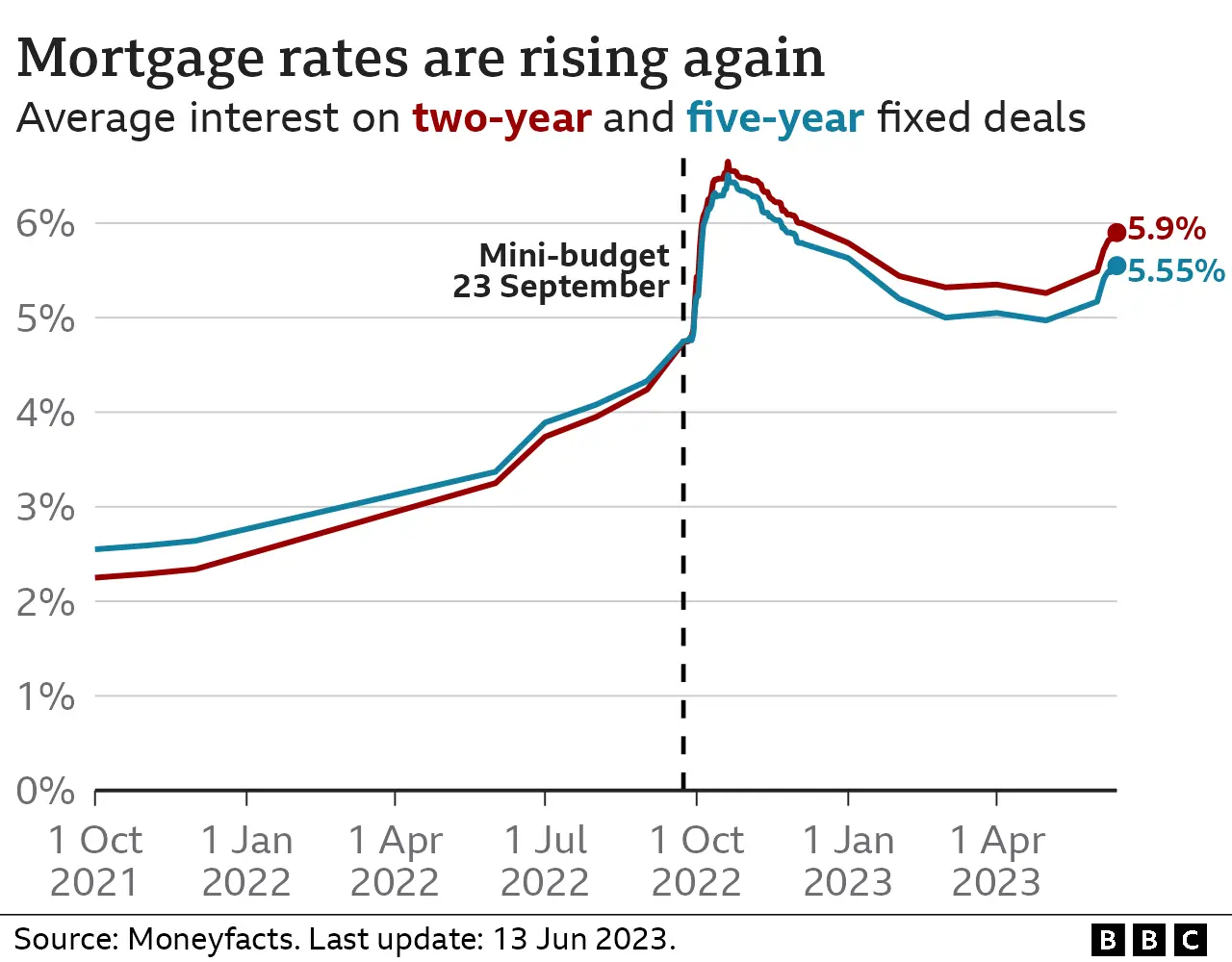
Global Economic Influences on Domestic Borrowing Costs
In an interconnected global economy, events overseas can impact your local mortgage rate. Geopolitical tensions, trade agreements, and the economic health of other major powers influence the demand for U.S. Treasuries. As a “safe haven” asset, U.S. debt often sees increased demand during global uncertainty, which can inadvertently lead to lower interest rates at home. Monitoring the global financial stage is, therefore, a necessary habit for the sophisticated borrower looking to understand the “why” behind the current mortgage interest rate.
aViewFromTheCave is a participant in the Amazon Services LLC Associates Program, an affiliate advertising program designed to provide a means for sites to earn advertising fees by advertising and linking to Amazon.com. Amazon, the Amazon logo, AmazonSupply, and the AmazonSupply logo are trademarks of Amazon.com, Inc. or its affiliates. As an Amazon Associate we earn affiliate commissions from qualifying purchases.