
Understanding the current interest rate for homes is arguably one of the most critical factors for anyone looking to enter the housing market or refinance an existing mortgage. These rates dictate the cost of borrowing money over decades, profoundly impacting monthly payments, overall loan affordability, and ultimately, a household’s financial health. Far from being static, interest rates for home loans are dynamic, influenced by a complex interplay of global economic forces, national monetary policy, and individual borrower characteristics. This article delves into the intricacies of current home interest rates, explaining what drives them, what they typically look like, and how prospective buyers and existing homeowners can navigate this ever-changing financial landscape.
Understanding the Dynamics of Home Interest Rates
The interest rate you secure for a home loan is not pulled from thin air; it is the culmination of various economic indicators and market forces. To truly grasp the “current” rate, one must first appreciate the underlying mechanisms that cause these numbers to fluctuate.
Key Factors Influencing Mortgage Rates
Several powerful engines drive the movement of mortgage rates, some operating at a macroeconomic level and others specific to the individual borrower.
- Federal Reserve Policy: While the Federal Reserve does not directly set mortgage rates, its actions, particularly regarding the federal funds rate, have a profound indirect impact. The federal funds rate is the target rate for overnight borrowing between banks. When the Fed raises this rate to combat inflation, it makes borrowing more expensive across the board, pushing up yields on Treasury bonds, which in turn influence mortgage rates. Conversely, when the Fed lowers rates to stimulate economic growth, borrowing becomes cheaper. Beyond the federal funds rate, the Fed’s stance on quantitative easing or tightening—buying or selling government bonds and mortgage-backed securities (MBS)—also directly affects the supply and demand for these securities, thereby influencing their yields.
- Inflation and Economic Growth: Inflation is a primary concern for lenders. If the value of money erodes over time due to rising prices, the fixed interest payments a lender receives in the future will be worth less. To compensate for this anticipated loss of purchasing power, lenders charge higher interest rates when inflation is expected to rise. Strong economic growth can also contribute to higher rates as it often leads to increased demand for credit and potential inflationary pressures. Conversely, a weakening economy might see rates fall as demand for loans decreases and inflation concerns subside.
- Treasury Yields: The yield on the 10-year Treasury bond is often cited as a benchmark for long-term fixed mortgage rates. Mortgage rates tend to move in tandem with this yield because mortgage-backed securities (MBS), which form the basis of most mortgages, compete with Treasuries for investor dollars. If Treasury yields go up, MBS must offer higher yields (and thus higher mortgage rates) to remain attractive to investors.
- Mortgage-Backed Securities (MBS) Market: The vast majority of U.S. home loans are bundled into MBS and sold to investors on a secondary market. The demand for these securities, and the yield investors expect from them, directly affects the rates lenders offer. Factors like perceived risk, market liquidity, and investor sentiment can all play a role.
- Lender-Specific Factors and Borrower Profile: Beyond the broader economic picture, individual lenders have their own cost of capital, operational overheads, and profit margins, which they factor into the rates they offer. Furthermore, a borrower’s financial health significantly impacts their rate. A high credit score (typically FICO scores above 740-760), a low debt-to-income (DTI) ratio, a substantial down payment (reducing loan-to-value or LTV), and the specific type of loan chosen (e.g., conventional, FHA, VA) all contribute to determining the final, personalized interest rate.
Differentiating Mortgage Rate Types
The “current interest rate for homes” isn’t a single number but rather a spectrum of rates depending on the loan product chosen. The two primary categories are fixed-rate and adjustable-rate mortgages.
- Fixed-Rate Mortgages (FRM): These loans offer an interest rate that remains constant for the entire life of the loan, typically 15 or 30 years. This predictability provides stability in monthly payments, making budgeting easier and shielding homeowners from potential rate hikes. The trade-off is that initial fixed rates are often slightly higher than initial adjustable rates. The 30-year fixed-rate mortgage is the most popular choice in the U.S.
- Adjustable-Rate Mortgages (ARM): ARMs feature an interest rate that is fixed for an initial period (e.g., 3, 5, 7, or 10 years) and then adjusts periodically (e.g., annually) based on a specified market index, plus a margin. While the initial “teaser” rates on ARMs are often lower than fixed rates, they carry the risk of future payment increases if the underlying index rises. ARMs come with caps that limit how much the rate can increase or decrease per adjustment period and over the life of the loan.
- Other Loan Types: Government-backed loans like FHA (Federal Housing Administration), VA (Department of Veterans Affairs), and USDA (U.S. Department of Agriculture) loans also have their own rate structures, often designed to be more accessible for specific borrower groups. Jumbo loans, for amounts exceeding conventional loan limits, also have their own rate considerations due to their higher risk profile.
The Current Landscape: What Rates Are We Seeing?
Pinpointing a single “current interest rate” is challenging because rates literally change by the hour and vary between lenders. However, we can discuss general trends and ranges to provide an insightful snapshot.
A Snapshot of Today’s Rates
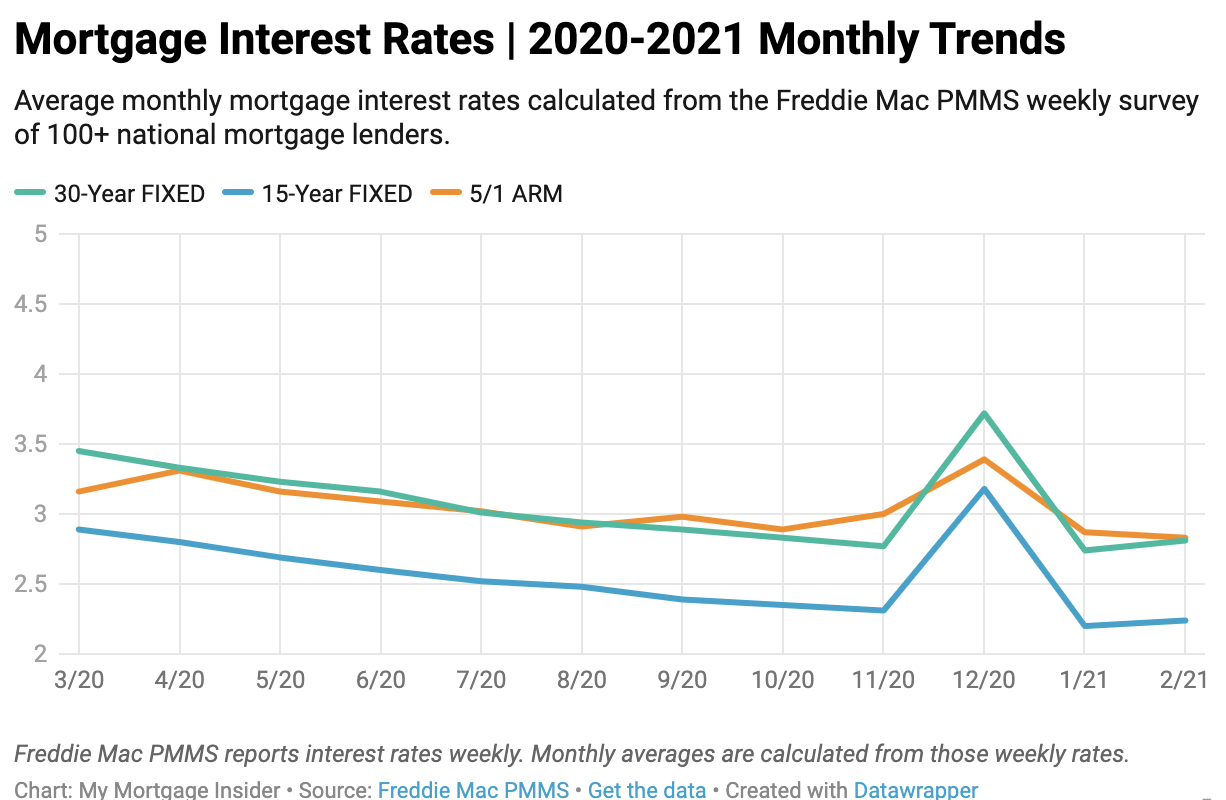
When discussing current rates, the focus is almost always on the 30-year fixed-rate mortgage due to its prevalence. While specific numbers are highly fluid and necessitate a real-time quote, prospective buyers often find that rates for a 30-year fixed conventional loan for a borrower with excellent credit can hover in a certain range, depending on the broader economic environment. For instance, in a period of aggressive inflation control by the Federal Reserve, these rates might be significantly higher than they were during periods of economic stimulus. Similarly, 15-year fixed mortgages typically offer lower rates than 30-year fixed options because the lender’s risk is lower over a shorter term. Adjustable-rate mortgages (ARMs), particularly 5/1 or 7/1 ARMs, will generally present initial rates that are lower than their fixed-rate counterparts, reflecting the borrower’s assumption of future interest rate risk.
It’s crucial to understand that these are illustrative figures. To get the most accurate current rate, you need to consult with multiple lenders on the same day, considering your specific financial profile and desired loan product. Online mortgage calculators can offer ballpark figures, but personalized quotes are essential for decision-making.
Recent Trends and Market Outlook
The journey of home interest rates over the past few years has been particularly volatile. Following historic lows during the pandemic, driven by aggressive monetary easing, rates began to climb sharply as global inflation took hold and central banks responded with tighter monetary policies. This period saw mortgage rates rise at an unprecedented pace, significantly impacting housing affordability.
More recently, the market has often entered periods of cautious stabilization, though fluctuations remain the norm. The outlook for interest rates is continuously shaped by ongoing economic data releases—such as inflation reports, employment figures, and GDP growth—and the Federal Reserve’s response to this data. If inflation continues to moderate, there might be room for rates to stabilize or even gradually decline, assuming the economy avoids a deep recession. Conversely, persistent inflation or unexpected economic shocks could push rates higher. Experts closely watch the bond market, particularly the 10-year Treasury yield, as a bellwether for where mortgage rates might head. However, the exact trajectory remains uncertain, underscoring the importance of staying informed and planning strategically.
Impact of Interest Rates on Homebuyers and Homeowners
The prevailing interest rate environment has profound implications for both those looking to buy a home and those who already own one. It dictates affordability, influences market activity, and shapes financial strategies.
For Prospective Homebuyers: Affordability and Buying Power
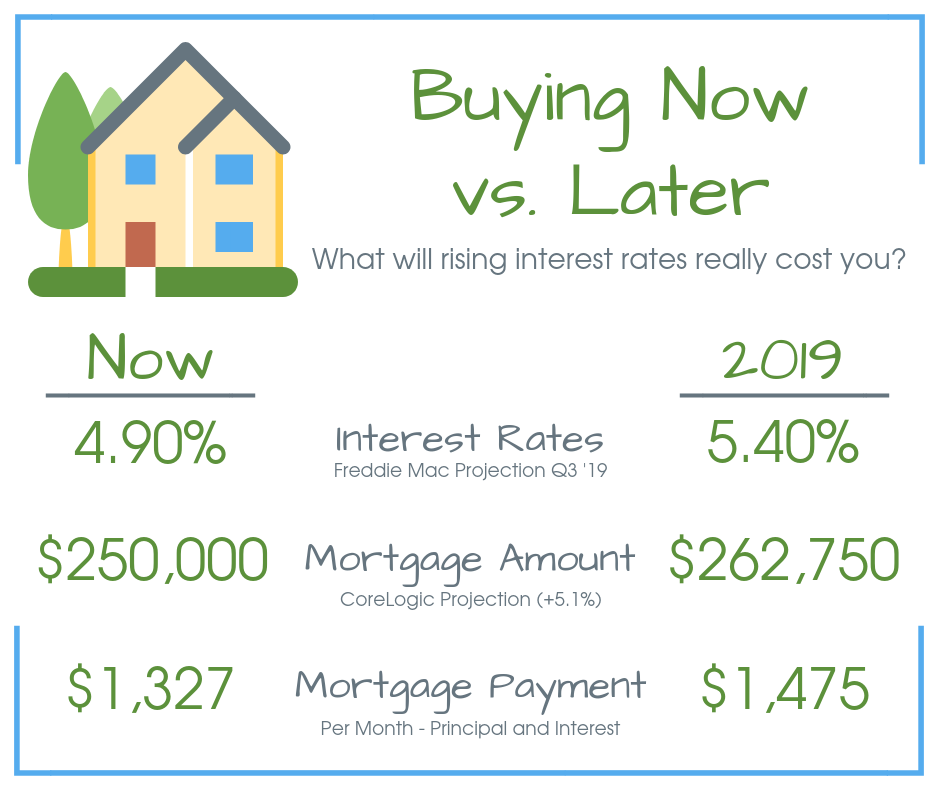
For prospective homebuyers, interest rates are a primary determinant of affordability. Even a slight increase in the rate can significantly raise the monthly mortgage payment and, consequently, the total cost of the loan over its lifetime.
- Monthly Payments: A higher interest rate means a larger portion of each monthly payment goes towards interest rather than principal, leading to a higher overall payment. For example, on a $400,000 loan, a one percentage point increase in interest rate (e.g., from 6% to 7%) can add hundreds of dollars to the monthly payment, substantially impacting a household’s budget.
- Total Cost of Loan: Over a 30-year term, these seemingly small monthly differences compound into tens of thousands of dollars, or even more, in additional interest paid over the life of the loan. This reduces the buyer’s long-term wealth accumulation through equity.
- Buying Power: Higher rates directly reduce how much home a buyer can afford. If a buyer has a fixed monthly budget for housing costs, an increase in interest rates means they qualify for a smaller loan amount, effectively shrinking their available home search options and potentially pricing them out of certain markets or properties.
- Market Dynamics: In a high-rate environment, demand for homes tends to soften as fewer buyers can afford current prices. This can lead to longer market times for properties and, in some cases, downward pressure on home prices, though inventory levels also play a crucial role.
For Current Homeowners: Refinancing and Equity Management
Current homeowners are also affected by interest rate fluctuations, particularly those contemplating refinancing or leveraging their home equity.
- Refinancing Opportunities: Homeowners with existing mortgages, especially those locked into higher rates, constantly monitor the market for opportunities to refinance. If current rates drop significantly below their existing mortgage rate, refinancing can lead to lower monthly payments, substantial savings over the loan’s term, or even the ability to switch from an ARM to a fixed-rate mortgage for greater stability. Conversely, in a rising rate environment, refinancing activity typically declines, as most existing homeowners likely have lower rates than what’s currently available.
- Cash-Out Refinancing and HELOCs: For homeowners looking to tap into their home equity for renovations, debt consolidation, or other large expenses, the current interest rate environment for cash-out refinances, Home Equity Lines of Credit (HELOCs), or second mortgages is critical. If rates are high, borrowing against equity becomes more expensive, potentially making other financing options more attractive. The decision to refinance or use a HELOC is heavily dependent on the current rate relative to the existing mortgage rate and other borrowing costs.
- The “Lock-In” Effect: Many homeowners who secured historically low rates in recent years might feel “locked in” to their current homes. Moving means giving up their low-rate mortgage for a new, much higher-rate loan, making upgrading or downsizing financially challenging, even if their current home no longer suits their needs. This phenomenon can contribute to lower housing inventory.
Strategies for Navigating the Mortgage Market
Navigating the mortgage market, especially in a period of fluctuating rates, requires careful planning, research, and proactive measures.
Preparing for a Mortgage Application
Before even looking at homes, prospective buyers should focus on strengthening their financial position to secure the most favorable interest rates.
- Credit Score Improvement: A higher credit score signals lower risk to lenders, translating into better interest rates. Focus on paying bills on time, reducing credit card balances, and avoiding new credit inquiries in the months leading up to an application.
- Debt-to-Income Ratio Management: Lenders assess your DTI ratio (your total monthly debt payments divided by your gross monthly income). A lower DTI (typically below 36-43%) demonstrates your ability to manage debt, often leading to better loan terms.
- Down Payment Savings: A larger down payment reduces the loan-to-value (LTV) ratio, which can result in a lower interest rate, as well as lower or no private mortgage insurance (PMI). Aim for at least 20% if possible to avoid PMI on conventional loans.
- Document Gathering: Have all necessary financial documents—pay stubs, tax returns, bank statements—ready to streamline the application process and avoid delays that could impact a rate lock.
Finding the Best Rate and Lender
The interest rate you receive can vary significantly between lenders, even on the same day for the same borrower profile. Comparison shopping is non-negotiable.
- Shop Around Aggressively: Obtain quotes from multiple lenders—including large banks, credit unions, and independent mortgage brokers. Don’t just compare interest rates; look at the Annual Percentage Rate (APR), which includes fees and other costs, for a more accurate comparison of the total cost of borrowing.
- Understand Closing Costs: Beyond the interest rate, closing costs can add thousands of dollars to the loan. Compare lender fees, title insurance, appraisal costs, and other associated expenses. Sometimes, a slightly higher interest rate might come with significantly lower closing costs, making it a better overall deal.
- Mortgage Brokers vs. Direct Lenders: Mortgage brokers act as intermediaries, working with multiple lenders to find you the best deal. Direct lenders (banks, credit unions) offer their own products. Exploring both avenues can broaden your options.
- Ask About Loan Officer Compensation: Understanding how your loan officer is compensated can provide insight into their recommendations.
Understanding Rate Locks and Buydowns
These tools can be critical in managing interest rate risk in a volatile market.
- Rate Locks: Once you receive a loan offer and apply for a mortgage, you can usually “lock in” your interest rate for a specific period, typically 30 to 60 days. This protects you from rate increases while your loan is being processed. Be mindful of the lock-in period and ensure it’s long enough to cover your expected closing timeline.
- Interest Rate Buydowns: A buydown involves paying an upfront fee (points) to secure a lower interest rate for either a temporary period (e.g., 2-1 buydown, where the rate is 2% lower in the first year and 1% lower in the second) or for the entire life of the loan. While buydowns increase closing costs, they can significantly reduce monthly payments and total interest paid over the long term, making them a strategy worth evaluating, especially in a higher-rate environment.

Conclusion
The current interest rate for homes is a multifaceted figure, influenced by global economics, central bank policies, and individual financial circumstances. It’s a key determinant of housing affordability and a critical factor in personal financial planning for both buyers and existing homeowners. While specific rates are in constant flux, understanding the underlying dynamics, staying informed about market trends, and employing strategic planning—from improving your credit score to diligent comparison shopping—can empower you to navigate the mortgage market effectively. Whether you’re entering the housing market for the first time or evaluating refinancing options, remember that the best approach is always to seek personalized advice from qualified financial and mortgage professionals who can provide real-time rates and tailor strategies to your unique situation.
aViewFromTheCave is a participant in the Amazon Services LLC Associates Program, an affiliate advertising program designed to provide a means for sites to earn advertising fees by advertising and linking to Amazon.com. Amazon, the Amazon logo, AmazonSupply, and the AmazonSupply logo are trademarks of Amazon.com, Inc. or its affiliates. As an Amazon Associate we earn affiliate commissions from qualifying purchases.