
The iPad Air has long occupied a unique space in Apple’s tablet lineup, serving as the “Goldilocks” option for users who require more power than the entry-level iPad but don’t necessarily need the professional-grade features—or the premium price tag—of the iPad Pro. As of 2024, the current generation of the iPad Air is the 6th generation, powered by the M2 chip. This iteration represents one of the most significant shifts in the product line’s history, moving away from a single-size offering to a dual-model approach that mirrors the iPad Pro’s strategy.
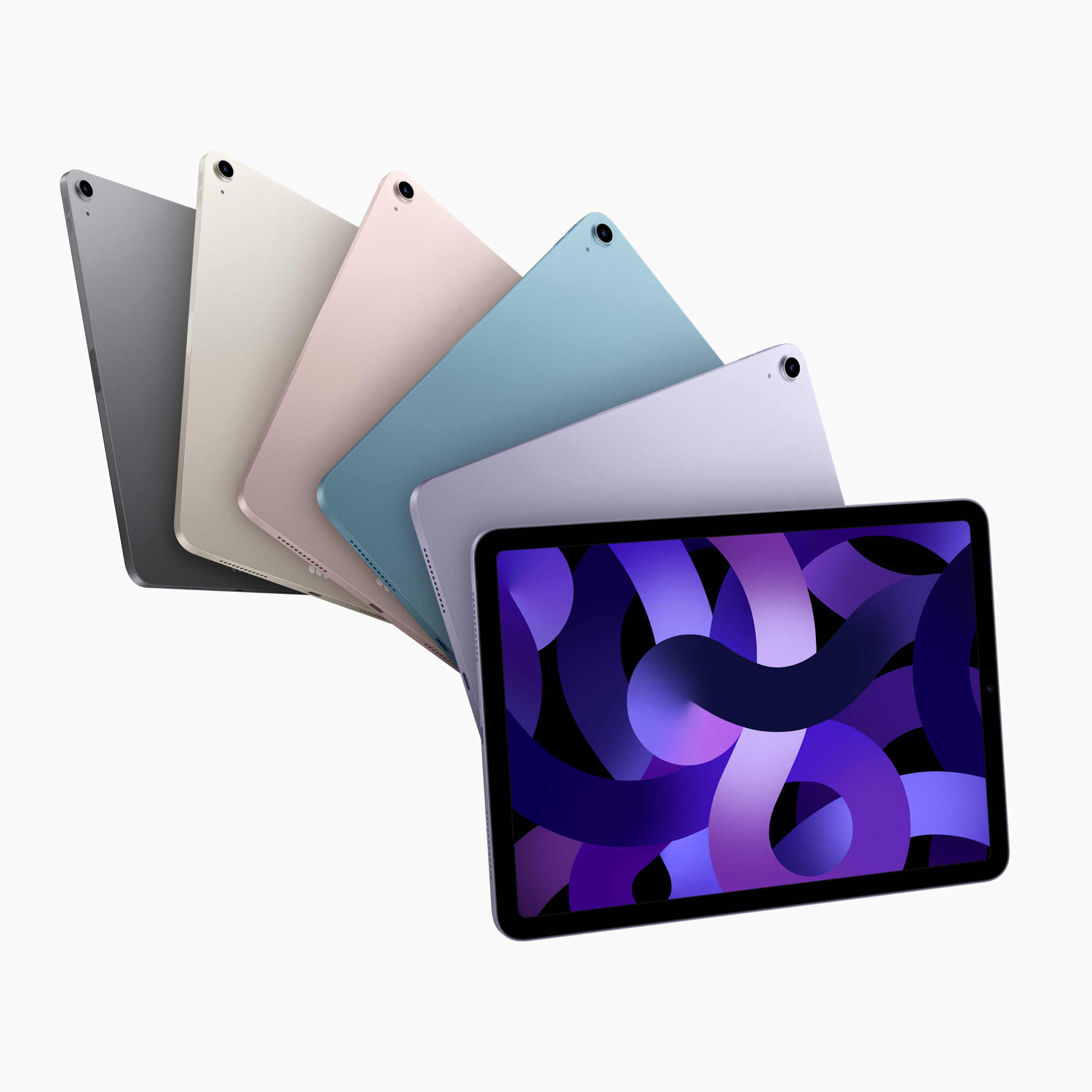
Launched in May 2024, the M2 iPad Air introduces several hardware upgrades and design refinements aimed at bridging the gap between casual consumption and professional productivity. By integrating the M2 silicon and expanding the physical footprint of the device, Apple has repositioned the Air as a versatile tool for students, digital artists, and remote professionals who prioritize screen real estate and processing efficiency.
The M2 iPad Air: A New Era of Performance
The transition to the M2 chip marks the defining characteristic of the current iPad Air generation. Following the success of the M1 version, the M2 brings a substantial boost in computational power and energy efficiency. This silicon is built on an enhanced 5-nanometer process, featuring an 8-core CPU with four performance cores and four efficiency cores. For the user, this translates to roughly 15% faster CPU performance compared to the previous M1 model.
The graphical capabilities have seen an even more significant leap. The M2 chip in the iPad Air includes a 9-core GPU, delivering up to 25% faster graphics performance. This is particularly relevant for the tech-focused demographic that utilizes the iPad for high-resolution video editing in LumaFusion, 3D modeling in Shapr3D, or high-end gaming. The inclusion of a 16-core Neural Engine and a 100GB/s memory bandwidth further ensures that the device can handle AI-driven tasks and heavy multitasking without the thermal throttling often seen in less sophisticated hardware.
Expanded Storage and Memory
For the first time, the iPad Air starts with a base storage of 128GB, doubling the 64GB entry point of its predecessor. This change addresses a long-standing critique from the tech community, as modern apps and high-definition media quickly outpaced the 64GB limit. The current generation also offers configurations of 256GB, 512GB, and a massive 1TB option. Regardless of the storage tier, all models come equipped with 8GB of RAM, providing a smooth experience when using iPadOS features like Stage Manager, which allows for overlapping windows and external display support.
The Landscape Camera Shift
One of the most practical hardware changes in the 6th generation iPad Air is the relocation of the front-facing camera. In previous generations, the camera was positioned on the short edge, which led to an awkward, off-center gaze during video calls when the tablet was attached to a keyboard in landscape mode. The current model features a 12MP Ultra Wide camera located on the long edge (the landscape edge). This ensures that users appear centered during Zoom or FaceTime sessions. The camera also supports Center Stage, the AI-driven feature that uses machine learning to pan and zoom, keeping the subject in frame as they move around the room.
Two Sizes for Greater Versatility
The most visible change to the current generation of iPad Air is the introduction of a second screen size. For years, the Air was restricted to a ~10.9-inch form factor. With the M2 generation, Apple has introduced a 13-inch model alongside the traditional 11-inch version. This expansion allows users to access a large-canvas experience without paying the significant premium associated with the 13-inch iPad Pro.
The 11-inch vs. 13-inch Dynamics
The 11-inch model remains the go-to for portability. It is ideal for handheld use, note-taking in lectures, and travel. However, the new 13-inch model offers nearly 30% more screen area than the 11-inch version. This extra space is a game-changer for split-screen multitasking. Users can comfortably run two apps side-by-side—such as a web browser and a note-taking app—without the UI elements feeling cramped.
While both models use Liquid Retina displays (IPS LCD technology), they differ slightly in peak brightness. The 11-inch model reaches 500 nits, while the 13-inch model hits 600 nits. Both displays support the P3 wide color gamut and True Tone technology, providing accurate color reproduction that is essential for photo editing and graphic design. It is important to note that unlike the iPad Pro, the Air does not feature ProMotion (120Hz refresh rate) or Tandem OLED technology, sticking instead to a standard 60Hz refresh rate to maintain its mid-range price point.
Design and Aesthetics
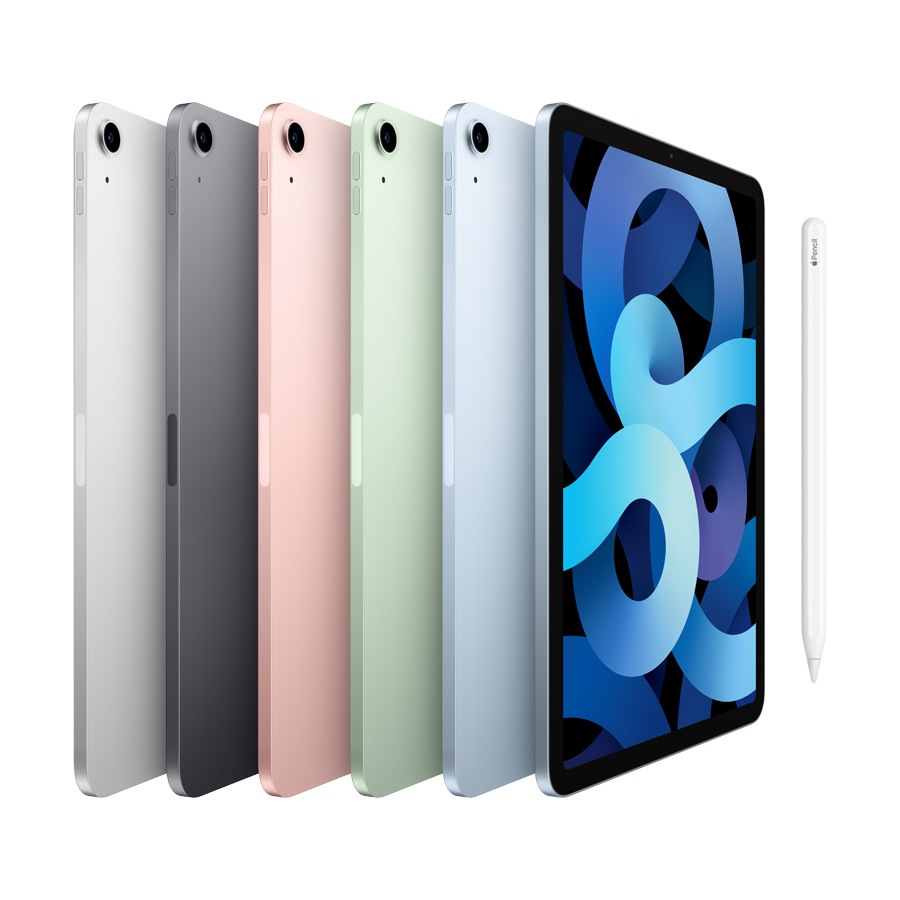
The current generation maintains the modern, flat-edged design language that Apple introduced with the 4th generation iPad Air. The chassis is made from 100% recycled aluminum, reflecting a commitment to environmental sustainability. The color palette for the M2 generation has been updated to include subtle, sophisticated hues: Blue, Purple, Starlight, and Space Gray. Touch ID remains integrated into the top power button, providing secure biometric authentication without the need for the Face ID hardware found in the Pro models.
Integration with the Apple Pencil Pro and Accessories
The 6th generation iPad Air is designed to work with Apple’s latest input devices, specifically the Apple Pencil Pro. This compatibility is a major selling point for creatives and students who rely on precise stylus input. The Apple Pencil Pro introduces several haptic and sensor-based features that were previously unavailable on the Air line.
Precision Tools: Apple Pencil Pro
The Apple Pencil Pro includes a new sensor in the barrel that detects a “squeeze” gesture. This allows users to bring up a tool palette to quickly switch brushes or line weights without interrupting their workflow. Furthermore, a built-in gyroscope enables “barrel roll” functionality, allowing users to rotate the pencil to change the orientation of shaped pen and brush tools, much like a real pen on paper. The iPad Air (M2) also supports the “Hover” feature, where the display detects the pencil tip up to 12mm above the surface, allowing users to see a preview of their mark before they make it.
The Magic Keyboard and Productivity
The iPad Air remains compatible with the Magic Keyboard, turning the tablet into a highly capable laptop replacement. The cantilever design allows for adjustable viewing angles, and the integrated trackpad provides a precision cursor experience within iPadOS. Because the current 13-inch iPad Air shares physical dimensions similar to the previous 12.9-inch iPad Pro, it can utilize the larger keyboard accessories, offering a full-sized typing experience that is indispensable for long-form writing or coding.
Software, Ecosystem, and AI Capabilities
The hardware of the current iPad Air is only half the story; the software ecosystem is what defines its utility. Running on the latest versions of iPadOS, the M2 iPad Air is positioned to take full advantage of Apple’s advancements in artificial intelligence and machine learning.
iPadOS and Stage Manager
Stage Manager is the centerpiece of the iPad’s productivity software. It allows users to create overlapping windows of various sizes in a single view, which was a significant departure from the rigid split-view of older versions. When connected to an external monitor via the USB-C port (which supports 10Gbps data transfer and up to 6K resolution), the M2 iPad Air acts as a dual-screen workstation. The M2 chip ensures that even with multiple high-resolution apps running simultaneously across two screens, the system remains responsive.
Future-Proofing with Apple Intelligence
The current generation of iPad Air is built with “Apple Intelligence” in mind. This is Apple’s personal intelligence system that integrates generative models into the core of the operating system. Because these tasks require significant Neural Engine performance and RAM, the M2 chip with its 8GB of unified memory is the baseline for supporting these features. Users can expect advanced writing tools, image generation capabilities, and a more contextually aware Siri, making the Air a future-proof investment for those interested in the evolving landscape of AI-driven productivity.
Who is the Current iPad Air For?
Identifying the niche for the M2 iPad Air involves looking at the price-to-performance ratio. It starts at a lower price point than the iPad Pro but offers a user experience that is indistinguishable from the Pro for 90% of tasks.
Students and Educators
For the academic sector, the 11-inch M2 iPad Air is arguably the best tablet on the market. It supports the latest Apple Pencil for note-taking and has enough power to last through a four-year degree without feeling sluggish. The 13-inch model, meanwhile, provides a more affordable “digital paper” experience for those who need to annotate large PDF documents or research papers.
The “Prosumer” and Mobile Professional
Professionals who need a secondary device for travel or those whose work is primarily web-based and administrative will find the M2 iPad Air more than sufficient. While the lack of a 120Hz ProMotion display might be a deterrent for high-end video editors, the sheer processing power of the M2 means that the device won’t struggle with 4K video exports or complex spreadsheet calculations.
Comparing the Air to the Pro
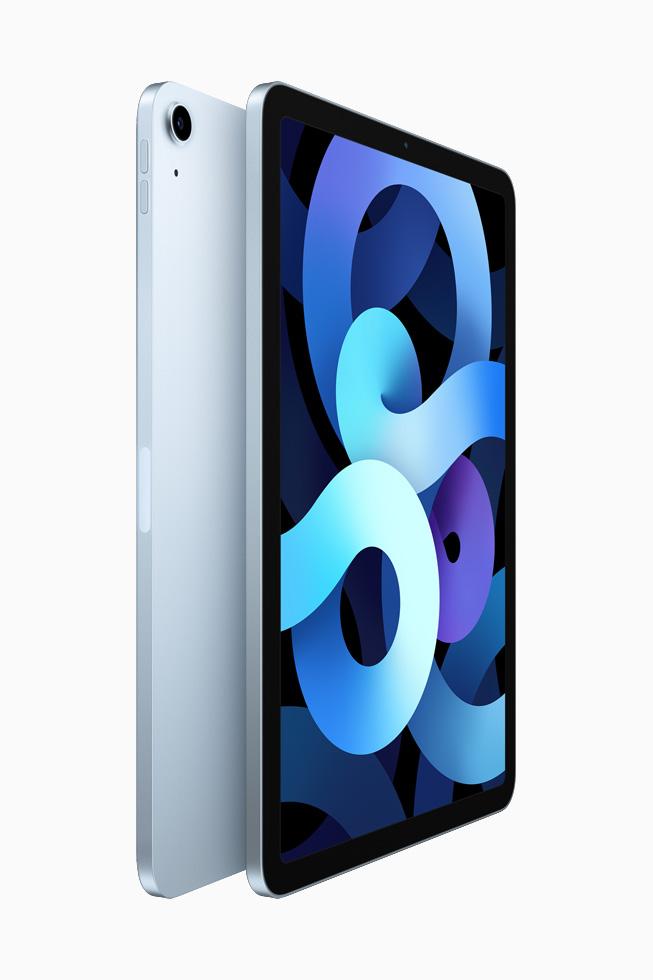
The primary reason to choose the current iPad Air over the M4 iPad Pro is value. While the Pro offers an OLED screen, a thinner design, and the M4 chip, the iPad Air provides the same software capabilities and accessory support at a significantly lower cost. For users who don’t require the extreme brightness of OLED for professional HDR color grading or the niche speed of the M4, the M2 iPad Air represents the peak of practical tablet technology.
In summary, the current generation of iPad Air (6th Gen, M2) is a powerhouse of a device that successfully blurs the line between consumer and professional hardware. By offering two sizes and incorporating the M2 chip, Apple has ensured that the Air remains the most versatile and logical choice for the vast majority of users looking for a modern, high-performance tablet.
aViewFromTheCave is a participant in the Amazon Services LLC Associates Program, an affiliate advertising program designed to provide a means for sites to earn advertising fees by advertising and linking to Amazon.com. Amazon, the Amazon logo, AmazonSupply, and the AmazonSupply logo are trademarks of Amazon.com, Inc. or its affiliates. As an Amazon Associate we earn affiliate commissions from qualifying purchases.