
The landscape of the American housing market is fundamentally shaped by the ebb and flow of interest rates. For prospective homebuyers, current homeowners considering a refinance, and real estate investors, the question of “what is the current average mortgage rate” is more than a mere data point—it is the primary determinant of purchasing power and long-term financial health. In recent years, we have transitioned from a decade of historically low, “near-zero” rates into a more volatile, higher-rate environment driven by global economic shifts and domestic monetary policy. Understanding where rates stand today requires looking beyond a single percentage and examining the complex machinery of the financial markets.
The Economic Forces Shaping Today’s Interest Rates
Mortgage rates do not exist in a vacuum. While many consumers believe the Federal Reserve directly sets the interest rate they pay on a home loan, the reality is more nuanced. The “average” rate reported in the news is a reflection of several interlocking economic gears, primarily the Federal Funds Rate, the 10-year Treasury yield, and the broader outlook on inflation.
The Role of the Federal Reserve and the 10-Year Treasury
The Federal Reserve influences mortgage rates indirectly through its management of the Federal Funds Rate—the rate at which banks lend to one another overnight. When the Fed raises rates to combat inflation, the cost of borrowing increases across the economy. However, mortgage rates track most closely with the 10-year Treasury yield. As investors demand higher yields on government bonds to offset the eroding effects of inflation, mortgage lenders must increase their rates to remain competitive and profitable. This relationship explains why mortgage rates can sometimes move before the Fed even makes an official announcement; the market “prices in” anticipated changes based on economic data.
Inflationary Pressures and Market Sentiment
Inflation is the natural enemy of fixed-income investments like mortgages. If a lender issues a 30-year loan at 4%, but inflation is running at 5%, the real value of the money being paid back to the lender is shrinking. To protect against this, lenders raise rates when inflation is high. Consequently, the current average mortgage rate is a barometer of the market’s confidence in the economy. When consumer price indices show signs of cooling, we often see a corresponding dip in mortgage rates as the “inflation premium” begins to recede.
Breaking Down Average Rates by Loan Type
When discussing the “current average,” it is vital to distinguish between different loan products. A single “national average” rarely tells the full story because different financial structures carry different risk profiles for the lender.
The Conventional 30-Year Fixed-Rate Mortgage
The 30-year fixed-rate mortgage remains the gold standard for American homebuyers. It offers the stability of a consistent monthly payment for three decades, insulating the borrower from future market volatility. Because the lender is committing to a specific rate for such a long duration, these loans typically carry a higher interest rate than shorter-term options. Currently, the average for this product fluctuates significantly based on weekly economic reports, often serving as the primary benchmark for the entire industry.
The 15-Year Fixed-Rate Mortgage: A Faster Path to Equity
For those who can afford higher monthly payments, the 15-year fixed-rate mortgage is an attractive alternative. Because the loan term is shorter, the lender’s risk exposure is reduced, and they are willing to offer a lower interest rate—often 0.5% to 1.0% lower than the 30-year counterpart. This allows the borrower to save tens of thousands of dollars in interest over the life of the loan while building home equity at a much faster pace.
Adjustable-Rate Mortgages (ARMs) and Government-Backed Loans
In high-rate environments, Adjustable-Rate Mortgages (ARMs) often see a surge in popularity. An ARM typically offers a lower “teaser” rate for an initial period (such as 5, 7, or 10 years) before adjusting annually based on market indices. While this can provide short-term relief and higher initial affordability, it carries the risk of significant payment increases in the future. Additionally, government-backed loans like FHA and VA mortgages often feature average rates that are slightly lower than conventional loans, though they may come with specific insurance premiums or eligibility requirements that affect the total cost of borrowing.
Why Your Personal Rate May Differ from the National Average
The average mortgage rate reported by organizations like Freddie Mac or Fannie Mae is based on “prime” borrowers—those with exceptional financial profiles. Most consumers will find that the quote they receive from a lender differs from the national headline. Several personal financial factors dictate this discrepancy.
The Power of the Credit Score
Your credit score is arguably the most influential factor in determining your specific interest rate. Lenders use this three-digit number to gauge the likelihood that you will default on your loan. A borrower with a score of 760 or higher will almost always qualify for the lowest available rates. Conversely, a borrower with a score in the 620 to 660 range might face a rate that is 1% to 1.5% higher than the average, representing a significant increase in the total cost of the home.
Down Payments and Loan-to-Value Ratios
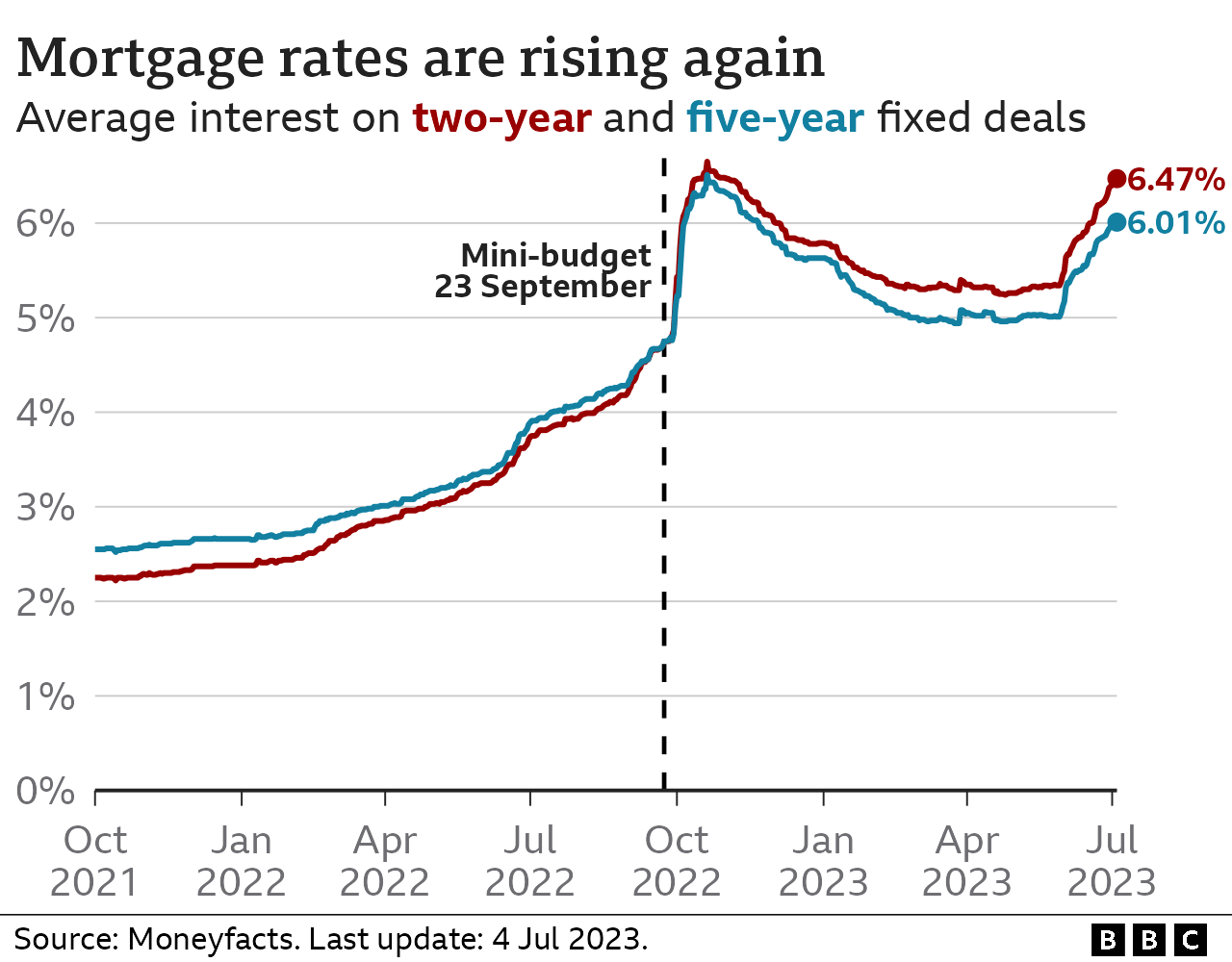
The amount of “skin in the game” you have also impacts your rate. A larger down payment reduces the lender’s risk. If you provide a 20% down payment, you achieve a Loan-to-Value (LTV) ratio of 80%, which is the threshold for avoiding Private Mortgage Insurance (PMI) and often unlocks better interest rate tiers. Borrowers putting down 3.5% or 5% are viewed as higher risk, which is often reflected in a slightly higher interest rate or additional monthly fees.
Debt-to-Income (DTI) and Employment History
Lenders want to ensure that you have the cash flow to manage your new mortgage alongside your existing debts. A high Debt-to-Income ratio—meaning your monthly debt obligations consume a large portion of your gross income—can lead to higher rates or even loan denial. Similarly, a stable, two-year employment history in the same field provides lenders with the confidence that your income is reliable, further influencing the terms of the loan.
Navigating the Market: How to Secure the Best Possible Rate
In a climate where interest rates are a central concern, savvy financial planning can help you secure a rate that is better than the national average. It requires a proactive approach and an understanding of the tools available to modern borrowers.
The Art of Mortgage Rate Shopping
One of the most common mistakes homebuyers make is accepting the first rate quote they receive. Research consistently shows that borrowers who get quotes from at least three different lenders can save thousands of dollars over the life of their loan. Different institutions—national banks, credit unions, and online mortgage brokers—have different overhead costs and “appetites” for risk, leading to variations in the rates they offer.
Understanding Discount Points and Lender Credits
Borrowers have the option to “buy down” their interest rate through discount points. One point typically costs 1% of the loan amount and reduces the interest rate by approximately 0.25%. This is a strategic move for those who plan to stay in their home for a long time, as the long-term interest savings will eventually outweigh the upfront cost. On the other side of the spectrum, lender credits allow a borrower to pay a higher interest rate in exchange for the lender covering some or all of the closing costs.
Timing the Market vs. Timing Your Life
While it is tempting to wait for rates to drop, “timing the market” is notoriously difficult, even for professional economists. If you find a home that fits your needs and budget, many experts suggest “marrying the house and dating the rate.” This philosophy implies that you should purchase the property now and plan to refinance into a lower rate if and when the market shifts downward in the future.
The Long-Term Outlook for the Mortgage Market
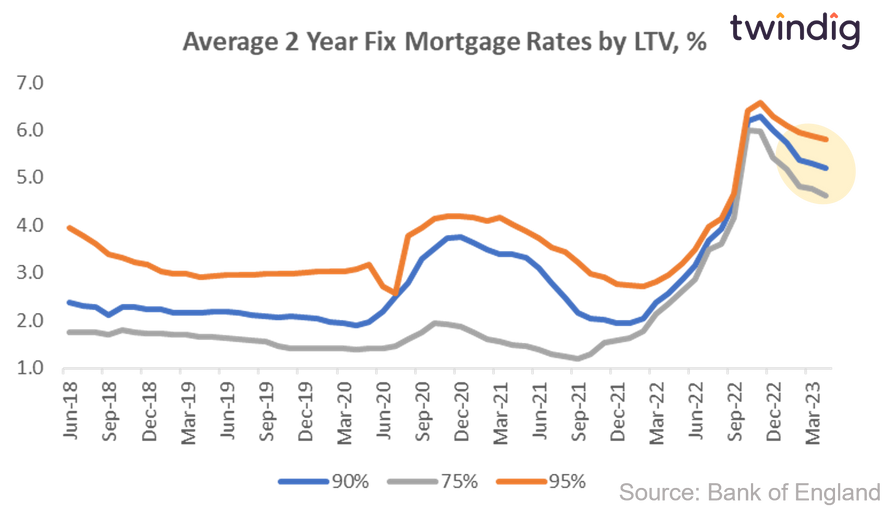
As we look toward the future, the current average mortgage rate serves as a reminder of the cyclical nature of finance. We are moving away from the era of “free money” and into a period where fiscal discipline and strategic planning are paramount. The trajectory of rates will continue to be dictated by the global fight against inflation and the resilience of the labor market.
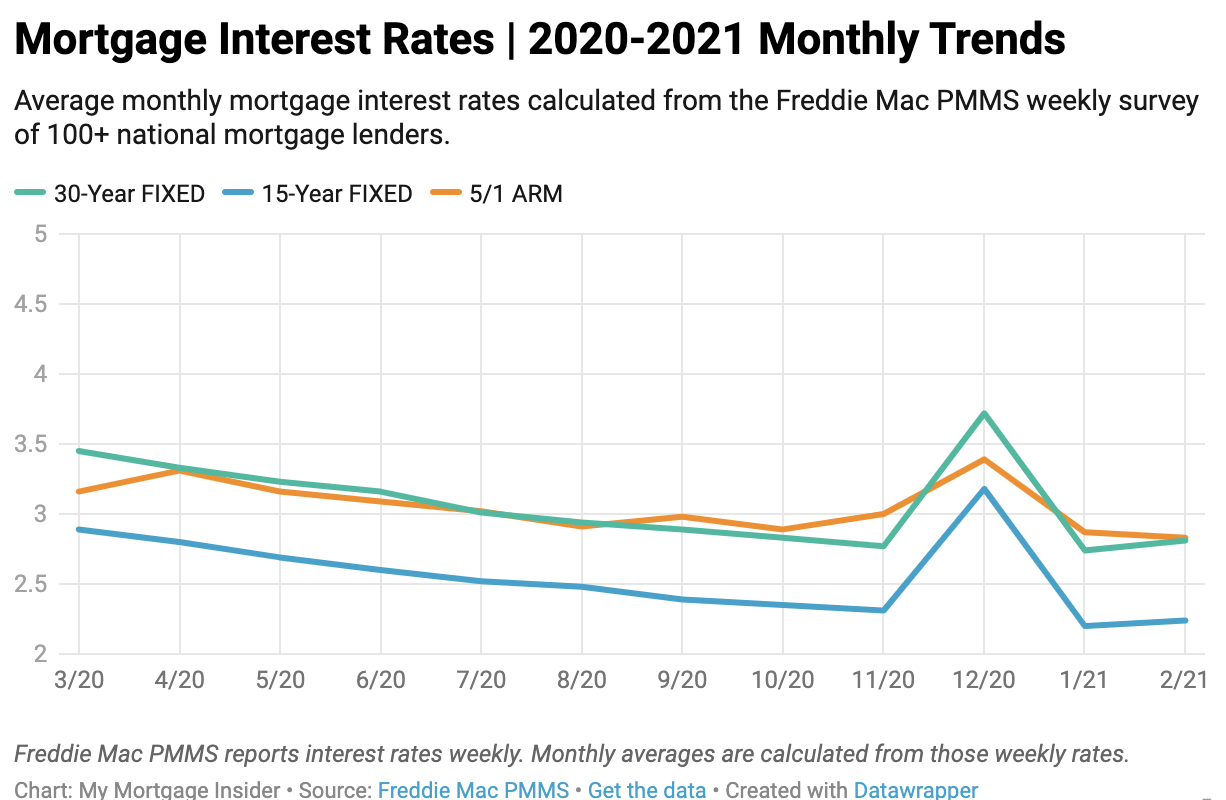
For the modern investor or homeowner, the key is not to be discouraged by rates that are higher than the historic lows of 2020 and 2021. Instead, the focus should be on building a robust financial profile—improving credit scores, reducing DTI, and saving for larger down payments—to ensure that you remain a “prime” candidate regardless of where the national average sits. By staying informed and understanding the underlying mechanics of mortgage pricing, you can navigate the complexities of personal finance with confidence and secure a stable foundation for your financial future.
aViewFromTheCave is a participant in the Amazon Services LLC Associates Program, an affiliate advertising program designed to provide a means for sites to earn advertising fees by advertising and linking to Amazon.com. Amazon, the Amazon logo, AmazonSupply, and the AmazonSupply logo are trademarks of Amazon.com, Inc. or its affiliates. As an Amazon Associate we earn affiliate commissions from qualifying purchases.