
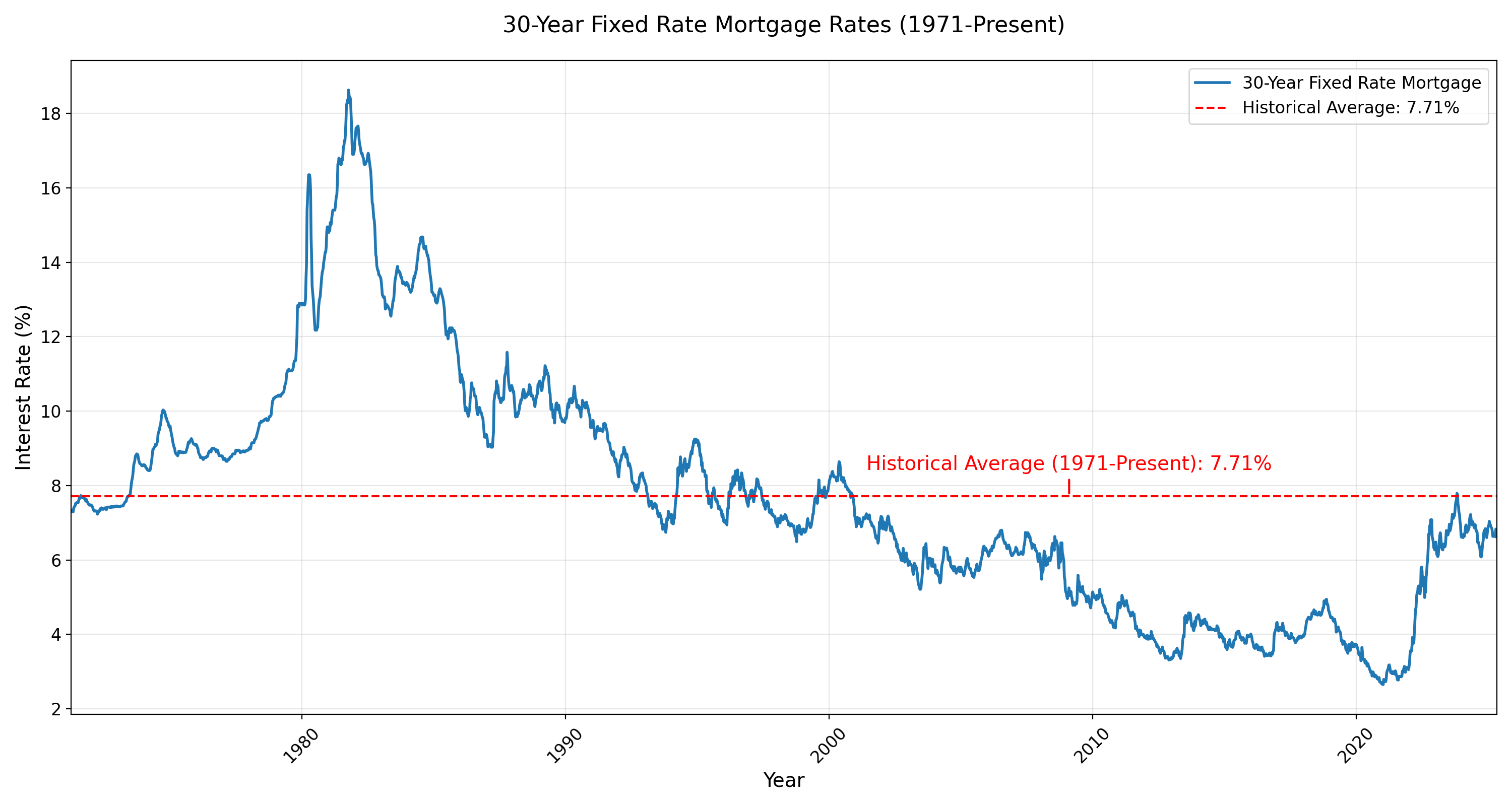
The pursuit of homeownership remains a cornerstone of the American dream, a significant financial milestone for countless individuals and families. At the heart of this dream for many is the 30-year fixed-rate mortgage, a financing vehicle renowned for its stability and predictability. However, the exact “current” rate is a moving target, influenced by a complex interplay of economic forces, central bank policies, and individual financial profiles. Understanding these dynamics is crucial for anyone contemplating a home purchase or a refinance in today’s evolving market.
This article delves into the intricacies of the 30-year mortgage, dissecting the factors that shape its rates, offering strategies for navigating the market, and highlighting the broader financial implications of this long-term commitment.
Understanding the 30-Year Fixed-Rate Mortgage
The 30-year fixed-rate mortgage is, by far, the most popular choice for homebuyers in the United States. Its appeal stems from a combination of stability, affordability, and a clear repayment schedule that spans three decades.
The Stability of Fixed Rates
The primary allure of a fixed-rate mortgage is its predictability. Once you lock in your interest rate, that rate remains constant for the entire 30-year term of the loan. This means your principal and interest payment will never change, regardless of how interest rates fluctuate in the broader economy. This stability allows homeowners to budget with confidence, shielding them from the potential shock of rising payments often associated with adjustable-rate mortgages (ARMs). For many, especially first-time homebuyers or those planning to stay in their homes for an extended period, this certainty provides invaluable peace of mind. It simplifies long-term financial planning and mitigates risk in an otherwise volatile market.
How the 30-Year Term Works
A 30-year mortgage involves amortizing the loan over 360 monthly payments. While the fixed interest rate ensures a consistent payment for principal and interest, the distribution of these components changes over time. In the early years, a larger portion of your monthly payment goes towards interest, with only a small fraction reducing the principal balance. As the loan matures, this ratio gradually shifts, with more of your payment applied to the principal. This extended amortization schedule results in lower monthly payments compared to shorter-term loans (like a 15-year mortgage), making homeownership more accessible for many. However, the trade-off is that you will pay significantly more interest over the life of the loan due to the longer repayment period. This extended horizon also means that building equity, especially through principal payments, can be a slower process in the initial stages of the loan.
Who Benefits Most?
The 30-year fixed-rate mortgage is particularly advantageous for several groups of borrowers:
- First-Time Homebuyers: The lower monthly payments often make it easier to qualify for a larger loan amount and manage housing costs alongside other financial obligations.
- Long-Term Residents: Individuals or families who plan to stay in their homes for many years benefit most from the rate stability, as they are less exposed to market fluctuations over the long run.
- Budget-Conscious Individuals: Those who prioritize predictable monthly expenses and wish to avoid the uncertainty of fluctuating interest rates find the fixed payment invaluable for financial planning.
- Homeowners with Other Financial Goals: The lower mortgage payment can free up cash flow for other investments, savings, or debt repayment, providing flexibility in personal finance management.
Factors Influencing Today’s Mortgage Rates
Mortgage rates are not set in stone; they are dynamic and respond to a multitude of domestic and international economic forces. Understanding these key drivers is essential for grasping why rates move the way they do.
Economic Indicators
The health of the broader economy plays a pivotal role in shaping mortgage rates. Key indicators that lenders and investors closely watch include:
- Inflation: When inflation rises, the purchasing power of money diminishes. Lenders demand higher interest rates to compensate for this erosion, expecting to be paid back with money that has less value. Conversely, low inflation typically allows for lower rates.
- Job Reports: Strong employment figures, indicating a healthy job market and economic growth, can signal potential inflationary pressures, often leading to higher rates. Weak job numbers might suggest an economic slowdown, potentially pushing rates lower.
- Gross Domestic Product (GDP) Growth: A robust GDP suggests a strong economy, which can contribute to higher rates as demand for credit increases and inflation concerns grow.
- Consumer Confidence: High consumer confidence often translates to increased spending and borrowing, which can indirectly influence rates upwards.
Federal Reserve Policy
While the Federal Reserve does not directly set mortgage rates, its monetary policy decisions have a profound indirect impact.
- Federal Funds Rate: The Fed’s primary tool is adjusting the federal funds rate, the target rate for overnight lending between banks. While this is a short-term rate, changes ripple through the financial system, influencing other rates, including longer-term rates like mortgages. When the Fed raises rates to combat inflation, it typically leads to higher mortgage rates.
- Quantitative Easing/Tightening: During economic crises, the Fed might engage in quantitative easing, buying large quantities of government bonds and mortgage-backed securities to inject liquidity into the market and push long-term rates down. Conversely, quantitative tightening involves reducing its balance sheet, which can put upward pressure on rates.
The Bond Market
Mortgage rates are intrinsically linked to the bond market, particularly U.S. Treasury yields.
- 10-Year Treasury Yield: The yield on the 10-year Treasury note is often seen as a benchmark for long-term interest rates, including mortgages. Mortgage-backed securities (MBS), which are bundles of home loans sold to investors, compete with Treasuries for investor attention. When Treasury yields rise, MBS yields (and thus mortgage rates) generally follow suit to remain competitive.
- Investor Demand: The demand for MBS also impacts rates. Strong demand can push rates down, while weak demand might cause them to rise. Factors like economic outlook, perceived risk, and global events can all influence investor sentiment towards bonds.
Lender-Specific Factors
Beyond macroeconomic forces, an individual borrower’s financial profile significantly impacts the rate they are offered.
- Credit Score: A higher credit score (e.g., FICO score of 740+) indicates a lower risk to lenders, often qualifying borrowers for the best available rates. Lower scores typically result in higher rates or even denial.
- Debt-to-Income (DTI) Ratio: This ratio compares your monthly debt payments to your gross monthly income. A lower DTI (generally below 43%) signals that you can comfortably manage your new mortgage payment, making you a more attractive borrower.
- Loan-to-Value (LTV) Ratio: This is the ratio of the loan amount to the home’s appraised value. A lower LTV (meaning a larger down payment) reduces the lender’s risk, often leading to better rates.
- Down Payment: A substantial down payment not only lowers your LTV but also demonstrates your financial commitment and capacity, frequently resulting in more favorable loan terms and avoiding private mortgage insurance (PMI).
- Loan Type: While we focus on 30-year fixed, variations like FHA, VA, or USDA loans have specific eligibility and rate structures that can differ from conventional loans.
Navigating the Current Mortgage Rate Landscape
Given the dynamic nature of mortgage rates, proactive strategies are essential for securing the most favorable terms.
The Volatility of the Market
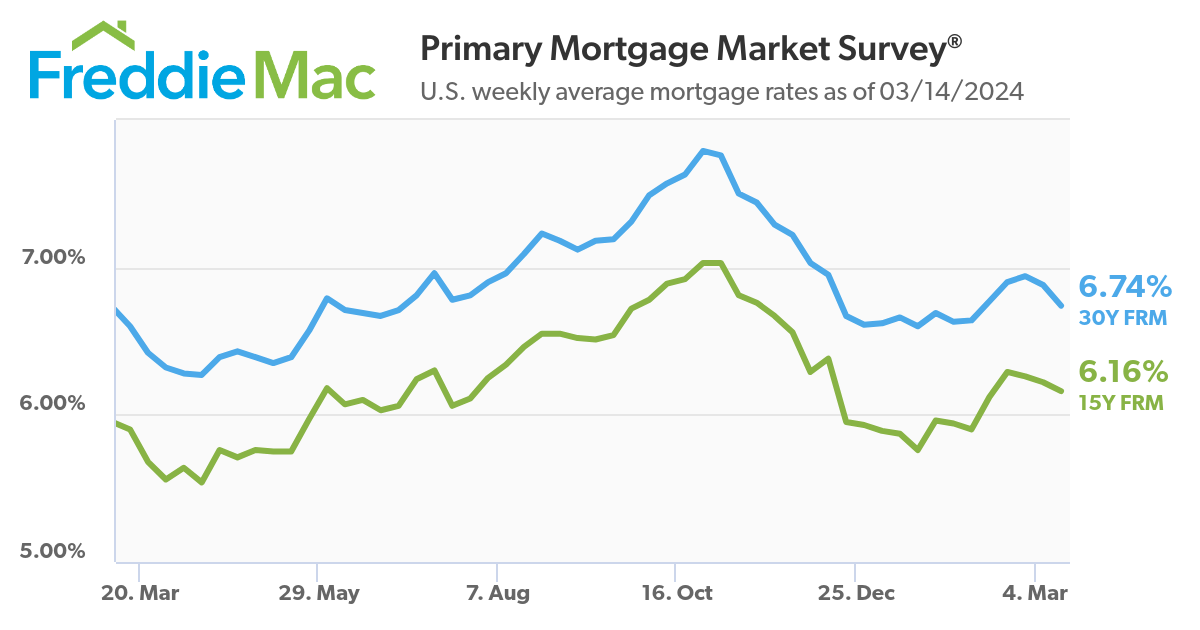
Mortgage rates are highly sensitive and can fluctuate daily, sometimes even hourly, in response to economic news, market sentiment, and global events. A promising jobs report, a sudden geopolitical shift, or even a statement from the Federal Reserve can cause rates to tick up or down. This volatility means that the “current” rate you see one morning might be different by the afternoon or the next day. It emphasizes the need for vigilance and timely action when you are close to making a borrowing decision. Tools that provide daily rate updates and market commentary can be invaluable resources during this period.
Strategies for Rate Shopping
Never settle for the first quote you receive. Shopping around for mortgage rates can save you thousands of dollars over the life of the loan.

- Compare Multiple Lenders: Contact at least three to five different lenders, including large banks, credit unions, and mortgage brokers. Each lender has different overheads, risk appetites, and product offerings, which can result in varying rates and fees.
- Get Quotes on the Same Day: To ensure an apples-to-apples comparison, request quotes from all lenders on the same day. This minimizes the impact of market fluctuations on your comparison.
- Provide Consistent Information: Give each lender the same personal financial details (credit score range, loan amount, down payment, property type) to receive accurate and comparable quotes.
- Utilize Mortgage Brokers: A mortgage broker works with multiple lenders and can often find competitive rates without you having to approach each institution individually. They can be particularly helpful for complex financial situations.
Locking in Your Rate
Once you find a rate you like, consider locking it in. A rate lock guarantees that the lender will honor a specific interest rate for a set period, typically 30 to 60 days, while your loan application is processed.
- Timing is Key: Lock your rate when you are confident in your lender and the rate offered, and when you anticipate closing within the lock period. Locking too early might mean missing out if rates drop further, while locking too late could expose you to increases.
- Understand Lock Terms: Be aware of any fees associated with extending a rate lock if your closing is delayed. Some lenders offer a “float down” option, which allows you to take advantage of lower rates if they drop significantly after your initial lock, usually for a fee.
The Role of Mortgage Points
Mortgage points, also known as discount points, are essentially prepaid interest. One point equals 1% of the loan amount.
- Buying Down the Rate: By paying points upfront at closing, you can lower your interest rate for the entire term of the loan. This can result in significant savings over the long run, especially if you plan to stay in the home for many years.
- Analyzing the Breakeven Point: To determine if paying points is worthwhile, calculate the “breakeven point.” Divide the cost of the points by the monthly savings achieved from the lower rate. If you plan to stay in the home longer than the breakeven point, buying points can be financially beneficial. Conversely, if you anticipate moving or refinancing sooner, paying points might not make sense.
Beyond the Rate: Hidden Costs and Long-Term Implications
Focusing solely on the interest rate can be a narrow approach. A comprehensive understanding of mortgage financing requires looking at the full cost of borrowing and its long-term financial ramifications.
Understanding APR vs. Interest Rate
While the interest rate determines your monthly principal and interest payment, the Annual Percentage Rate (APR) provides a more holistic view of the loan’s total cost.
- APR as the True Cost: The APR includes not only the interest rate but also certain fees and charges associated with obtaining the loan, such as origination fees, discount points, and private mortgage insurance (PMI) premiums. It’s expressed as a percentage and represents the true annual cost of borrowing.
- Comparing Offers: When comparing loan offers from different lenders, always compare the APR, not just the interest rate. A loan with a slightly higher interest rate but lower fees might have a lower APR and thus be a better deal overall.
Closing Costs and Fees
Closing costs are a collection of expenses paid at the time of loan settlement, typically ranging from 2% to 5% of the loan amount. These are distinct from the interest rate but add significantly to the upfront cost of homeownership.
- What to Expect: Common closing costs include loan origination fees, appraisal fees, title insurance, attorney fees, recording fees, escrow fees, and prepaid property taxes and homeowner’s insurance premiums.
- Negotiating and Shopping: While some fees are fixed, others can be negotiated or shopped for. For example, you can often shop for title insurance or choose your own attorney. Be sure to review the Loan Estimate provided by your lender, which details all closing costs, and compare it across different lenders.
The Power of Refinancing
Refinancing involves replacing your existing mortgage with a new one, often to secure a lower interest rate, change the loan term, or tap into home equity.
- When It Makes Sense: Refinancing is often considered when interest rates have dropped significantly since you obtained your original loan, when your credit score has improved, or when you want to switch from an adjustable-rate to a fixed-rate mortgage for greater stability. It can lead to lower monthly payments or substantial interest savings over the life of the loan.
- Costs of Refinancing: Be mindful that refinancing involves new closing costs, similar to your original purchase. It’s crucial to calculate the breakeven point to ensure the savings outweigh these upfront expenses.
Building Home Equity
Beyond providing a roof over your head, a mortgage is a critical tool for building wealth through home equity.
- Equity Growth: Equity is the portion of your home that you own outright. It grows in two primary ways: through principal payments on your mortgage and through appreciation in your home’s value.
- Financial Leverage: As your equity increases, it provides a valuable financial asset. You can leverage this equity through home equity loans, lines of credit (HELOCs), or cash-out refinances to finance other goals, such as home renovations, education, or debt consolidation. This makes your home a tangible investment that can serve multiple financial purposes over time.
Making an Informed Decision in Today’s Market
Navigating the mortgage market, especially for a 30-year fixed loan, requires careful consideration and a strategic approach. The “current” rate is just one piece of a much larger financial puzzle.
Assessing Your Financial Readiness
Before even looking at rates, a thorough assessment of your personal financial situation is paramount.
- Budgeting: Create a detailed budget to understand your current income and expenses, and determine how a new mortgage payment will fit into your overall financial picture. Factor in not just principal and interest, but also property taxes, homeowner’s insurance, and potential maintenance costs.
- Emergency Fund: Ensure you have a robust emergency fund (typically 3-6 months of living expenses) to cover unforeseen circumstances without jeopardizing your mortgage payments.
- Debt Management: Aim to reduce high-interest debt before taking on a mortgage. A lower debt burden improves your DTI ratio and can qualify you for better rates.
Consulting with Professionals
Leveraging expertise can make a significant difference in your mortgage journey.
- Financial Advisors: A financial advisor can help you integrate your mortgage decision into your broader financial plan, considering your long-term goals, risk tolerance, and investment strategy.
- Mortgage Lenders/Brokers: These professionals can explain different loan products, clarify terms, guide you through the application process, and help you understand the nuances of current rates and fees. Don’t hesitate to ask probing questions about all aspects of the loan.
Future Outlook and Personal Strategy
While predicting future rates with certainty is impossible, staying informed about economic forecasts and central bank signals can help you anticipate market trends. Ultimately, your mortgage decision should align with your personal financial strategy.
- Short-Term vs. Long-Term Goals: Are you buying a starter home for a few years, or do you intend for this to be your forever home? Your timeframe influences whether a fixed-rate mortgage is truly the best fit, or if other options like adjustable-rate mortgages might suit a shorter tenure.
- Risk Tolerance: The stability of a 30-year fixed rate appeals to those with a low tolerance for financial risk, providing certainty in an uncertain world.
- Continual Monitoring: Even after securing your mortgage, periodically review prevailing rates. If rates drop significantly, refinancing could present an opportunity to save money or adjust your loan terms further down the line.
In conclusion, while the specific “current 30-year mortgage rate” will always be a snapshot of a particular moment, understanding the underlying economic forces, the options available, and the long-term financial implications empowers homebuyers to make informed and strategic decisions, turning the dream of homeownership into a financially sound reality.
aViewFromTheCave is a participant in the Amazon Services LLC Associates Program, an affiliate advertising program designed to provide a means for sites to earn advertising fees by advertising and linking to Amazon.com. Amazon, the Amazon logo, AmazonSupply, and the AmazonSupply logo are trademarks of Amazon.com, Inc. or its affiliates. As an Amazon Associate we earn affiliate commissions from qualifying purchases.