
In the intricate landscape of academic achievement, few metrics carry as much weight and potential impact as the Cumulative Grade Point Average (GPA). Often perceived solely as an academic scorecard, the cumulative GPA is, in reality, a powerful financial indicator, a gatekeeper to opportunities, and a silent determinant of one’s future economic trajectory. Far from being a mere collection of grades, it serves as a critical asset in an individual’s financial portfolio, influencing everything from the cost of education to long-term earning potential. Understanding its profound financial implications is paramount for anyone navigating the path of higher education and beyond.
The Core Concept: Understanding Cumulative GPA as a Financial Metric
At its heart, the cumulative GPA is a numerical representation of a student’s overall academic performance across all courses taken throughout their academic career. While its definition seems straightforward, its role extends far beyond the classroom, subtly shaping financial outcomes and investment returns on education.
Defining Cumulative GPA and Its Calculation
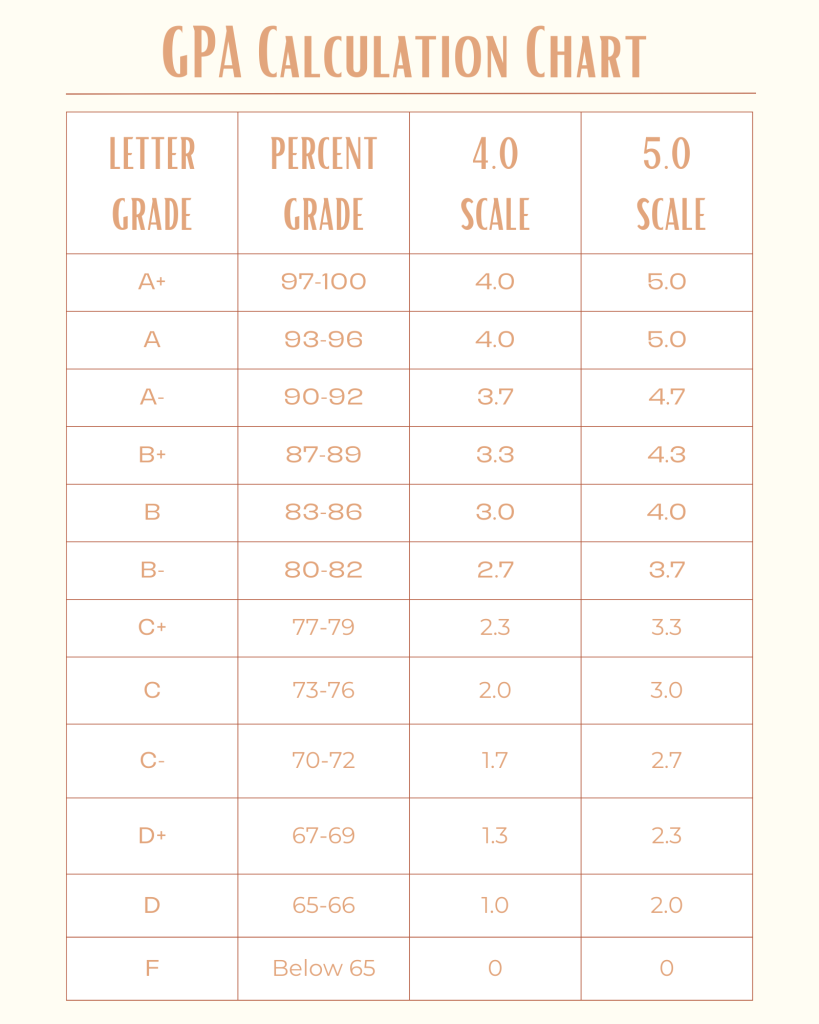
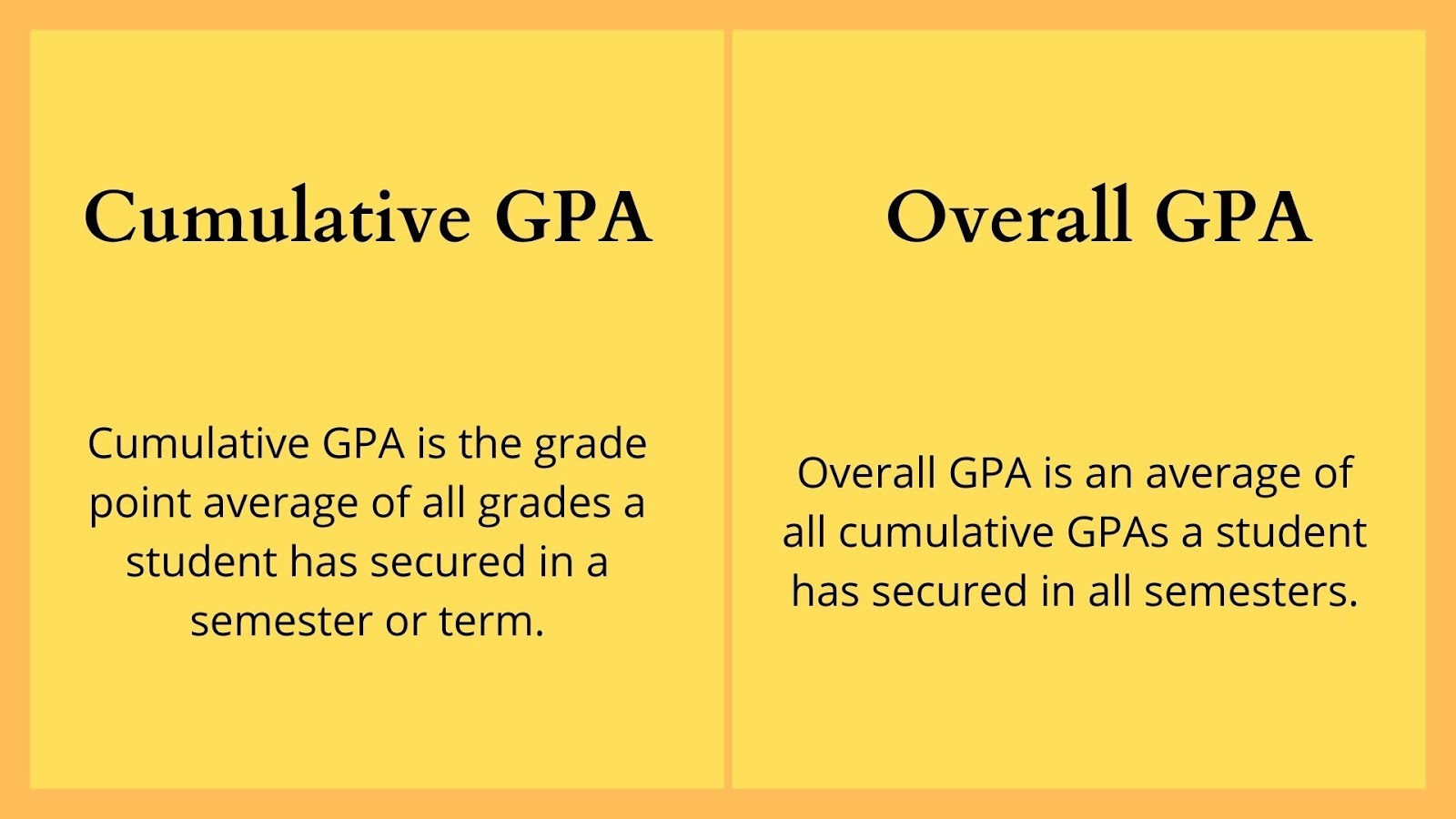
The cumulative GPA is calculated by taking the sum of all quality points earned (grade value multiplied by credit hours for each course) and dividing it by the total number of credit hours attempted. For instance, an ‘A’ might be worth 4 quality points per credit hour, a ‘B’ worth 3, and so on. This calculation provides a single, weighted average that reflects a student’s academic standing over multiple semesters, quarters, or years. Unlike a single-term GPA, which resets each period, the cumulative GPA builds, embodying the entirety of one’s academic journey. It’s a holistic measure, capturing consistency, dedication, and intellectual growth over time.
Distinguishing from Term GPA: Why Cumulative Matters More for Financial Planning
While a term GPA offers a snapshot of performance in a specific academic period, the cumulative GPA is the figure that truly carries financial gravitas. A single poor term might slightly dip the cumulative GPA, but a sustained pattern of low grades can have irreversible consequences. For financial planning, institutions, scholarship committees, and future employers invariably look to the cumulative figure. It’s this overarching number that determines eligibility for significant financial aid, academic honors, progression into competitive programs, and even initial employment prospects. Focusing solely on short-term gains (or losses) in a single term can obscure the critical importance of maintaining a strong, steady cumulative average.
The Long-Term Financial Shadow: An Invisible Asset or Liability
Think of your cumulative GPA as an invisible asset (or liability) that you carry. A high cumulative GPA is like a robust credit score for your academic journey—it opens doors to better financial products, lower costs, and increased opportunities. Conversely, a low cumulative GPA can be a significant financial burden, limiting access to funding, narrowing career options, and potentially increasing the total cost of education through repeated courses or extended study. It’s a measure of your human capital investment; the better the GPA, the higher the perceived return on the substantial financial and time investment in education. Recognizing this early transforms GPA from a mere academic score into a strategic financial tool to be managed and optimized.
Direct Financial Impact: Scholarships, Aid, and Reduced Debt
One of the most immediate and tangible financial benefits of a strong cumulative GPA lies in its power to unlock financial resources and significantly reduce the burden of educational debt. It acts as a key to accessing “free money” and maintaining critical support throughout one’s academic career.
Unlocking Merit-Based Scholarships and Grants
Merit-based scholarships and grants are the holy grail of financial aid, offering funds that do not need to be repaid. The primary criterion for the vast majority of these opportunities is a high cumulative GPA. Universities often award institutional scholarships based on incoming students’ high school GPAs, and require current students to maintain a certain cumulative GPA to retain these awards. External organizations, foundations, and corporate sponsors similarly use GPA as a filter to identify high-achieving candidates deserving of their financial support. Securing even one significant scholarship can save thousands of dollars, directly offsetting tuition, fees, and living expenses, thereby reducing the need for loans. For example, a student with a 3.8 cumulative GPA might qualify for a $10,000 annual scholarship, saving $40,000 over a four-year degree – a substantial financial gain directly attributable to academic performance.
Maintaining Financial Aid Eligibility and Avoiding SAP Issues
Beyond scholarships, a satisfactory cumulative GPA is often a non-negotiable requirement for maintaining eligibility for various forms of federal and state financial aid, including Pell Grants, Stafford Loans, and other need-based programs. Institutions establish “Satisfactory Academic Progress” (SAP) policies, which typically mandate a minimum cumulative GPA (e.g., 2.0 or 2.5 on a 4.0 scale), a minimum completion rate of attempted credits, and a maximum timeframe for degree completion. Failing to meet these SAP standards due to a low cumulative GPA can result in the suspension or termination of financial aid, forcing students to either pay out-of-pocket, take on more private loans (often with higher interest rates), or even drop out. This directly translates to increased financial pressure and potential long-term debt.
Reducing Student Loan Burden and Long-Term Savings
Every dollar obtained through scholarships or grants thanks to a strong GPA is a dollar that doesn’t need to be borrowed. Given the rising cost of higher education and the national student loan debt crisis, minimizing borrowing is a critical financial strategy. A student who consistently maintains a high cumulative GPA can significantly reduce their reliance on student loans. Over the course of a degree, this can mean tens of thousands of dollars saved in principal, and even more in interest payments that would accrue over repayment periods spanning decades. The compounding effect of interest on loans means that a dollar saved today through a scholarship translates into much more than a dollar saved in the future. By strategically managing their GPA, students are actively engaging in proactive debt management and securing their financial future.
Future Earnings and Career Trajectory: The Investment in Human Capital
The financial impact of cumulative GPA extends far beyond the immediate costs of education, acting as a crucial determinant of future earning potential, career advancement, and the overall return on investment in one’s human capital.
Gatekeeper to Higher Education and Specializations
For many high-paying professions, a bachelor’s degree is merely a stepping stone. Graduate and professional schools (e.g., medical school, law school, business school for an MBA, PhD programs) are often prerequisites for entering fields with significantly higher earning potentials. Admission to these competitive programs is heavily reliant on a strong cumulative undergraduate GPA. A high GPA not only makes an applicant more attractive but can also qualify them for graduate-level scholarships, fellowships, and assistantships that further reduce the cost of advanced degrees. Without a competitive GPA, these doors remain closed, potentially limiting access to lucrative career paths and hindering long-term financial growth.
Enhancing Job Market Competitiveness and Starting Salaries
In a competitive job market, especially for entry-level positions, employers often use cumulative GPA as an initial screening tool. Companies, particularly in finance, consulting, engineering, and tech sectors, frequently set GPA cutoffs (e.g., 3.0 or 3.5) for applicants to even be considered for interviews. A strong GPA signals diligence, intellectual capability, and a strong work ethic—qualities highly valued by employers. Beyond securing interviews, a higher GPA can also translate into higher starting salaries. Companies know that academic success often correlates with professional success, and they are willing to pay a premium for top talent. This initial salary advantage can compound over a career, leading to significantly higher lifetime earnings.
Strategic Career Pivots and Opportunities
A robust academic record, anchored by a strong cumulative GPA, provides flexibility and opens doors to a wider array of career opportunities. It can facilitate transitions into different industries, enable access to prestigious internships that often lead to full-time offers, and even support entrepreneurial ventures by showcasing analytical rigor and discipline. For individuals considering careers that require certifications or licenses, a solid academic foundation can make the qualifying exams easier to pass. The financial freedom derived from a broader range of high-paying career options empowers individuals to pursue roles that align better with their passions and long-term financial goals, rather than being confined to less desirable or lower-paying alternatives.
The ROI of Education: Maximizing Your Degree’s Value
Education is one of the most significant financial investments an individual will make. The return on this investment (ROI) is not solely measured by the acquisition of knowledge but by the economic opportunities it unlocks. A high cumulative GPA directly maximizes this ROI. It ensures that the substantial time, effort, and financial resources invested in tuition, books, and living expenses yield the greatest possible dividends in terms of reduced debt, increased earning potential, and broader career choices. Conversely, a low GPA can diminish this ROI, leading to a degree that cost the same but provides fewer financial benefits, potentially leaving graduates with substantial debt and fewer prospects.
Practical Strategies for GPA Management and Financial Gain
Given the profound financial implications of cumulative GPA, managing it effectively should be a strategic priority, integrated into one’s broader financial planning.
Proactive Academic Planning and Resource Utilization
Maintaining a high GPA starts with proactive planning. This includes carefully selecting courses that align with one’s strengths and career goals, understanding course rigor, and balancing academic load. Developing effective study habits, time management skills, and utilizing academic support resources such as tutoring centers, writing labs, and professor office hours are critical. Investing time in these strategies is an indirect investment in future financial stability. Think of each study session as contributing to a future scholarship application or a higher starting salary negotiation.
Monitoring Progress and Early Intervention
Students should regularly monitor their academic progress, understanding how each grade contributes to their cumulative GPA. Many universities provide GPA calculators or tools to project future GPA based on current performance and anticipated grades. Early intervention is key: if grades start to slip, seeking help immediately from academic advisors, instructors, or support services can prevent a minor setback from becoming a long-term financial detriment. Being aware of SAP requirements and proactively addressing any potential issues can safeguard financial aid eligibility.
Strategic Debt Management and Scholarship Applications
Active pursuit of scholarships should be an ongoing process, not just at the beginning of one’s academic journey. Students with strong cumulative GPAs should continuously seek out and apply for a diverse range of scholarships, both internal and external, that match their academic profile. Simultaneously, understanding student loan terms, interest rates, and repayment options becomes crucial. A high GPA indirectly aids debt management by reducing the amount needing to be borrowed in the first place, but smart borrowing and repayment strategies are also essential.

Beyond the Number: Holistic Financial Planning
While cumulative GPA is undeniably a critical financial metric, it is part of a larger ecosystem of success. Holistic financial planning also encompasses networking, gaining practical experience through internships and part-time jobs, developing soft skills, and building a professional portfolio. These elements, when combined with a strong academic record, create a powerful personal brand that maximizes financial opportunities. A high GPA opens the door, but a well-rounded profile helps you walk through it and thrive.
In conclusion, the question “What is the cumulative GPA?” transcends a simple academic definition. It unveils a complex, multifaceted financial instrument that dictates access to capital, influences future income, and defines the ultimate return on investment in education. By recognizing cumulative GPA not just as a score, but as a critical financial asset, students can adopt a more strategic approach to their academic journey, leveraging their scholastic achievements to build a foundation for lasting financial success and stability.
aViewFromTheCave is a participant in the Amazon Services LLC Associates Program, an affiliate advertising program designed to provide a means for sites to earn advertising fees by advertising and linking to Amazon.com. Amazon, the Amazon logo, AmazonSupply, and the AmazonSupply logo are trademarks of Amazon.com, Inc. or its affiliates. As an Amazon Associate we earn affiliate commissions from qualifying purchases.