
In the contemporary landscape of digital security, particularly for organizations operating within or alongside the federal supply chain, the term “CUI Basic” has become a cornerstone of compliance and data protection. Controlled Unclassified Information (CUI) represents a massive category of data that, while not classified under high-level national security protocols like “Secret” or “Top Secret,” still requires significant safeguarding and dissemination controls. As cyber threats evolve and industrial espionage becomes more sophisticated, understanding the nuances of CUI Basic is no longer optional for technology providers, defense contractors, and research institutions; it is a fundamental requirement for operational viability.
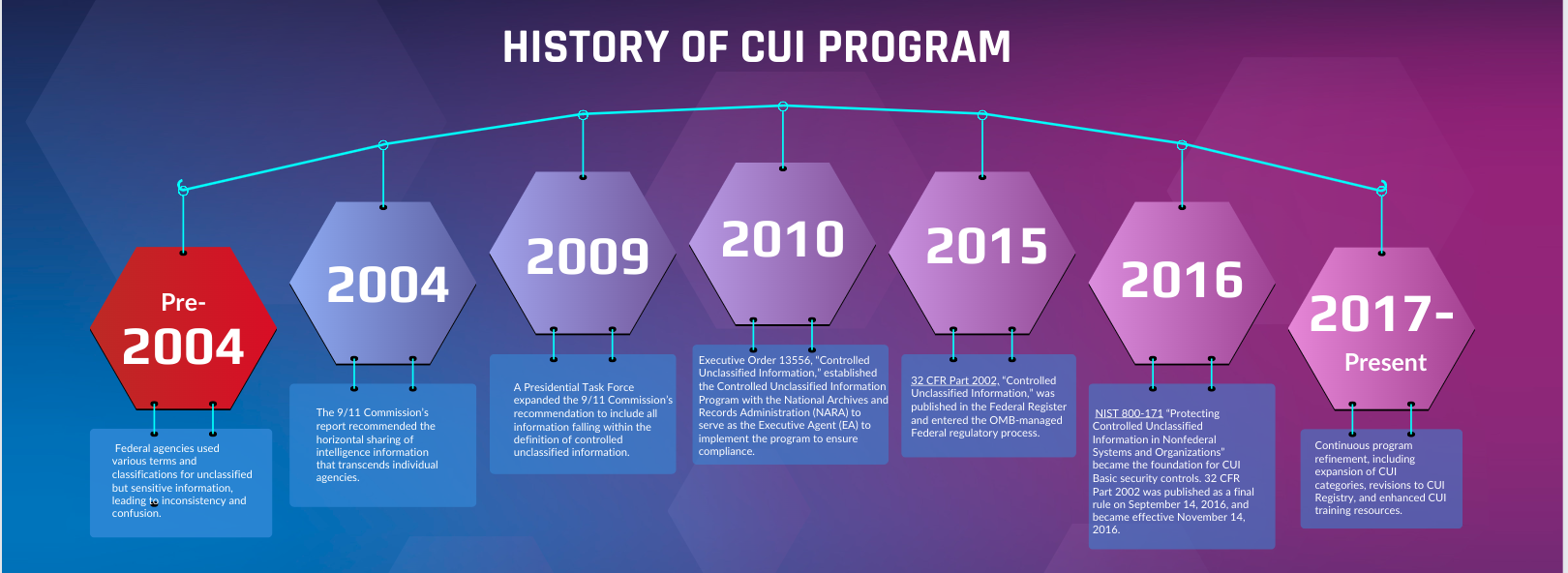
The CUI program was established to standardize the way the Executive branch handles unclassified information that requires protection. Before its inception, various agencies used an array of “Sensitive But Unclassified” (SBU) labels, leading to confusion, inconsistent security postures, and inefficient information sharing. CUI Basic serves as the default standard within this framework, providing a uniform baseline for digital security.
Defining CUI Basic in the Modern Regulatory Landscape
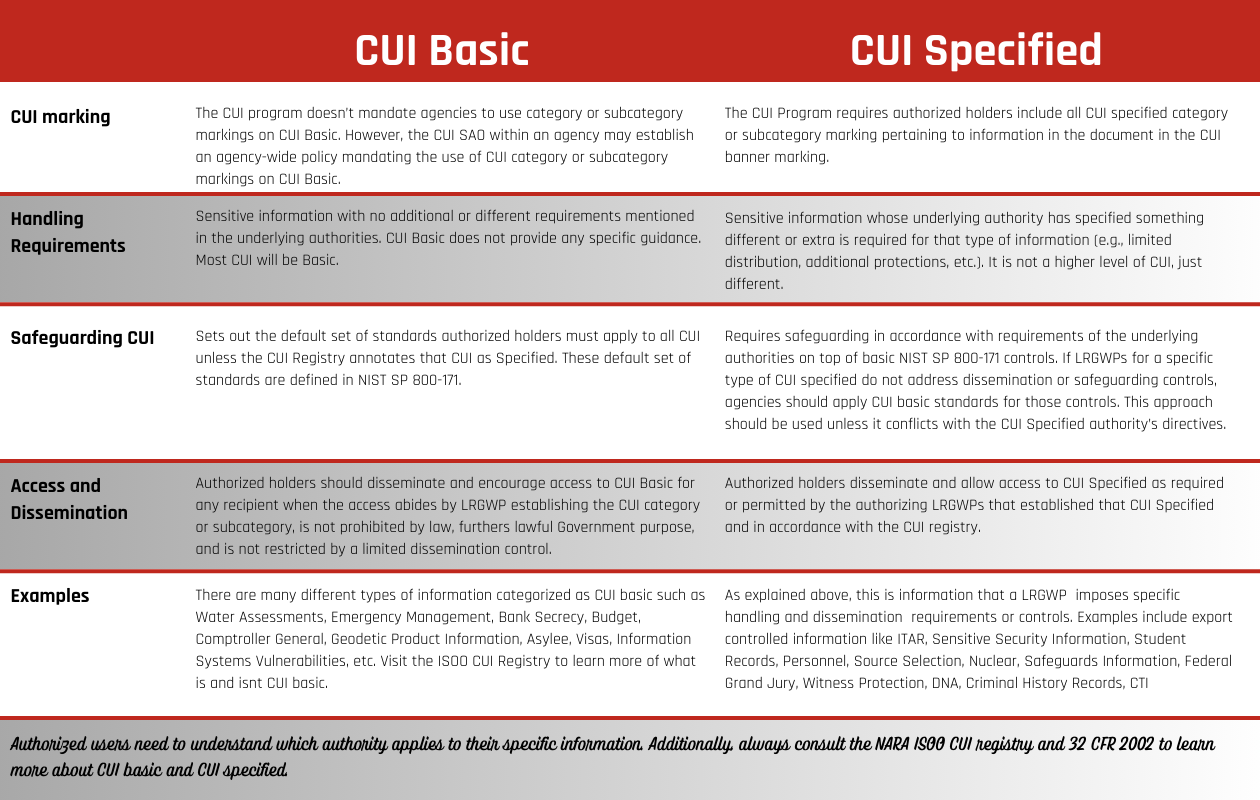
To understand CUI Basic, one must first look at the broader Controlled Unclassified Information framework established by Executive Order 13556. This order was designed to move away from the ad-hoc agency-specific markings and toward a government-wide policy. CUI is divided into two primary categories: CUI Basic and CUI Specified.
The Origins of Controlled Unclassified Information
The transition to a unified CUI framework was driven by the need for interoperability. In the decade following 2001, it became clear that the lack of a standardized system for protecting sensitive information hindered the ability of different departments to collaborate effectively. Tech firms working with the Department of Defense (DoD) often found themselves navigating a maze of contradictory requirements. By establishing CUI Basic, the government created a “floor” for security—a set of protective measures that apply whenever a more specific law, regulation, or government-wide policy does not demand more stringent controls.
CUI Basic vs. CUI Specified
The distinction between CUI Basic and CUI Specified is critical for digital security architecture. CUI Basic is the subset of CUI for which the authorizing law, regulation, or government-wide policy does not set out specific handling or dissemination controls. For CUI Basic, agencies and their contractors follow the standard protections outlined in the CUI Registry and NIST SP 800-171.
In contrast, CUI Specified is information for which the governing authority mandates more specific or enhanced controls. For example, some types of nuclear information or sensitive financial records might have specific handling instructions that go beyond the baseline. If you are handling CUI Basic, you are following the standard operating procedure for the majority of sensitive government-related data.
The Technical Infrastructure of CUI Protection (NIST SP 800-171)
The technical implementation of CUI Basic protections is governed largely by the National Institute of Standards and Technology (NIST) Special Publication 800-171. This document outlines the requirements for protecting CUI in non-federal systems and organizations. For a technology provider, adhering to CUI Basic requirements means implementing 110 security controls across 14 different families.
Access Control and Identity Management
One of the primary pillars of securing CUI Basic is ensuring that only authorized users have access to the data. This involves more than just passwords; it requires a robust identity and access management (IAM) strategy. Under the CUI Basic framework, organizations must limit information system access to authorized users and processes acting on behalf of authorized users.
Technically, this involves implementing Multi-Factor Authentication (MFA) for all local and network access to privileged accounts and for all network access to non-privileged accounts. From a digital security perspective, this significantly reduces the risk of credential-based attacks. Furthermore, the “principle of least privilege” must be enforced, ensuring that users only have access to the specific CUI necessary for their job functions.
System and Communications Protection
CUI Basic requires a high level of network security to prevent unauthorized disclosure during transmission. This includes the use of FIPS-validated cryptography to protect the confidentiality of CUI when stored on mobile devices or transmitted over open networks. Digital security teams must implement “boundary protection,” such as firewalls and gateways, to monitor and control communications at the external and internal boundaries of the information system.
The technical requirement also extends to the “separation of duties.” By preventing a single individual from having control over all aspects of a critical transaction or system function, the organization mitigates the risk of insider threats or accidental data exposure.
Audit and Accountability: Tracking the Digital Footprint
A vital component of CUI Basic is the ability to reconstruct events if a breach occurs. Organizations must create, protect, and retain information system audit records to the extent needed to enable the monitoring, analysis, investigation, and reporting of unlawful, unauthorized, or inappropriate information system activity.
This means that every time CUI Basic is accessed, modified, or moved, there must be a digital paper trail. Sophisticated Security Information and Event Management (SIEM) tools are often employed to aggregate these logs and provide real-time alerts for suspicious behavior. Without robust audit capabilities, a firm cannot prove compliance or effectively remediate a security incident.
Implementation Challenges in Digital Security Ecosystems
While the framework for CUI Basic is clearly defined, the actual implementation within a complex tech environment presents several hurdles. Modern organizations rely on cloud services, remote workforces, and intricate supply chains, all of which complicate the perimeter of CUI protection.
Data Encryption and Integrity
Securing CUI at rest and in transit is a technical necessity. For CUI Basic, encryption must meet specific standards, typically FIPS 140-2 or 140-3. This requirement can be difficult for organizations using legacy systems that do not natively support modern encryption protocols. Digital security officers must conduct thorough audits of their hardware and software stacks to ensure that every point where CUI is stored—from server backups to employee laptops—is encrypted according to the mandate.
Moreover, data integrity is paramount. Controls must be in place to detect unauthorized changes to CUI Basic. This often involves hash functions and digital signatures that can verify the data has not been tampered with since it was originally generated or received.
Managing the Supply Chain Risk
CUI Basic is rarely confined to a single entity. It flows through a supply chain of subcontractors, cloud service providers, and consultants. Under current regulations (such as DFARS 252.204-7012 in the defense sector), the responsibility for protecting CUI Basic flows down the chain. This means a primary contractor is responsible for ensuring their subcontractors also meet the NIST 800-171 standards.
This creates a significant digital security management overhead. Tech companies must vet their vendors’ security postures, often requiring third-party audits or self-attestations. If a subcontractor in the fourth tier of a project suffers a breach involving CUI Basic, the repercussions can cascade up the chain, leading to legal liability and the loss of future contracts.
The Road to Compliance: CMMC 2.0 and Beyond
The future of CUI Basic protection is currently being shaped by the Cybersecurity Maturity Model Certification (CMMC) 2.0. This initiative by the Department of Defense is designed to move away from self-attestation toward a model of verified compliance.
Assessment and Validation
Under CMMC 2.0, the requirements for CUI Basic are aligned with Level 2 (Advanced). Organizations handling CUI Basic will be required to undergo third-party assessments to prove they have implemented the 110 NIST 800-171 controls. This is a paradigm shift for many tech firms that previously relied on internal checklists.
The validation process involves a deep dive into the company’s digital security policies, technical configurations, and employee training programs. It is no longer enough to “have a firewall”; a company must demonstrate how that firewall is configured, managed, and audited to protect CUI Basic specifically.
The Business Impact of CUI Basic Compliance
While the technical and administrative burden of protecting CUI Basic is high, the business impact of non-compliance is even higher. In the current geopolitical climate, the government is increasingly aggressive in enforcing data security standards. Organizations that fail to protect CUI Basic risk being barred from government contracts, facing False Claims Act litigation, and suffering irreparable brand damage.
Conversely, mastering the protection of CUI Basic can be a competitive advantage. It demonstrates to partners and clients that the organization has a mature, institutionalized approach to digital security. In an era where data is the most valuable asset, being a “trusted custodian” of sensitive information is a powerful market differentiator.
In conclusion, CUI Basic is the foundational standard for protecting the vast amount of sensitive, yet unclassified, information that fuels the modern industrial and governmental machine. By adhering to the technical controls of NIST 800-171 and preparing for the rigorous validation of CMMC, organizations can secure their digital borders, protect national interests, and ensure their continued participation in the global digital economy. Understanding CUI Basic is not just a matter of checking boxes; it is about building a resilient, security-first culture in an increasingly transparent and dangerous digital world.
aViewFromTheCave is a participant in the Amazon Services LLC Associates Program, an affiliate advertising program designed to provide a means for sites to earn advertising fees by advertising and linking to Amazon.com. Amazon, the Amazon logo, AmazonSupply, and the AmazonSupply logo are trademarks of Amazon.com, Inc. or its affiliates. As an Amazon Associate we earn affiliate commissions from qualifying purchases.