
The digital asset landscape is a maelstrom of innovation, speculation, and transformative potential. Every day, new projects emerge, promising to redefine finance, commerce, and even our understanding of value. Amidst this vibrant, often volatile, ecosystem, one question resonates with investors, entrepreneurs, and financial strategists alike: “What is the cryptocurrency of the future?” This isn’t merely a quest to identify the next breakout investment; it’s an inquiry into the fundamental shifts shaping global finance, a search for the digital assets that will not only endure but also underpin the economic infrastructure of tomorrow.
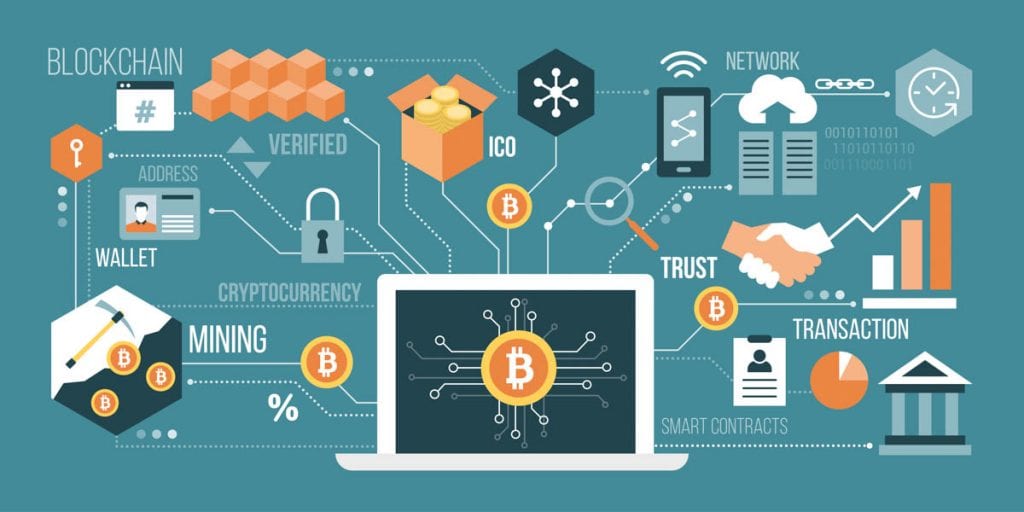
The answer is unlikely to be a single coin or token. Instead, it will be a confluence of technologies, regulatory frameworks, and societal adoption that propels a category of cryptocurrencies, or perhaps a select few, into mainstream financial utility. The “cryptocurrency of the future” will be characterized by its ability to solve real-world financial problems, offer superior economic efficiency, attract institutional capital, and operate within a framework that fosters trust and stability. This article delves into the critical characteristics and emerging categories that will define the financial powerhouses of the next generation.
Beyond Speculation: Core Pillars of Future Crypto Success
To identify the cryptocurrency of the future, one must look beyond short-term price movements and market hype. True, enduring financial success for a digital asset will be built upon a foundation of core functionalities that address the limitations of current financial systems and meet the demands of a global, digital economy.
Scalability and Efficiency
For a cryptocurrency to truly become a financial cornerstone, it must possess the ability to handle a massive volume of transactions quickly and at a low cost. Traditional payment networks process tens of thousands of transactions per second; for cryptocurrencies to compete or surpass this, particularly for microtransactions or high-frequency trading, scalability is paramount. A system plagued by high gas fees or slow confirmation times will never achieve widespread financial adoption among consumers and businesses. The future cryptocurrency will demonstrate a clear path to managing global financial throughput, whether through optimized Layer-1 protocols, effective Layer-2 scaling solutions, or novel consensus mechanisms. Economic viability hinges on transaction efficiency, directly impacting the cost of doing business and the practicality of daily financial interactions.
Robust Security and Decentralization
The foundational promise of cryptocurrency lies in its security and decentralization. A future-proof digital asset must offer uncompromised protection against fraud, hacks, and censorship. This means a truly decentralized network, free from single points of failure, where no single entity can control or manipulate the ledger. For investors, security translates directly into asset protection and trust in the underlying technology. Decentralization ensures that the financial system built upon it remains permissionless and resistant to arbitrary intervention, a critical feature for fostering economic freedom and attracting diverse capital flows. Any compromise on these fronts undermines the very value proposition of digital assets as an alternative or complement to traditional finance.
Real-World Utility and Adoption
While store-of-value narratives are compelling, the cryptocurrency of the future must exhibit tangible real-world utility that extends beyond mere speculation. This means integration into daily financial lives: enabling seamless payments, facilitating international remittances, powering decentralized lending and borrowing platforms, or tokenizing real-world assets. Widespread adoption by merchants, financial institutions, and everyday users is the ultimate litmus test for financial relevance. Cryptocurrencies that solve identifiable economic problems—like reducing cross-border transfer fees, providing access to credit for the unbanked, or creating transparent supply chains—will naturally accrue value and cement their place in the global financial architecture. The network effect of practical utility is what transforms a volatile asset into a stable, value-generating financial instrument.
Emerging Categories Shaping the Financial Landscape
The cryptocurrency ecosystem is not monolithic. Various categories of digital assets are vying for dominance, each addressing different financial needs and offering distinct investment opportunities. The “cryptocurrency of the future” will likely emerge from one or more of these evolving sectors.
Layer-1 Blockchains and Ecosystems
These are the foundational networks (e.g., Ethereum, Solana, Cardano, Avalanche) that serve as the backbone for decentralized applications (dApps), decentralized finance (DeFi), and NFTs. The race among Layer-1s is for developer mindshare, user adoption, and overall ecosystem growth. Investors in this space are betting on the fundamental infrastructure that will host future financial innovation. The “future” here implies a Layer-1 that successfully balances scalability, security, and decentralization, while fostering a thriving economic environment through low transaction costs and robust tooling for financial product development. Their success will dictate the viability of entire segments of the digital economy.
Stablecoins: The Bridge to Traditional Finance
Stablecoins, digital assets pegged to the value of fiat currencies (like USD) or other stable assets, are crucial for bridging the volatile crypto world with traditional finance. They serve as reliable mediums of exchange, facilitate global remittances, enable efficient trading and hedging strategies, and offer a haven during market downturns. For the future of finance, stablecoins provide the necessary stability for everyday transactions, payroll, and corporate treasury management, acting as digital dollars that can move with the speed and efficiency of blockchain networks. Their growing use as a payment rail underscores their financial importance.
Decentralized Finance (DeFi) Protocols
DeFi represents a paradigm shift in financial services, offering permissionless, transparent, and censorship-resistant alternatives to traditional banking, lending, insurance, and asset management. Protocols facilitating lending, borrowing, decentralized exchanges (DEXs), and yield farming are creating new financial primitives and investment strategies. The cryptocurrency of the future will undoubtedly involve tokens that govern and power these DeFi ecosystems, generating real economic value through fees, liquidity provision, and innovative financial products. Investors in DeFi are funding the architecture of a new, more inclusive, and efficient global financial system.
Tokenized Assets and Real-World Assets (RWAs)

The tokenization of real-world assets—from real estate and fine art to commodities and equities—is poised to revolutionize traditional finance. By representing tangible assets as digital tokens on a blockchain, new levels of liquidity, fractional ownership, transparency, and accessibility are unlocked. This sector transforms illiquid assets into tradable digital instruments, opening up new investment opportunities for a global audience and streamlining complex asset management processes. The future cryptocurrency ecosystem will heavily feature tokens representing a vast array of real-world financial instruments, making investment more accessible and efficient.
Regulatory Clarity and Institutional Adoption: The Catalyst for Growth
While technological prowess and inherent utility are vital, the widespread financial integration and long-term viability of any cryptocurrency hinges significantly on external factors: regulatory environments and the embrace by established financial institutions.
Navigating the Regulatory Labyrinth
The lack of consistent, clear regulatory frameworks globally remains a significant impediment to mainstream crypto adoption. However, as governments and international bodies begin to understand and legislate digital assets, a path toward stability emerges. The cryptocurrency of the future will operate within a clear, defined legal and regulatory landscape that fosters investor confidence, ensures market integrity, and provides consumer protection. This clarity will de-risk institutional participation and unlock massive pools of capital that are currently hesitant to enter an uncertain legal environment. Regulations, far from being stifling, can provide the necessary guardrails for sustained financial growth.
The Influx of Institutional Capital
When major financial players—hedge funds, investment banks, asset managers, and corporations—enter the cryptocurrency space, it signifies a profound shift from a niche, retail-driven market to a mature financial asset class. This institutional influx brings not only vast sums of capital but also increased legitimacy, sophisticated financial products (like crypto ETFs and derivatives), and robust infrastructure. The “cryptocurrency of the future” will be one that attracts and sustains significant institutional interest, as their participation validates its long-term investment potential and integrates it more deeply into the global financial system. Their due diligence and capital allocation provide a strong vote of confidence.
Central Bank Digital Currencies (CBDCs) and Their Impact
The emergence of Central Bank Digital Currencies (CBDCs) from sovereign nations is a pivotal development. While not cryptocurrencies in the decentralized sense, CBDCs will digitalize fiat currencies, potentially streamlining domestic and international payments. The “cryptocurrency of the future” will need to either coexist with, complement, or effectively compete against CBDCs. This could mean stablecoins playing a crucial role in bridging private crypto ecosystems with state-backed digital money, or decentralized Layer-1s offering superior functionality that even CBDCs cannot match for specific use cases like DeFi. Understanding their interaction is key to predicting future financial landscapes.
The Investor’s Lens: Identifying Long-Term Value
For investors seeking to identify the cryptocurrency of the future, a strategic and analytical approach is paramount. This isn’t merely about picking a winner but understanding the underlying economic drivers and managing inherent risks.
Fundamental Analysis in a Nascent Market
Traditional fundamental analysis, while adapted, is crucial. Investors must assess the project’s whitepaper, its proposed use case, the problem it solves, the strength and experience of its development team, its tokenomics (how the token is distributed, used, and accrued value), the vibrancy of its community, and its partnerships. Does it have a clear path to generating revenue or delivering tangible economic value? Is its market capitalization justified by its current utility and future potential? Thorough due diligence on these factors is essential for evaluating long-term investment viability in a market often driven by hype.
Diversification and Risk Management
The cryptocurrency market is notoriously volatile. Identifying the “cryptocurrency of the future” means acknowledging that absolute certainty is impossible. Therefore, diversification across different categories of digital assets (Layer-1s, stablecoins, DeFi tokens, tokenized assets) and even within traditional asset classes is a prudent investment strategy. Proper risk management, including setting clear investment goals, understanding risk tolerance, and never investing more than one can afford to lose, is non-negotiable in this high-growth, high-risk environment. The focus should be on building a resilient portfolio capable of weathering market cycles.
The Macroeconomic Environment
Cryptocurrency markets do not exist in a vacuum. Global macroeconomic trends—inflation, interest rates, geopolitical stability, and broader market sentiment—significantly influence digital asset valuations. Understanding how these factors impact investor behavior, capital flows, and the overall appetite for risk assets is vital. For example, periods of high inflation might make certain cryptocurrencies (like Bitcoin, to some) more attractive as a hedge, while rising interest rates could reduce liquidity and dampen speculative enthusiasm. Astute investors track these macro forces to better position their crypto portfolios for long-term growth.

Conclusion
The quest to identify the “cryptocurrency of the future” is a multifaceted journey that traverses technology, finance, and global policy. It’s less about a singular digital currency and more about the characteristics of an entire financial ecosystem. The enduring digital assets will be those that offer unparalleled scalability, robust security, genuine real-world utility, and seamless integration into a regulated, institutionally-supported financial framework. They will empower individuals and businesses, reduce friction in global commerce, and offer new avenues for wealth creation and financial inclusion.
While projects like Ethereum continue to innovate, and new Layer-1s challenge the status quo, the future will likely see a diverse portfolio of digital assets fulfilling different roles—stablecoins for transactions, Layer-1s for foundational infrastructure, and DeFi protocols for new financial services. The investor who focuses on fundamental value, understands market dynamics, navigates regulatory changes, and employs sound risk management principles will be best positioned to benefit from the transformative potential of the digital economy. The cryptocurrency of the future isn’t just a technological marvel; it’s a financial revolution in progress, constantly adapting and evolving to meet the economic demands of a globalized, digital world.
aViewFromTheCave is a participant in the Amazon Services LLC Associates Program, an affiliate advertising program designed to provide a means for sites to earn advertising fees by advertising and linking to Amazon.com. Amazon, the Amazon logo, AmazonSupply, and the AmazonSupply logo are trademarks of Amazon.com, Inc. or its affiliates. As an Amazon Associate we earn affiliate commissions from qualifying purchases.