
Navigating the final stages of life involves more than emotional and medical preparation; it requires a rigorous assessment of financial resources and insurance eligibility. When discussing the criteria for hospice, many families focus solely on the clinical aspects. However, from a personal finance and estate planning perspective, the “criteria” are fundamentally rooted in insurance coverage, Medicare regulations, and the preservation of household wealth. Understanding these financial benchmarks is essential for any comprehensive financial plan, ensuring that high-quality care is accessible without decimating an estate.
In the realm of personal finance, hospice care represents one of the most significant “benefits” available to the elderly, yet it remains one of the most misunderstood. This article examines the financial criteria for hospice, focusing on the Medicare Hospice Benefit, private insurance structures, and the long-term economic impact of choosing hospice over traditional curative treatments.
The Financial Foundation of Hospice Care: Medicare Part A
For the vast majority of individuals, the primary criteria for hospice are dictated by the Centers for Medicare & Medicaid Services (CMS). From a financial standpoint, hospice is a unique benefit because it shifts the payment structure from a “fee-for-service” model to a “per-diem” capitated model.
The Medicare Hospice Benefit Eligibility
To meet the financial criteria for the Medicare Hospice Benefit, an individual must be enrolled in Medicare Part A (Hospital Insurance). The “Money” aspect of this criteria is vital: once a patient elects the hospice benefit, they are essentially choosing to divert their Medicare funding from curative treatments to palliative comfort care.
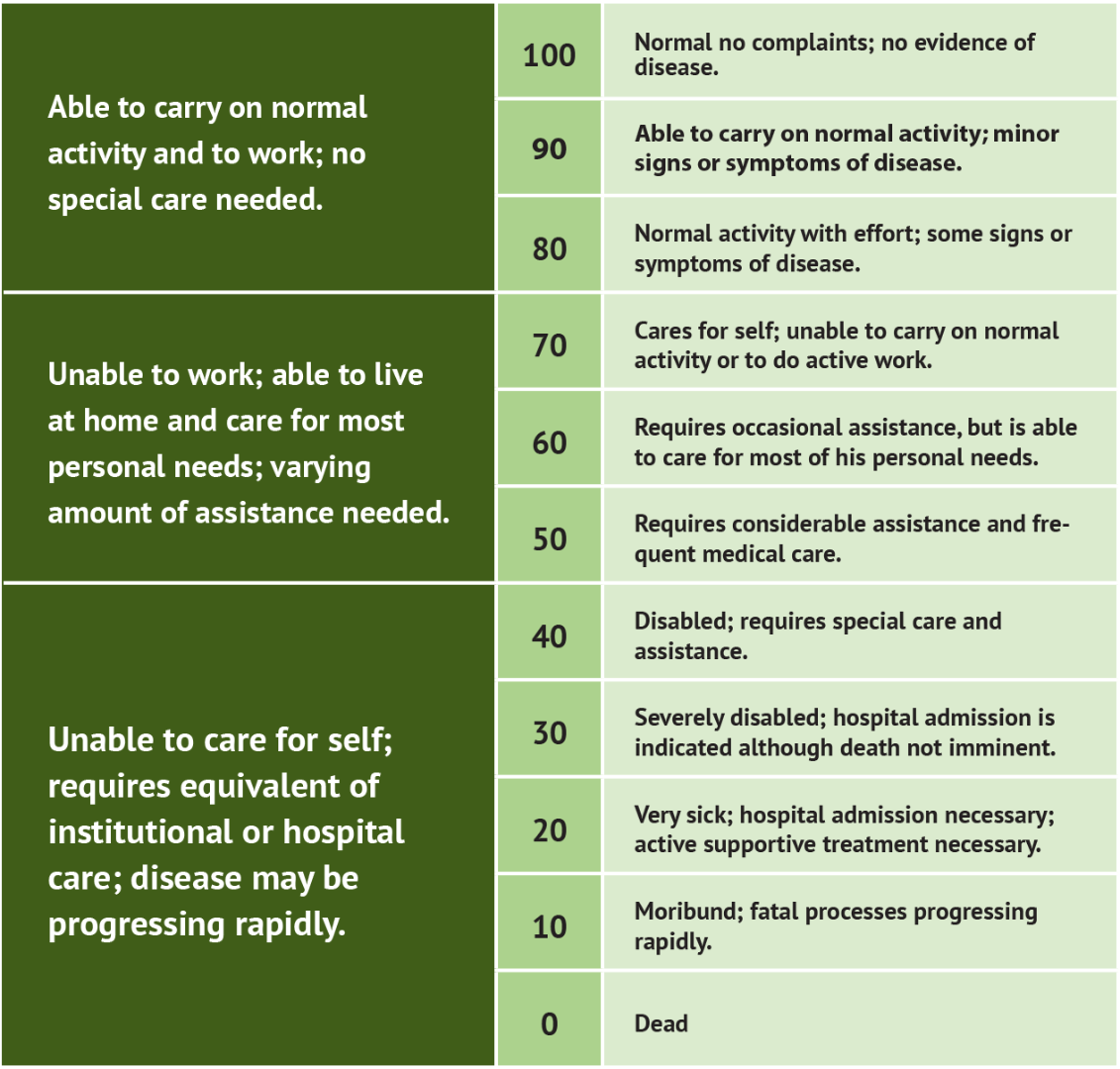
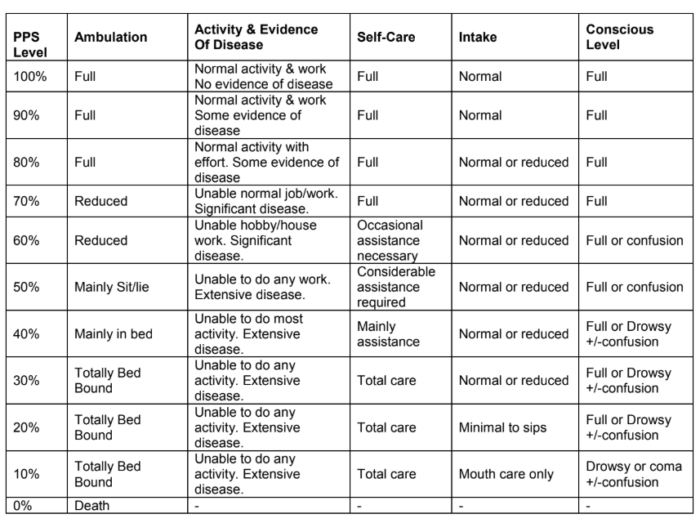
The primary financial criterion is a certification from two physicians stating that the patient has a life expectancy of six months or less if the illness runs its normal course. While this sounds medical, it is a fiscal trigger. This certification allows the patient to access a comprehensive suite of services—including medications, medical equipment, and nursing—with nearly zero out-of-pocket costs.
The “Six-Month Rule” and Financial Recertification
A common misconception in financial planning is that hospice funding expires after six months. From a budgetary perspective, the criteria allow for “benefit periods.” The first two periods last 90 days each, followed by an unlimited number of 60-day periods. As long as the medical necessity is re-certified, the financial coverage continues. This provides a significant safety net for families, preventing the “financial toxicity” often associated with prolonged chronic illness.
Navigating Insurance, Medicaid, and Private Pay Options
While Medicare covers the lion’s share of hospice care in the United States, it is not the only financial path. For those under 65 or those without Medicare Part A, the criteria for hospice coverage vary significantly across different financial vehicles.
Medicaid and State-Level Financial Aid
For individuals with limited assets and income, Medicaid offers a hospice benefit that mirrors Medicare’s structure in most states. The financial criteria for Medicaid hospice are two-fold: the patient must meet the clinical prognosis and must also fall below the state’s specific income and asset thresholds. In the context of “Money” and estate planning, Medicaid hospice coverage is a critical tool for protecting the remaining assets of a surviving spouse, as it prevents the rapid “spend-down” that often occurs in skilled nursing facilities.
Private Insurance and Long-Term Care Policies
Commercial insurance plans (employer-sponsored or private) have their own internal criteria for hospice care. Most follow the Medicare model, but some may have “carve-outs” or specific deductible requirements.
Furthermore, Long-Term Care (LTC) insurance plays a pivotal role in the financial criteria for hospice. While hospice covers medical care, it often does not cover “room and board” if a patient is in a dedicated hospice facility or a nursing home. Financial planners must look for LTC policies that specifically include hospice facility coverage to bridge the gap between medical care (covered by Medicare) and housing costs (often a private-pay expense).

The Cost-Benefit Analysis: Hospice vs. Curative Care
When managing a portfolio or a family estate, the decision to enter hospice is often an economic one. The financial criteria for hospice are designed to incentivize comfort care because it is significantly more cost-effective for both the system and the individual than high-acuity hospital interventions.
Reducing Out-of-Pocket Medical Expenses
One of the most overlooked criteria for hospice is the “all-inclusive” nature of the benefit. Under the Medicare Hospice Benefit, the following are covered at 100% or with a very small co-pay (usually no more than $5):
- All prescriptions related to the terminal illness and pain management.
- Durable Medical Equipment (hospital beds, oxygen, wheelchairs).
- Medical supplies (incontinence supplies, bandages).
- Short-term inpatient respite care (to prevent caregiver burnout).
For a family managing a fixed income, these costs can easily exceed $3,000–$5,000 per month if paid out-of-pocket. By meeting the hospice criteria, the family effectively freezes these expenses, allowing them to preserve capital for other needs or inheritance.
Impact on Estate Preservation and Wealth Transfer
In the niche of business finance and personal wealth, the transition to hospice represents a shift in asset protection. If a patient remains in a “curative” cycle, they may face repeated 20% co-insurance payments for hospital stays, expensive specialist consultations, and experimental drug therapies. These “hidden” costs can rapidly erode a retirement account.
By contrast, hospice care is a “defined benefit” model. For the purpose of estate preservation, meeting the criteria for hospice is often the most sound financial strategy in the final stages of life, as it provides a predictable, low-cost environment that protects the estate from catastrophic medical debt.
Regulatory Compliance and the Business of Hospice Finance
From a business finance perspective, the criteria for hospice are not just for the patients—they are also for the providers. Hospice agencies are businesses that must operate within strict financial margins and regulatory frameworks to remain solvent and eligible for federal reimbursement.
The Per-Diem Reimbursement Model
Hospice agencies are paid a set daily rate (per-diem) regardless of the amount of care provided on a specific day. This creates a unique financial ecosystem where the agency assumes the financial risk. To qualify for this reimbursement, the agency must ensure that every patient strictly meets the CMS criteria. If an agency admits a patient who does not meet the “six-month” financial criteria, they risk “clawbacks” during a Medicare audit, which can be devastating to the firm’s bottom line.
The Role of Health Savings Accounts (HSAs) in Hospice Planning
For individuals in the “wealth accumulation” phase, understanding hospice criteria is essential for HSA management. Since hospice covers most medical costs, an individual with a large HSA balance may find themselves with “stranded” funds at the end of life.
Strategic financial planning involves using HSA funds for non-covered hospice expenses, such as private-duty nursing or specialized home modifications, before the Medicare hospice benefit is fully triggered. This ensures that the tax-advantaged “Money” in the HSA is utilized efficiently before the all-inclusive coverage of hospice takes over.
Conclusion: Integrating Hospice Criteria into a Financial Strategy
The criteria for hospice are far more than a medical checklist; they are a set of financial gateways that determine how end-of-life care is funded and how an estate is managed. Whether it is understanding the “Six-Month Rule” of Medicare Part A, navigating the asset limits of Medicaid, or analyzing the cost-savings of palliative care versus curative measures, “Money” is at the heart of the hospice conversation.
By viewing hospice through the lens of personal and business finance, families can make informed decisions that prioritize both the dignity of the patient and the fiscal health of the survivors. In the complex world of healthcare economics, meeting the criteria for hospice is not just a clinical milestone—it is a strategic financial move that ensures resources are used wisely when they are needed most.
aViewFromTheCave is a participant in the Amazon Services LLC Associates Program, an affiliate advertising program designed to provide a means for sites to earn advertising fees by advertising and linking to Amazon.com. Amazon, the Amazon logo, AmazonSupply, and the AmazonSupply logo are trademarks of Amazon.com, Inc. or its affiliates. As an Amazon Associate we earn affiliate commissions from qualifying purchases.