
The B-2 Spirit, a technological marvel of modern aviation, stands as a testament to engineering prowess in stealth and strategic reach. Often depicted as a silent, black bat-wing gliding across the night sky, its operational sophistication is matched only by the precision required to command such an advanced platform. Contrary to the larger crews required by earlier generations of strategic bombers, the B-2 Spirit operates with an incredibly streamlined team, a design choice deeply rooted in its revolutionary technological architecture.
The B-2 Spirit: A Marvel of Stealth Technology
Developed in the shadows of the Cold War, the Northrop Grumman B-2 Spirit bomber emerged as a radical departure from conventional aircraft design. Its iconic flying-wing configuration is not merely aesthetic but is fundamental to its primary mission: stealth. The B-2 is engineered with an exceptionally low observable (LO) profile, making it incredibly difficult for enemy radar systems to detect and track. This technological triumph encompasses a blend of advanced materials, specialized coatings, precise shaping, and integrated avionics that suppress radar, infrared, acoustic, and electromagnetic signatures.
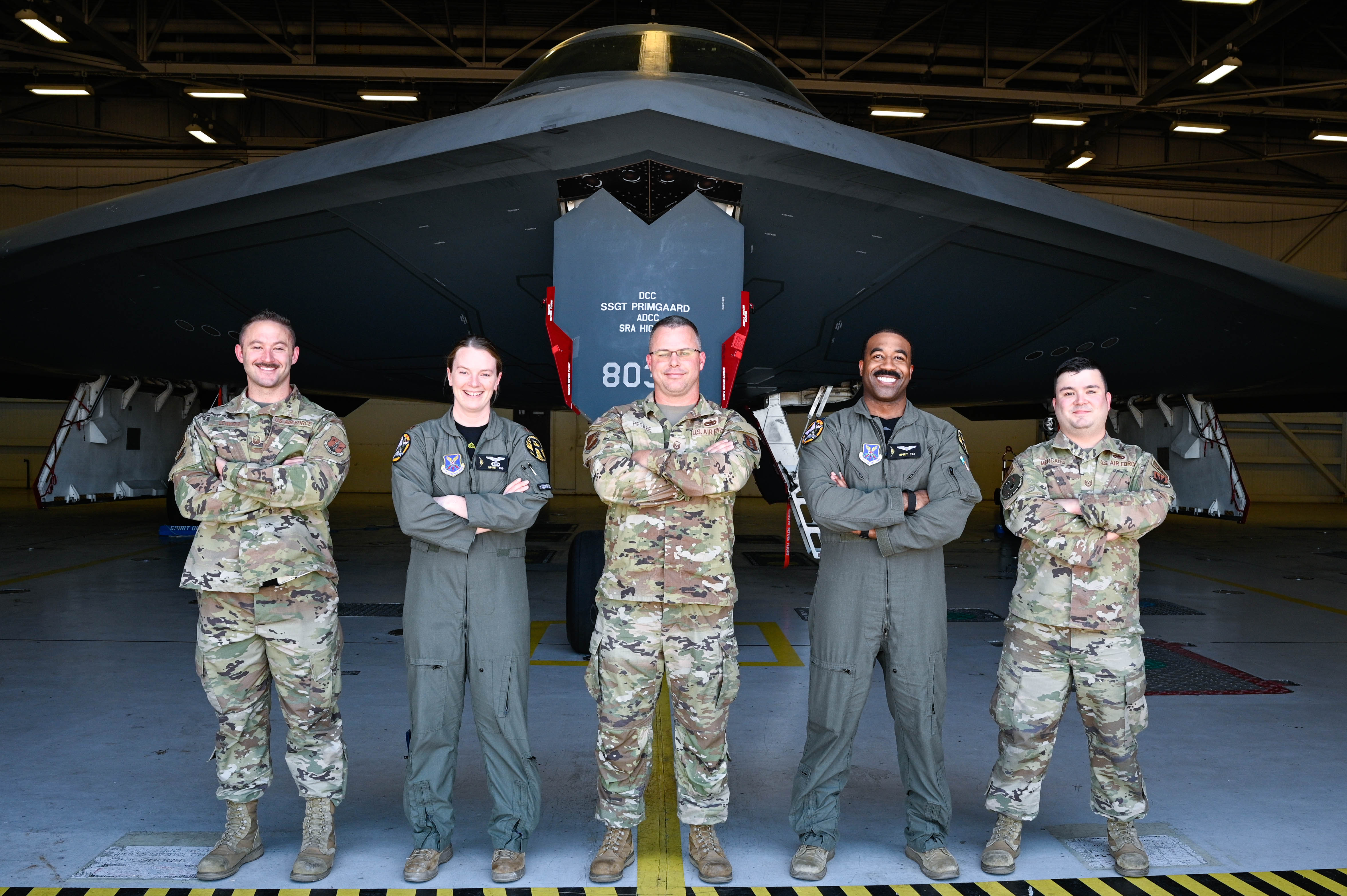
This digital fortress in the sky is more than just a bomber; it’s a strategic platform designed to penetrate highly defended airspace and deliver precision munitions from extreme altitudes. Its ability to remain undetected for extended periods allows it to operate with a degree of impunity unmatched by most other manned aircraft. The B-2’s complex systems include sophisticated navigation, targeting, and electronic warfare capabilities, all managed through an integrated digital architecture. This intricate network of hardware and software is the bedrock upon which its operational efficiency, and consequently its minimal crew requirement, is built. Understanding the B-2 means understanding a pinnacle of aerospace technology, where every design choice, including the number of operators, serves a hyper-optimized function.
The Minimalist Crew: Engineering for Efficiency
At the heart of the B-2 Spirit’s operational philosophy lies an astonishingly small crew complement: just two pilots. This stands in stark contrast to the significantly larger crews of its predecessors, such such as the B-52 Stratofortress, which typically carries five, or the B-1B Lancer, with its four-person team. This radical reduction in personnel is not an oversight but a direct consequence of the B-2’s revolutionary design and its profound reliance on automation and advanced system integration.
The primary factor enabling a two-person crew is the B-2’s highly automated fly-by-wire flight control system and comprehensive digital avionics suite. The aircraft’s complex aerodynamic properties, particularly those inherent to a flying-wing design, would be virtually impossible to manage manually. Instead, sophisticated flight control computers continuously interpret pilot inputs and translate them into precise adjustments of numerous control surfaces, ensuring stable flight and optimal performance. This automation offloads a massive cognitive and physical burden from the pilots, allowing them to focus on strategic mission objectives rather than constant aircraft management.
Furthermore, the B-2’s integrated cockpit, often referred to as a “glass cockpit,” consolidates vast amounts of information from multiple sensors and subsystems onto large, multi-function displays. These advanced human-machine interfaces present critical flight, navigation, mission, and system data in a highly intuitive and digestible format. The co-pilot, for instance, has access to the same flight controls and critical data as the aircraft commander, ensuring redundancy and shared situational awareness. This level of technological integration means that tasks traditionally handled by dedicated navigators, bombardiers, electronic warfare officers, or flight engineers on older platforms are now either fully automated or managed by one of the two pilots via advanced digital controls.
The benefits of a smaller crew extend beyond operational simplicity. Fewer personnel mean reduced weight, lower life-support requirements, and a smaller logistical footprint, contributing to the B-2’s impressive range and endurance. It represents a pinnacle in the aerospace industry’s ongoing quest to enhance capability while streamlining human interaction with increasingly complex machinery. The B-2 demonstrates how cutting-edge technology, particularly in automation and intelligent system design, can enable a smaller, yet incredibly effective, human crew to command an exceptionally powerful strategic asset.
Roles and Responsibilities: Interfacing with Advanced Systems
Operating a B-2 Spirit requires an unparalleled blend of piloting skill, strategic acumen, and deep technological literacy. The two-person crew, despite its small size, carries immense responsibility, each role demanding mastery over intricate digital systems and the ability to make critical decisions under pressure.
The Aircraft Commander (Pilot)
The Aircraft Commander (AC) holds ultimate authority and responsibility for the B-2 and its mission. Their role encompasses traditional piloting duties, such as takeoff, landing, and general aircraft handling, but extends significantly into strategic oversight and complex system management. The AC navigates the B-2 through its advanced flight control systems, which interpret physical inputs and manage the aircraft’s inherently unstable flying wing design through constant digital corrections. They are primarily responsible for overall mission execution, including adherence to flight plans, communication protocols, and strategic decisions concerning the aircraft’s position relative to threats and targets. The AC constantly monitors the B-2’s array of integrated systems, from engine performance and fuel consumption to environmental controls, all presented through sophisticated digital displays. Their expertise lies not just in flying but in making high-stakes tactical and strategic choices based on data synthesized from the B-2’s vast sensor suite and mission planning software.
The Co-Pilot (Mission Commander/Offensive Systems Officer)
The Co-Pilot serves as the primary assistant to the Aircraft Commander and often takes on the critical role of Mission Commander or Offensive Systems Officer. While capable of flying the aircraft, their focus shifts heavily towards the B-2’s advanced mission systems. This includes precise navigation using highly accurate inertial navigation systems and GPS, managing the sophisticated targeting suite, and deploying the bomber’s diverse payload of conventional or nuclear weapons. The Co-Pilot is responsible for programming and monitoring the mission computers, which calculate optimal flight paths, weapon release parameters, and evasion maneuvers.
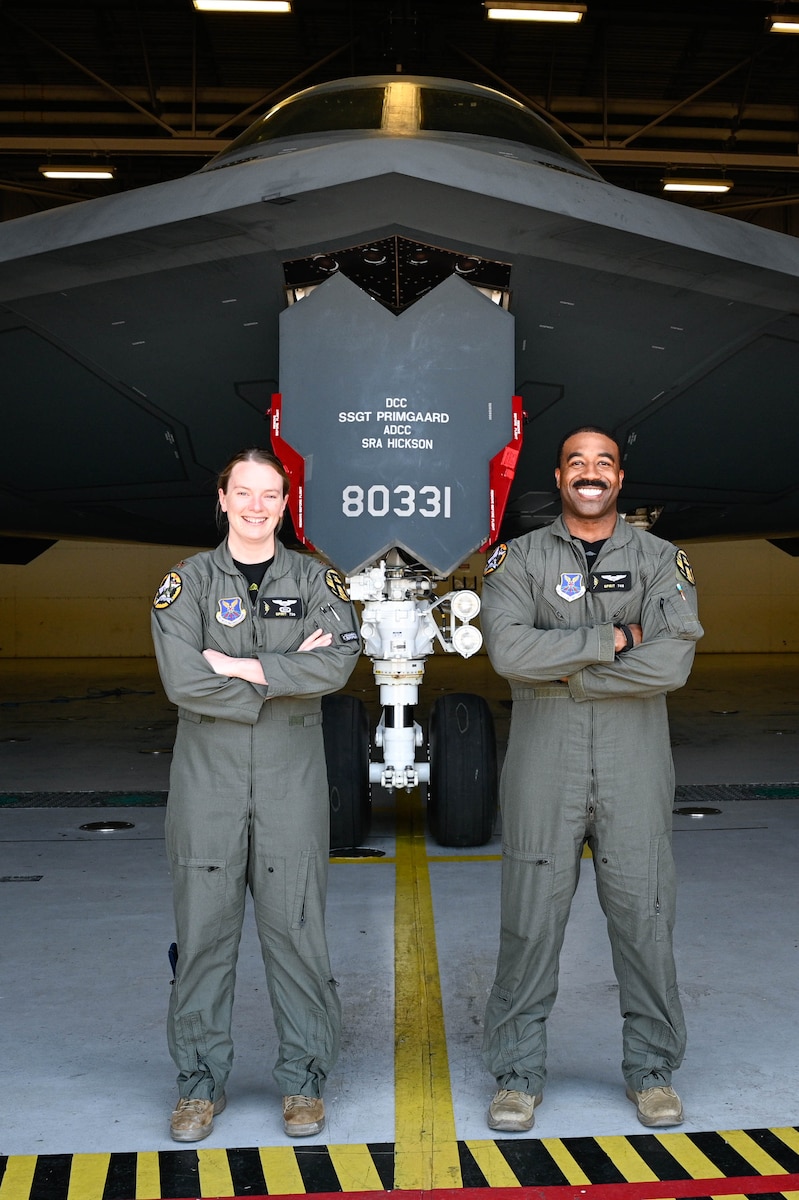
Crucially, the Co-Pilot manages the B-2’s electronic warfare (EW) suite, employing countermeasures to detect and neutralize potential threats. This involves interacting with complex software interfaces to analyze real-time threat data, activate jamming systems, or deploy decoys. Their ability to rapidly process and react to dynamic threat environments, leveraging the B-2’s advanced technology, is paramount. Together, both pilots engage in constant crew resource management (CRM), a critical methodology for optimizing human performance within a highly automated and complex technological environment, ensuring seamless coordination and mutual support throughout extended missions.
Training and Simulation: Mastering Complex Tech
The proficiency required to operate a B-2 Spirit with just two crew members necessitates an exceptionally rigorous and technologically advanced training regimen. The U.S. Air Force invests heavily in sophisticated simulation technology to prepare these elite pilots for the complexities of the B-2’s systems and its unique operational environment.
High-Fidelity Simulators
The cornerstone of B-2 pilot training involves high-fidelity flight simulators that meticulously replicate the bomber’s cockpit and flight dynamics. These advanced simulators are far more than simple video game consoles; they are intricate technological marvels featuring full-motion platforms that provide realistic physical cues, wrap-around visual displays offering high-resolution, global terrain databases, and fully functional control interfaces identical to those in the actual aircraft. The software driving these simulators is incredibly complex, capable of simulating every aircraft system, from engine failures and avionics malfunctions to diverse weather conditions and enemy threat scenarios.
Pilots spend hundreds of hours in these simulators, practicing everything from routine takeoffs and landings to highly complex strategic missions involving multi-layered air defenses, electronic warfare engagements, and precision weapon delivery. The ability to practice high-risk maneuvers and emergency procedures in a safe, controlled environment is invaluable, allowing pilots to build muscle memory and refine their decision-making processes without the dangers or costs associated with actual flight time. These simulations are often networked, allowing for collaborative training with other B-2 crews or even other simulated assets, fostering a comprehensive understanding of human-machine interaction in complex operational scenarios.
Continuous Professional Development
Given the B-2’s evolving capabilities and the dynamic nature of global threats, training is not a one-time event but a continuous process. Pilots regularly return to simulators for refresher courses, to practice new tactics, and to adapt to software updates or system upgrades implemented in the B-2 fleet. Data collected from simulator sessions and actual missions is meticulously analyzed to identify areas for improvement, leading to highly personalized training modules and refined standard operating procedures. This iterative process ensures that B-2 pilots remain at the absolute cutting edge of their profession, constantly enhancing their understanding and mastery of the aircraft’s advanced technology. The emphasis is on building not just technical proficiency but also cognitive resilience and adaptability, preparing pilots to leverage the B-2’s sophisticated systems effectively in any contingency.
The Future of Bomber Crews: Autonomy and Human-Machine Teaming
As aerospace technology continues its rapid evolution, particularly in artificial intelligence (AI) and autonomous systems, the role and composition of bomber crews are poised for significant transformation. The B-2 Spirit, with its heavy reliance on automation, provides a foundational glimpse into this future, but upcoming platforms like the B-21 Raider will push these boundaries even further.
Enhanced Automation and AI Integration
The next generation of bombers will likely integrate AI and machine learning into an even wider array of onboard systems. AI algorithms could assist crews with more complex decision-making, such as optimizing flight paths in real-time based on dynamic threat assessments, predicting system failures, or fusing sensor data from multiple sources to provide unparalleled situational awareness. This doesn’t necessarily eliminate the crew but shifts their role from direct control of individual functions to a higher-level supervisory and strategic oversight capacity. The crew might interact with an “AI co-pilot” that manages routine tasks, analyzes vast datasets, and offers predictive insights, allowing the human operators to focus on ethical considerations, creative problem-solving, and adapting to unforeseen circumstances that require genuine human judgment.
Manned-Unmanned Teaming (MUM-T)
Perhaps one of the most significant shifts anticipated for future bomber crews is the widespread adoption of Manned-Unmanned Teaming (MUM-T). A future B-21 crew, or even a modernized B-2 crew, might not only operate their aircraft but also command and control a swarm of unmanned aerial vehicles (UAVs) or “loyal wingmen.” These uncrewed platforms could perform reconnaissance, electronic warfare, or even strike missions in concert with the manned bomber, extending its reach and increasing its survivability.
In this paradigm, the human crew becomes a strategic orchestrator, directing networked autonomous assets through sophisticated digital interfaces. The crew’s expertise would then encompass not just piloting the bomber but also understanding complex network operations, data link management, and the tactical deployment of a diverse array of robotic subordinates. This integration promises to multiply the operational effectiveness of a single manned platform dramatically, blurring the lines between manned and unmanned aerospace operations.
Evolving Crew Skillsets
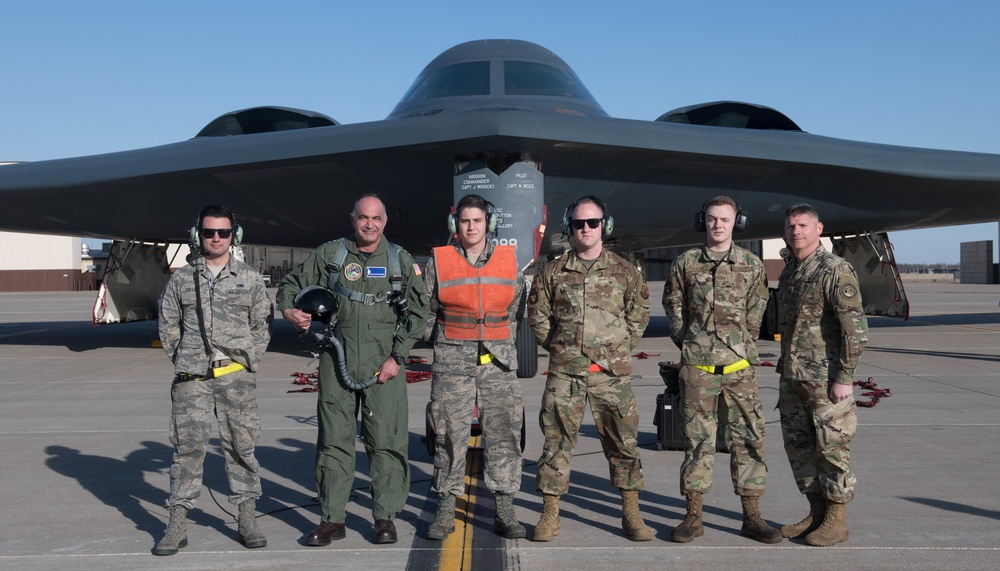
These technological advancements necessitate an evolution in the skillsets required for future bomber crews. Beyond traditional piloting skills, future operators will need a deeper understanding of data science, cybersecurity, AI ethics, and human-machine interface design. Training will increasingly focus on managing complex digital ecosystems, understanding the limitations and biases of AI, and making critical decisions in highly automated environments. The human element will remain indispensable for its adaptability, creativity, and moral judgment—qualities that AI, despite its advances, cannot fully replicate. The B-2’s minimalist crew configuration was a technological leap; the next evolution will see human crews mastering the art of commanding entire integrated aerospace ecosystems.
aViewFromTheCave is a participant in the Amazon Services LLC Associates Program, an affiliate advertising program designed to provide a means for sites to earn advertising fees by advertising and linking to Amazon.com. Amazon, the Amazon logo, AmazonSupply, and the AmazonSupply logo are trademarks of Amazon.com, Inc. or its affiliates. As an Amazon Associate we earn affiliate commissions from qualifying purchases.