
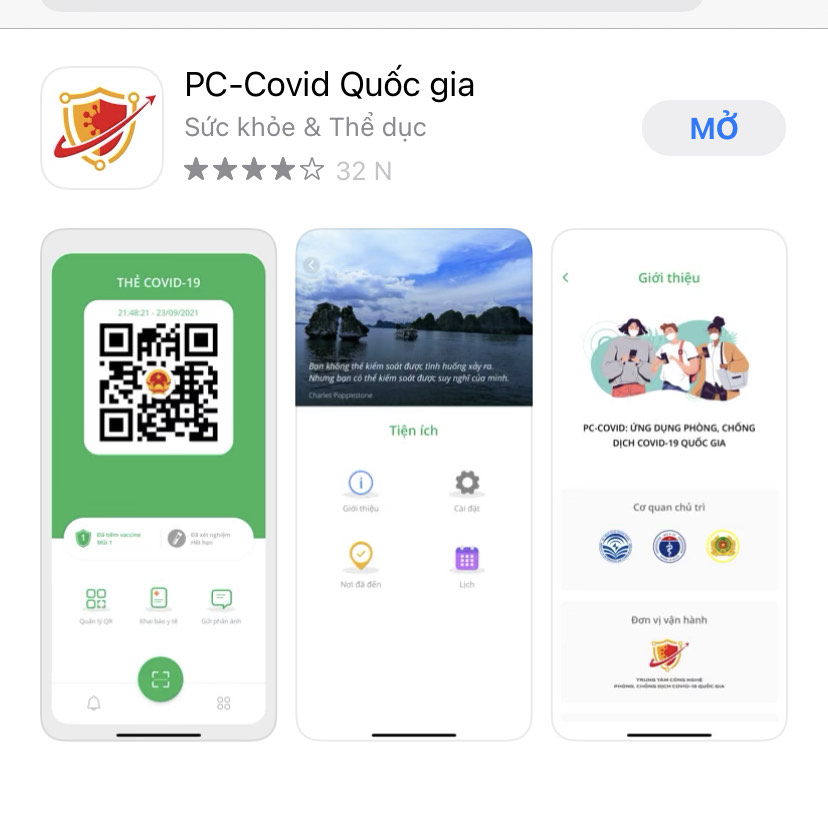
The emergence of the COVID-19 pandemic catalyzed one of the most rapid periods of software development in history. Central to this digital response was the “COVID-19 app,” a broad term describing a suite of mobile applications designed to track exposure, manage vaccination records, and provide real-time health data to public health authorities. Far from being a single monolithic program, these apps represented a diverse array of technical solutions, ranging from decentralized exposure notification systems to centralized health databases. Understanding what these apps are requires an exploration of the underlying technology, the frameworks provided by tech giants like Apple and Google, and the rigorous digital security protocols implemented to protect user privacy.
The Architecture of Digital Contact Tracing
At its technical core, the primary function of most COVID-19 apps was digital contact tracing. Traditional contact tracing relies on manual interviews and human memory, which are often slow and prone to error. The COVID-19 app sought to automate this process using the sensors already present in modern smartphones.
Bluetooth Low Energy (BLE) and Proximity Sensing
Instead of using GPS, which is power-intensive and often lacks the precision needed for indoor environments, developers turned to Bluetooth Low Energy (BLE). BLE allows devices to broadcast “beacons” or short-range signals while consuming minimal battery power. When two users with the app come into close proximity, their devices exchange anonymous encrypted keys. The strength of the Bluetooth signal—measured as Received Signal Strength Indicator (RSSI)—acts as a proxy for physical distance. By recording the duration of the signal exchange and the RSSI values, the software can estimate whether a user has been within a risky distance of another individual for a significant period.
The Google-Apple Exposure Notification (GAEN) Framework
The most significant technological milestone for these apps was the collaboration between Apple and Google. In a rare partnership, the two competitors developed the Google-Apple Exposure Notification (GAEN) framework. This API (Application Programming Interface) was integrated directly into the iOS and Android operating systems. It allowed health department apps to run efficiently in the background without being shut down by the system’s battery-saving protocols. The GAEN framework served as the backbone for the majority of successful COVID-19 apps globally, providing a standardized way to handle the complex handshake of cryptographic keys.
Data Security and the Decentralized vs. Centralized Debate
The development of COVID-19 apps sparked an intense technical debate regarding data architecture. The core of this conflict rested on where the “matching” of infected keys occurred: on a central government server or on the user’s individual device.
The Decentralized Approach (DP-3T)
Most Western democracies adopted the decentralized model, often referred to as DP-3T (Decentralized Privacy-Preserving Proximity Tracing). In this system, the phone generates random, rotating IDs every 15–20 minutes. These IDs are exchanged locally between devices. If a user tests positive, they upload their own list of “Diagnosis Keys” to a central server. Other users’ apps periodically download the latest list of positive keys and perform the matching process locally on their own hardware. This ensures that the central authority never knows who was in contact with whom, providing a high level of digital anonymity.
The Centralized Approach
In contrast, some nations opted for a centralized model. In this architecture, the server receives the contact logs of every user who tests positive and performs the matching in a central database. From a software perspective, this provides public health researchers with more granular data about how the virus is spreading. However, it raises significant digital security and surveillance concerns, as it potentially allows for the mapping of social networks and individual movements.
Cryptographic Safeguards
Regardless of the model, these apps utilized sophisticated cryptographic techniques. To prevent “replay attacks” or the identification of specific users, the IDs were hashed and rotated frequently. This means that even if a malicious actor intercepted a Bluetooth signal, that signal would be useless within minutes, as the ID would have already changed.
Beyond Contact Tracing: Vaccine Passports and Digital Certificates
As the pandemic evolved, the focus of COVID-19 software shifted from exposure notification to the management of vaccination status and test results. These digital “passports” introduced new technical requirements, specifically regarding interoperability and verification.
QR Code Infrastructure and Public Key Cryptography
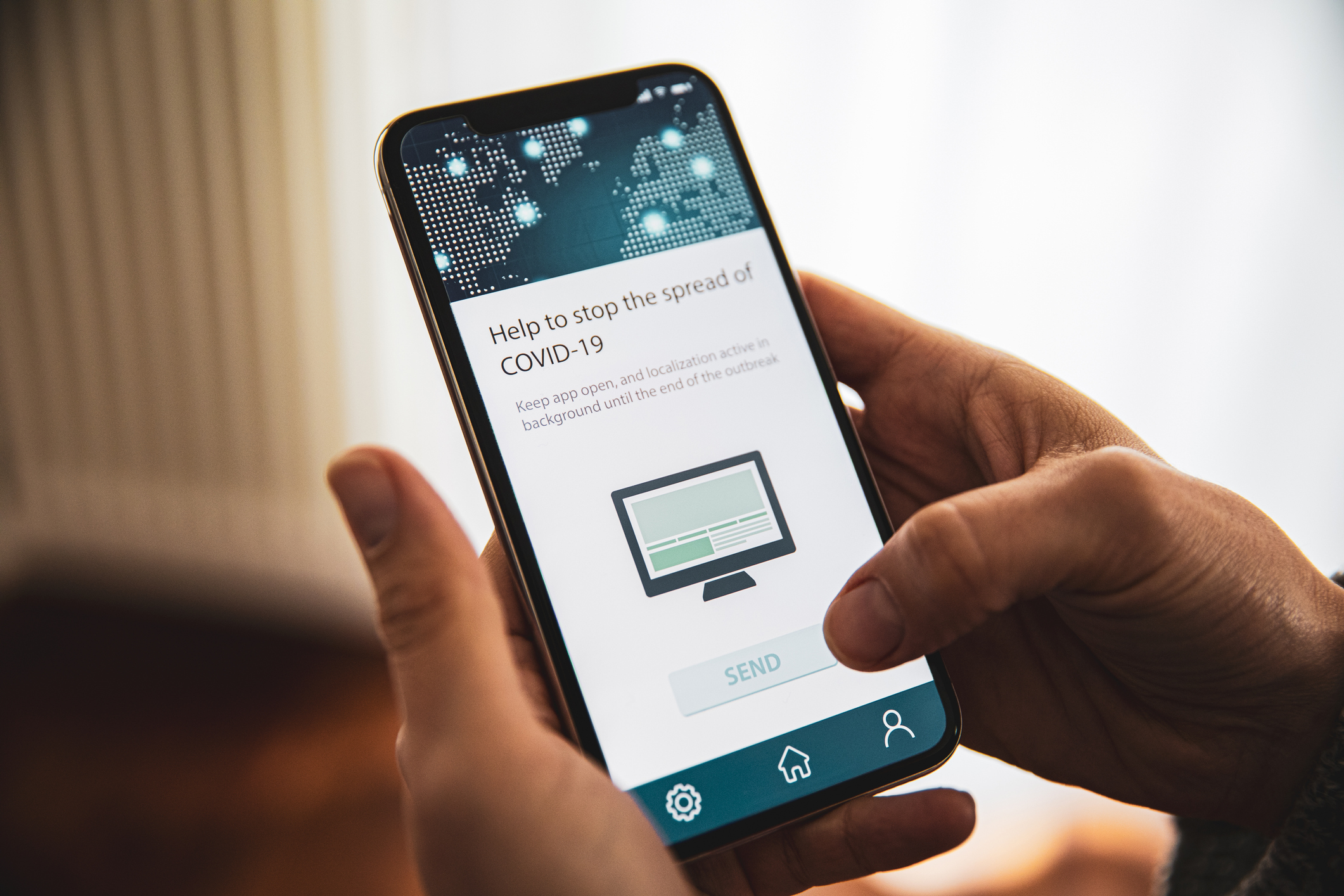
The most common implementation of a digital vaccine record involves a QR code. This is not a simple link to a website; rather, it is a digitally signed payload of data. When a health provider issues a certificate, they sign the record with a private key. The COVID-19 app stores this signed data. When scanned, the verifier app uses the health authority’s public key to confirm that the data is authentic and has not been tampered with. This system relies on Public Key Infrastructure (PKI), the same technology that secures web browsing and digital banking.
Interoperability Standards
A major tech challenge was ensuring that an app developed in one country could be read by a scanner in another. This led to the development of standards like the EU Digital COVID Certificate and the SMART Health Cards framework. These standards defined a common data schema—specifying exactly how names, dates, and vaccine types should be formatted within the QR code—allowing for seamless cross-border travel and verification.
Technical Challenges and Optimization
Building an app used by millions of people simultaneously presented unique engineering hurdles. Developers had to balance functionality with hardware constraints and user experience.
Battery Optimization and Background Processing
One of the hardest tasks in mobile development is keeping an app active in the background without draining the battery. If the app consumes more than a few percentage points of battery per day, users are likely to uninstall it. By leveraging the GAEN API, developers were able to offload the heavy lifting of Bluetooth scanning to the operating system’s kernel level, which is far more efficient than running it at the application level.
False Positives and Signal Interference
Bluetooth is a “noisy” medium. Signals can be blocked by human bodies, walls, or even car doors. A software engineer’s task was to calibrate the app’s logic to distinguish between a dangerous exposure (two people talking in a room) and a safe one (two people in separate cars stopped at a red light). This involved complex filtering algorithms and signal smoothing to ensure that the app provided accurate risk assessments without causing unnecessary panic.
Accessibility and Inclusion
From a software design (UI/UX) perspective, COVID-19 apps had to be accessible to the widest possible demographic. This meant supporting older versions of Android and iOS, ensuring compatibility with screen readers for the visually impaired, and localizing the software into dozens of languages. The technical debt involved in supporting “legacy” hardware was a significant part of the development lifecycle.
The Long-term Impact on Public Health Software Infrastructure
The legacy of the COVID-19 app extends far beyond the current pandemic. The rapid innovation in this space has permanently altered the landscape of digital health and public safety technology.
The Rise of Digital Health Wallets
The infrastructure built for vaccine certificates is now being adapted for broader health use. We are seeing a transition toward “Digital Health Wallets,” where users can store their entire immunization history, lab results, and prescriptions on their devices using the same secure, QR-based systems developed during the pandemic.
Privacy-Preserving Analytics
The success of decentralized contact tracing proved that it is possible to gather actionable public health data without compromising individual privacy. This “privacy-by-design” philosophy is now being integrated into other areas of software development, including traffic management and urban planning, where location data is needed but individual identity must remain protected.
Future-Proofing for Global Health
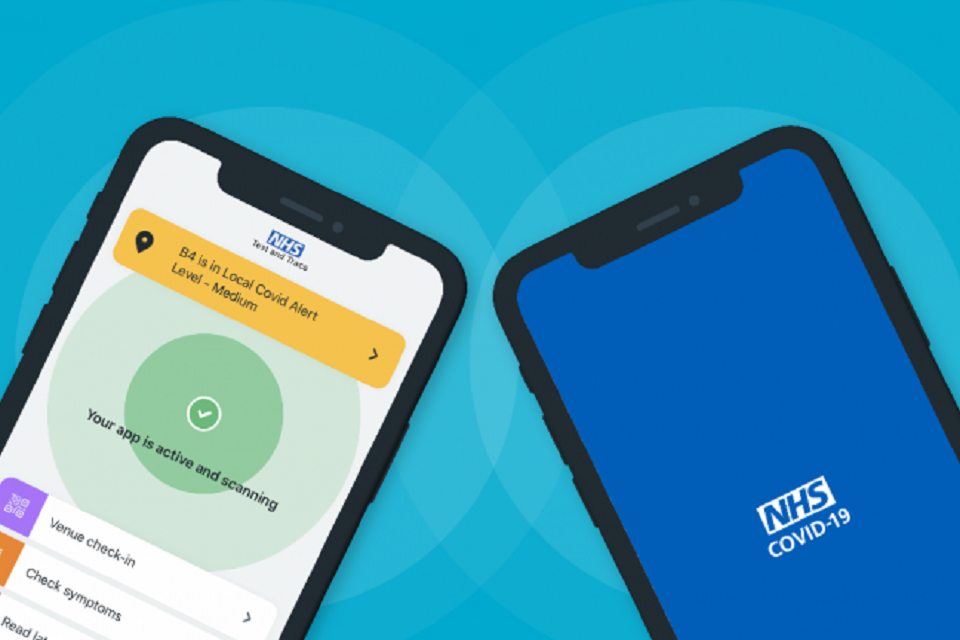
The frameworks established by Apple, Google, and various national health agencies are now dormant but ready to be reactivated. The modular nature of these apps means that in the event of a future outbreak, the core architecture—the Bluetooth handshakes, the cryptographic key exchange, and the secure reporting pipelines—is already in place. This reduces the “time-to-market” for emergency software from months to days.
In summary, the COVID-19 app is not merely a tracking tool, but a sophisticated piece of software engineering that pushed the boundaries of Bluetooth technology, cryptography, and mobile UI design. It represents a pivot point in history where digital tools became as essential to public health as clinical medicine, setting the stage for a more connected and technologically resilient future.
aViewFromTheCave is a participant in the Amazon Services LLC Associates Program, an affiliate advertising program designed to provide a means for sites to earn advertising fees by advertising and linking to Amazon.com. Amazon, the Amazon logo, AmazonSupply, and the AmazonSupply logo are trademarks of Amazon.com, Inc. or its affiliates. As an Amazon Associate we earn affiliate commissions from qualifying purchases.