
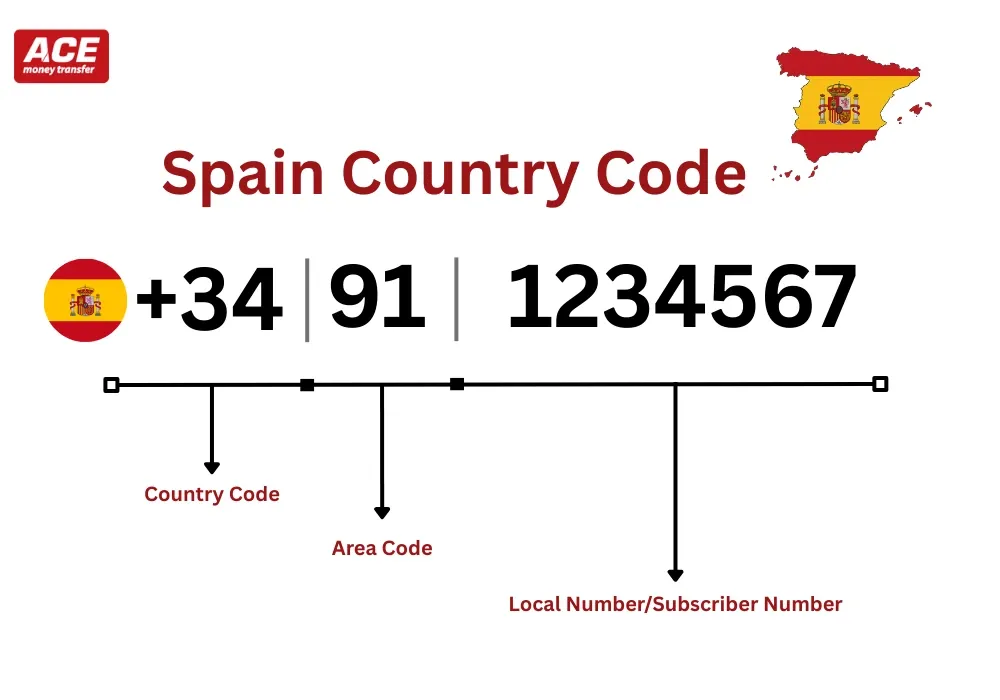
In an era of hyper-connectivity, the specific numeric identifiers that allow global communication are often overlooked until the moment they are required. When asking, “What is the country code for spain?” the immediate, functional answer is +34. However, within the realm of technology and digital infrastructure, this prefix represents far more than just two digits. It is a critical component of the International Telecommunication Union (ITU) standards, a key variable in mobile software development, and a foundational element of modern cybersecurity protocols.
Understanding the technical nuances of the +34 country code involves exploring the architecture of global dialing, the evolution of Voice over Internet Protocol (VoIP) services, and the hardware transitions currently shaping how the world connects with the Iberian Peninsula.
The Technical Architecture of Global Dialing Codes
The world of international telephony is governed by a strict set of protocols designed to ensure that a packet of data—whether it is a voice signal or a text message—finds its way from a sender in Tokyo to a recipient in Madrid. At the heart of this system is the ITU-T Recommendation E.164, an international standard that defines the number structure for the worldwide public switched telephone network (PSTN) and other data networks.
The ITU-T E.164 Standard and Spain’s Placement
Under the E.164 standard, the global numbering plan is divided into nine zones. Spain is located within Zone 3, which encompasses much of Europe. The designation of +34 as Spain’s unique identifier allows routers and switches at the international gateway level to recognize the destination of an incoming call.
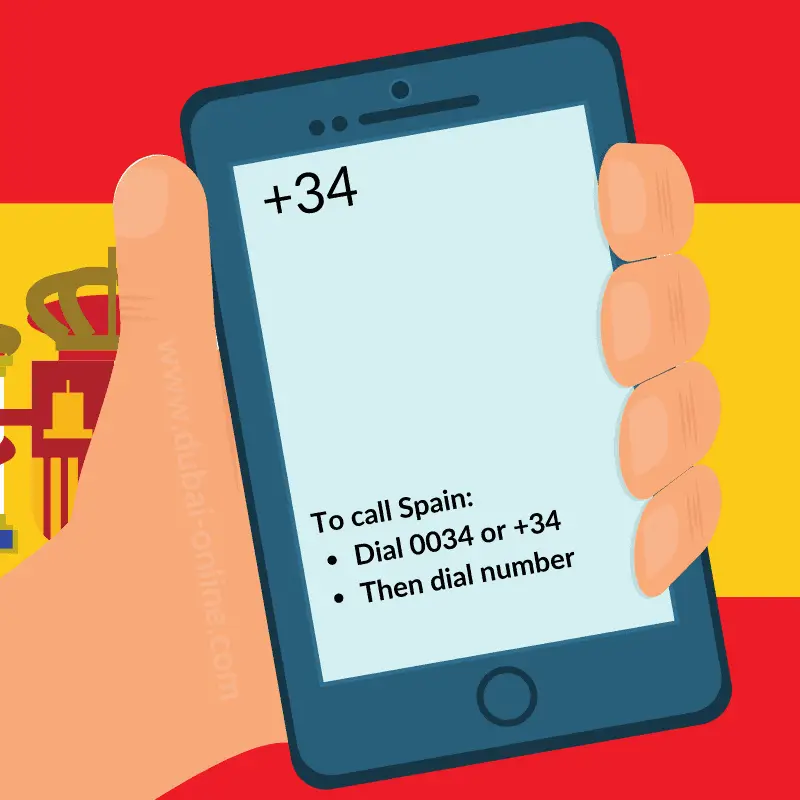
Technically, the “plus” sign (+) in front of the 34 is not a digit but a symbol representing the International Prefix, often referred to as the International Direct Dialing (IDD) code. In most digital systems and mobile networks, the hardware automatically translates this symbol into the necessary exit code (such as 00 in Europe or 011 in North America) required to leave the local network and enter the international transit layer.
How Digital Switches Handle the +34 Prefix
When a call is initiated toward a Spanish number, the digital exchange analyzes the prefix. In modern fiber-optic and cellular networks, this process happens in milliseconds through a series of Signaling System No. 7 (SS7) or Diameter protocol messages. These protocols manage the setup, routing, and teardown of calls. For Spain, the +34 code triggers the routing of the call toward the Spanish international gateway exchanges, managed by major telecommunications providers like Telefónica.
The Spanish numbering plan itself is “closed,” meaning that the length of the phone numbers is fixed—typically nine digits. When combined with the country code, the total length follows the E.164 maximum of 15 digits, ensuring compatibility with even the most legacy digital switches still in operation globally.
Navigating Communication Platforms and VoIP Technology
The rise of digital communication has changed how we interact with country codes. We are no longer solely dependent on traditional landlines; instead, we rely on software-based solutions that integrate the +34 code into complex user interfaces and automated databases.
WhatsApp, Telegram, and the Integration of Country Codes
For apps like WhatsApp or Telegram, the country code is the primary key in their user database. When you register a Spanish number, the app uses the +34 prefix to sync your local contacts with their global server. This is a classic example of software mapping: the app must be programmed to recognize that a contact stored locally as “600 000 000” is functionally identical to “+34 600 000 000” once the user’s region is established.
For developers building these apps, managing country codes requires precise data validation. If a system fails to recognize +34 as the valid prefix for Spain, it can lead to synchronization errors, failed multi-factor authentication (MFA) attempts, and broken communication loops. This is why many modern API tools, such as Twilio or Nexmo, provide specialized libraries to parse and format Spanish phone numbers automatically.
SIP Trunking and Virtual Numbers in the Spanish Tech Market
For businesses, the +34 code is often utilized through Session Initiation Protocol (SIP) trunking. This technology allows a company located anywhere in the world to maintain a virtual Spanish presence. By provisioning a virtual number with a +34 prefix, a tech startup in Silicon Valley can appear local to customers in Barcelona.
The technology behind this involves “mapping” a Spanish DID (Direct Inward Dialing) number to a digital IP address. When a customer dials the +34 number, the call is converted from the traditional phone network into IP packets and routed over the internet to the company’s VoIP software. This seamless integration is a cornerstone of modern customer service platforms and distributed workforce technology.
Digital Security and the Risks of International Caller ID Spoofing
As with any piece of digital infrastructure, the +34 country code is subject to exploitation by malicious actors. In the field of cybersecurity, understanding how country codes are manipulated is essential for protecting users from fraud.
Protecting Against +34 Scam Calls and Wangiri Attacks
One common technical threat is the “Wangiri” or “one-ring” scam. Fraudsters use automated dialers to call thousands of numbers, often using a spoofed +34 prefix to appear legitimate to residents within Spain or to pique the curiosity of those abroad. The goal is to prompt the victim to call back a high-cost, premium-rate number.
Modern smartphone operating systems, such as iOS and Android, now incorporate machine learning algorithms to combat this. By analyzing the frequency of calls originating from specific +34 ranges and cross-referencing them with global “spam” databases, these devices can warn users of “Potential Spam” before they even pick up.
Two-Factor Authentication (2FA) and SMS Gateways
The +34 code is also vital for digital security via SMS-based Two-Factor Authentication. When you log into a secure service, a server sends a one-time password (OTP) to your phone. This process relies on SMS gateways that must correctly identify the +34 prefix to route the message through the correct Spanish mobile network operator (MNO), such as Movistar, Vodafone, or Orange.
If there is a latency issue at the gateway level or if the country code is improperly formatted in the database, the security token may never arrive, locking the user out of their account. This highlights the importance of standardized data entry for country codes in web development; ensuring that users select “Spain (+34)” from a drop-down menu rather than typing it manually reduces the risk of input errors that compromise security.
The Future of Connectivity: eSIMs and 5G in Spain
The way we interact with the +34 country code is currently undergoing a hardware revolution. The transition from physical SIM cards to eSIM (Embedded SIM) technology is making it easier than ever to adopt a Spanish digital identity.
How eSIM Technology Simplifies the Use of +34
Traditionally, obtaining a +34 number required a physical trip to a retail store in Spain to purchase a piece of plastic. Today, eSIM technology allows for “over-the-air” (OTA) provisioning. A traveler or a remote worker can download an eSIM profile via a QR code, which instantly configures their phone’s internal chip with a Spanish IMSI (International Mobile Subscriber Identity) and the corresponding +34 number.
This software-defined approach to telecommunications removes the geographic barriers of the past. It allows for dual-SIM configurations where a user can maintain their home country code alongside a +34 Spanish code on a single device, managed entirely through the phone’s settings app.
5G Implementation and Mobile Infrastructure in Spain
Spain is currently a leader in the European 5G rollout. As major carriers upgrade their towers to 5G Standalone (SA) architecture, the speed and capacity of connections using the +34 code are increasing exponentially. This infrastructure supports not just voice and text, but the massive data requirements of the Internet of Things (IoT).
In a 5G-enabled Spain, thousands of smart devices—from autonomous vehicles to industrial sensors—will utilize the +34 network identifier to communicate. The technology behind this involves “network slicing,” where a portion of the 5G bandwidth is dedicated to specific types of traffic. This ensures that even if the network is congested, critical communications tied to Spanish digital infrastructure remain stable and secure.
Conclusion: More Than Just a Number
The country code +34 is the digital handshake that introduces Spain to the rest of the global network. From the ITU standards that define its place in the world to the eSIMs that allow us to switch numbers in seconds, the technology surrounding this code is constantly evolving.
Whether you are a developer optimizing a mobile app for the Spanish market, a cybersecurity expert tracking spoofed calls, or a business owner utilizing VoIP to expand your reach, the +34 prefix is a fundamental tool in your arsenal. Understanding the tech behind the code is the first step in mastering international digital connectivity in the 21st century.
aViewFromTheCave is a participant in the Amazon Services LLC Associates Program, an affiliate advertising program designed to provide a means for sites to earn advertising fees by advertising and linking to Amazon.com. Amazon, the Amazon logo, AmazonSupply, and the AmazonSupply logo are trademarks of Amazon.com, Inc. or its affiliates. As an Amazon Associate we earn affiliate commissions from qualifying purchases.