
In the modern household budget, the line item for “entertainment” has undergone a radical transformation. A decade ago, this was dominated by localized cable packages and physical media purchases. Today, it is defined by a constellation of recurring digital subscriptions, with Netflix sitting at the center as the industry benchmark. For many, the question of “what is the cost of Netflix a month” is the starting point for a broader audit of their digital lifestyle and financial health.
Understanding these costs requires more than just looking at a single number on a billing statement. As Netflix has matured from a DVD-by-mail service into a global media powerhouse, its pricing architecture has become increasingly complex, reflecting shifts in the global economy, the rising cost of content production, and the evolving habits of the consumer. For the financially conscious individual, navigating these tiers is essential to ensuring that discretionary spending aligns with actual utility.

Decoding the Tiers: Choosing the Right Price Point for Your Budget
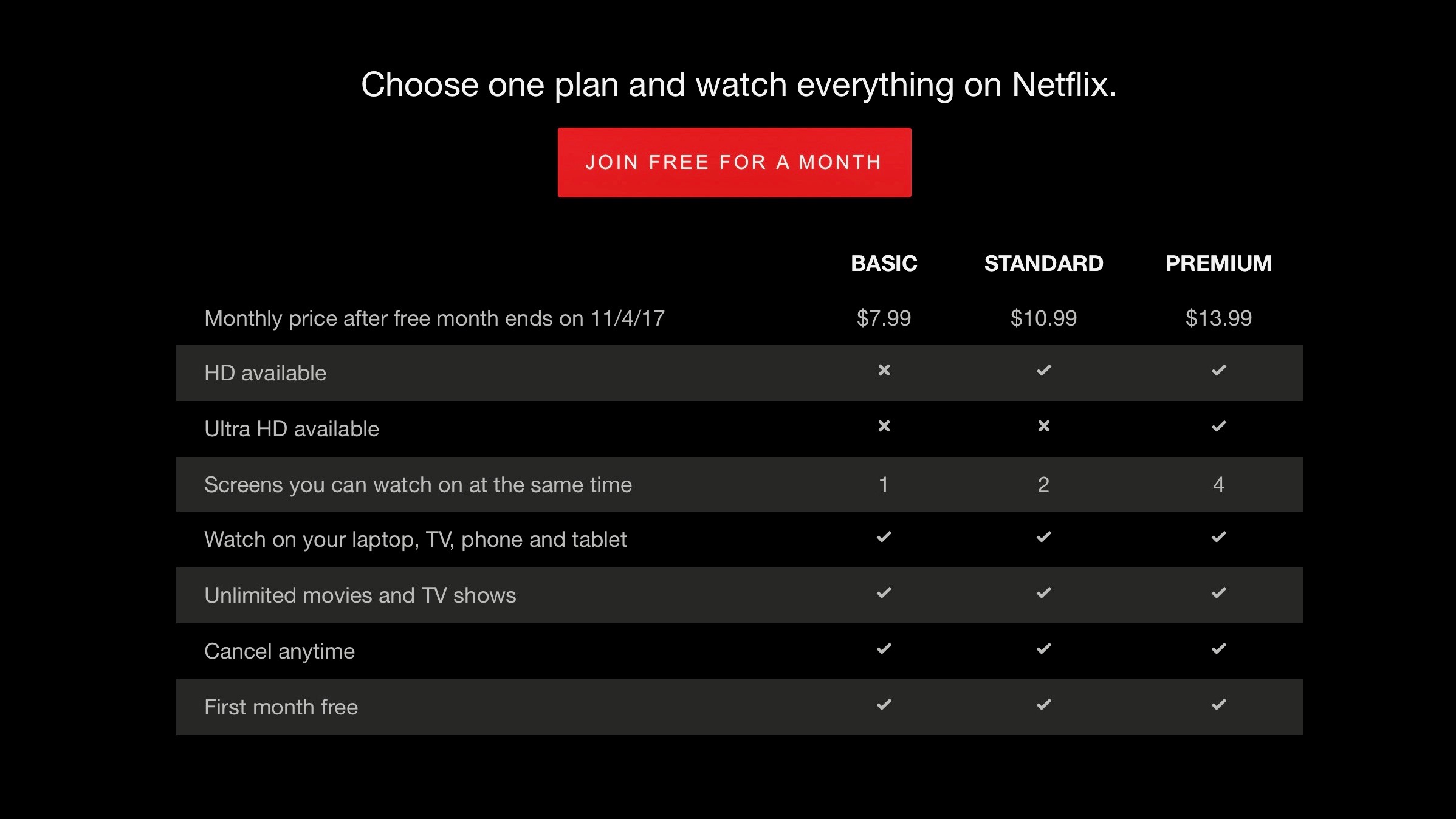
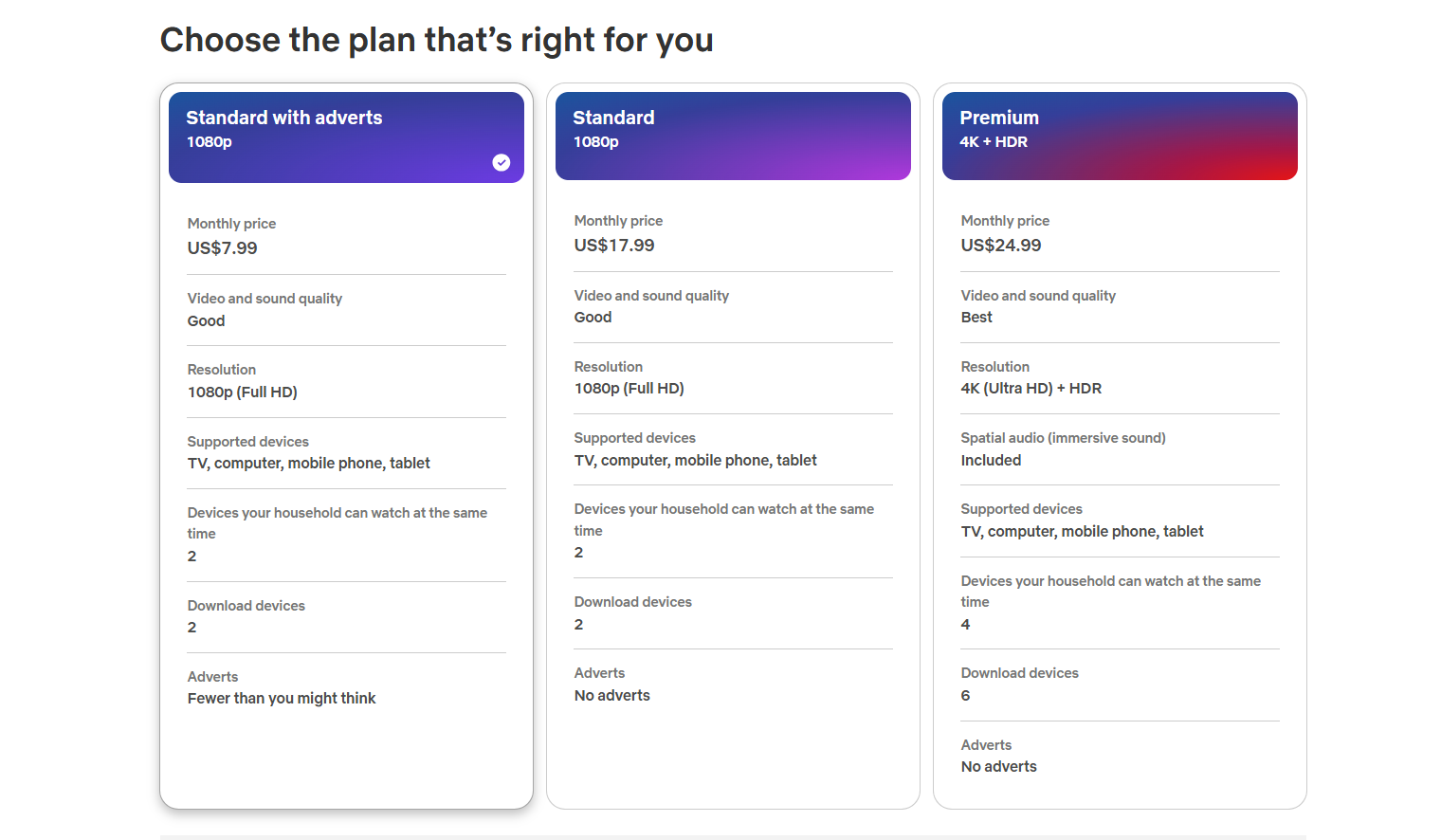
Netflix currently operates a tiered pricing model designed to capture different segments of the market, from the budget-conscious viewer to the home cinema enthusiast. As of the current fiscal period, the service is generally divided into three primary categories in the United States, each offering a distinct value proposition based on resolution, concurrent streams, and the presence of advertising.
The Standard with Ads Plan: The Budget-Conscious Entry Point
At approximately $6.99 per month, the “Standard with Ads” plan represents Netflix’s strategic pivot toward a more affordable entry point. From a personal finance perspective, this tier is designed to minimize “subscription creep”—the gradual accumulation of monthly fees that can quietly erode a savings plan.
While it includes the majority of the Netflix library, it comes with the trade-off of 4-5 minutes of advertising per hour. For the consumer looking to maintain access to cultural touchstones without committing to a double-digit monthly expense, this plan offers the highest return on investment (ROI) in terms of content-per-dollar. However, users must weigh the value of their time and the psychological impact of commercial interruption against the $8.50 monthly savings compared to the next tier.
The Standard Plan: The Balanced Mid-Range
The Standard plan, priced at $15.49 per month, is the most common choice for small households. It eliminates advertising and provides High Definition (1080p) streaming. Financially, this tier acts as the “neutral” option. It allows for two concurrent streams, which effectively splits the cost if two people in the same household are utilizing the service.
When evaluating this cost, it is helpful to look at the “cost-per-use” metric. If a household watches 30 hours of content a month, the cost is roughly $0.50 per hour. Compared to the price of a single movie ticket or a digital rental, the Standard plan remains a highly efficient use of entertainment capital, provided the household consumes content regularly.
The Premium Plan: The High-End Digital Investment
At $22.99 per month, the Premium plan is positioned as a luxury digital product. It offers Ultra HD (4K) resolution, HDR, and spatial audio, along with the ability to stream on four devices simultaneously. From a financial standpoint, this plan is often difficult to justify for a single user. It is specifically tailored for larger families or individuals with high-end home theater setups who prioritize technical fidelity.
The $275.88 annual cost of the Premium plan is a significant commitment. For those looking to optimize their finances, this tier should be audited frequently. If the primary viewing device is a smartphone or a standard 1080p laptop, the additional $7.50 per month for 4K capabilities is essentially “leaking” money—paying for a feature that the hardware cannot even render.
The Hidden Overhead: Fees, Taxes, and Extra Member Charges
The “sticker price” of a Netflix subscription is rarely the final amount that leaves your bank account. To accurately budget for the service, one must account for the peripheral costs that have been introduced as the streaming giant seeks to maximize its average revenue per user (ARPU).
The “Extra Member” Surcharge and the End of Password Sharing
Perhaps the most significant shift in the streaming economy in recent years is the crackdown on household sharing. Netflix now defines a “household” as a collection of devices linked to the internet connection where you usually watch. For those who wish to share their account with someone living elsewhere—such as a child at college or a relative—Netflix offers “Extra Member” slots.
In the U.S., adding an extra member costs an additional $7.99 per month. This effectively turns a $15.49 Standard plan into a $23.48 monthly expense. When analyzing your monthly cash flow, it is important to identify who is actually using these slots. If the extra member is not contributing to the bill, this becomes a form of “hidden” charitable giving within your budget that may or may not be intentional.
Regional Variations and Sales Tax
The cost of Netflix is also subject to the geographical “tax” of your residence. Many U.S. states have implemented “streaming taxes” or apply standard sales tax to digital goods. Depending on your location, a $15.49 subscription can easily climb toward $17.00. While a couple of dollars might seem negligible, when viewed through the lens of long-term financial planning, these small variances contribute to the overall inflation of one’s cost of living.
The Subscription Economy: Evaluating Value Against the Market
To understand if the cost of Netflix is “worth it,” one must view it within the context of the broader marketplace. The streaming landscape is no longer a monopoly; it is a fragmented ecosystem where Disney+, Max, Hulu, and Amazon Prime Video all compete for the same discretionary dollars.
Comparative Price Analysis
Netflix currently maintains one of the higher price floors in the industry, particularly for its ad-free tiers. For example, a consumer could potentially bundle Disney+, Hulu, and ESPN+ for a price comparable to or lower than Netflix’s Premium plan.
When conducting a financial audit of your entertainment spend, it is useful to use a “weighted value” system. Ask yourself:
- What percentage of my “must-watch” shows are on this platform?
- Does the platform offer year-round value, or am I paying for months of inactivity between seasons of a favorite show?
- How does the price-per-title compare to competing services?
The Opportunity Cost of Staying Subscribed
In personal finance, every dollar spent on a subscription is a dollar that isn’t being invested or used to pay down debt. A $23 monthly Netflix bill, if redirected into a low-cost index fund with an average 7% annual return, would grow to over $12,000 in twenty years. While this doesn’t mean one should live a life devoid of entertainment, it highlights the importance of intentionality. Paying for Netflix is an exchange of potential future wealth for present-day utility. The goal is to ensure that the utility you receive is equal to or greater than the cost of that exchange.
Optimizing Your Digital Spend: Financial Tactics for Streamers
If the cost of Netflix feels burdensome, or if you are looking to tighten your monthly budget, there are several strategic moves you can make to optimize your expenditure without losing access to the content you enjoy.
The “Cycling” Strategy
One of the most effective financial habits in the digital age is subscription cycling. Because Netflix operates on a month-to-month basis with no long-term contracts, there is no financial penalty for canceling and renewing. Many savvy budgeters choose to subscribe for one month, “binge-watch” the new releases they are interested in, and then cancel the service for the next two months. This reduces the annual cost of the Standard plan from roughly $185 to $62—a 66% saving without missing any content.
Downgrading for Quality Parity
Many users remain on the Premium plan out of habit, even if their viewing habits don’t require it. If you primarily watch Netflix on a tablet or a smaller television, the jump from 1080p (Standard) to 4K (Premium) is often imperceivable to the human eye. By downgrading from Premium to Standard, you save approximately $90 per year. This is a “frictionless” saving, as it requires no change in behavior, only a change in account settings.
Auditing “Ghost” Subscriptions
“Ghost” subscriptions are services that are paid for but rarely used. Financial advisors often recommend a quarterly audit of bank statements to identify these leaks. If you find that your Netflix usage has dropped to only a few hours a month, it may be time to move to the “Standard with Ads” tier or pause the subscription entirely. In the world of personal finance, “set it and forget it” is often a recipe for waste.
The Future of Streaming Costs: Preparing for the Next Price Hike
As Netflix faces pressure from shareholders to increase profitability, the trend of rising monthly costs is likely to continue. The company has moved away from purely chasing subscriber growth and is now focused on “monetizing the base.” This means that the $15.49 you pay today will almost certainly be higher in two or three years.
For the forward-thinking consumer, this means building a “buffer” into the entertainment category of your budget. It also means staying informed about the value proposition. As costs rise, the “bar” for what constitutes a worthwhile subscription also rises.
Ultimately, the cost of Netflix is more than just $6.99 to $22.99 a month. It is a reflection of how we value our time, our entertainment, and our financial discipline. By understanding the tiers, managing the hidden fees, and ruthlessly auditing the value of the service, you can ensure that your Netflix subscription remains a source of enjoyment rather than a financial drain. In the subscription economy, the most powerful tool you have is not your remote control, but your ability to hit the “cancel” button when the price no longer matches the value.
aViewFromTheCave is a participant in the Amazon Services LLC Associates Program, an affiliate advertising program designed to provide a means for sites to earn advertising fees by advertising and linking to Amazon.com. Amazon, the Amazon logo, AmazonSupply, and the AmazonSupply logo are trademarks of Amazon.com, Inc. or its affiliates. As an Amazon Associate we earn affiliate commissions from qualifying purchases.