
In the modern landscape of personal finance and household budgeting, subscription services have transitioned from luxury add-ons to essential utility-like expenses. For seniors living on a fixed income, every recurring monthly cost must be scrutinized for its return on investment (ROI). Amazon Prime is often at the center of this scrutiny. While the retail giant does not offer a discount based strictly on a birthdate, there are specific financial pathways—most notably the Prime Access program—that significantly reduce the cost for qualifying seniors. Understanding these pricing structures, the qualifying criteria, and the broader financial benefits is essential for any retiree looking to optimize their digital spending.

Understanding Prime Access and the Discounted Membership Tiers
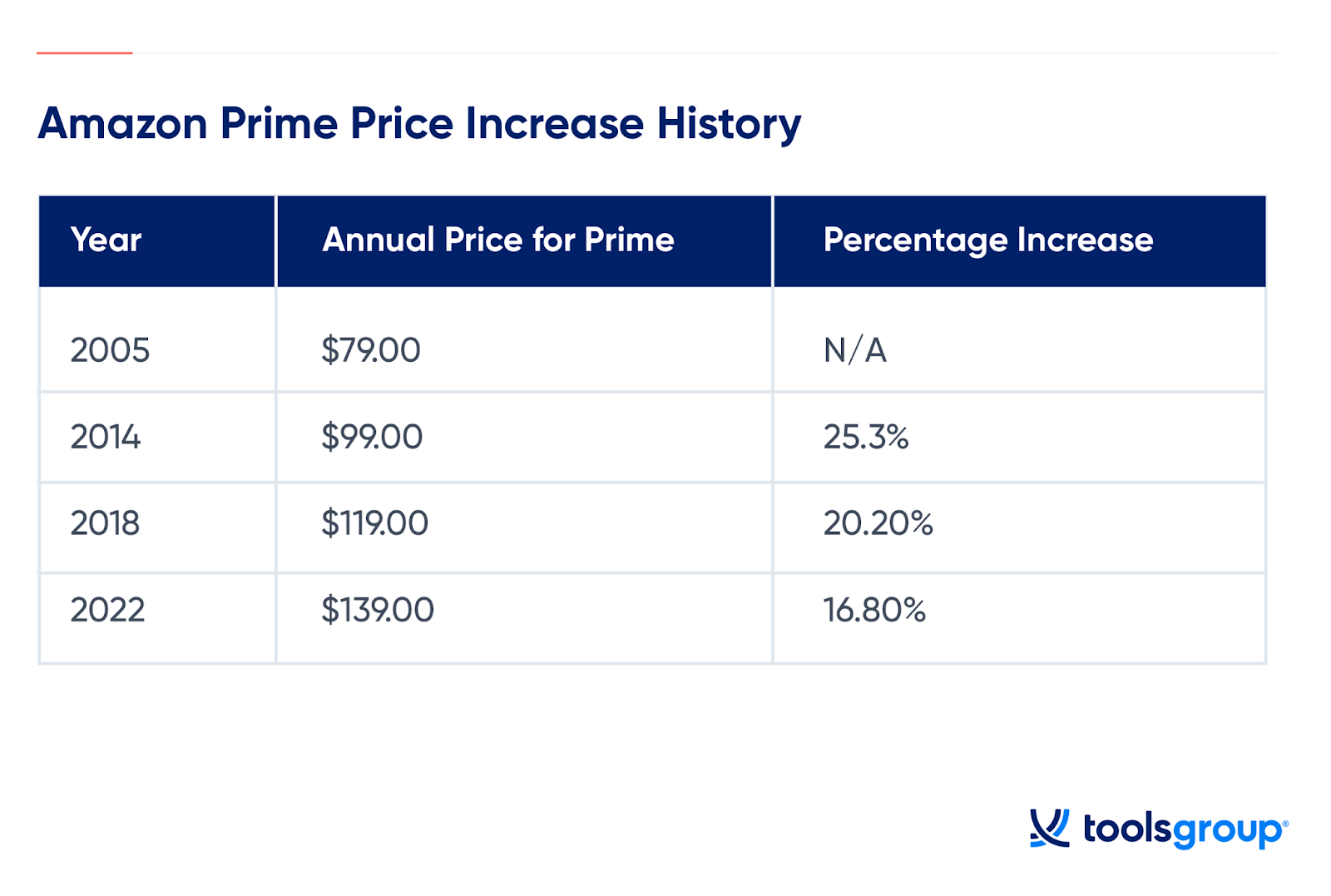
The standard cost of an Amazon Prime membership currently sits at $14.99 per month or $139 per year. For many seniors, this represents a significant line item in a monthly budget. However, Amazon offers a discounted tier known as “Prime Access,” which reduces the monthly fee by more than 50%, bringing the cost down to $6.99 per month.
Qualifying Programs for the Reduced Rate
The Prime Access discount is designed for individuals receiving government assistance. Because many seniors qualify for these programs, they are eligible for the $6.99 rate. The most common qualifying programs include:
-
Supplemental Security Income (SSI): Not to be confused with standard Social Security retirement benefits, SSI is a needs-based program for seniors with limited income and resources.
-
Medicaid: Many seniors who utilize Medicaid for healthcare coverage can use their Medicaid card to verify eligibility for the Prime discount.
-
SNAP (Supplemental Nutrition Assistance Program): Seniors using EBT cards for groceries are eligible.
-
Other Programs: Eligibility also extends to those receiving Tribal assistance (TTANF), Low Income Home Energy Assistance Program (LIHEAP), and the Women, Infants, and Children (WIC) program.
To secure this rate, a user must upload a photo of their eligibility letter or their program card (such as an EBT or Medicaid card) to the Amazon portal. The discount is valid for up to four years, after which the user must re-verify their status.
Monthly vs. Annual Financial Commitment
For seniors who do not qualify for Prime Access, the choice between the $14.99 monthly plan and the $139 annual plan is a classic exercise in cash flow management. The annual plan breaks down to approximately $11.58 per month, representing a nearly $41 annual saving over the monthly billing cycle. From a personal finance perspective, the annual payment is the superior choice for those who have the liquidity to pay upfront. However, the monthly plan offers flexibility for those who may only want the service during high-volume shopping months, such as the holiday season.
Evaluating the Financial Value of Shipping and Grocery Savings
The “cost” of Amazon Prime is not merely the sticker price of the subscription; it is the net difference between the subscription fee and the savings generated through the service. For seniors, these savings often manifest in two primary areas: logistics and groceries.
The Opportunity Cost of Traditional Shopping
For retirees with mobility issues or those living in rural areas, the cost of “going to the store” is higher than it appears on a receipt. When factoring in the price of gasoline, vehicle wear and tear, and the physical toll of navigating large retail spaces, the free shipping offered by Prime becomes a significant financial offset.
By utilizing Prime’s free two-day or same-day shipping, a senior can consolidate their household purchasing. If the average trip to a big-box retailer costs $5 in fuel and 90 minutes of time, utilizing Prime just three times a month effectively pays for the membership fee in saved “hidden costs.”
Leveraging Whole Foods and Amazon Fresh
Food inflation has placed an immense burden on those on fixed incomes. Amazon Prime offers targeted discounts that can help mitigate these rising costs. Prime members receive an additional 10% off items with yellow sale signs at Whole Foods Market, along with rotating weekly “Prime Member Deals” on high-volume staples like produce and proteins.
Furthermore, Amazon Fresh provides a competitive alternative to traditional grocery stores. For seniors who may no longer feel comfortable driving or carrying heavy bags, the delivery service—which is often free for Prime members above a certain order threshold—removes the need for third-party delivery services like Instacart, which often carry high service fees and markups.
Healthcare and Pharmacy: The Hidden Revenue Stream for Seniors
One of the most overlooked financial benefits of Amazon Prime for the senior demographic is its expansion into the healthcare sector. As healthcare remains one of the largest expenses in retirement, the financial tools integrated into Prime can offer substantial relief.

The RxPass Program
Amazon Pharmacy offers a feature called RxPass for Prime members. For a flat fee of $5 per month, members can get all of their eligible generic medications delivered to their door. This is an incredible value proposition for seniors managing chronic conditions that require multiple prescriptions. In many cases, the $5 flat fee is significantly lower than the cumulative co-pays associated with standard Medicare Part D plans.
Transparent Pricing and Out-of-Pocket Savings
Even outside of the RxPass, Prime members have access to the “Prime Member Rx Savings” program. This allows users to save up to 80% on prescriptions at over 60,000 pharmacies nationwide (including CVS, Walgreens, and Rite Aid) when paying without insurance. For seniors in the “donut hole” of Medicare coverage or those with high-deductible plans, this transparency allows for better financial planning and lower out-of-pocket spending on essential medications.
Digital Entertainment as a Cost-Cutting Strategy
In the quest to reduce monthly expenses, “cutting the cord” on expensive cable packages is a primary target for many seniors. Amazon Prime provides a robust suite of entertainment options that can replace or supplement more expensive media subscriptions.
Prime Video and the Replacement of Cable
The average cable bill in the United States now exceeds $100 per month. Prime Video, included at no extra cost with the membership, offers thousands of movies, television shows, and original programming. For a senior, shifting from a traditional cable package to a combination of an over-the-air (OTA) antenna for local news and Amazon Prime for entertainment can save over $1,000 annually.
Prime Reading and Photo Storage
For the avid reader, Prime Reading offers a rotating selection of thousands of eBooks, magazines, and comics at no additional cost. Given that new eBooks can cost between $9.99 and $14.99, reading just one book a month through this service essentially covers the cost of the Prime membership.
Additionally, Prime offers unlimited full-resolution photo storage. For seniors looking to digitize family memories or save photos of grandchildren, this eliminates the need for paid cloud storage tiers from competitors like Google or Apple, which can range from $1.99 to $9.99 per month.
Strategic Financial Management of the Membership
To truly maximize the value of the Amazon Prime cost, seniors should employ specific financial strategies to ensure they aren’t overpaying for the service.
Utilizing Amazon Household
Amazon allows “Amazon Household,” where two adults can share a single Prime membership. For seniors living in a retirement community or sharing a home with a spouse or adult child, the cost of Prime can be split. Both members retain their own accounts and payment methods but share the benefits of free shipping and streaming. This effectively cuts the cost of the membership in half per person.
The Amazon Store Card and Rewards Visa
For seniors with a strong credit profile, the Amazon Prime Rewards Visa Signature Card offers 5% back on all Amazon and Whole Foods purchases. For a household that spends $400 a month on groceries and household supplies through Amazon, that is a $20 monthly rebate. This cash back can be applied directly to the statement, meaning the membership not only pays for itself but generates a “profit” for the user.
Monitoring Subscription Overlap
Seniors should conduct a quarterly audit of their digital subscriptions. Often, a Prime membership renders other services redundant. For example, if you are paying for a separate music streaming service, Prime Music (included with the membership) might suffice for casual listening. If you are paying for grocery delivery from a local supermarket, Amazon Fresh may offer a cheaper alternative.
Final Economic Assessment for Seniors
Is the cost of Amazon Prime worth it for seniors? From a purely financial standpoint, the answer depends on usage frequency and eligibility for the Prime Access discount.
For a senior qualifying for the $6.99 Prime Access rate, the membership is almost certainly a financial win. The combined savings on prescriptions through RxPass, the 10% discount at Whole Foods, and the elimination of transportation costs for household shopping create a return on investment that far outweighs the $84 annual cost.
For seniors paying the standard $139 annual rate, the calculation requires more intention. To break even, the user should be making at least two to three orders per month or heavily utilizing the Prime Video and Pharmacy benefits. When viewed not as a “shopping fee” but as a bundled package of logistics, healthcare savings, and entertainment, Amazon Prime remains one of the most efficient tools for managing a household budget in the digital age. By leveraging the specific programs and discounts available, seniors can transform this cost into a strategic financial asset.
aViewFromTheCave is a participant in the Amazon Services LLC Associates Program, an affiliate advertising program designed to provide a means for sites to earn advertising fees by advertising and linking to Amazon.com. Amazon, the Amazon logo, AmazonSupply, and the AmazonSupply logo are trademarks of Amazon.com, Inc. or its affiliates. As an Amazon Associate we earn affiliate commissions from qualifying purchases.