
In the worlds of fashion, cosmetics, and design, the term “nude” has historically been used as a shorthand for a singular, universal beige. However, in the modern landscape of brand strategy and inclusive design, the definition of nude has undergone a radical transformation. For businesses today, understanding the color nude is no longer just a matter of aesthetic preference; it is a critical component of corporate social responsibility, market accessibility, and authentic brand identity. When a brand uses the term “nude,” it is making a statement about who it perceives as the “default” human being—and in a globalized economy, that default must be multifaceted.

The Evolution of Nude: From Monochromatic to Multidimensional
For decades, the color industry operated under a narrow, exclusionary definition of “nude.” It was synonymous with a light, pinkish-beige, effectively positioning a specific Caucasian skin tone as the neutral baseline for everything from undergarments and hosiery to foundation and adhesive bandages. This was not merely a design oversight; it was a form of systemic erasure that permeated corporate identity across multiple sectors.
Challenging the Industry Standard
The shift began when consumers started holding brands accountable for the lack of representation in their product lines. Leading the charge were beauty brands that recognized that a “nude” lipstick or foundation for one person looked like a stark, chalky mask on another. This transition forced a pivot in color theory within the fashion and beauty industries. Designers began to adopt a more nuanced approach, acknowledging that “nude” is not a single hue, but a spectrum of undertones ranging from deep espresso and rich mahogany to warm ochre and pale ivory.
The Impact of Inclusive Design
Inclusive design is the practice of creating products that are accessible to and usable by as many people as possible. By expanding the definition of nude, brands have tapped into previously underserved market segments. This is a powerful lesson in brand strategy: when a company adjusts its visual language to include more people, it inherently increases its total addressable market. A product marketed as “nude” that caters to a diverse range of skin tones signals to the consumer that the brand has done the research and values their unique identity.
Strategic Branding and the Psychology of Color
From a marketing perspective, the color nude occupies a unique space. It is often associated with minimalism, sophistication, and timelessness. However, if a brand’s implementation of “nude” is insensitive, that message of elegance is quickly overshadowed by a message of negligence. Managing the identity of a brand requires a delicate balance between visual aesthetics and social awareness.
Defining Your Brand’s Nude Palette
When a brand decides to incorporate “nude” into its design system—whether in website interfaces, packaging, or product offerings—it must establish a strategy that avoids the “beige trap.” This involves working with color scientists and inclusivity consultants to develop a color palette that is physically representative of the brand’s global audience. For a global brand, having one single “nude” shade is a strategic liability. A robust brand identity now requires a “nude gradient,” ensuring that the brand’s visual assets reflect the diversity of its customer base.
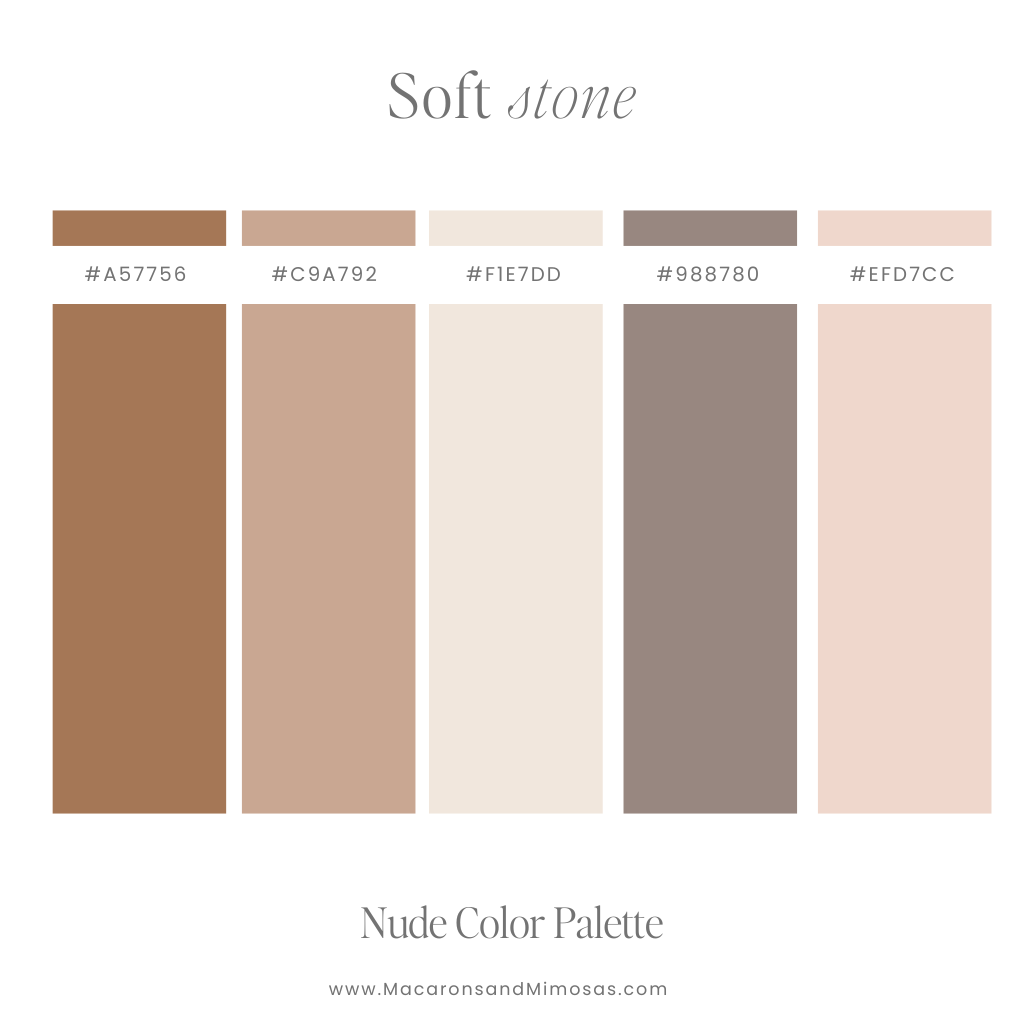
Nude as a Design Aesthetic
In digital design and web branding, nude tones are frequently used to convey a sense of calm, luxury, and approachability. Because these colors are softer than primary or secondary colors, they are often used to create a “human-centric” user interface. However, the misuse of these colors in UI/UX can lead to accessibility issues. For instance, using a nude palette for buttons or essential navigation elements against a white background can fail contrast ratio tests, alienating users with visual impairments. The strategy here must be two-fold: achieving an aesthetic look while maintaining high-contrast usability standards.
The Business Case for Radical Inclusivity
Brands that have successfully navigated the redefinition of “nude” have seen significant returns in customer loyalty and brand equity. In the era of social media, authenticity is the currency of success. Customers are quick to call out performative branding, but they are equally loyal to brands that put in the work to be truly inclusive.
Financial Upside of Expanded Ranges
In the beauty and fashion industries, the “nude” revolution has led to record-breaking sales. When a brand releases a range of 40 shades of “nude” foundation, it isn’t just about charity; it is about capturing revenue that was previously being diverted to competitors who were more inclusive. This is a classic case of product-market fit. By refining the definition of the color, businesses solve a functional problem for the consumer: “Will this actually look good on me?” When a consumer answers “yes,” the transaction is secured.
Avoiding “Tokenism” in Visual Identity
One of the dangers of this evolution is falling into the trap of tokenism, where a brand includes one or two darker shades to appease the market without actually committing to a diverse color philosophy. True brand strategy involves weaving inclusivity into the core of the business model. This means that in marketing materials, photography, and digital campaigns, the use of nude shades should be seamlessly integrated into the story the brand is telling. The color should feel like a natural extension of the product, not an afterthought forced by public pressure.
Looking Toward the Future of Color Identity
As we look toward the future, the definition of “nude” will likely continue to expand. We are moving toward a time where “nude” might be less of a descriptor for a skin-tone match and more of a descriptor for “complementary neutral.” The rigid, skin-centric definition of the term may eventually give way to a more fluid understanding of how colors interact with light, texture, and personal style.
The Role of Technology in Color Matching
Advancements in AI and augmented reality are helping brands get closer to the perfect “nude” match. Virtual try-on tools allow customers to see how various shades perform under different lighting conditions, removing the guesswork that once made “nude” shopping so difficult. By investing in these technologies, brands can ensure that their products are not only inclusive but also precise. This technological integration is the next frontier of branding—using data to prove that your “nude” isn’t just a marketing label, but a scientific reality.

Sustaining an Inclusive Brand Ethos
The journey to redefining the color nude is an ongoing process of listening and iterating. A brand that claims to be inclusive must be prepared to update its color palette as it expands into new markets or as consumer expectations evolve. The lesson of “what is the color nude” is that there is no final answer. The color is as diverse as humanity itself. The most successful brands will be those that embrace this ambiguity, reject the idea of a single “nude” standard, and continue to innovate in ways that make every customer feel seen, valued, and represented.
By moving beyond the outdated, singular concept of beige, companies have the opportunity to build stronger, more empathetic connections with their audience. Whether through product development, visual design, or marketing communication, the thoughtful application of the color nude—in all its complexity—is a benchmark of a modern, forward-thinking enterprise. It is a reminder that the details of a brand’s visual identity are never just colors; they are reflections of the company’s values and its commitment to the people it serves.
aViewFromTheCave is a participant in the Amazon Services LLC Associates Program, an affiliate advertising program designed to provide a means for sites to earn advertising fees by advertising and linking to Amazon.com. Amazon, the Amazon logo, AmazonSupply, and the AmazonSupply logo are trademarks of Amazon.com, Inc. or its affiliates. As an Amazon Associate we earn affiliate commissions from qualifying purchases.