
The humble “coin,” in its various forms, has been a cornerstone of human civilization for millennia. Far more than just a metallic disc or a string of digital code, the concept of “the coin” embodies complex ideas of value, exchange, trust, and economic power. In an increasingly globalized and digital world, understanding “what is the coin” goes beyond its physical manifestation to encompass the intricate mechanisms of currency, finance, and investment that shape our daily lives and the broader economy. This article delves into the multifaceted nature of “the coin,” exploring its historical roots, its modern digital transformations, its economic significance, and the challenges and opportunities it presents in the financial landscape.
The Enduring Legacy of Physical Coinage: From Barter to Modern Mints
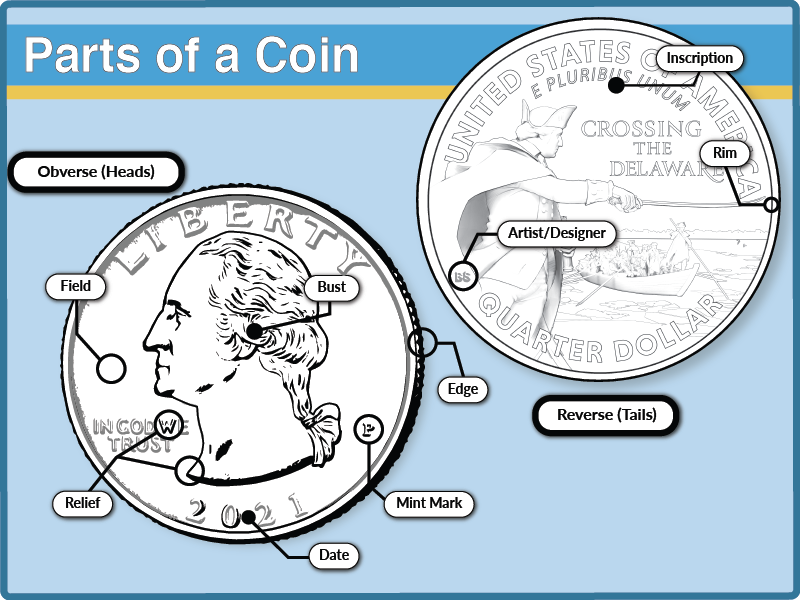
To truly grasp the essence of “the coin,” we must first appreciate its origins and the foundational role it played in moving societies beyond rudimentary exchange systems. The physical coin, with its standardized weight, intrinsic value, and government-backed legitimacy, revolutionized trade and laid the groundwork for modern financial systems.
The Genesis of Exchange: Necessity and Early Forms of Money
Before the advent of standardized coinage, societies relied on various forms of barter – the direct exchange of goods and services. While effective for simple transactions, barter suffered from a critical limitation: the “double coincidence of wants.” Both parties had to desire what the other possessed simultaneously. Early forms of money, such as cattle, salt, shells, or precious metals like gold and silver, emerged to overcome this hurdle. These commodities were chosen for their durability, portability, divisibility, and relative scarcity, allowing for easier valuation and deferred payment. However, these early forms still lacked standardization, requiring constant weighing and assaying to determine their true value, making large-scale commerce cumbersome.
Standardization and Sovereignty: The Role of Nation-States
The true innovation of “the coin” arrived with the introduction of minted currency. The Lydians, in present-day Turkey, are often credited with producing the first standardized coins in the 7th century BCE, made from electrum (a natural gold-silver alloy). These coins bore official marks, guaranteeing their weight and purity, thereby eliminating the need for individual weighing in every transaction. This innovation was rapidly adopted and refined by various empires and city-states.
The state’s involvement in coining was crucial. By imprinting its seal, a government lent its authority and credibility to the currency. This act transformed mere metal into legal tender, backed by the sovereign’s promise. It facilitated taxation, military payments, and unified economic zones, leading to unprecedented levels of trade and prosperity. The concept of fiat money – currency declared legal tender by a government, but not necessarily backed by a physical commodity like gold – gradually evolved from this foundation, especially after the abandonment of the gold standard in the 20th century. Today, most national currencies are fiat currencies, their value derived from public trust in the issuing government and its economic stability.
Beyond Transaction: Coins as Collectibles and Cultural Artifacts
While their primary function is transactional, physical coins also hold significant cultural and historical value. Numismatics, the study and collection of coins, offers a window into the past, revealing artistic trends, political narratives, and economic conditions of bygone eras. Rare coins can command astronomical prices, not just for their metallic content, but for their historical significance, rarity, and condition. These pieces transcend their monetary function to become tangible links to history, embodying stories of empires, revolutions, and human endeavor. They serve as a reminder that “the coin” is not just an economic tool but also a powerful symbol of identity and heritage.
The Digital Revolution: “Coins” Beyond the Physical Realm
The 21st century has ushered in a radical transformation of “the coin,” pushing its definition far beyond the physical metallic disc. The advent of digital technologies has created new forms of currency and value exchange, fundamentally altering how we perceive and interact with money.
The Rise of Digital Currencies and Electronic Payments
For decades, even before the internet, financial institutions began digitizing money. Electronic fund transfers, credit and debit cards, and automated teller machines (ATMs) were early steps in moving transactions away from physical cash. The internet further accelerated this shift, giving rise to online banking, e-commerce, and digital payment platforms like PayPal, Venmo, and mobile payment apps.
These systems represent “digital coins” in the sense that they represent claims on underlying fiat currency held within financial institutions. When you pay with a debit card, you’re not exchanging physical currency; you’re instructing your bank to transfer a digital record of value from your account to another. This efficiency and convenience have made digital payments ubiquitous, reducing the reliance on physical cash for many transactions, especially in developed economies.
Understanding Cryptocurrencies: A New Paradigm of Value
Perhaps the most revolutionary interpretation of “the coin” in the digital age is the cryptocurrency. Bitcoin, launched in 2009, introduced the world to a decentralized digital currency, secured by cryptography and managed by a distributed ledger technology known as blockchain. Unlike traditional digital money which is merely a digital representation of fiat currency held in a bank, cryptocurrencies like Bitcoin, Ethereum, and countless others are native digital assets.
They operate without central banks or financial intermediaries, instead relying on a network of computers to verify and record transactions. This decentralization aims to provide greater transparency, security, and resistance to censorship. The value of cryptocurrencies is derived from market demand, scarcity (many have a fixed supply), and the utility of their underlying blockchain networks. While volatile and subject to speculative pressures, cryptocurrencies represent a fundamental shift in how value can be created, transferred, and stored, challenging traditional notions of monetary authority and control.
Stablecoins and Central Bank Digital Currencies (CBDCs): Bridging the Gap
Recognizing both the potential and the volatility of cryptocurrencies, two new categories of “digital coins” have emerged, aiming to combine the benefits of digital innovation with greater stability and regulatory oversight.
- Stablecoins: These cryptocurrencies are designed to minimize price volatility by pegging their value to a stable asset, such as the U.S. dollar, gold, or a basket of currencies. Examples include Tether (USDT) and USD Coin (USDC). They offer the speed and low transaction costs of blockchain technology while providing the price stability needed for everyday transactions and remittances, effectively acting as a digital version of fiat currency on a blockchain.
- Central Bank Digital Currencies (CBDCs): Many central banks worldwide are actively exploring or developing their own digital currencies. A CBDC would be a digital form of a country’s fiat currency, issued and backed by the central bank. Unlike cryptocurrencies, CBDCs would be centralized and government-controlled, offering a risk-free digital payment option that could improve financial inclusion, reduce transaction costs, and enhance monetary policy effectiveness. They represent a significant evolution of “the coin,” blending the trust of state-backed currency with the efficiency of digital technology.
The Economic Impact of “The Coin”: Value, Inflation, and Investment
Regardless of its form – physical or digital – “the coin” remains central to economic life. Its characteristics influence individual financial decisions, national economic stability, and global financial flows.
The Dynamics of Value: Scarcity, Demand, and Trust
The value of “the coin” is not inherent but is a complex interplay of several factors. Scarcity plays a role, especially for commodities like gold or cryptocurrencies with capped supplies. Demand is equally critical; if people want to use a particular coin for transactions or as a store of value, its price will rise. Most importantly, trust underpins the entire monetary system. For fiat currencies, trust in the issuing government’s ability to manage its economy and maintain political stability is paramount. For cryptocurrencies, trust lies in the underlying technology, the network’s security, and the community’s belief in its future utility. A loss of trust can swiftly devalue any form of “coin.”
Inflation and Purchasing Power: Protecting Your “Coin”
One of the most significant concerns for anyone holding “the coin” is inflation. Inflation is the rate at which the general level of prices for goods and services is rising, and consequently, the purchasing power of currency is falling. If your “coin” (e.g., your savings in a bank account) does not grow at least as fast as inflation, its real value diminishes over time. This erodes wealth and makes future planning more challenging. Central banks typically aim to manage inflation through monetary policy, but individuals must also strategically invest and manage their finances to protect and grow their purchasing power against inflationary pressures. Understanding how inflation impacts different types of “coins” – from traditional savings to real estate or volatile cryptocurrencies – is crucial for sound financial decision-making.
“Coins” as an Investment Vehicle: Opportunities and Risks
Beyond its role as a medium of exchange, “the coin” – in its various guises – also functions as an investment vehicle.
- Traditional Currencies: While generally not considered an investment in themselves (unless speculating on foreign exchange rates), the decision of where to hold your currency (e.g., high-yield savings accounts, money market funds) directly impacts its growth.
- Precious Metals (Gold/Silver Coins): These are often seen as a hedge against inflation and economic uncertainty. Their value tends to be stable or appreciate during times of market volatility.
- Collectibles: Rare physical coins can be a niche but potentially lucrative investment, with value appreciation driven by rarity and historical demand.
- Cryptocurrencies: These offer high-risk, high-reward investment opportunities. Their decentralization and potential for widespread adoption attract investors, but their price volatility, regulatory uncertainty, and susceptibility to market manipulation pose significant risks.
- Digital Assets (NFTs, Game Coins): Even newer forms of “coins” as digital assets within specific ecosystems (like non-fungible tokens or in-game currencies) are emerging as investment possibilities, albeit with highly speculative characteristics.
Each “coin” investment carries its unique risk profile, and understanding these is fundamental to effective portfolio management.
Navigating the Future of “The Coin”: Challenges and Opportunities
The landscape of “the coin” is continuously evolving, driven by technological advancements, geopolitical shifts, and changing societal needs. This evolution presents both exciting opportunities and significant challenges for individuals, businesses, and governments.
Regulatory Landscapes and Consumer Protection
The rapid innovation in digital currencies, particularly cryptocurrencies, has outpaced regulatory frameworks. Governments worldwide are grappling with how to regulate these new “coins” to protect consumers from fraud, market manipulation, and financial crime, while simultaneously fostering innovation. Clear and consistent regulatory policies are essential for mainstream adoption and stability. This includes defining assets, establishing tax guidelines, and ensuring anti-money laundering (AML) and know-your-customer (KYC) compliance. The balance between oversight and innovation will largely determine the trajectory of digital “coins.”
Financial Inclusion and Global Accessibility
One of the most promising aspects of the evolving “coin” landscape is its potential for enhancing financial inclusion. Billions of people globally remain unbanked or underbanked, lacking access to basic financial services. Digital currencies, especially CBDCs and well-regulated stablecoins, could offer low-cost, secure, and accessible payment systems, enabling remittances, micro-transactions, and participation in the digital economy for underserved populations. This democratization of finance could empower individuals and drive economic growth in developing regions, fundamentally changing how money flows across borders.
The Evolution of Transaction: Speed, Security, and Decentralization
The future of “the coin” points towards even faster, more secure, and potentially more decentralized transactions. Blockchain technology promises enhanced transparency and immutability for records. The ongoing development of instant payment systems and cross-border digital payment networks suggests a future where money moves across the globe almost instantaneously and at minimal cost. The debate between centralized (CBDCs, traditional banking) and decentralized (cryptocurrencies) models will continue to shape how we view trust and control over our “coins,” influencing everything from personal privacy to national sovereignty in monetary affairs.
In conclusion, “what is the coin?” is a question that reveals the dynamic nature of money itself. From the earliest forms of commodity money to the state-backed metal disks, and now to the complex digital ecosystems of cryptocurrencies and central bank digital currencies, the concept of “the coin” has continually adapted to human needs for efficient and trustworthy exchange. Understanding its historical journey, its current manifestations, and its future trajectory is not merely an academic exercise; it is crucial for navigating personal finances, making informed investment decisions, and comprehending the foundational elements of the global economy in an ever-changing world.
aViewFromTheCave is a participant in the Amazon Services LLC Associates Program, an affiliate advertising program designed to provide a means for sites to earn advertising fees by advertising and linking to Amazon.com. Amazon, the Amazon logo, AmazonSupply, and the AmazonSupply logo are trademarks of Amazon.com, Inc. or its affiliates. As an Amazon Associate we earn affiliate commissions from qualifying purchases.