
Navigating the logistics of travel to a major destination like Atlantic City (AC) is rarely just a matter of geography; it is a complex financial decision. Whether you are a corporate traveler attending a convention at the Borgata, an investor scouting real estate opportunities in the South Jersey area, or a high-stakes player looking to maximize time at the tables, the choice of airport is a significant variable in your overall travel ROI (Return on Investment).
While the literal answer to “what is the closest airport to Atlantic City” is Atlantic City International Airport (ACY), the economic reality of regional travel often necessitates a broader comparison. To truly understand the financial implications of your arrival point, one must analyze the trade-offs between ticket pricing, ground transportation overhead, and the value of time.
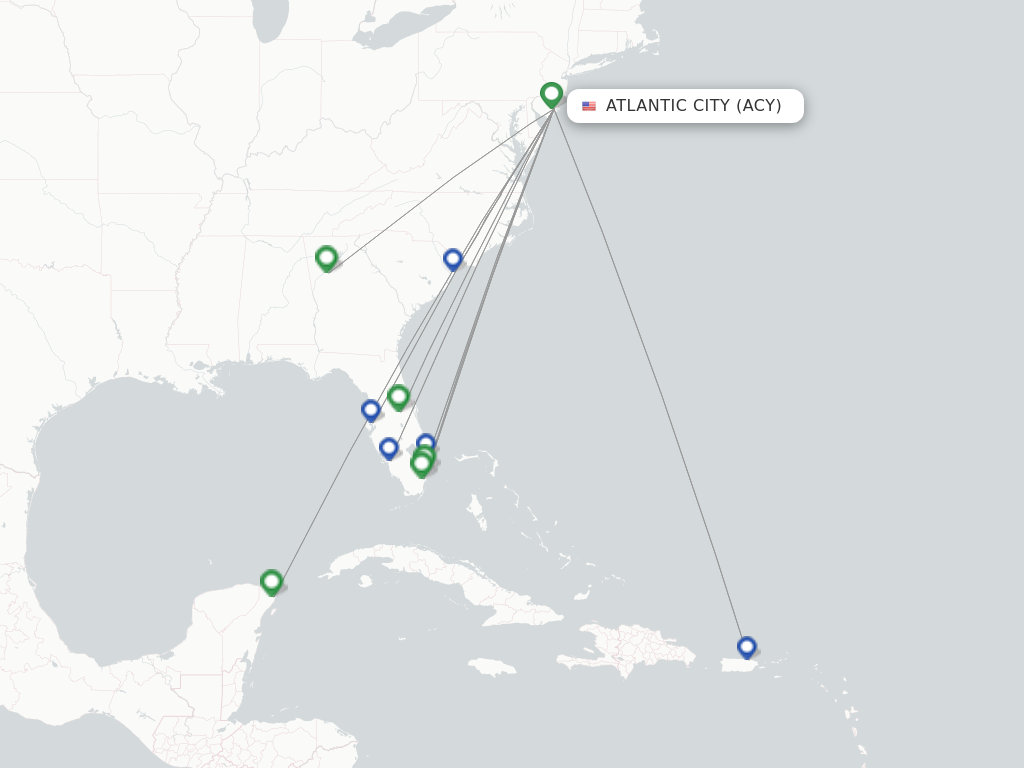
Analyzing the Financial Impact of Airport Proximity
When assessing the financial viability of different arrival points for Atlantic City, two primary contenders emerge: Atlantic City International Airport (ACY) and Philadelphia International Airport (PHL). Each serves a different economic function for the traveler.
Atlantic City International Airport (ACY): The Local Economic Hub
Located just 10 miles northwest of the city center in Egg Harbor Township, ACY is the quintessential “convenience” airport. From a financial perspective, the primary advantage of ACY is the reduction of “last-mile” costs. When you land at ACY, the transit time to the Atlantic City Boardwalk or the Marina District is approximately 20 minutes.
However, the economic profile of ACY is unique. It is heavily dominated by Spirit Airlines, a low-cost carrier (LCC). For the budget-conscious traveler or the business with a lean travel policy, this can represent a significant reduction in upfront capital expenditure. The airport’s smaller footprint also translates to lower “friction costs”—shorter security lines, less expensive parking compared to major hubs, and faster baggage claim turnover. For a professional whose hourly rate is substantial, the 45 minutes saved at a smaller terminal is a direct boost to productivity.
Philadelphia International Airport (PHL): The High-Volume Alternative
Approximately 60 miles from Atlantic City, PHL is the regional heavy hitter. From a market perspective, PHL offers something ACY cannot: competition. With multiple major carriers including American, Delta, and United, the sheer volume of flights often drives down ticket prices through market saturation.
For international investors or corporate teams traveling from the West Coast or overseas, PHL is often the only viable entry point. The financial drawback, however, lies in the “Ground Transit Tax.” The cost of a private car service from PHL to Atlantic City can range from $120 to $200 each way, while a rideshare may fluctuate significantly based on surge pricing. When calculating the total cost of the trip, the “cheap” flight to Philly must be weighed against these substantial auxiliary expenses.
Cost-Benefit Analysis: Airfare vs. Ground Transportation
To make an informed financial decision, one must look beyond the sticker price of a flight. A comprehensive cost-benefit analysis (CBA) is essential for optimizing travel spend.
Hidden Costs of “Cheap” Flights to Distant Hubs
It is a common trap in personal and business finance to prioritize the lowest airfare without accounting for the secondary costs. If a flight to PHL is $100 cheaper than a flight to ACY, but requires a $150 round-trip shuttle or Uber and two hours of additional travel time, the traveler has effectively lost $50 and two hours of potential work or leisure time.
Furthermore, one must consider the “stress tax.” Large hubs like PHL are prone to higher rates of delay and longer transit times within the terminal. In the world of finance, unpredictability is a liability. ACY, by contrast, offers a more predictable timeline, which is invaluable for those traveling on a strict schedule for high-stakes negotiations or events.
Time as a Currency: Calculating Opportunity Cost
The concept of opportunity cost is central to the decision-making process. For a high-net-worth individual or a specialized consultant, time is a finite resource with a clear monetary value.
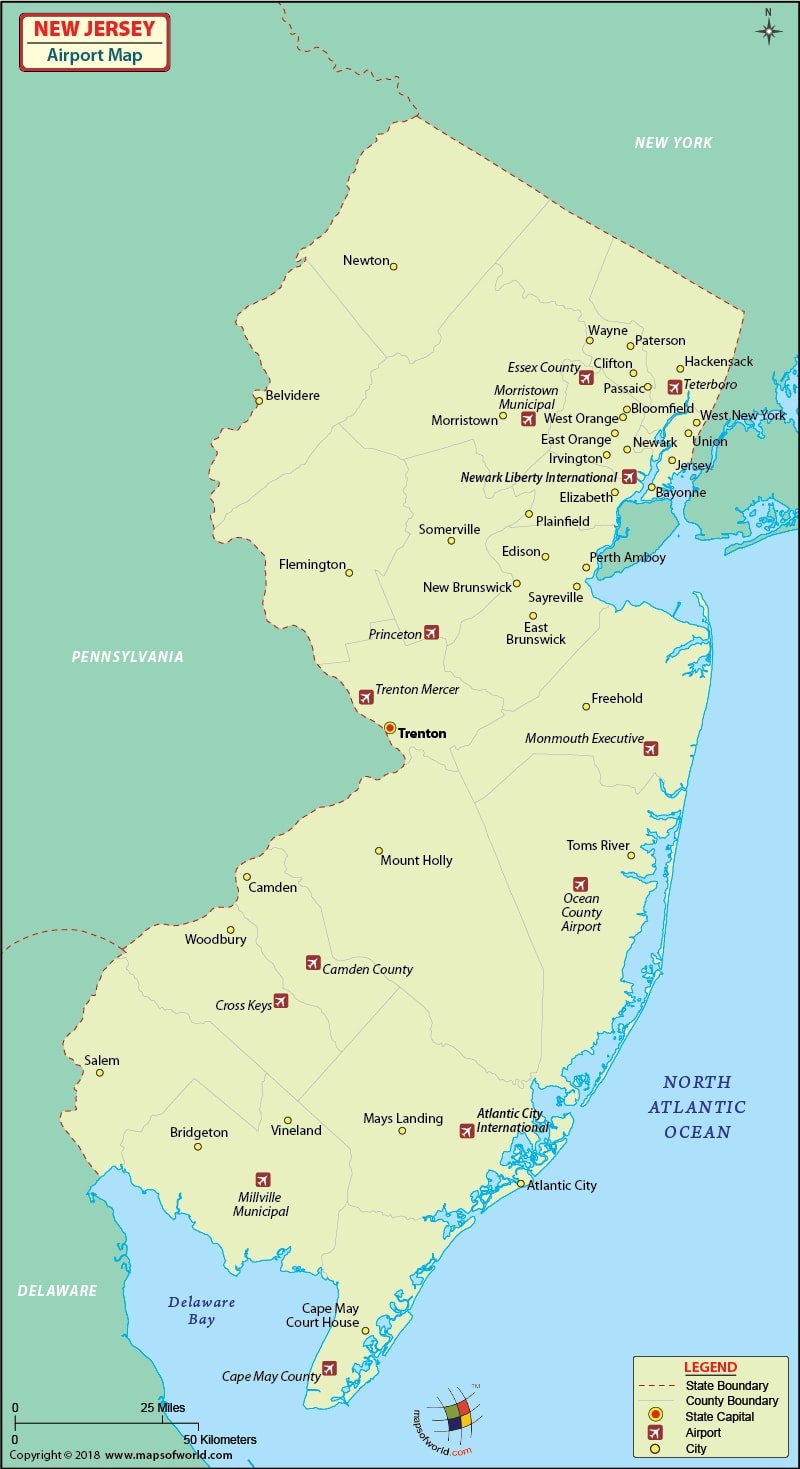
Consider this: A commute from PHL to the Atlantic City Boardwalk takes roughly 65 to 90 minutes depending on Atlantic City Expressway traffic. A commute from ACY takes 20 minutes. This 140-minute round-trip difference represents more than two hours of billable time or strategic planning. If your professional value is $200 per hour, choosing the more distant airport essentially costs you $400 in lost opportunity, regardless of the ticket price. In this light, the closest airport (ACY) is almost always the more profitable choice for the high-value traveler.
Strategic Travel Planning for Business and Tourism Revenue
The proximity of airports doesn’t just affect individual travelers; it dictates the flow of capital into the Atlantic City region. The ease of access is a primary driver of the city’s $2.5 billion annual gaming revenue and its burgeoning non-gaming sectors.
Leveraging Loyalty Programs and Corporate Travel Portfolios
For corporate entities, the choice of airport is often dictated by existing contracts with major airlines. Since ACY is primarily served by a single ultra-low-cost carrier, it often falls outside the parameters of major corporate travel programs that prioritize legacy carriers for their mileage and status benefits.
However, smart financial managers are beginning to see the value in “unbundled” travel. By allowing employees to fly into ACY, companies can often save on the total travel package—including hotel stays and ground transport—even if they aren’t accruing traditional frequent flyer miles. The shift toward “value-based travel” is forcing a re-evaluation of how proximity impacts the corporate bottom line.
The Impact of Low-Cost Carriers on Local Market Competition
The presence of Spirit Airlines at ACY acts as a price anchor for the region. Even if a traveler chooses to fly into Philadelphia or Newark (EWR), the low-cost options available at ACY force other carriers to keep their regional pricing competitive. This “spillover effect” benefits the entire South Jersey economy. It ensures that Atlantic City remains an accessible destination for a broad demographic, from the budget-conscious vacationer to the luxury seeker, maintaining a steady stream of diverse revenue for the city’s casinos and resorts.
Long-Term Financial Outlook for Atlantic City’s Transit Infrastructure
As Atlantic City continues to diversify its economy beyond gaming—focusing on wind energy, technology, and higher education—the financial significance of its closest airport is poised to grow.
Investment in Rail and Shuttle Connections
The future ROI of ACY depends heavily on infrastructure investment. There have been ongoing discussions regarding a more direct rail link between the airport and the existing Atlantic City Rail Line (which currently connects AC to Philadelphia). From an investment standpoint, improved connectivity would cause a surge in property values near the airport and potentially attract more diverse carriers.
For investors, keeping an eye on these infrastructure developments is crucial. A better-connected ACY would significantly reduce the “transaction cost” of visiting the city, making it a more attractive hub for business conferences that currently default to larger cities like Las Vegas or Orlando.
Real Estate and Commercial Growth Surrounding ACY
The land surrounding Atlantic City International Airport represents some of the most undervalued commercial real estate in the Northeast Corridor. As remote work and satellite offices become more common, the proximity to a regional airport makes this area a prime candidate for “aerotropolis” style development—a city centered around its airport.
Businesses that establish a presence near ACY benefit from lower overhead compared to North Jersey or Philadelphia, while still maintaining global connectivity. For the savvy financier, the question of “what is the closest airport” is the starting point for a much larger discussion on regional growth, market entry, and long-term capital appreciation.

Conclusion: Making the Financially Sound Choice
When answering the question of which airport to use for a trip to Atlantic City, the closest option—ACY—is frequently the most economically sound choice when all variables are considered. While PHL offers more frequent flights and more carrier variety, the “all-in” cost of travel, including ground transportation and the value of time, often tips the scales in favor of Atlantic City International.
For the professional traveler, the goal is to minimize waste and maximize the value of the trip. By understanding the interplay between airfare, opportunity cost, and regional infrastructure, you can turn a simple logistics question into a strategic financial advantage. Atlantic City is a town built on calculated risks; ensuring your arrival is as efficient as possible is the first step toward a profitable visit.
aViewFromTheCave is a participant in the Amazon Services LLC Associates Program, an affiliate advertising program designed to provide a means for sites to earn advertising fees by advertising and linking to Amazon.com. Amazon, the Amazon logo, AmazonSupply, and the AmazonSupply logo are trademarks of Amazon.com, Inc. or its affiliates. As an Amazon Associate we earn affiliate commissions from qualifying purchases.