
For most individuals, a mortgage is the largest financial commitment they will ever undertake. Consequently, the quest for the “cheapest” mortgage rate is not merely a matter of curiosity; it is a critical strategic maneuver that can save a homeowner tens of thousands—or even hundreds of thousands—of dollars over the life of a loan. However, identifying the absolute lowest rate is rarely as simple as looking at a headline number on a bank’s website. The cheapest rate is a moving target, influenced by a complex interplay of global economic trends, central bank policies, and the individual borrower’s financial profile.
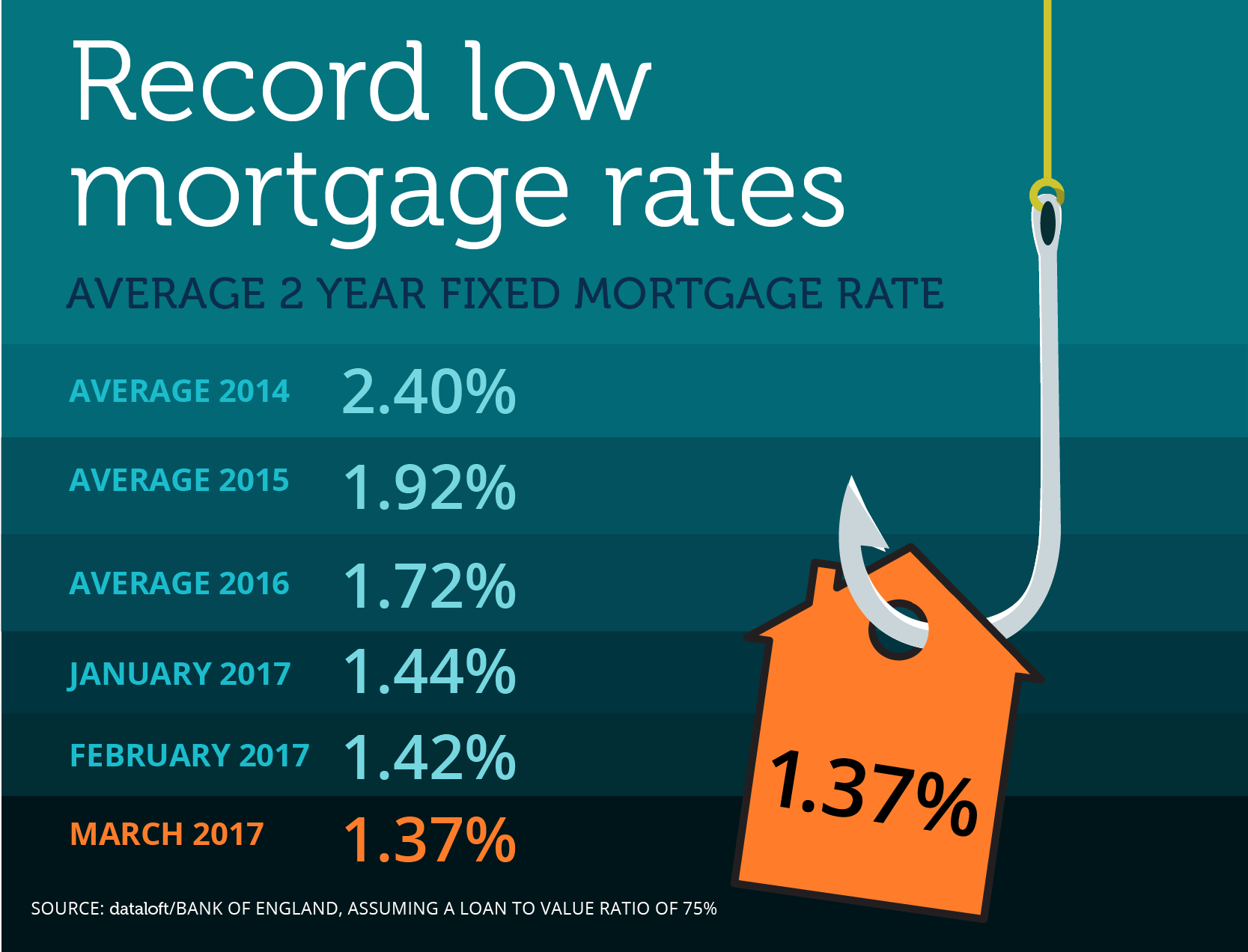
To truly understand what the cheapest mortgage rate is, one must look beyond the surface-level percentage. It requires a deep dive into the mechanics of lending, the distinction between interest rates and annual percentage rates (APR), and the tactical steps a borrower can take to position themselves as a low-risk candidate in the eyes of financial institutions.
Understanding the Fundamentals of Mortgage Rates
The interest rate on a mortgage is the cost a lender charges for the privilege of borrowing their capital. While many consumers believe that banks arbitrarily set these rates, they are actually dictated by the secondary market. Most mortgages are bundled into mortgage-backed securities (MBS) and sold to investors. Therefore, mortgage rates generally track the yield on the 10-year Treasury note. When investors are confident in the economy, they move money into stocks, causing Treasury yields—and mortgage rates—to rise. In times of economic uncertainty, investors seek the safety of bonds, driving yields and mortgage rates down.
The Difference Between Interest Rates and APR
One of the most common pitfalls in personal finance is conflating the nominal interest rate with the Annual Percentage Rate (APR). If you see an advertisement for a “cheapest” rate of 6.2%, but the APR is listed at 6.5%, the latter is the more accurate reflection of the loan’s cost. The APR includes the interest rate plus other costs, such as broker fees, points, and certain closing costs. A loan with a lower interest rate but significantly higher fees may actually be more expensive than a loan with a slightly higher interest rate and no fees. When hunting for the cheapest mortgage, the APR is the ultimate equalizer for comparison shopping.
How Macroeconomic Factors Influence the “Cheapest” Option
The Federal Reserve does not directly set mortgage rates, but its influence is profound. By adjusting the federal funds rate, the Fed influences the overall cost of credit across the economy. When the Fed raises rates to combat inflation, mortgage lenders typically follow suit to maintain their profit margins. Conversely, in a cooling economy, the Fed may lower rates to stimulate borrowing and spending. Understanding where we are in the economic cycle can help a borrower decide whether to lock in a rate now or wait for a potential dip in the market.
Key Factors That Dictate Your Personalized Rate
Lenders do not offer the same “cheapest” rate to every applicant. Instead, they use a process called risk-based pricing. The rate you are quoted is a reflection of the risk the lender perceives in lending you money. To access the lowest possible tiers, a borrower must optimize several key financial metrics.
The Power of Your Credit Score
In the realm of personal finance, your credit score is your most valuable currency. For conventional loans, the most competitive rates are usually reserved for those with a FICO score of 760 or higher. A borrower with a 760 score might receive a rate that is 0.5% to 1.0% lower than someone with a 660 score. Over a 30-year term on a $400,000 mortgage, that small percentage gap can translate to over $80,000 in interest savings. Improving your score by even 20 points before applying can move you into a new pricing bracket, effectively lowering your “cheapest” available rate.
Loan-to-Value Ratio (LTV) and Down Payments
The amount of equity you have in the property significantly impacts your rate. The Loan-to-Value (LTV) ratio is the percentage of the home’s value that you are borrowing. Historically, a 20% down payment (80% LTV) has been the gold standard. Lenders view a borrower with significant “skin in the game” as much less likely to default. If your LTV is higher than 80%, you not only face higher interest rates but are also usually required to pay Private Mortgage Insurance (PMI), which adds to the monthly cost and negates the benefit of a “cheap” rate.
Debt-to-Income Ratio (DTI)
Lenders examine your Debt-to-Income ratio to ensure you have the cash flow to handle a mortgage payment. A DTI below 36% is generally considered ideal. While a high DTI might not always prevent you from getting a loan, it can lead lenders to add “overlays” or price adjustments that increase your interest rate. By paying down high-interest credit card debt or car loans before applying for a mortgage, you can improve your DTI and qualify for a more favorable rate tier.
Types of Mortgages and Their Impact on Affordability
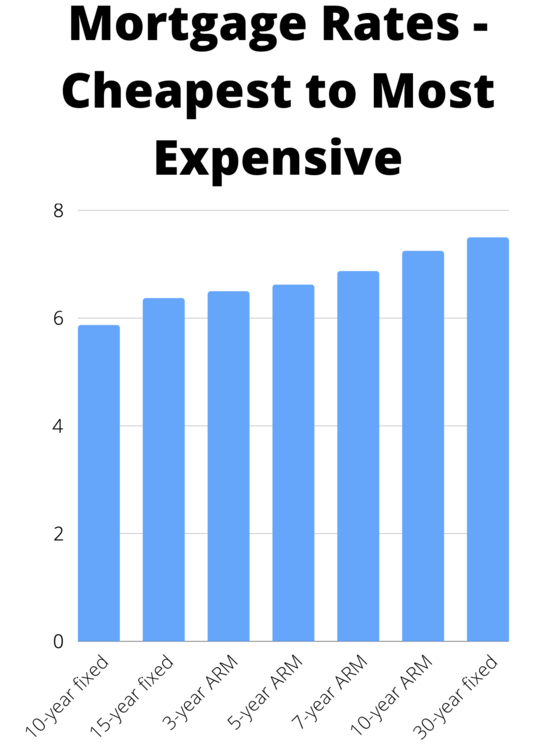
The “cheapest” rate also depends heavily on the structure of the loan product you choose. Different loan types cater to different financial situations, and the lowest rate for one person might be the most expensive choice for another.
Fixed-Rate vs. Adjustable-Rate Mortgages (ARMs)
A 30-year fixed-rate mortgage is the most popular choice because it offers stability; the interest rate never changes. However, it is rarely the “cheapest” rate available at the time of closing. Adjustable-Rate Mortgages (ARMs) typically offer a lower “teaser” rate for an initial period, such as five, seven, or ten years. After that period, the rate adjusts based on market indexes. If you plan to sell the home or refinance within a few years, an ARM can be the cheapest way to finance the purchase. However, it carries the risk of significant payment increases in the future.
Government-Backed Loans (FHA, VA, USDA)
For those who may not qualify for the lowest conventional rates, government-backed loans can offer a lower nominal interest rate. VA loans, available to veterans and service members, often boast the lowest interest rates in the market with $0 down payment. FHA loans, designed for those with lower credit scores or smaller down payments, also offer very competitive interest rates. However, FHA loans require mortgage insurance premiums (MIP) that last for the life of the loan in many cases, which can make them more expensive in the long run despite a “cheap” initial rate.
Short-Term Financing: The 15-Year Mortgage
If your primary goal is to pay the least amount of interest over time, a 15-year fixed-rate mortgage is almost always the cheapest option. Lenders offer lower interest rates on 15-year terms because the duration of their risk is halved. While the monthly payments are higher because you are paying down the principal faster, the total interest paid is a fraction of what it would be on a 30-year loan. For a financially disciplined borrower, the 15-year mortgage is the ultimate tool for wealth preservation.
Strategies to Secure the Absolute Lowest Rate Possible
Securing the cheapest mortgage rate requires proactive management and negotiation. It is not a passive process where you accept the first offer presented.
The Art of Rate Locking
Mortgage rates can fluctuate multiple times in a single day. Once you find a rate that fits your budget, you have the option to “lock” it. A rate lock guarantees that your interest rate won’t change between the time you apply and the time you close, provided the loan closes within a specific window (usually 30 to 60 days). Some lenders also offer a “float-down” option, which allows you to lock in a low rate but still take advantage if rates drop further before you close.
Buying Down the Rate with Discount Points
Borrowers can effectively “buy” a lower interest rate by paying discount points at closing. One point typically costs 1% of the total loan amount and reduces your interest rate by about 0.25%. This is a classic “math problem” in personal finance. To determine if this is the cheapest route, you must calculate the “break-even point”—how many months of lower payments it will take to recoup the upfront cost of the points. If you plan to stay in the home for decades, buying points is often a brilliant financial move.
Comparison Shopping and Negotiation Tactics
The single most effective way to find the cheapest mortgage rate is to shop around. Research from the Consumer Financial Protection Bureau (CFPB) shows that consumers who get at least three quotes save an average of $3,500 in the first few years of their loan. Don’t just look at big national banks; check with credit unions, local community banks, and online lenders. Once you have a “Loan Estimate” from one lender, you can take it to another and ask them to beat it. Lenders have margins and are often willing to lower their rates or waive fees to win your business.
The Long-Term Perspective: Is the Cheapest Rate Always the Best Deal?
In the pursuit of the lowest rate, it is easy to lose sight of the broader financial picture. The cheapest rate is not always the best deal if it comes with terms that limit your flexibility.
Balancing Closing Costs with Interest Savings
A “no-closing-cost” mortgage sounds appealing because it reduces the immediate cash required to buy a home. However, in these scenarios, the lender is not actually giving you a gift; they are simply wrapping the closing costs into a higher interest rate. Conversely, a loan with an incredibly low rate might have exorbitant “origination fees.” You must calculate the total cost of ownership over the period you expect to own the home to determine which structure is truly the cheapest.

Considering the Duration of the Loan
If you are 25 years old and buying your “forever home,” the interest rate is the most important factor because you will be paying it for decades. However, the average homeowner moves or refinances every seven to ten years. If you fall into this category, focusing exclusively on a 30-year interest rate might be a mistake. In such cases, minimizing upfront fees and focusing on the short-term cost of capital can lead to a more efficient financial outcome.
Ultimately, the cheapest mortgage rate is a combination of market timing, personal financial health, and the selection of the right loan product. By maintaining a high credit score, saving for a substantial down payment, and aggressively shopping among various lenders, you can ensure that you are not just getting a “good” rate, but the absolute best rate the market can provide for your specific circumstances. In the complex world of finance, knowledge and preparation are the primary drivers of cost savings.
aViewFromTheCave is a participant in the Amazon Services LLC Associates Program, an affiliate advertising program designed to provide a means for sites to earn advertising fees by advertising and linking to Amazon.com. Amazon, the Amazon logo, AmazonSupply, and the AmazonSupply logo are trademarks of Amazon.com, Inc. or its affiliates. As an Amazon Associate we earn affiliate commissions from qualifying purchases.