
In the realm of personal finance, insurance is often viewed as a “grudge purchase”—a necessary expense that many hope never to actually use. When individuals ask, “What is the cheapest insurance?” they are typically looking for ways to minimize their monthly overhead while maintaining a semblance of security. However, in the sophisticated world of financial planning, the “cheapest” insurance is rarely the one with the lowest premium on a spreadsheet. Instead, the cheapest insurance is the policy that provides the optimal balance between affordable premiums and comprehensive protection against catastrophic financial loss.
Navigating the insurance market requires more than just a cursory glance at price comparison websites. It demands an understanding of how risk is priced, how personal financial habits influence premiums, and how various policy structures can either save you thousands or leave you vulnerable to bankruptcy. This guide explores the strategies for securing the most cost-effective insurance across various sectors, ensuring your hard-earned money is working as efficiently as possible.
Understanding the Mechanics of Insurance Pricing
To find the most affordable insurance, one must first understand the actuarial science that governs the industry. Insurance companies are essentially risk-mitigation engines. They collect premiums from a large pool of individuals to pay for the losses of a few. The “price” you see is a reflection of how likely the insurer believes you are to file a claim and how expensive that claim might be.
Risk Assessment and Underwriting
Underwriting is the process by which insurers evaluate your risk profile. For auto insurance, this includes your driving record, age, and even your gender in some jurisdictions. For life insurance, it involves your health history, lifestyle choices (such as smoking), and family medical background. The “cheapest” rates are reserved for “preferred plus” applicants—those who represent the lowest statistical risk. From a financial perspective, maintaining a clean record and a healthy lifestyle is the single most effective long-term strategy for keeping insurance costs at their absolute minimum.
The Role of Credit Scores and Financial Responsibility
In many regions, insurance companies use “credit-based insurance scores” to help determine premiums. Statistics have shown a high correlation between financial responsibility (as reflected in a credit score) and risk management behavior. Therefore, an individual with a high credit score may pay significantly less for the exact same coverage than someone with a poor credit score. In this context, improving your credit rating is not just a tool for lower interest rates on loans; it is a direct lever to lower your insurance overhead.
Coverage Limits and Deductibles
The most immediate way to lower an insurance premium is to adjust the internal levers of the policy: the coverage limit and the deductible. The deductible is the amount you pay out of pocket before the insurance company steps in. By choosing a higher deductible, you take on more of the “small” risks, which allows the insurer to lower your monthly premium. From a wealth-building perspective, if you have a robust emergency fund, opting for a high-deductible plan is often the most mathematically sound decision, as the premium savings over several years often far exceed the cost of the deductible should a claim occur.
Category-Specific Tactics for Lowering Costs
The search for the cheapest insurance varies significantly depending on whether you are protecting your car, your home, or your life. Each sector has its own set of “hidden” discounts and structural advantages that savvy consumers can exploit to reduce their financial burden.
Auto Insurance: Comparison Shopping and Bundling
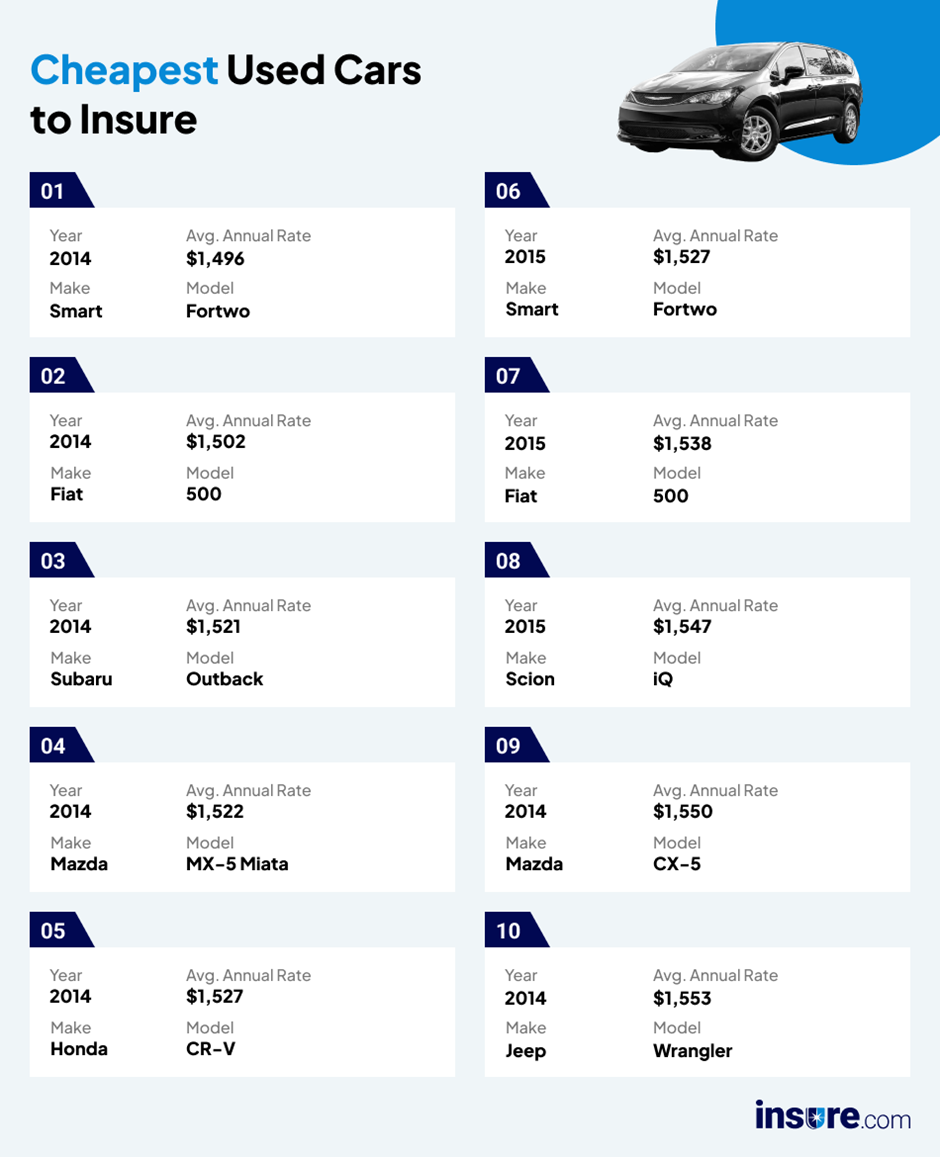
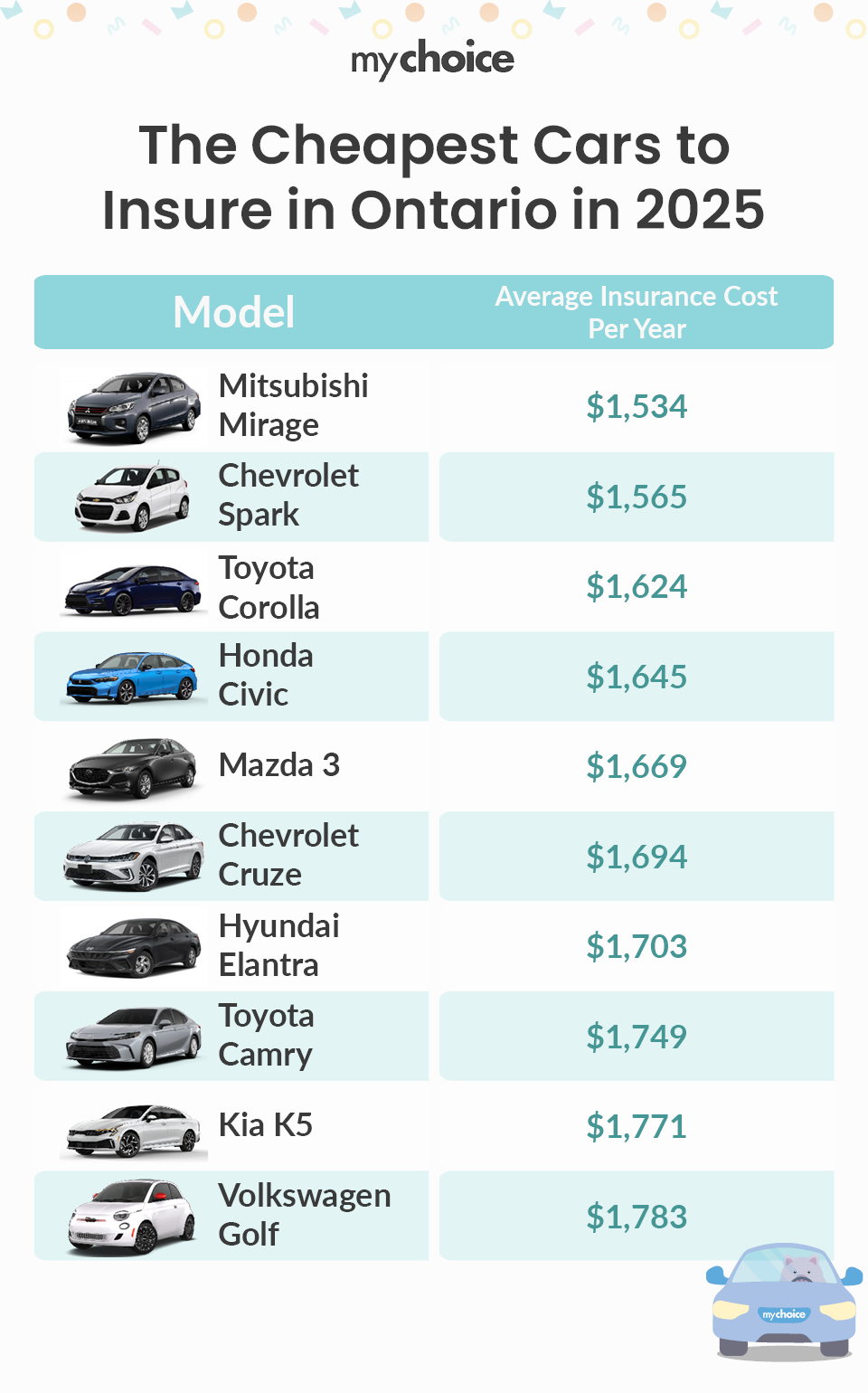
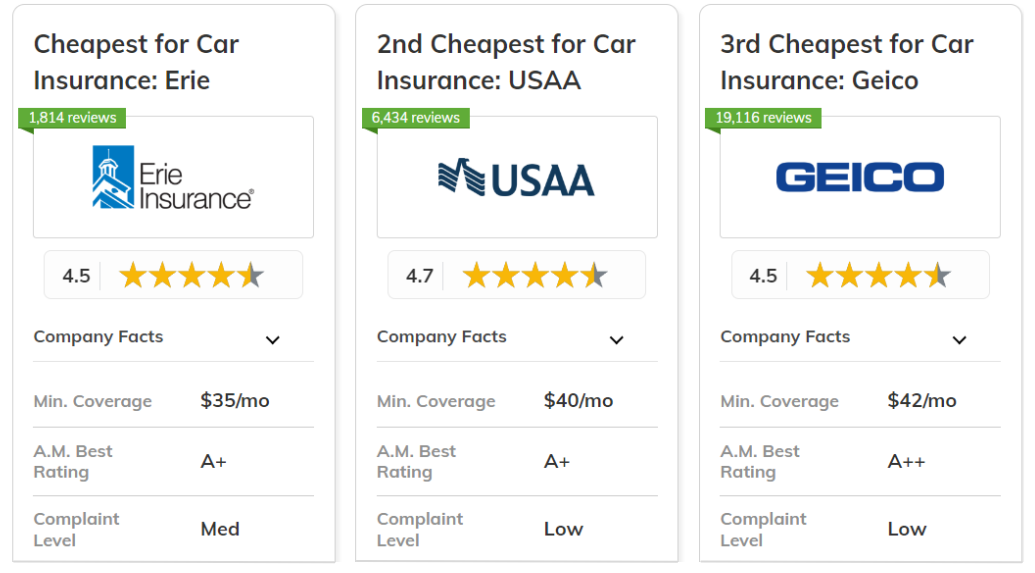
Auto insurance is one of the most competitive markets in the financial sector. Because the product is relatively commoditized, companies fight aggressively on price. The “cheapest” auto insurance is often found by “bundling”—combining your auto policy with your renters or homeowners insurance. Most major carriers offer discounts ranging from 10% to 25% for multi-policy holders. Furthermore, the “loyalty penalty” is a real phenomenon in insurance; long-term customers often pay more than new customers. Financial experts recommend re-shopping your auto insurance every 12 to 24 months to ensure you are still receiving the most competitive market rate.
Homeowners Insurance: Fortifying Your Assets
When it comes to insuring property, the cheapest policy is often the one that recognizes the safety features of the home. You can lower your premiums by investing in home security systems, smoke detectors, and deadbolt locks. More significantly, updating older systems—such as a roof that is over 20 years old or outdated electrical wiring—can lead to massive premium reductions. From an investment standpoint, these home improvements pay for themselves through a combination of increased property value and decreased annual insurance premiums.
Life Insurance: The Price of Time
In the world of life insurance, the “cheapest” option is almost universally “Term Life” insurance. Unlike “Whole Life” or “Universal Life,” which include an investment component and high management fees, Term Life provides pure protection for a set period (usually 10 to 30 years). For most families, Term Life is the superior financial tool because it allows them to cover their peak liability years—when the mortgage is high and children are young—at a fraction of the cost of permanent insurance. The remaining money that would have gone toward a high Whole Life premium can instead be invested in low-cost index funds, often yielding a much higher net worth over time.
Leveraging Discounts and Financial Incentives
Modern insurance companies are increasingly using data to offer personalized discounts. If you are willing to share data or change certain financial behaviors, the “cheapest” insurance can become even more affordable.
Telematics and Usage-Based Programs
Many auto insurers now offer telematics programs—small devices or mobile apps that track your driving habits. If you drive fewer miles than average, avoid hard braking, and stay off the road during late-night hours, you can earn discounts of up to 30% or 40%. For the financially conscious driver who works from home or has a short commute, usage-based insurance is frequently the lowest-cost option available on the market today.
Professional and Affiliation Discounts
Often overlooked are the discounts available through your employer, alma mater, or professional organizations. Large corporations often negotiate “group rates” for their employees that are inaccessible to the general public. Similarly, being a member of certain credit unions or professional associations (like those for teachers, engineers, or military personnel) can unlock specialized “niche” insurers that offer significantly lower rates than “big box” insurance companies.
Strategic Payment Structures
How you pay for your insurance can also affect its total cost. Most insurers charge a “convenience fee” or installment fee for monthly payments. By paying your premium in full—either every six months or annually—you can often save 5% to 10% on the total cost. When viewed as an investment return, “paying in full” offers a guaranteed, tax-free return on your money that is hard to beat in the stock market.
The Hidden Risks of Choosing the Absolute Cheapest Policy
While the goal is to minimize expenses, it is vital to recognize when “cheap” becomes “expensive.” In personal finance, the goal of insurance is to prevent a total loss of your assets. If a policy is so cheap that it fails to perform when needed, it is a poor investment.
Underinsurance and Out-of-Pocket Perils
Selecting the state-minimum liability for auto insurance might provide the cheapest monthly bill, but it leaves your personal assets—your savings, your home, and your future wages—exposed. If you are at fault in a major accident and your “cheap” policy only covers $25,000 of damage while the actual cost is $100,000, you are personally liable for the remaining $75,000. In this scenario, the “cheap” insurance actually cost you your entire life savings. A truly optimized financial plan ensures that coverage limits are high enough to protect your net worth.
Claims Reputation and Customer Service
The value of an insurance policy is only realized during a claim. Some “discount” insurers achieve their low prices by being notoriously difficult during the claims process or by using inferior replacement parts. A policy that saves you $200 a year but takes six months to settle a claim for your primary vehicle is not a “cheap” policy—it is a logistical and financial nightmare. Researching “claims satisfaction” ratings through organizations like J.D. Power is a critical step in determining the true cost of an insurance provider.
The “Gap” in Cheap Coverage
When purchasing a vehicle or a home with a small down payment, the “cheapest” basic insurance might not cover the full amount of your loan if the asset is totaled. This is where “Gap Insurance” or “Replacement Cost Coverage” becomes essential. While these add-ons increase the premium slightly, they prevent a situation where you owe the bank $10,000 for a car that no longer exists. Understanding these nuances ensures that your quest for the cheapest insurance doesn’t inadvertently lead to a financial catastrophe.
Conclusion: Insurance as a Pillar of Financial Stability
Finding the “cheapest” insurance is not about finding the lowest number on a quote; it is about finding the highest value per dollar spent. By improving your credit score, leveraging bundles, choosing term over whole life, and strategically adjusting deductibles, you can significantly reduce your fixed expenses.
However, the ultimate purpose of insurance in a personal finance strategy is to protect your ability to build wealth. By avoiding the pitfalls of underinsurance and focusing on reputable carriers, you ensure that a single accident or illness won’t derail your long-term financial goals. In the end, the most cost-effective insurance strategy is one that is reviewed regularly, adjusted as your net worth grows, and integrated seamlessly into your broader budget. Real savings come from being an informed, proactive consumer who understands that in the world of finance, price is what you pay, but value is what you get.
aViewFromTheCave is a participant in the Amazon Services LLC Associates Program, an affiliate advertising program designed to provide a means for sites to earn advertising fees by advertising and linking to Amazon.com. Amazon, the Amazon logo, AmazonSupply, and the AmazonSupply logo are trademarks of Amazon.com, Inc. or its affiliates. As an Amazon Associate we earn affiliate commissions from qualifying purchases.