
In the landscape of modern personal finance, travel often represents one of the most significant discretionary expenses for households and individuals alike. As the global economy fluctuates, the quest for the “cheapest flight company” has evolved from a simple search for a low price tag into a sophisticated exercise in financial strategy. Finding the lowest fare is no longer just about clicking the first result on a search engine; it requires an understanding of the business models of low-cost carriers (LCCs), the hidden costs that can erode a budget, and the digital tools available to optimize travel spending.
To truly identify the cheapest flight company, one must look beyond the advertised base fare. The airline industry has mastered the art of “unbundling,” a financial strategy where the core product—the seat—is sold at a loss or near-cost, while profitability is recovered through ancillary services. This article provides a comprehensive financial breakdown of the world’s most affordable airlines and the strategies savvy travelers use to keep their balance sheets in the green.
The Economics of Low-Cost Carriers: How They Lower the Barrier to Entry
The rise of the “Ultra Low-Cost Carrier” (ULCC) has fundamentally changed the financial math of aviation. These companies operate on a high-volume, low-margin business model that prioritizes operational efficiency above all else. By understanding how these companies keep their overhead low, travelers can better predict where the deepest discounts will be found.
The “A La Carte” Pricing Model
The primary way companies like Ryanair, Spirit Airlines, and AirAsia maintain the title of “cheapest” is through unbundled pricing. In a traditional legacy carrier model, the ticket price includes “free” checked bags, snacks, and seat selection. However, from a financial perspective, these are not free; they are baked into the average ticket price. LCCs strip these away, allowing the consumer to pay only for the “transportation” component. For the disciplined traveler who carries only a small personal item and bypasses the onboard menu, this model offers the lowest possible point of entry for air travel.
Operational Efficiency and Secondary Airports
Another pillar of the cheap flight business model is the use of secondary airports. Rather than flying into major hubs like London Heathrow or Paris Charles de Gaulle—where landing fees are exorbitant—budget airlines often utilize smaller airports like London Stansted or Paris Beauvais. These airports offer lower tax structures and faster turnaround times for aircraft. From a personal finance standpoint, the traveler must weigh the savings on the airfare against the “last-mile” cost of transporting themselves from these distant airports to the city center.
Top Contenders: A Regional Financial Analysis of Budget Airlines
The “cheapest” company varies significantly depending on the geographical market. Each region has a dominant player that has optimized its cost structure to undercut the competition.
Europe: The Dominance of Ryanair and Wizz Air
In Europe, the battle for the lowest fare is largely fought between Ryanair and Wizz Air. Ryanair is frequently cited as the cheapest airline in the world by average base fare. Their financial reports consistently show a focus on high aircraft utilization—keeping planes in the air as much as possible to generate revenue. Wizz Air, meanwhile, has carved out a niche in Central and Eastern Europe, often providing the only affordable link between developing economies and Western European hubs. For a budget-conscious traveler in the EU, these two companies are the gold standard for price-to-distance ratios.
North America: Spirit, Frontier, and Southwest
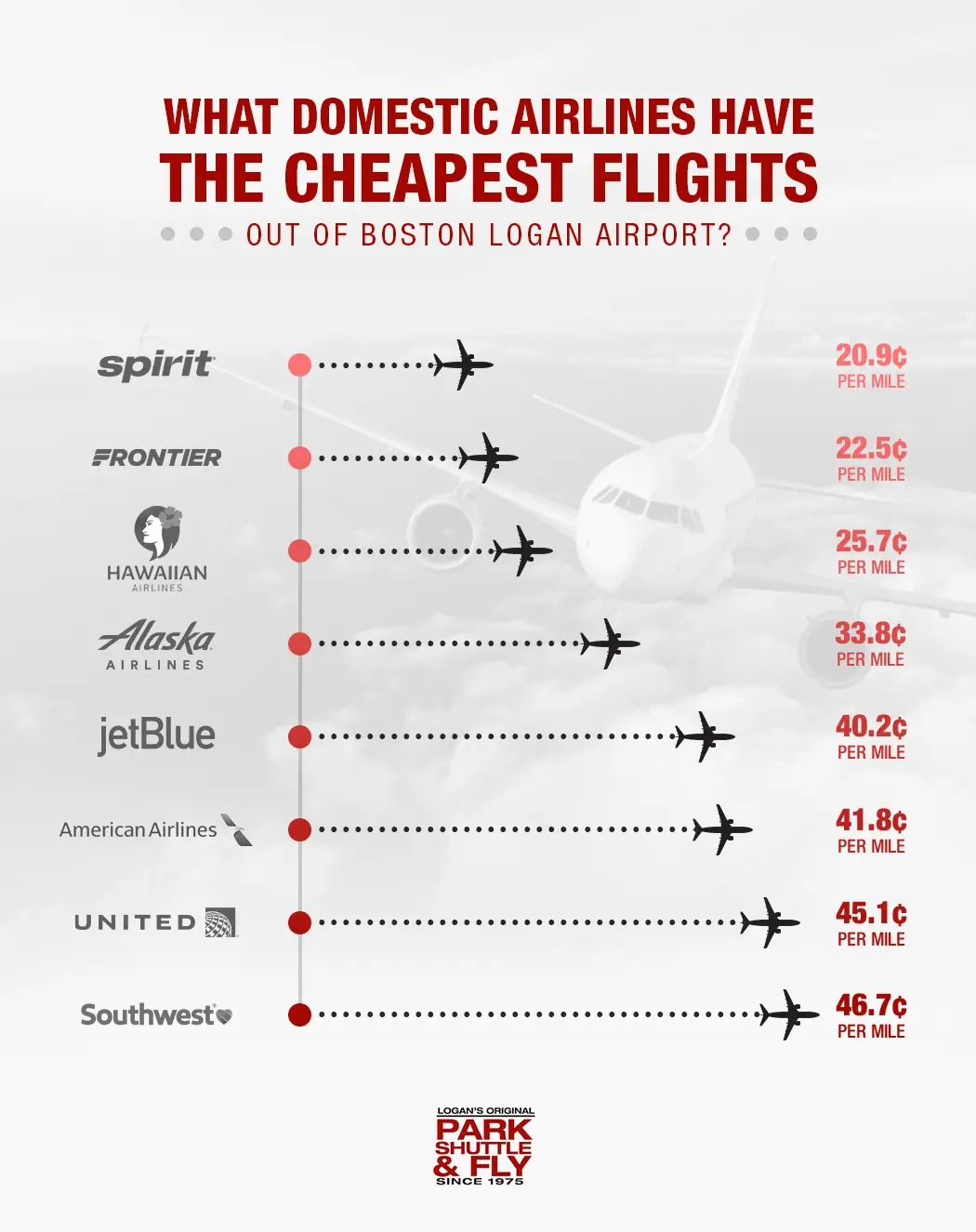
The North American market operates differently due to the sheer distance between cities. Spirit Airlines and Frontier Airlines are the primary ULCCs in the United States. They often offer “bare fares” that can be as low as $20 for short-haul flights. However, Southwest Airlines remains a unique financial contender. While their base fares are often higher than Spirit’s, their “Bags Fly Free” policy provides a predictable financial ceiling. For a traveler with luggage, Southwest often ends up being the cheaper net option, demonstrating that “cheapest” is a relative term based on total carry-on requirements.
Asia-Pacific: The Rise of AirAsia and Scoot
Asia has seen the fastest growth in low-cost travel over the last decade. AirAsia has repeatedly won awards for being the world’s best low-cost airline, largely due to its massive network and aggressive pricing. By utilizing a fleet of standardized aircraft (mostly Airbus A320s), they keep maintenance and training costs at a minimum, passing those savings on to the consumer. Scoot, the budget arm of Singapore Airlines, offers a slightly higher tier of service but remains the primary low-cost option for long-haul travel within the region.
The “True Price” of a Ticket: Factoring in Ancillary Fees
When analyzing the financial viability of a flight company, one must account for “drip pricing”—the process where the price increases as the consumer moves through the booking funnel. To find the truly cheapest option, a traveler must perform a Total Cost of Ownership (TCO) analysis on their flight.
Baggage Fees and Weight Restrictions
The most significant hidden cost in the budget airline world is the baggage fee. While a legacy carrier might charge $30 for a checked bag, some ULCCs charge significantly more if the bag is purchased at the gate rather than online. Furthermore, weight restrictions are often much stricter on “cheap” airlines. A bag that is 5kg over the limit can result in a fine that exceeds the original cost of the ticket. Financially savvy travelers avoid this by investing in high-quality, lightweight carry-ons and portable luggage scales to ensure they never trigger these high-margin fees.
Seat Selection and “Convenience Taxes”
Budget airlines often use algorithms to separate travel groups unless they pay a seat selection fee. From a personal finance perspective, this is a “convenience tax.” If the goal is strictly to find the cheapest flight, the traveler must be willing to forfeit the luxury of choice. Similarly, fees for printed boarding passes (at the airport) or credit card processing fees can add 5–10% to the total cost. The cheapest flight company only remains the cheapest if the passenger adheres strictly to the digital-first, self-service requirements of the airline.
Financial Tools and Strategies for Optimizing Travel Spending
Identifying the cheapest flight company is easier today than ever before, thanks to a suite of financial tools and data-driven strategies. Leveraging these can lead to significant savings that can be redirected toward investments or other financial goals.
Utilizing Aggregators and Price Tracking
Tools like Google Flights, Skyscanner, and Kayak function as financial scanners for the aviation market. These platforms allow users to view price fluctuations over time, identifying “price floors” for specific routes. By setting price alerts, a traveler can wait for the moment an airline’s revenue management algorithm drops prices to fill remaining seats. This data-driven approach removes the emotional component of booking and ensures the purchase is made at the most opportunistic moment.
The Role of Travel Hacking and Credit Card Rewards
In the realm of personal finance, “travel hacking” is the practice of using credit card sign-up bonuses and spending rewards to offset travel costs. For many, the cheapest flight company is whichever one allows them to redeem points at the highest “cents per point” (CPP) value. High-value credit cards often offer 2x to 5x points on travel purchases, effectively providing a 2% to 5% discount on every flight. When combined with the low base fares of budget carriers, it is possible to reduce the out-of-pocket cost of travel to nearly zero.
Strategic Timing: The Math of the Booking Window
The price of a flight is not static; it is a dynamic asset that fluctuates based on supply, demand, and time. To secure the cheapest rate, one must understand the timing of the market.
The Sweet Spot for Booking
Financial analysts in the travel sector have identified that booking too early or too late can lead to price premiums. Generally, for domestic flights, the “sweet spot” is 1 to 3 months in advance, while international flights should be booked 2 to 8 months out. Booking last minute is rarely the cheapest option, as airlines know that business travelers—who are less price-sensitive—often book on short notice.
Avoiding Peak Demand Cycles
The cheapest flight companies are often at their most expensive during holidays, school breaks, and major sporting events. To find the absolute lowest prices, travelers must utilize “off-peak” timing. Flying on Tuesdays or Wednesdays is statistically cheaper than flying on Fridays or Sundays. By aligning travel schedules with these low-demand windows, passengers can capitalize on the airline’s need to fill seats, often securing fares that are 40–60% lower than the weekly average.

Conclusion: The Holistic Approach to Cheap Air Travel
Finding the cheapest flight company is not about loyalty to a single brand; it is about a disciplined financial approach to the travel market. While Ryanair, Spirit, and AirAsia frequently offer the lowest base fares, the “cheapest” option for any given trip depends on the traveler’s specific needs—bags, location, and timing.
By treating airfare as a financial asset to be managed—utilizing unbundled pricing where appropriate, avoiding ancillary fee traps, and leveraging digital tools for price optimization—travelers can significantly reduce their expenditures. In the end, the cheapest flight company is the one that allows you to reach your destination while keeping the maximum amount of capital in your own pocket. Professional financial management of travel isn’t just about spending less; it’s about ensuring that every dollar spent on a ticket delivers the highest possible value.
aViewFromTheCave is a participant in the Amazon Services LLC Associates Program, an affiliate advertising program designed to provide a means for sites to earn advertising fees by advertising and linking to Amazon.com. Amazon, the Amazon logo, AmazonSupply, and the AmazonSupply logo are trademarks of Amazon.com, Inc. or its affiliates. As an Amazon Associate we earn affiliate commissions from qualifying purchases.