
For many, the cost of airfare represents a significant portion of their travel budget. The quest to find the lowest price, particularly for a major carrier like American Airlines, often leads to the persistent question: “What is the cheapest day to buy tickets?” While a definitive, universally applicable answer remains elusive due to the complex dynamics of airline pricing, understanding the underlying financial mechanisms and employing strategic booking tactics can significantly reduce your travel expenses. This guide delves into the nuances of airline ticket pricing within the context of personal finance, offering actionable insights to help you secure the best possible deal for your next American Airlines flight.
The Elusive “Cheapest Day”: Understanding Airline Pricing Dynamics
The idea of a single “cheapest day” to purchase airline tickets is often rooted in anecdotal evidence or outdated industry practices. Modern airline pricing is a sophisticated interplay of algorithms, real-time demand, and competitive strategies, making a fixed rule nearly impossible.
Dynamic Pricing Algorithms at Play
Airlines like American Airlines utilize advanced dynamic pricing algorithms that adjust fares continuously. These algorithms analyze a multitude of factors, including:
-
Historical Data: Past booking trends for specific routes, dates, and times.
-
Real-time Demand: How many seats are left, how quickly they are selling, and recent searches for that flight.
-
Competitor Pricing: Fares offered by rival airlines on the same routes.
-
Fuel Costs: Fluctuations in aviation fuel prices.
-
Capacity: The number of available seats on a particular flight and across the entire network.
-
Booking Class Availability: Different fare buckets are assigned to specific seats, each with varying restrictions and prices.
This intricate system means that prices can change not just daily, but hourly, or even minute by minute. What was cheap an hour ago might be more expensive now, and vice-versa.
Supply, Demand, and Real-Time Adjustments
At its core, airline pricing is a classic example of supply and demand economics. When demand for a particular flight is high (e.g., during holidays, popular travel seasons, or major events), prices will naturally increase. Conversely, if a flight has many unsold seats closer to departure, the airline might lower prices to fill them, although this is becoming less common for major carriers dueating the risk of revenue dilution. American Airlines, like others, carefully manages its inventory to maximize revenue per seat.
The Myth vs. Reality of Specific Days
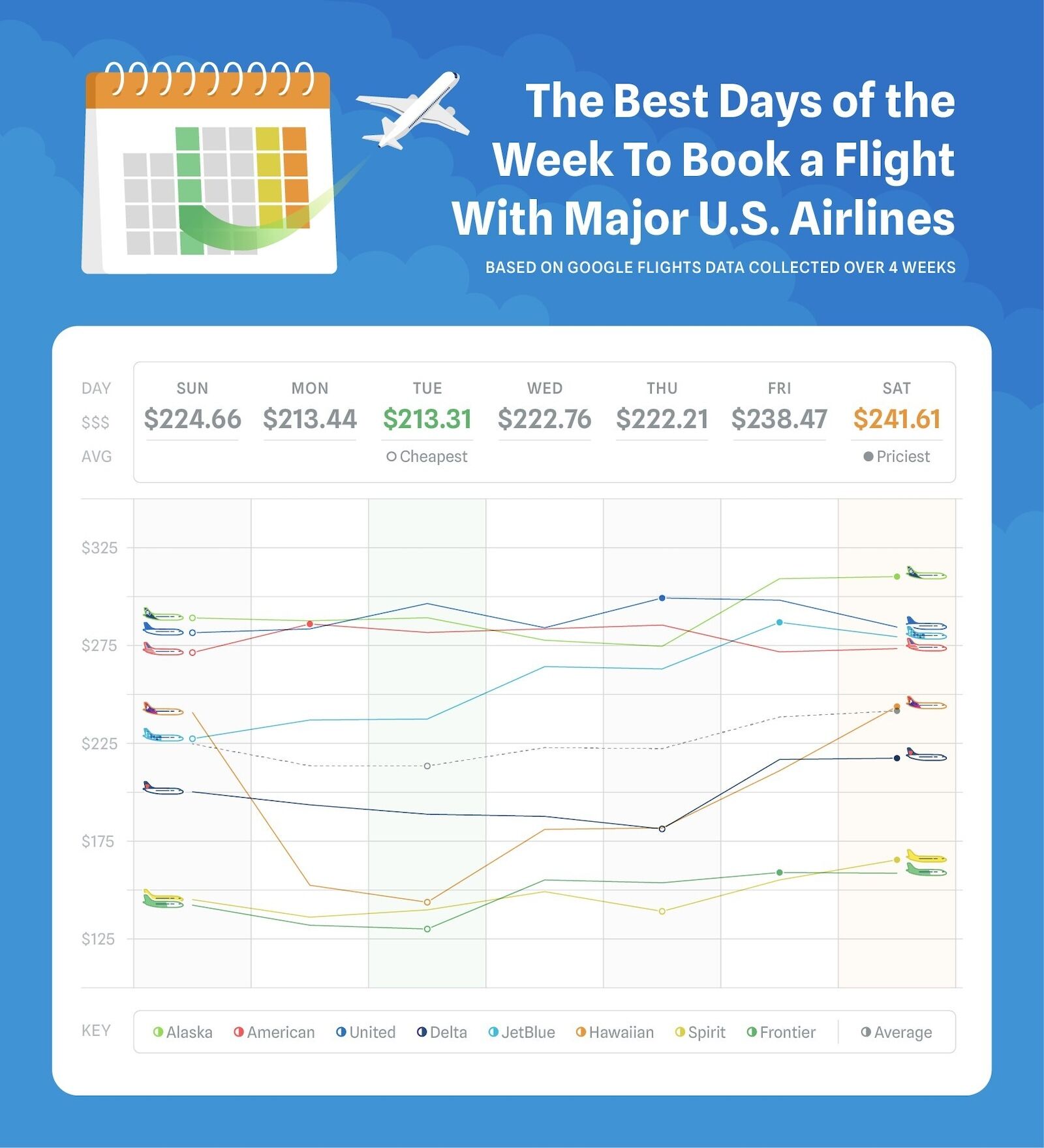
The long-held belief that Tuesday is the cheapest day to buy tickets stems from a time when airlines would release weekly fare sales early in the week, and competitors would match them by Tuesday afternoon. While some remnants of this pattern might occasionally be observed, it is no longer a steadfast rule. The proliferation of online travel agencies (OTAs), direct booking through airline websites, and 24/7 global travel has largely flattened these historical pricing peaks and valleys. The reality is that the “cheapest day” is less about the calendar day of purchase and more about the timing of the booking relative to the travel date, and the flexibility of the traveler.
Strategic Timing: When to Book Your American Airlines Flight
While the day of the week you purchase may have less impact, when you book in relation to your travel date, and when you choose to fly, are critical financial considerations.
The “Sweet Spot” Booking Window: 3 Weeks to 3 Months Out
For domestic flights within the United States, the generally accepted “sweet spot” for booking to secure optimal fares is typically 1 to 3 months (approximately 21 to 90 days) before your desired departure date. For international flights, this window extends to 2 to 8 months (approximately 60 to 240 days) out. Within these periods, airlines are balancing filling seats with maximizing revenue, often offering competitive prices before last-minute demand drives them up. Booking too early might mean missing out on potential sales, while booking too late almost guarantees higher prices as cheaper fare buckets sell out.
The Impact of Seasonality and Holidays
Travel during peak seasons (summer, spring break, winter holidays like Thanksgiving and Christmas) or major events will almost invariably be more expensive. If your travel dates coincide with these periods, it’s crucial to book even further in advance, often at the earliest possible point within the “sweet spot” window or even slightly before it. Flexibility in travel dates can yield significant savings; shifting your trip by even a day or two around a holiday can make a substantial difference in price.
Last-Minute vs. Advance Purchase: A Risky Gamble
While an occasional “flash sale” might appear last-minute, relying on these for major carriers like American Airlines is a risky financial strategy. For most travelers, last-minute bookings (within a week or two of departure) result in significantly higher fares. Airlines count on business travelers and those with urgent needs to pay premium prices for immediate travel, filling the remaining expensive seats. Unless you have extreme flexibility and a very low-stakes travel plan, advance purchase is almost always the more financially prudent option.
The Best Day to Buy: Tuesdays and Wednesdays (General Industry Trend)
Despite the dynamic pricing mentioned earlier, some industry analysts still suggest that Tuesdays and Wednesdays can sometimes present slightly lower prices for purchasing tickets. This residual effect might be due to competitors matching sales that were initiated on Monday, leading to a temporary dip before prices potentially rise again towards the end of the week when weekend leisure travelers are planning. However, this is a minor trend and should not be relied upon exclusively. The actual time of day can also matter, with early morning (e.g., 3 AM ET) sometimes seeing updates to pricing systems, potentially revealing new deals.
The Best Day to Fly: Mid-Week and Off-Peak Hours
From a financial perspective, the day you fly has a much greater impact on cost than the day you buy. Generally, Tuesdays, Wednesdays, and Saturdays are the cheapest days to fly. Weekends (especially Sundays) and Mondays are typically the most expensive due to high demand from business travelers returning and leisure travelers starting their trips. Furthermore, flying during off-peak hours, such as early morning flights (before 8 AM) or late-night flights (after 8 PM), can also be significantly cheaper as they are less convenient for most travelers.
Beyond the Day: Comprehensive Strategies for Saving on American Airlines Fares
While timing is important, a holistic approach incorporating various financial strategies will yield the best results when searching for American Airlines tickets.
Flexibility is Your Financial Friend: Dates, Times, and Airports
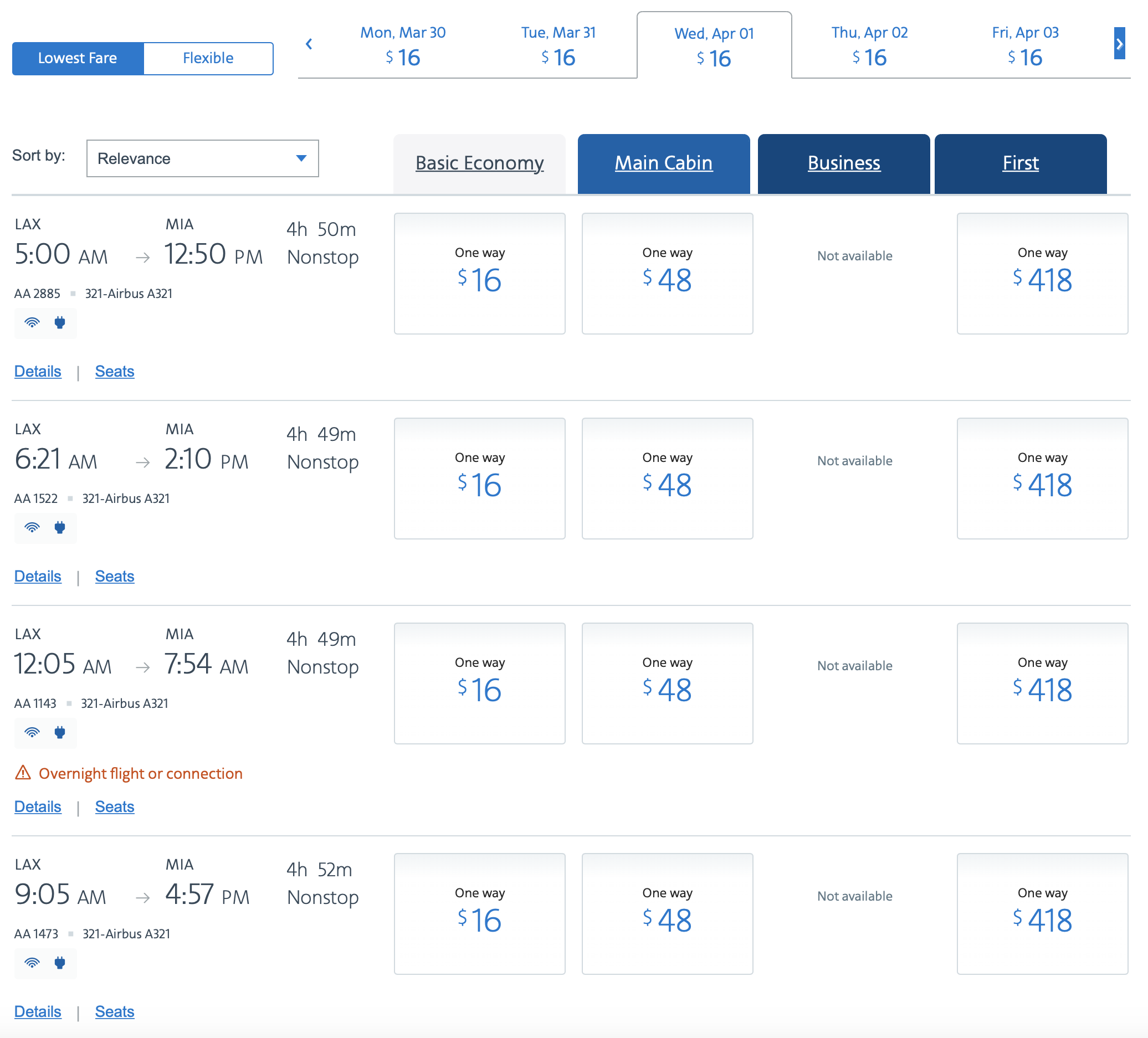
This is perhaps the single most impactful strategy. If your travel dates are flexible, use American Airlines’ flexible date search tools or “calendar view” on flight aggregators. Even shifting your departure or return by a day or two can reveal hundreds of dollars in savings. Similarly, being open to flying at less convenient times (early morning, late night) can lower fares. Also, consider nearby airports; sometimes flying into or out of an alternative, smaller airport (if practical) can be cheaper, even accounting for ground transportation costs.
Leveraging Fare Comparison Tools and Price Alerts
Utilize reputable online travel agencies (OTAs) and flight comparison websites (e.g., Google Flights, Skyscanner, Kayak, Expedia) to compare prices across different airlines and dates, including American Airlines. These tools often have features like “price alerts” or “fare watches” that notify you when the price for a specific route drops, allowing you to act quickly when a good deal emerges. Set these alerts well in advance of your desired travel dates.

Consider Connecting Flights and Alternative Airports
Direct flights are often the most convenient but also tend to be more expensive. If time is not a critical factor, consider flights with one or more layovers. While they extend travel time, they can offer substantial savings. As mentioned, checking fares to and from nearby alternative airports can also unlock cheaper options. Always weigh the time-saving benefits of direct flights against the potential financial savings of connections.
The Power of Loyalty Programs and Credit Card Perks
If you fly American Airlines frequently, enrolling in their AAdvantage loyalty program is a must. Earning miles and elite status can lead to free flights, upgrades, priority boarding, and waived baggage fees – all significant financial benefits. Furthermore, consider co-branded American Airlines credit cards. Many offer substantial sign-up bonuses (enough for a free domestic flight), complimentary checked bags, preferred boarding, and other perks that can offset annual fees and reduce overall travel costs. Strategically using these financial products can turn travel into a more rewarding experience.
Incognito Mode and Clearing Cookies: A Debatable Tactic
The belief that airlines track your searches and raise prices accordingly, prompting the use of incognito mode or clearing browser cookies, is a popular but largely unproven theory. While website cookies track your browsing history for various purposes, there’s limited concrete evidence that airlines specifically manipulate prices upwards based on individual search patterns in real-time. Prices fluctuate for other, more significant reasons (demand, availability). However, using incognito mode doesn’t hurt and can sometimes provide a clean slate for search, so some travelers continue to employ this tactic as a precaution.
Avoiding Ancillary Fees: Baggage, Seat Selection, and Upgrades
Low base fares can be deceptive if you don’t account for ancillary fees. Budgeting for and minimizing these costs is crucial.
-
Baggage: Pack light to avoid checked bag fees, or use a credit card that offers free checked bags. Understand American Airlines’ baggage policy for your specific fare class.
-
Seat Selection: If you’re willing to take whatever seat is assigned at check-in, you can often save money by foregoing advance seat selection fees.
-
Upgrades: Consider if an upgrade to a premium cabin is truly worth the extra cost, or if those funds could be better allocated elsewhere in your travel budget.
Maximizing Value: Smart Money Practices for Air Travel
Beyond booking tactics, embedding smart money management into your travel planning ensures long-term financial health and better travel experiences.
Setting a Travel Budget and Sticking to It
Before even searching for flights, establish a clear and realistic travel budget. This budget should encompass airfare, accommodation, ground transportation, food, activities, and a contingency fund. Sticking to this budget prevents overspending and financial stress, ensuring your trip is enjoyable without future financial repercussions. American Airlines offers various fare classes, from basic economy to first class; knowing your budget helps you choose the appropriate option.
Understanding Fare Classes and Their Implications
American Airlines, like other carriers, sells tickets in different “fare classes” (e.g., Basic Economy, Main Cabin, Premium Economy, Business, First). Each class comes with varying levels of flexibility, included amenities (baggage, seat selection), and change/cancellation policies. Basic Economy, while cheapest, often has significant restrictions (no changes, no advance seat selection, last to board). Understand these implications before booking to avoid unexpected costs or limitations that might negate initial savings. A slightly more expensive Main Cabin ticket might offer better value if flexibility or comfort is paramount.
Travel Insurance: A Prudent Investment?
For significant trips or non-refundable bookings, travel insurance can be a wise financial investment. It can protect against unforeseen circumstances like trip cancellations, delays, medical emergencies, or lost luggage. While an added expense upfront, it can save you thousands of dollars and immense stress if something goes wrong, acting as a financial safety net for your travel investment.
Planning for the Unexpected: Contingency Funds
Even with the best planning, travel can throw curveballs. Always set aside a contingency fund within your travel budget for unexpected expenses, such as an unplanned overnight stay due to a delay, an emergency purchase, or a spontaneous activity. This financial buffer ensures that minor mishaps don’t derail your entire travel budget or force you into debt.
The Future of Flight Deals: Staying Ahead of the Curve
The landscape of airfare pricing is continually evolving. Staying informed and utilizing modern tools will help you remain competitive in finding the best deals.
Subscribing to Deal Alerts and Newsletters
Many travel deal websites and newsletters specialize in finding and sharing abnormally low fares or “error fares.” Subscribing to these can provide alerts for significant price drops, occasionally even for American Airlines, allowing you to snatch up deals that might last only a few hours.
Following American Airlines Promotions
Directly following American Airlines’ official social media channels, subscribing to their email newsletter, and regularly checking their “Deals” or “Specials” section on their website can keep you informed about flash sales, route-specific promotions, or bonus mileage offers.
Utilizing Predictive Analytics Tools
Some advanced flight search engines now incorporate predictive analytics, using historical data and AI to forecast whether a fare is likely to go up or down. While not infallible, these tools can offer valuable insights and guidance on whether to book immediately or wait a bit longer.
Continuous Learning: The Evolving Landscape of Airfare
The most effective strategy for finding cheap American Airlines tickets, or any flights, is to remain a perpetual student of the travel industry. Understand that what works today might be different tomorrow. By staying adaptable, financially savvy, and proactive in your search, you can consistently navigate the complexities of airline pricing and secure the best possible value for your travel dollar.
In conclusion, while there isn’t a single “cheapest day” to buy American Airlines tickets, a combination of strategic timing, booking flexibility, leveraging financial tools and loyalty programs, and a disciplined approach to your travel budget will consistently lead to more affordable flights. Focus on the booking window, the day you fly, and comprehensive savings strategies rather than chasing an elusive single-day magic bullet.
aViewFromTheCave is a participant in the Amazon Services LLC Associates Program, an affiliate advertising program designed to provide a means for sites to earn advertising fees by advertising and linking to Amazon.com. Amazon, the Amazon logo, AmazonSupply, and the AmazonSupply logo are trademarks of Amazon.com, Inc. or its affiliates. As an Amazon Associate we earn affiliate commissions from qualifying purchases.