
In the realm of personal finance, few recurring expenses are as misunderstood—or as potentially draining—as car insurance. For the average household, auto insurance represents a significant portion of the annual budget, often ranking just behind housing, food, and healthcare in terms of fixed costs. When consumers ask, “What is the cheapest car insurance?” they are rarely looking for the absolute lowest number regardless of quality. Instead, they are seeking the most efficient allocation of capital to protect their financial assets against the risks of the road.
Finding the cheapest car insurance is not a static event; it is a strategic financial process. It requires an understanding of how insurance companies evaluate risk, how your personal financial profile influences your premiums, and how to navigate a marketplace that is increasingly driven by data and algorithmic pricing. This guide explores the mechanics of car insurance through the lens of personal finance, offering a roadmap to minimizing costs without compromising your net worth.
1. Decoding the Financial Mechanics of Insurance Premiums
To find the cheapest car insurance, one must first understand that insurance is essentially the “pricing of risk.” Actuaries at insurance firms use massive datasets to predict the likelihood that you will cost the company money. From a money management perspective, your goal is to present the lowest possible risk profile to these firms.
The Influence of Credit-Based Insurance Scores
In most states, your credit score is one of the most powerful determinants of your insurance premium. From a financial perspective, insurers have found a high correlation between credit responsibility and driving responsibility. Those with “Excellent” credit often pay up to 50% less than those with “Poor” credit for the exact same coverage. If you are looking to lower your insurance costs long-term, improving your credit score is often more effective than switching providers.
The Financial Profile of the Vehicle
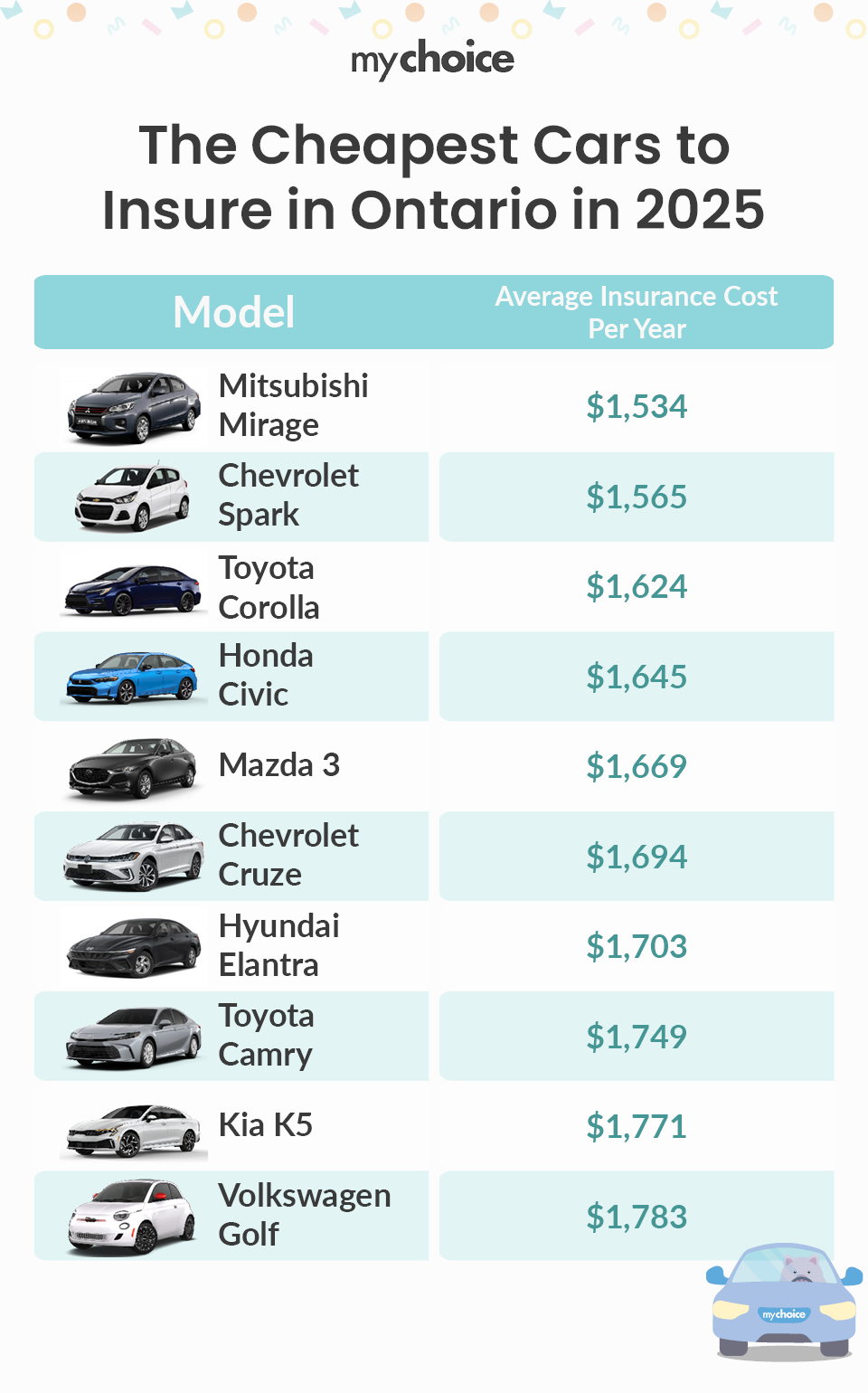
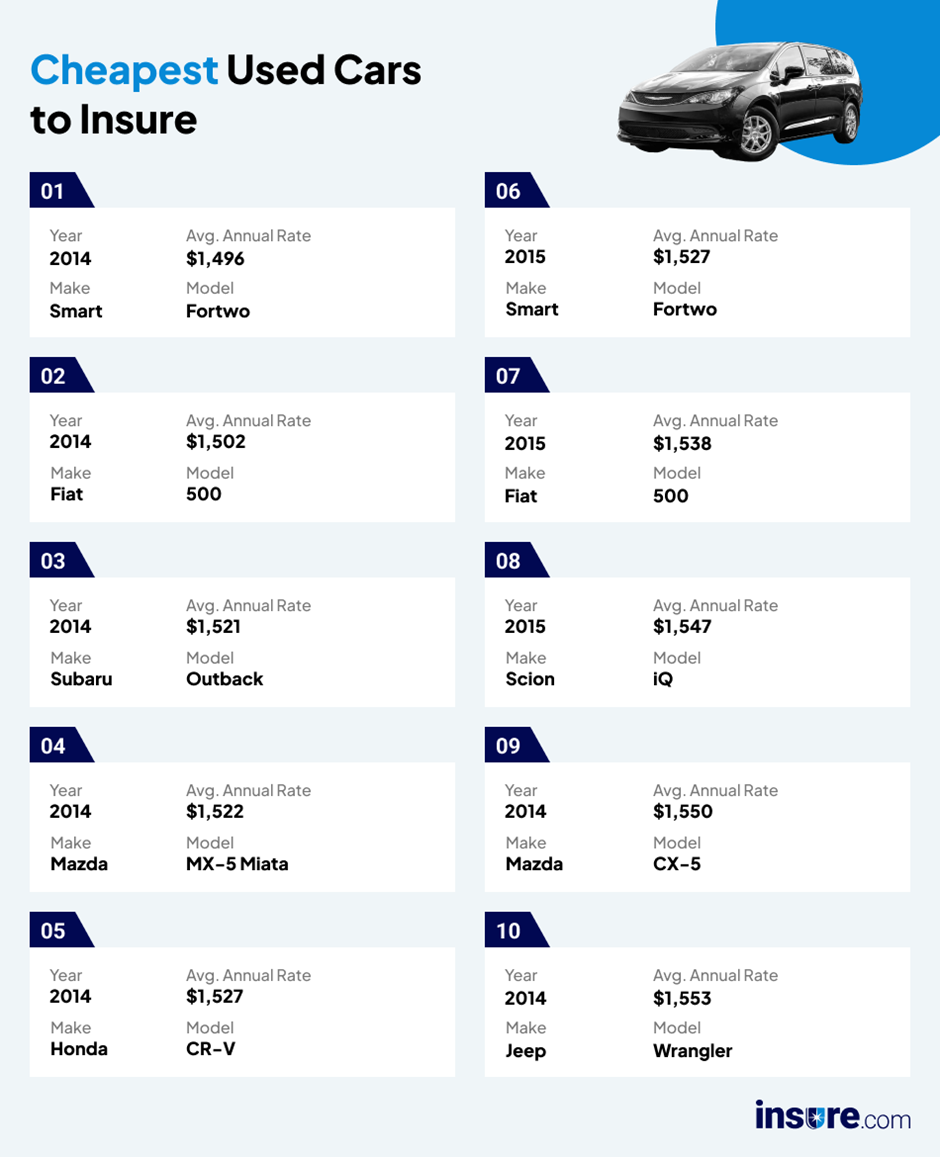
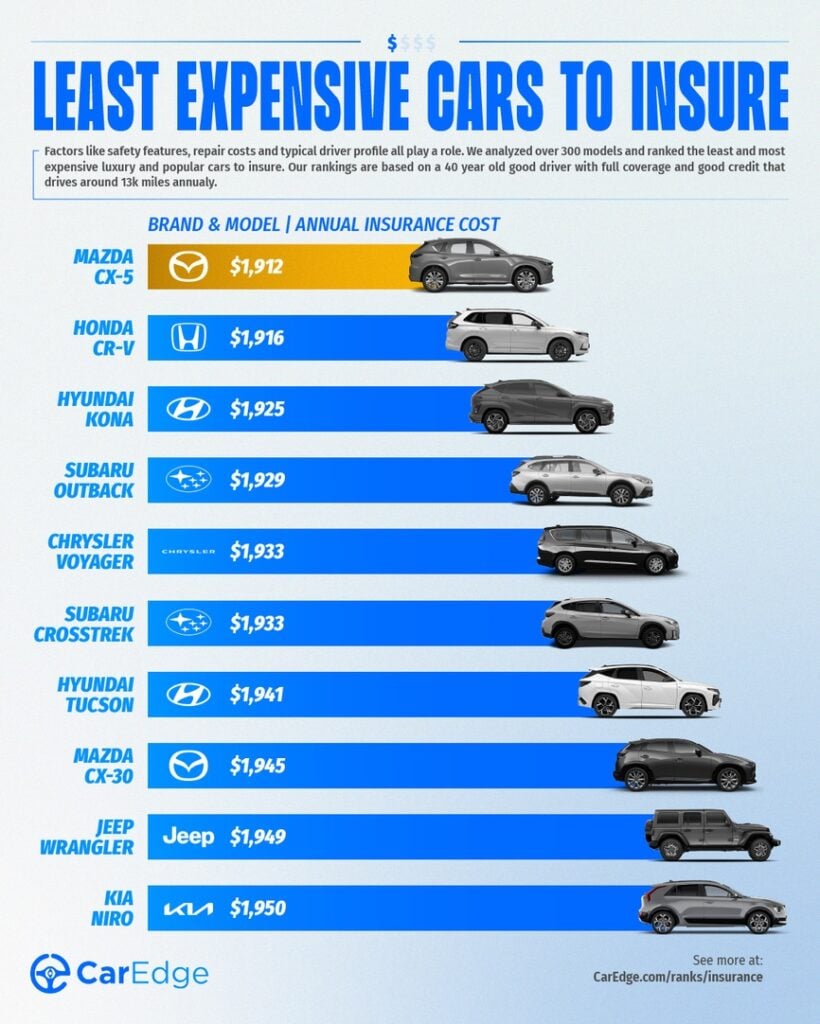
The “cheapest” car to insure is rarely the cheapest car to buy. Insurers look at the cost of parts, the safety ratings, and the likelihood of theft. For example, a modest sedan with high safety marks and readily available parts will always be cheaper to insure than a high-performance sports car or a luxury electric vehicle with specialized components. When purchasing a vehicle, savvy investors factor in the “Total Cost of Ownership,” which includes the recurring insurance premium as a primary line item.
Demographic Risk Assessment
While you cannot change your age, understanding how it impacts your cash flow is vital for financial planning. Younger drivers represent a higher statistical risk, leading to “sticker shock” for families. Strategies such as keeping a student on a parent’s policy or leveraging “Good Student Discounts” are essential financial maneuvers to mitigate these high entry-level costs.
2. Strategic Optimization: Tactical Ways to Lower Your Insurance Overhead
Once you understand how you are being priced, the next step in personal finance management is to utilize specific tactics to drive those costs down. Efficiency in insurance is about identifying “low-hanging fruit” in your policy structure.
Optimizing Deductibles for Cash Flow Management
The deductible is the amount you pay out-of-pocket before insurance kicks in. Increasing your deductible from $500 to $1,000 can reduce your comprehensive and collision premiums by 15% to 30%. From a money management standpoint, this is a calculated risk. If you have an emergency fund that can easily cover a $1,000 expense, “self-insuring” that first thousand dollars is a highly effective way to keep more money in your monthly budget.
Leveraging Bundling and Multi-Policy Discounts
The concept of “economies of scale” applies perfectly to insurance. Most major carriers offer significant discounts (often 10% to 25%) if you bundle your auto insurance with homeowners, renters, or life insurance. By consolidating your financial protections under one roof, you reduce the administrative cost for the insurer, and they pass those savings on to you.
Telematics and Usage-Based Insurance (UBI)
For low-mileage drivers or those with safe driving habits, Usage-Based Insurance represents the frontier of cheap car insurance. Programs like Progressive’s Snapshot or State Farm’s Steer Clear track your driving via a plug-in device or smartphone app. If the data shows you avoid hard braking and late-night driving, the insurer may offer a personalized discount. This is a “data-for-dollars” trade-off that appeals to the budget-conscious consumer.
3. Navigating the Market: Comparing Providers and Coverage Tiers
The “cheapest” provider today may not be the cheapest tomorrow. The insurance market is highly localized and fluctuates based on the company’s recent loss ratios in your specific zip code.
National Giants vs. Regional Mutuals
While household names like Geico, State Farm, and Progressive often lead the market in pricing due to their massive scale, regional carriers (such as Erie Insurance or Auto-Owners) often offer more competitive rates for specific demographics. Furthermore, specialty organizations like USAA offer industry-leading rates for military members and their families. A thorough financial audit of your insurance should involve comparing at least three national carriers and two regional options.
Balancing Minimum Coverage vs. Financial Protection
Every state has a legal minimum for liability insurance. Opting for “state minimums” is the fastest way to get the cheapest premium, but it is often a poor financial decision. If you have significant assets—such as a home, a savings account, or a retirement fund—a “cheap” policy with low limits leaves your entire net worth vulnerable to a lawsuit. In personal finance, “cheap” is only good if it doesn’t create a catastrophic liability.
The Importance of Annual Comparison Shopping
Insurance companies often practice “price optimization,” a strategy where they slowly raise rates on loyal customers who are unlikely to shop around. To ensure you are always paying the lowest possible price, it is recommended to treat insurance shopping as an annual financial chore. Use comparison tools to ensure your current rate is still competitive relative to the current market.
4. The Hidden Financial Risks of Under-Insurance
The ultimate goal of seeking the cheapest car insurance is to protect your financial future. Focusing solely on the premium while ignoring the coverage can lead to “false economy”—saving pennies today at the risk of losing thousands tomorrow.
Liability Limits and Asset Protection
If you cause an accident and the damages exceed your policy limits, the injured party can sue you for the difference. This could result in garnished wages or a lien on your property. For those in the “Money” niche, the rule of thumb is that your liability coverage should at least equal your total net worth. This ensures that a single mistake on the road doesn’t undo years of disciplined investing and saving.
The Financial Utility of Gap Insurance
If you are financing or leasing a vehicle, the “cheapest” basic policy might not include Gap Insurance. Because cars depreciate the moment they leave the lot, you might owe $30,000 on a car that is only worth $25,000. In the event of a total loss, a standard policy only pays the $25,000 market value. Gap insurance covers that $5,000 “gap,” preventing a sudden and unexpected hit to your personal balance sheet.
Uninsured and Underinsured Motorist Coverage
Ironically, one of the best ways to protect your money is to pay for coverage that protects you against people who don’t have insurance. Despite legal requirements, many drivers remain uninsured. Adding Uninsured Motorist (UM) coverage is a relatively inexpensive addition to a policy that prevents you from having to pay for medical bills or car repairs out of pocket when the at-fault party has no financial resources.
Conclusion: Insurance as a Pillar of Financial Wellness
Finding the cheapest car insurance is an exercise in strategic financial planning. It is about more than just finding a low monthly payment; it is about optimizing your risk-to-reward ratio. By improving your credit score, choosing your vehicle wisely, maximizing discounts, and auditing your coverage annually, you can significantly reduce your insurance overhead.
In the broader context of personal finance, the money saved on insurance premiums is capital that can be redirected toward high-yield savings, debt reduction, or retirement investments. A professional approach to car insurance doesn’t just look for the lowest price—it looks for the highest value. By treating your auto policy as a dynamic financial tool rather than a “set it and forget it” expense, you ensure that your journey toward financial independence remains protected and cost-effective.
aViewFromTheCave is a participant in the Amazon Services LLC Associates Program, an affiliate advertising program designed to provide a means for sites to earn advertising fees by advertising and linking to Amazon.com. Amazon, the Amazon logo, AmazonSupply, and the AmazonSupply logo are trademarks of Amazon.com, Inc. or its affiliates. As an Amazon Associate we earn affiliate commissions from qualifying purchases.