
Navigating the labyrinthine world of car insurance can feel like a daunting task, especially when your primary goal is to find the most affordable option without compromising essential coverage. For residents of the Lone Star State, the quest for the cheapest car insurance in Texas is a common one, driven by the desire to save money on a mandatory expense. Texas, with its vast landscapes, bustling cities, and diverse driving conditions, presents a unique insurance market where premiums can vary dramatically based on a multitude of factors. This guide delves into the intricacies of finding economical car insurance in Texas, empowering you with the knowledge and strategies to secure a policy that protects your wallet as much as it protects your vehicle.
Understanding Car Insurance Costs in Texas
Before embarking on the hunt for the cheapest car insurance, it’s crucial to understand the fundamental elements that shape premium costs in Texas. This foundational knowledge will help you interpret quotes and make informed decisions.
The Regulatory Landscape: Minimum Requirements and State-Specific Factors
Texas law mandates that all drivers carry minimum liability insurance. This “30/60/25” coverage means:
- $30,000 for bodily injury per person.
- $60,000 for total bodily injury per accident.
- $25,000 for property damage per accident.
While these are the legal minimums, they offer very limited protection and often fall short in covering the costs of a serious accident. Beyond these requirements, Texas does not have state-run insurance programs, meaning the market is entirely private and competitive. Insurers operate under specific state regulations regarding what they can consider when setting rates, but they have considerable freedom in their pricing models. This competitive environment is both a blessing and a curse; it means plenty of options, but also a wide disparity in pricing for seemingly identical coverage.
Average Costs vs. Individual Premiums: Why Prices Vary So Wildly
You might see statistics citing the “average cost” of car insurance in Texas, but it’s important to understand that such averages are often misleading for an individual. Your personal premium is not an average; it’s a highly customized calculation based on a unique blend of personal data, vehicle specifics, and coverage choices. Factors like your driving record, the type of car you drive, where you live, and even your credit score (which is legally permissible for use in rating in Texas) can significantly sway your final quote. Therefore, what might be the cheapest for one Texan could be prohibitively expensive for another.
The Texas Market: A Competitive Landscape
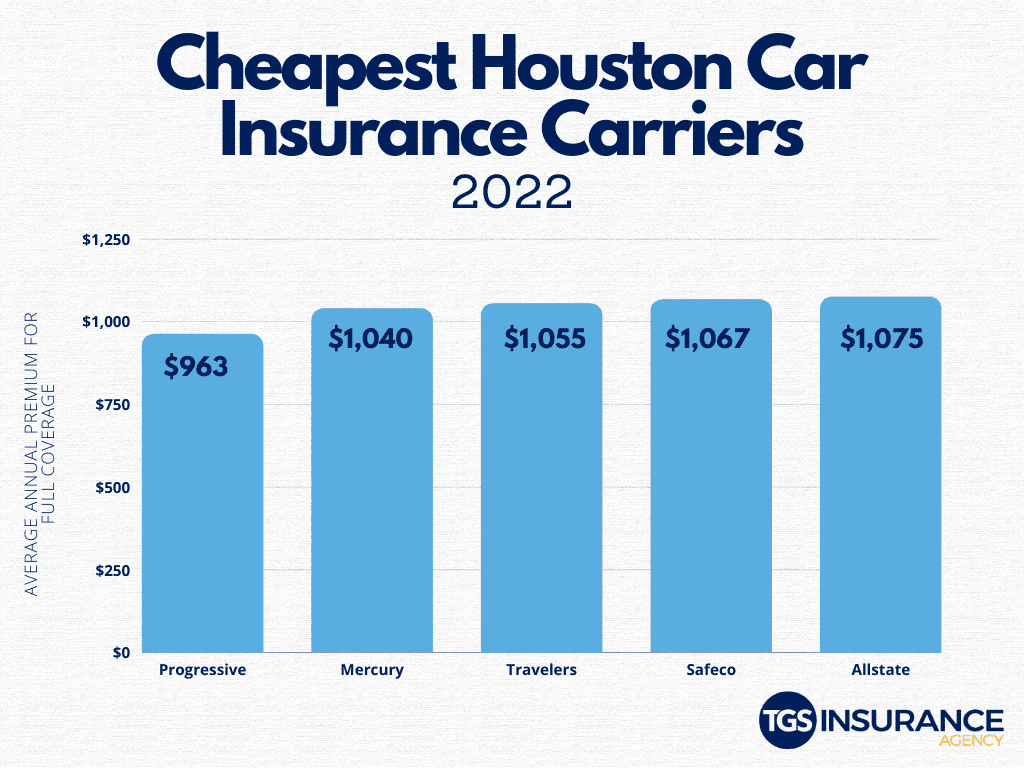
The Texas insurance market is robust, populated by a mix of national giants like Geico, Progressive, State Farm, and Allstate, as well as numerous regional carriers and smaller, local companies. This high level of competition is generally beneficial for consumers, as insurers are constantly vying for market share, often through competitive pricing and various discounts. However, it also means that the “cheapest” insurer isn’t a static entity; it can change frequently as companies adjust their algorithms, offer new promotions, or react to market shifts. Regular shopping around is therefore not just a suggestion, but a necessity to secure the best rates.
Key Factors Influencing Your Texas Car Insurance Premium
Understanding the components that insurance companies weigh when calculating your premium is fundamental to strategically lowering your costs. These factors range from personal attributes to the specifics of your vehicle and even your geographic location.
Driver-Specific Data: Age, Driving Record, Credit Score
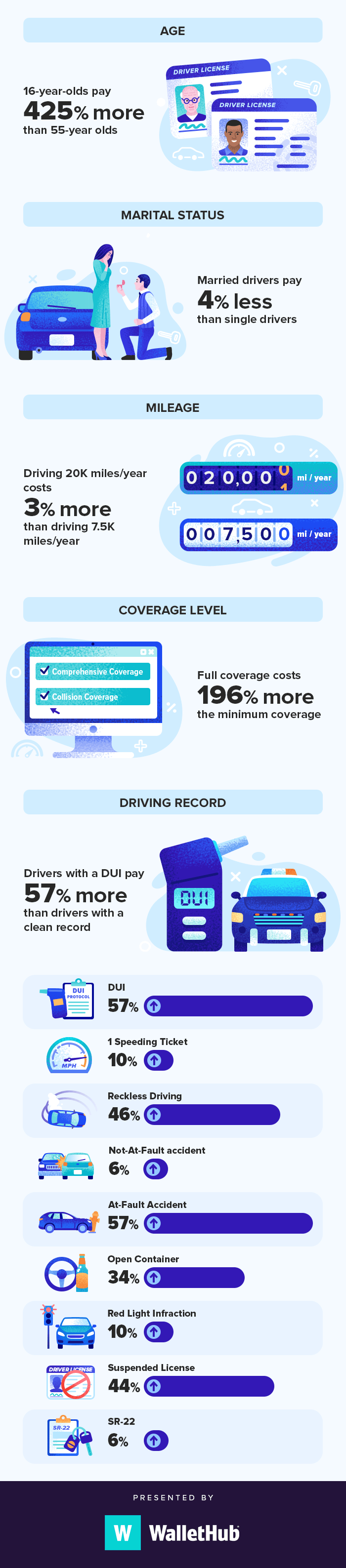
- Age and Experience: Younger, less experienced drivers, particularly teenagers, typically face the highest premiums due to their higher statistical risk of accidents. Rates tend to decrease as drivers mature and gain more experience, plateauing in middle age before potentially rising slightly again for very senior drivers.
- Driving Record: This is arguably the most significant factor. A clean driving record—free of accidents, speeding tickets, DUIs, or other moving violations—is your strongest asset in securing low rates. Conversely, even a single speeding ticket can increase your premiums for several years, while major infractions can lead to substantial hikes or even policy cancellation.
- Credit Score: In Texas, insurance companies are permitted to use a credit-based insurance score as one factor in determining your premium. Studies suggest a correlation between credit scores and the likelihood of filing a claim. A higher credit score can lead to significantly lower rates, while a poor score can increase them.
Vehicle-Specific Data: Make, Model, Age, Safety Features
The car you drive directly impacts your insurance cost.
- Make and Model: Luxury, high-performance, and sports cars are generally more expensive to insure due to higher repair costs, greater likelihood of theft, and higher potential for high-speed accidents. Economy cars, SUVs, and minivans often have lower premiums.
- Age and Value: Newer, more valuable cars cost more to repair or replace, thus leading to higher comprehensive and collision premiums. As a car ages and depreciates, these costs tend to decrease.
- Safety Features: Vehicles equipped with advanced safety features (e.g., anti-lock brakes, airbags, anti-theft devices, automatic emergency braking) often qualify for discounts because they reduce the risk of accidents or theft.
Location Within Texas: Urban vs. Rural, Zip Code Impact
Where you park your car and where you primarily drive it within Texas plays a substantial role in your premium.
- Urban vs. Rural: Drivers in densely populated urban areas (like Houston, Dallas, Austin, San Antonio) typically pay more for insurance than those in rural areas. This is due to higher traffic density, increased risk of accidents, higher rates of theft and vandalism, and greater incidence of uninsured motorists.
- Specific Zip Code: Even within a city, rates can vary significantly from one zip code to another based on local crime rates, accident statistics, and even the frequency of natural disasters (e.g., hailstorms in certain parts of Texas).
Coverage Choices: The Direct Link Between What You Buy and What You Pay
The types and amounts of coverage you select are perhaps the most direct determinant of your premium. Opting for higher liability limits, adding comprehensive and collision coverage, or including extra features like roadside assistance will naturally increase your cost. Finding the “cheapest” often involves balancing adequate protection with your budget.
Strategies to Find the Cheapest Car Insurance in Texas
Armed with an understanding of what drives costs, you can now implement concrete strategies to reduce your Texas car insurance premiums. The key is proactive engagement and informed decision-making.
Shop Around Aggressively: The Power of Quotes
This is, without a doubt, the single most effective strategy. Do not settle for the first quote you receive, or simply renew with your existing provider year after year.
- Get Multiple Quotes: Contact at least 3-5 different insurance companies, including large national carriers, regional providers, and even local independent agents who can shop multiple carriers for you.
- Compare Apples to Apples: Ensure that all quotes you receive are for the exact same coverage limits, deductibles, and additional features. This allows for a true comparison of pricing.
- Use Online Comparison Tools: Many websites allow you to enter your information once and receive multiple quotes, streamlining the process. However, always follow up directly with insurers to confirm details and explore all potential discounts.
- Re-shop Annually: Insurance rates are dynamic. What was cheapest last year might not be this year. Make it a habit to re-shop your policy every 6-12 months, or whenever you experience a major life event (e.g., buying a new car, getting married, moving).
Leverage Discounts: Don’t Leave Money on the Table
Insurance companies offer a plethora of discounts, and often, you have to ask about them directly.
- Bundling Discount: Insure your car and home (or renters/umbrella policy) with the same company for significant savings.
- Good Driver/Accident-Free Discount: Reward for maintaining a clean driving record for a certain number of years.
- Good Student Discount: For young drivers who maintain a specified GPA.
- Low Mileage Discount: If you drive fewer miles than average (e.g., working from home, using public transport).
- Vehicle Safety Features: Discounts for anti-lock brakes, airbags, anti-theft devices, and newer advanced driver-assistance systems.
- Multi-Car Discount: Insuring multiple vehicles on the same policy.
- Paid-in-Full Discount: Paying your premium upfront for the entire policy term can often save you money.
- Defensive Driving Course Discount: Completing an approved defensive driving course.
Adjust Your Deductibles: Higher Deductible, Lower Premium
Your deductible is the amount you pay out-of-pocket before your insurance kicks in for comprehensive and collision claims.
- Increase Your Deductible: Moving from a $250 or $500 deductible to a $1,000 or even $2,500 deductible can substantially lower your comprehensive and collision premiums. However, ensure you have sufficient savings to cover this higher amount if you need to make a claim.
Review Your Coverage Needs: Are You Over-insured or Under-insured?
Periodically assess whether your current coverage aligns with your needs and your vehicle’s value.
- Drop Comprehensive/Collision on Older Cars: For older vehicles with low market value, the cost of comprehensive and collision coverage might outweigh the potential payout after a deductible. Calculate if the premium savings over a few years would exceed the car’s value.
- Adequate Liability: While increasing your liability limits will raise your premium, it’s often a wise investment. The minimum 30/60/25 limits are often insufficient for serious accidents, potentially leaving you personally responsible for tens or hundreds of thousands of dollars. Consider higher limits, such as 100/300/100 or even 250/500/100, especially if you have significant assets to protect.
Maintain a Good Driving Record and Credit Score: Long-Term Savings
These foundational elements are critical for sustained low rates.
- Drive Safely: Avoiding accidents and traffic violations is the most direct path to lower premiums.
- Manage Your Credit: Regularly check your credit report for errors, pay bills on time, and keep credit utilization low to improve your credit-based insurance score.
Types of Coverage and Their Impact on Cost
Understanding the various types of car insurance coverage available in Texas is crucial not only for finding the cheapest policy but also for ensuring you have adequate protection. Each type of coverage addresses different risks and contributes differently to your overall premium.
Texas Minimum Requirements: Liability (30/60/25)
As discussed, this covers damages you cause to others in an at-fault accident. While it’s the cheapest option to meet legal requirements, it’s also the riskiest. The cost of medical care and vehicle repairs can quickly exceed these limits, leaving you vulnerable to lawsuits and significant out-of-pocket expenses. Opting for higher liability limits is almost always recommended despite the slightly increased premium.
Collision and Comprehensive: Protecting Your Own Vehicle
These are often bundled together and are critical for protecting your investment in your own car.
- Collision Coverage: Pays for damage to your vehicle resulting from an accident with another vehicle or object, regardless of fault. This is typically the most expensive component of your premium, especially for newer, more valuable cars.
- Comprehensive Coverage: Protects your car from non-collision incidents, such as theft, vandalism, fire, natural disasters (hail, floods), and animal strikes. Its cost is usually lower than collision, but still a significant part of your premium.
Uninsured/Underinsured Motorist (UM/UIM): Protecting Yourself from Others
Texas law requires insurers to offer UM/UIM coverage, though you can reject it in writing. This coverage is highly recommended.
- UM/UIM Bodily Injury: Pays for your medical expenses, lost wages, and pain and suffering if you’re hit by a driver who has no insurance or insufficient insurance to cover your damages.
- UM/UIM Property Damage: Covers damage to your vehicle if an uninsured driver hits you. The deductible for this coverage can sometimes be waived. Given the high percentage of uninsured drivers in some parts of Texas, this is a relatively inexpensive but vital protection.
Additional Coverages: Medical Payments, Personal Injury Protection (PIP), Roadside Assistance
These optional coverages add convenience and extra financial protection:
- Medical Payments (MedPay): Covers medical expenses for you and your passengers after an accident, regardless of fault, up to a specified limit.
- Personal Injury Protection (PIP): Similar to MedPay but often includes lost wages and essential services (like childcare) if you’re injured and unable to perform daily tasks. Texas requires insurers to offer PIP, and you must reject it in writing if you don’t want it.
- Roadside Assistance/Towing: Covers towing, battery jumps, flat tire changes, and other roadside emergencies.
- Rental Car Reimbursement: Pays for a rental car while your vehicle is being repaired after a covered claim.
While these add-ons increase your premium, their value can be substantial during an emergency. Carefully consider your budget and risk tolerance for each.
Beyond Price: Balancing Cost and Coverage
While the pursuit of the “cheapest” car insurance in Texas is a valid financial goal, it’s crucial to understand that the absolute lowest premium isn’t always the best value. A cheap policy that leaves you financially exposed after an accident can end up being far more expensive in the long run.
The Risk of Under-insuring: Potential Financial Catastrophe
Opting for minimum liability limits to save a few dollars can be a catastrophic mistake. In a serious accident, medical bills can easily run into the hundreds of thousands, and property damage can be substantial. If your insurance doesn’t cover these costs, you are personally liable. This could mean draining your savings, liquidating assets, or even having your wages garnished. The slight increase in premium for higher liability coverage is a small price to pay for significant peace of mind and financial security.
Reputable Insurers: Service, Claims Process, Financial Stability
A cheap policy from an unreliable insurer is no bargain. When comparing quotes, also consider:
- Customer Service: Read reviews. Is the company known for good communication and helpful agents?
- Claims Process: How easy is it to file a claim? Are claims handled efficiently and fairly? J.D. Power surveys and NAIC (National Association of Insurance Commissioners) complaint data can be valuable resources.
- Financial Stability: While less common, an insurer’s financial health ensures they can pay out claims. Reputable rating agencies like A.M. Best assess this.
A company with competitive rates that also demonstrates strong customer service and a reliable claims process offers true value.

Regular Review: Life Changes and Policy Adjustments
Your insurance needs are not static. Life changes—getting married, moving, buying a new car, having a child, improving your credit score—can all impact your rates and coverage requirements.
- Annual Review: Make it a habit to review your policy at least once a year, or whenever a significant life event occurs.
- Inform Your Insurer: Always update your insurance company about major changes to ensure your policy accurately reflects your situation and that you’re receiving all applicable discounts.
Ultimately, finding the cheapest car insurance in Texas is about being an informed consumer. It involves diligent research, aggressive shopping, understanding the factors that influence your rates, and strategically leveraging discounts. However, the true victory lies not just in finding the lowest price, but in securing a policy that provides robust protection for you and your assets, ensuring that a minor fender-bender doesn’t turn into a major financial disaster. By balancing cost with comprehensive coverage and choosing a reputable insurer, Texans can confidently hit the road knowing they’re well-protected.
aViewFromTheCave is a participant in the Amazon Services LLC Associates Program, an affiliate advertising program designed to provide a means for sites to earn advertising fees by advertising and linking to Amazon.com. Amazon, the Amazon logo, AmazonSupply, and the AmazonSupply logo are trademarks of Amazon.com, Inc. or its affiliates. As an Amazon Associate we earn affiliate commissions from qualifying purchases.