
For the majority of modern households, auto insurance represents one of the most significant recurring fixed costs in the monthly budget. Yet, despite its ubiquity, many consumers treat insurance as a “set it and forget it” expense, failing to realize that “the cheapest auto insurance” is not a static figure but a moving target influenced by market conditions, personal financial behavior, and strategic planning. In the realm of personal finance, minimizing insurance premiums while maintaining adequate protection is a cornerstone of wealth preservation.
Finding the most affordable coverage requires moving beyond a simple price-tag comparison. It demands a sophisticated understanding of how insurance companies assess risk and how you, as a policyholder, can manipulate those variables to your advantage. This guide explores the multi-faceted approach to securing low-cost auto insurance without compromising your financial security.
Understanding the Factors That Influence Your Premium Costs
Before one can effectively lower their insurance costs, they must first understand the underlying mechanics of insurance underwriting. Insurance companies are, at their core, data-driven risk assessors. Every dollar you are quoted is a reflection of the statistical likelihood that the insurer will have to pay out a claim on your behalf.
Demographic Variables and Their Financial Impact
While it may seem unfair, insurance companies utilize broad demographic data to set baseline rates. Age, marital status, and gender historically correlate with risk levels. For example, younger drivers—specifically those under the age of 25—statistically engage in more high-risk driving behaviors, leading to significantly higher premiums. From a personal finance perspective, this means that “cheap” insurance for a teenager looks very different from “cheap” insurance for a 45-year-old professional. Recognizing where you sit on the demographic spectrum allows you to set realistic expectations for your baseline costs.
The Role of Credit Scores in Insurance Underwriting
One of the most overlooked aspects of auto insurance pricing is the “insurance-based credit score.” In many jurisdictions, insurers use your credit history as a predictor of claim frequency. Actuarial data suggests that individuals with higher credit scores are less likely to file claims and more likely to maintain their vehicles properly. Therefore, improving your credit score is not just a tool for securing lower interest rates on loans; it is a direct lever for reducing your monthly insurance outflow. A person moving from a “fair” to an “excellent” credit tier can often see their premiums drop by 20% or more, regardless of their driving record.
Vehicle Type and Maintenance Risks
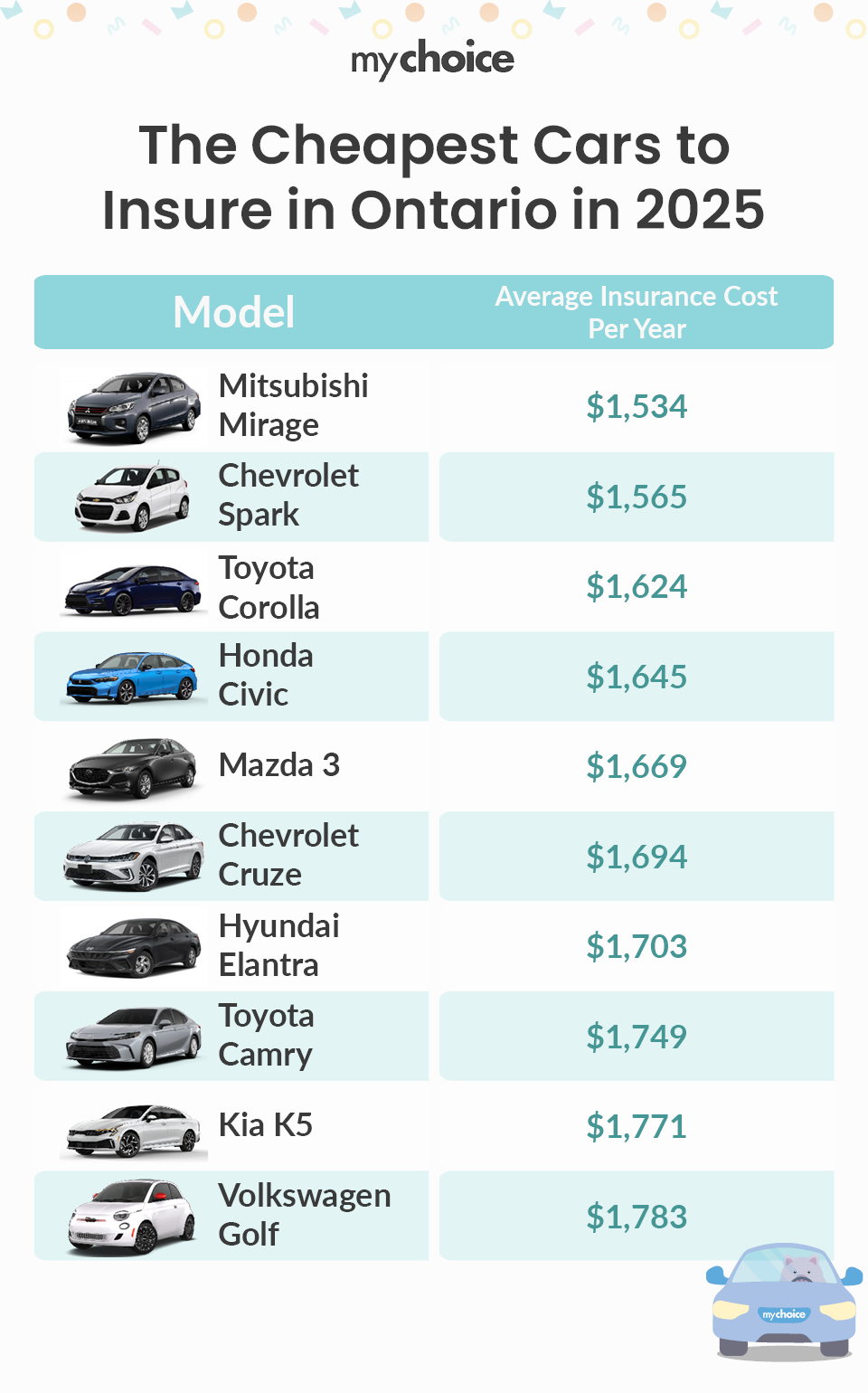
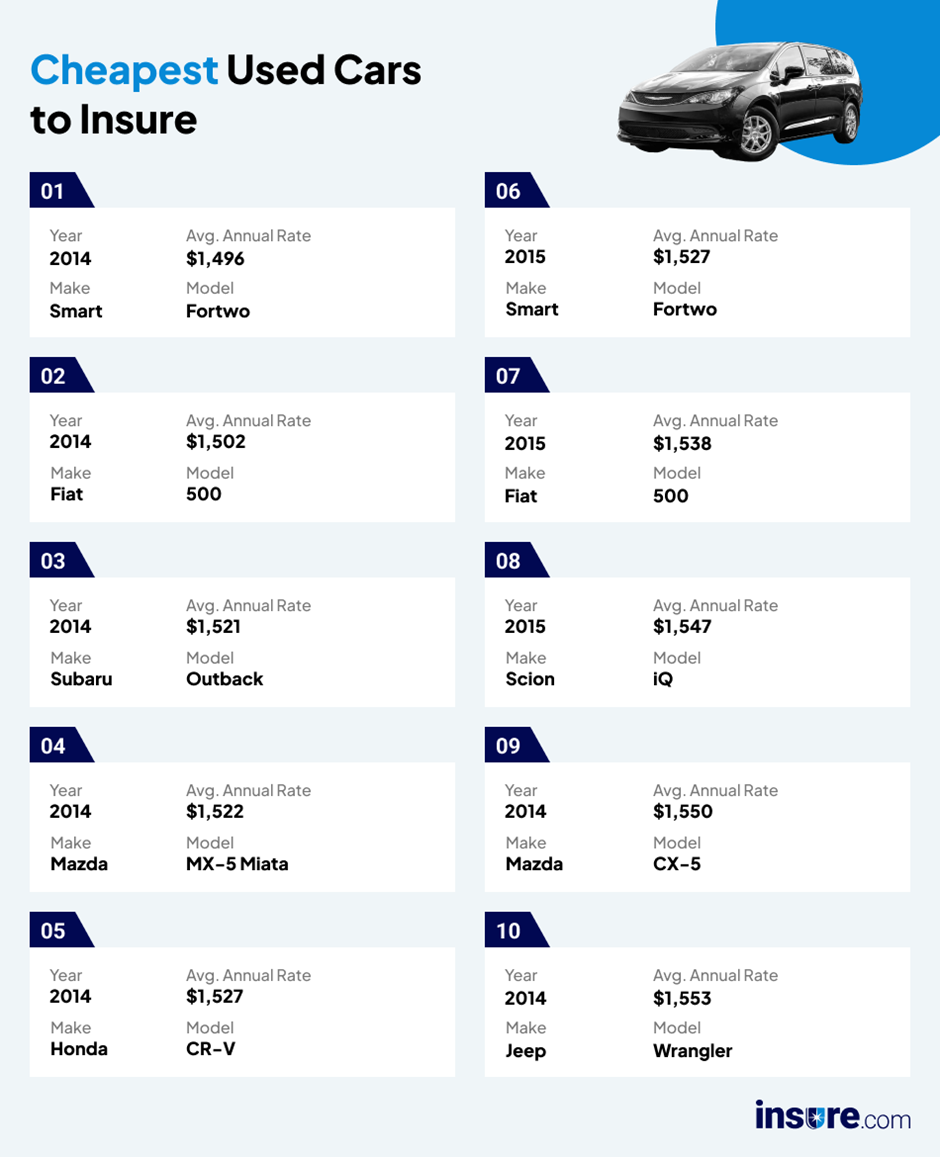
The vehicle you choose to drive is perhaps the most controllable factor in your insurance equation. The “cheapest” car to insure is typically one that is moderately priced, has high safety ratings, and is inexpensive to repair. High-end luxury vehicles and sports cars command higher premiums not just because they are expensive to replace, but because their parts are proprietary and their performance capabilities often lead to more severe accidents. If your primary goal is minimizing fixed costs, choosing a vehicle with a low “loss-cost” rating is a vital financial decision.
Balancing Coverage Needs with Budget Constraints
A common mistake in the pursuit of the cheapest auto insurance is the “race to the bottom,” where consumers strip away vital protections to save a few dollars a month. In personal finance, this is known as being “penny wise and pound foolish.” True affordability is found at the intersection of low premiums and sufficient asset protection.
Liability-Only vs. Comprehensive and Collision
The most drastic way to lower a premium is to opt for “liability-only” coverage. This covers damages you cause to others but provides zero reimbursement for your own vehicle in the event of an accident, theft, or natural disaster. While this is often the cheapest way to meet legal requirements, it is only financially sound if the value of your car is lower than the cost of the insurance and the deductible combined. A general rule of thumb in financial planning is that if your annual premium plus your deductible exceeds 50% of the car’s actual cash value, it may be time to drop collision and comprehensive coverage.
Determining the Optimal Deductible for Your Cash Flow
The deductible is the amount you pay out of pocket before your insurance kicks in. There is an inverse relationship between your deductible and your premium: the higher the deductible, the lower the monthly cost. For those with a robust emergency fund, raising a deductible from $500 to $1,000 or even $2,500 can yield substantial annual savings. However, this is only a “cheap” option if you have the liquidity to cover that deductible at a moment’s notice. If a high deductible would force you into high-interest credit card debt after an accident, the lower premium is an illusion of savings.
Avoiding the Pitfalls of Underinsurance
State-mandated minimums are rarely enough to protect a person with growing assets. If you carry only $25,000 in bodily injury liability but cause an accident resulting in $100,000 of medical bills, you are personally liable for the remaining $75,000. This can lead to wage garnishment or the loss of your savings. To find the cheapest insurance that actually serves your financial interests, you must ensure your liability limits align with your net worth.
Strategic Ways to Lower Your Insurance Bills
Efficiency in personal finance often comes down to optimization. Once you have established your necessary coverage levels, you can apply specific strategies to shave the margins off your bill.
Maximizing Multi-Policy and Loyalty Discounts
The most common and effective discount is the “bundling” or multi-policy discount. Insurance companies are willing to take a smaller profit margin on each individual policy if they can capture a larger share of your total insurance portfolio. Combining your auto, homeowners, or renters insurance with a single carrier can often result in a 10% to 25% discount across the board. Furthermore, while “loyalty” is often a myth in the corporate world, some insurers do offer long-term policyholder discounts or “accident forgiveness” for those who stay with the company for several years.
Defensive Driving Courses and Telematics
Technology has introduced new ways to prove you are a low-risk driver. Telematics—often delivered through a smartphone app or a device plugged into your car’s ODB-II port—tracks your braking, acceleration, and mileage. For cautious drivers, this can lead to “usage-based” discounts that are far more significant than standard flat rates. Additionally, many states mandate that insurers provide a discount to drivers who complete a certified defensive driving course. This is a one-time investment of time that pays dividends for three to five years.
Annual Market Comparisons and Shopping Strategies
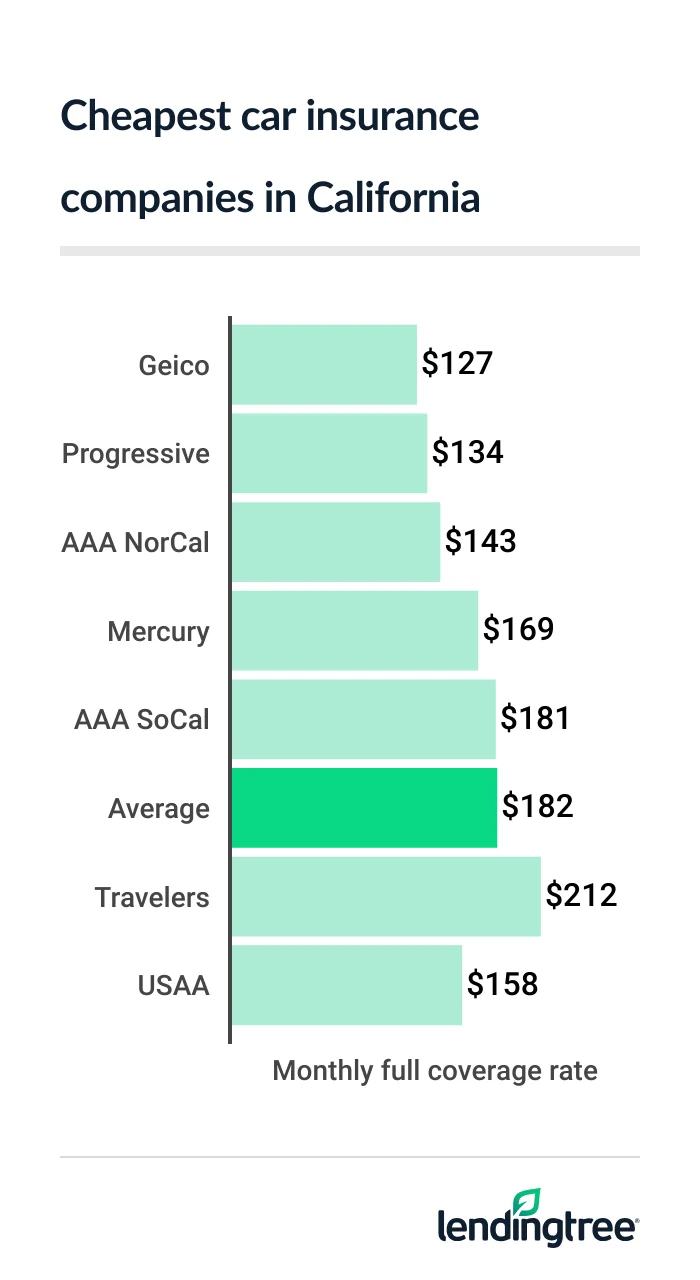
The insurance market is highly competitive and constantly shifting. An insurer that was the cheapest for you two years ago may no longer be the most competitive today due to changes in their internal risk algorithms or a high volume of local claims. Financial experts recommend shopping for quotes at least once a year, or whenever a major life event occurs (moving, getting married, buying a home). Using independent agents who can shop across multiple carriers is often more efficient than visiting individual websites one by one.
The Role of Geography and Local Market Competition
Where you live is a massive component of your insurance premium, and while you may not move just to save on insurance, understanding these geographic factors helps in budgeting and long-term financial planning.
State-Mandated Minimums and Tort Systems
Each state has different laws regarding insurance. “No-fault” states require Personal Injury Protection (PIP), which can drive up costs because insurers must pay out for their own policyholders’ medical bills regardless of who caused the accident. Conversely, “tort” states allow for more litigation, which can also influence rates. Understanding the legal landscape of your state allows you to see why your “cheap” insurance in one state might be twice the price in another.
Urban vs. Rural Premium Discrepancies
Geography influences risk through population density. If you live in a high-traffic urban area like New York City or Los Angeles, the statistical probability of a collision is exponentially higher than in a rural town in Nebraska. Furthermore, urban areas often see higher rates of vehicle theft and vandalism. If you are planning a move, it is wise to factor in the potential change in auto insurance premiums as part of your new cost-of-living calculations.
Long-Term Wealth Preservation through Proper Risk Management
Ultimately, the search for the cheapest auto insurance should be framed as a component of your broader financial health. Insurance is a hedge against catastrophe; it is the “moat” around your financial fortress.
Insurance as a Shield for Your Assets
As your net worth grows through investing and savings, your vulnerability to lawsuits increases. This is where “cheap” insurance must be redefined. For a high-net-worth individual, the cheapest way to protect their wealth is often to carry higher auto limits supplemented by an Umbrella Policy. An Umbrella Policy provides millions of dollars in extra liability coverage for a relatively small annual fee (often $200-$400). In the context of total financial protection, this is an incredibly efficient use of capital.
Integrating Auto Insurance into Your Holistic Financial Plan
To truly master your money, you must view auto insurance as a flexible line item. When you pay off your car loan, your insurance needs change. When your child moves out or gets their own policy, your needs change. By auditing your policies annually and staying informed about industry trends, you ensure that you are never overpaying for protection you don’t need, nor are you exposed to risks you can’t afford.
The cheapest auto insurance isn’t found by simply picking the lowest number on a comparison site. It is achieved through a combination of maintaining a high credit score, choosing the right vehicle, optimizing your deductibles, and leveraging every available discount. By approaching insurance as a strategic financial tool rather than a burdensome bill, you can secure your path to long-term financial stability.
aViewFromTheCave is a participant in the Amazon Services LLC Associates Program, an affiliate advertising program designed to provide a means for sites to earn advertising fees by advertising and linking to Amazon.com. Amazon, the Amazon logo, AmazonSupply, and the AmazonSupply logo are trademarks of Amazon.com, Inc. or its affiliates. As an Amazon Associate we earn affiliate commissions from qualifying purchases.