
In the landscape of personal finance, auto insurance stands as a mandatory yet often bewildering expense. For many, the quest to find the “cheapest” auto insurance company is a perennial challenge, driven by the desire to minimize fixed costs without compromising essential coverage. However, the answer to “what is the cheapest auto insurance company?” is rarely straightforward. It’s a dynamic equation influenced by a multitude of personal factors, geographical considerations, and specific coverage needs. Rather than a single definitive answer, discovering the most affordable auto insurance is an individualized financial journey that requires diligent research, strategic decision-making, and a keen understanding of how premiums are calculated. This article will delve into the complexities of auto insurance pricing, reveal effective strategies for finding the most competitive rates, and highlight companies often recognized for their affordability, all within the framework of sound personal finance.
Deconstructing Auto Insurance Pricing: Beyond the Sticker Price
Understanding why auto insurance premiums vary so significantly is the first step in finding genuinely cheaper options. Insurance companies are in the business of risk assessment, and your premium reflects the perceived likelihood of you filing a claim. Many factors, both within and outside your control, contribute to this assessment.
The Multifaceted Factors Influencing Your Premium
Auto insurance is highly personalized, meaning what’s cheap for one driver might be exorbitant for another. Key elements include:
- Driver Profile: Your age, driving record, marital status, gender, and even occupation can all play a role. Young, inexperienced drivers or those with a history of accidents and traffic violations typically face higher premiums due. Statistically, married individuals are often seen as less risky.
- Vehicle Details: The make, model, year, and even color of your car matter. High-performance vehicles, luxury cars, or those with a high theft rate generally cost more to insure. The presence of safety features, however, can sometimes lead to discounts.
- Location, Location, Location: Your zip code significantly impacts your rate. Urban areas with higher traffic density, accident rates, or vehicle theft statistics will typically see higher premiums than rural areas.
- Coverage Choices and Deductibles: The types of coverage you select (e.g., liability, collision, comprehensive) and your deductible amounts directly influence your premium. Higher deductibles (the amount you pay out-of-pocket before insurance kicks in) usually result in lower premiums, but require you to have more liquid cash available in case of a claim.
- Credit-Based Insurance Score: In most states, insurers use a credit-based insurance score (which differs from a traditional credit score) to help predict the likelihood of future claims. A higher score often translates to lower premiums, underscoring the broader financial health connection.
- Insurance History: Continuous coverage without lapses often signals a responsible driver and can lead to better rates. Gaps in coverage, even short ones, can sometimes increase your premium.
Why “Cheapest” Isn’t Always “Best Value”
While the immediate goal might be the lowest premium, it’s crucial to distinguish between “cheapest” and “best value.” A policy with an ultra-low premium might offer minimal coverage, leaving you severely underinsured in the event of a major accident. This could lead to devastating out-ofpocket expenses, far outweighing any initial savings. Best value means balancing an affordable premium with adequate protection for your assets and financial well-being. It involves understanding your state’s minimum requirements, your personal risk tolerance, and the value of your assets.
Strategic Approaches to Finding Affordable Auto Insurance
Finding the most affordable auto insurance company is not about stumbling upon a secret provider; it’s about employing smart financial strategies and being proactive.
Harnessing the Power of Comparison
The most effective way to find competitive rates is to shop around exhaustively. No single company is the cheapest for every individual in every scenario.
- Online Comparison Tools and Aggregators: Websites like NerdWallet, The Zebra, or Bankrate allow you to input your information once and receive multiple quotes from various insurers simultaneously. These tools are incredibly efficient for initial comparisons.
- Getting Multiple Quotes Directly from Insurers: While aggregators are useful, some insurers might offer exclusive rates directly through their websites or agents. It’s wise to get direct quotes from at least 3-5 top insurers, especially those known for competitive pricing like Geico, Progressive, or State Farm.
- Leveraging Independent Insurance Agents: Independent agents work with multiple insurance companies, allowing them to compare policies and find the best rates and coverage tailored to your needs. They can offer personalized advice and often identify discounts you might miss.
Unlocking Discounts and Savings
Insurance companies offer a plethora of discounts that can significantly reduce your premiums. Actively seeking and qualifying for these can be a game-changer for your personal finances.

- Good Driver/Safe Driver Discounts: Maintain a clean driving record free of accidents and violations for a certain period (e.g., three to five years).
- Multi-Policy/Bundling Discounts: Insuring your car and home (or renters, life insurance) with the same company often results in substantial savings on both policies. This is one of the most impactful discounts.
- Vehicle Safety Feature Discounts: Cars equipped with anti-lock brakes, airbags, anti-theft devices, and other safety features can qualify for lower rates.
- Low Mileage Discounts: If you drive less than a certain number of miles per year (e.g., 7,500-10,000 miles), you might be eligible for a discount. This is particularly relevant for remote workers or those with short commutes.
- Student Discounts: Good student discounts (for maintaining a certain GPA) and away-at-school discounts (if a student driver lives away from home without a car) can benefit young drivers and their families.
- Payment Discounts: Paying your premium in full upfront, or opting for automatic payments from your bank account, often earns small but cumulative discounts.
- Telematics Programs (Usage-Based Insurance): Programs like Progressive Snapshot or State Farm Drive Safe & Save use devices or apps to monitor your driving habits (speed, braking, mileage). Safe drivers can earn significant discounts.
Optimizing Your Policy for Cost-Effectiveness
Beyond choosing the right company and leveraging discounts, strategic adjustments to your policy itself can yield savings.
- Adjusting Deductibles: If you have a robust emergency fund, opting for a higher deductible on your collision and comprehensive coverage can lower your monthly premiums. Just ensure you can comfortably afford the deductible if a claim arises.
- Reviewing Coverage Annually: Your insurance needs change over time. What was appropriate last year might not be today. Review your policy annually to ensure you’re not over-insured or under-insured.
- Dropping Unnecessary Coverage: For older vehicles with low market value, the cost of collision and comprehensive coverage might outweigh the potential payout. Financially, it might make sense to drop these coverages if your car is worth less than a few thousand dollars.
- Improving Your Credit Score: Since credit-based insurance scores impact premiums in most states, improving your overall credit health can indirectly lead to lower auto insurance costs over time.
- Choosing the Right Vehicle: When buying a new car, research its insurance costs. Some models are inherently cheaper to insure due to their safety ratings, repair costs, and lower theft rates.
Top Contenders for Low-Cost Auto Insurance
While the cheapest company is individual-specific, some insurers consistently rank high for competitive rates across various demographics and regions. These companies often leverage technology, direct-to-consumer models, or specific market niches to offer lower prices.
Companies Often Cited for Competitive Rates
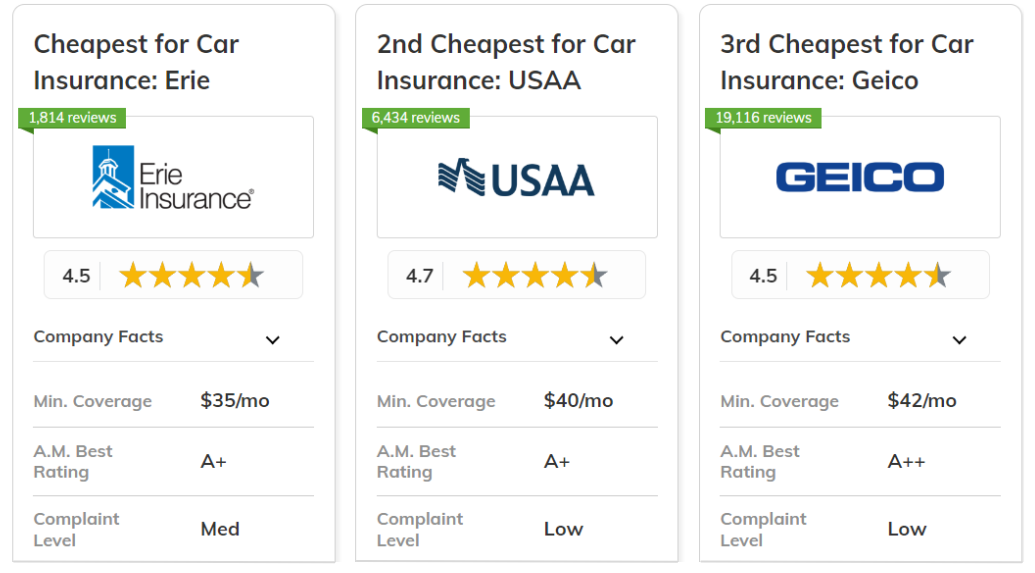
- Geico: Renowned for its direct-to-consumer model and extensive online presence, Geico frequently offers some of the most competitive rates, especially for drivers with clean records.
- Progressive: A giant in the industry, Progressive is known for its comparison tools (like “Name Your Price”) and innovative telematics program (Snapshot), which can significantly reward safe drivers.
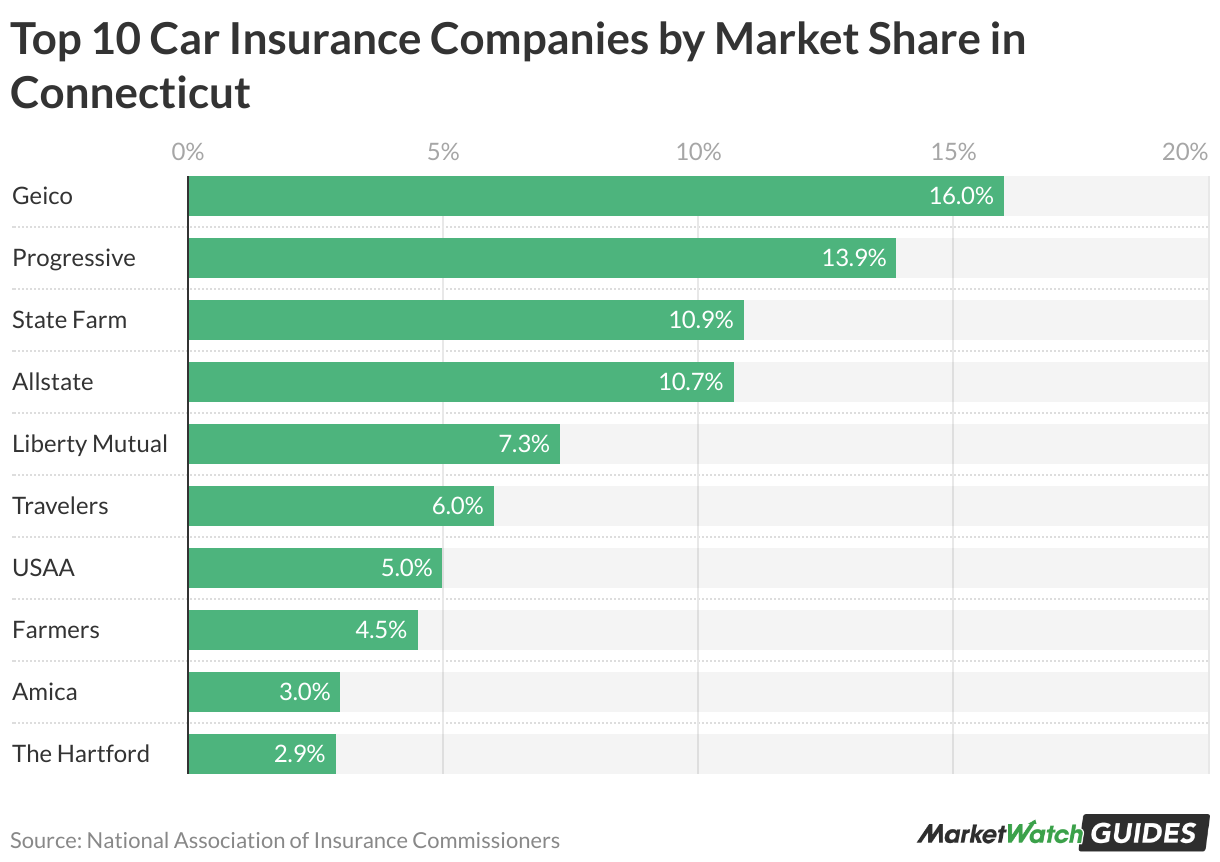
- State Farm: As the largest auto insurer by market share, State Farm, with its vast agent network, often provides competitive pricing, particularly for specific customer segments and bundles.
- Esurance/Allstate: Esurance (an Allstate company) appeals to tech-savvy customers with its strong online platform and often provides competitive rates for those who prefer managing their policies digitally.
- USAA: Exclusively serving active military members, veterans, and their families, USAA consistently receives top marks for customer satisfaction and frequently offers some of the lowest premiums available to its eligible members.
- Erie Insurance: Predominantly operating in the Eastern and Midwestern U.S., Erie is highly rated for customer service and often provides very competitive rates, especially when bundling policies.
- Local/Regional Carriers: Do not overlook smaller, regional insurance providers. These companies sometimes have lower overheads or specialized offerings that allow them to beat national competitors’ prices in their specific service areas.
The Importance of Personalized Quotes
It is vital to reiterate that these are general observations. The “cheapest” company for your specific situation will only be revealed by obtaining personalized quotes. Factors like your driving history, vehicle type, and location can dramatically shift which company offers the lowest rate. Always obtain at least three to five quotes before making a decision.
Maintaining Affordability and Financial Wellness
Finding the cheapest auto insurance isn’t a one-time event; it’s an ongoing aspect of smart personal finance. Market conditions, your personal circumstances, and insurance company algorithms change, meaning yesterday’s cheapest option might not be today’s.
Proactive Steps to Keep Premiums Low
- Regularly Review Your Policy: At least once a year, preferably before your renewal date, review your policy details and compare them with new quotes. This ensures you’re still getting the best value.
- Maintain a Clean Driving Record: This is perhaps the most significant long-term strategy for keeping insurance costs down. Avoiding accidents and traffic violations directly translates to lower risk in the eyes of insurers.
- Improve Your Credit Score Over Time: Continuously working to improve your credit score will benefit you in many financial aspects, including potentially lowering your auto insurance premiums.
- Shop Around Periodically: Even if you’re happy with your current insurer, make it a habit to get new quotes every 1-3 years. You might be surprised by how much you can save by switching.
- Consider a Higher Deductible When Financially Prudent: As your emergency fund grows, you might be able to comfortably absorb a higher deductible, leading to consistent monthly savings.
The Long-Term Financial Perspective
Auto insurance is a significant recurring expense for most households. Treating it as an integral part of your personal financial planning, rather than an isolated cost, allows for a more holistic approach to saving. Every dollar saved on insurance is a dollar that can be allocated towards investments, debt reduction, or other financial goals. By actively managing your auto insurance costs, you’re not just saving money; you’re taking control of a crucial component of your financial well-being.
In conclusion, the quest for the cheapest auto insurance company is not about identifying a single entity, but rather about arming yourself with knowledge, diligently comparing options, and proactively managing your financial profile. By understanding the factors that drive premiums, leveraging available discounts, and consistently reassessing your needs, you can navigate the complex world of auto insurance to secure optimal coverage at the most affordable price, contributing significantly to your overall financial health.
aViewFromTheCave is a participant in the Amazon Services LLC Associates Program, an affiliate advertising program designed to provide a means for sites to earn advertising fees by advertising and linking to Amazon.com. Amazon, the Amazon logo, AmazonSupply, and the AmazonSupply logo are trademarks of Amazon.com, Inc. or its affiliates. As an Amazon Associate we earn affiliate commissions from qualifying purchases.