
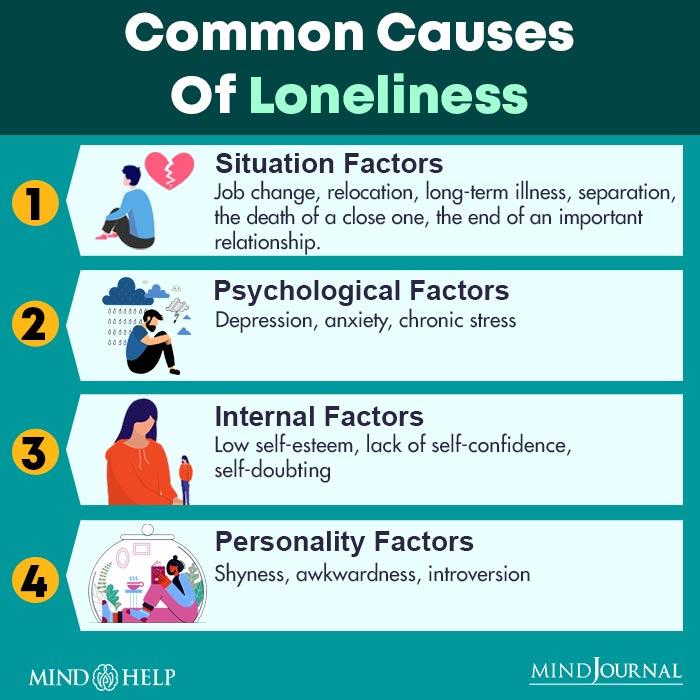
Loneliness, a pervasive and deeply human experience, has become an increasingly discussed topic in our hyper-connected world. While we can access more information and interact with more people virtually than ever before, paradoxically, many report feeling more isolated. This article delves into the multifaceted causes of loneliness, exploring how its roots can be found not only in individual circumstances but also in the very technological, branding, and financial landscapes that shape our modern lives.
The Erosion of Authentic Connection in the Digital Age
The rise of technology has undeniably transformed how we communicate and form relationships. While offering unprecedented convenience and reach, it has also inadvertently created an environment where superficial connections can overshadow deeper, more meaningful ones. The constant stream of curated online personas, the pursuit of likes and followers, and the preference for digital interactions over face-to-face encounters can all contribute to a sense of detachment.
The Illusion of Connectivity: Social Media’s Double-Edged Sword
Social media platforms promise to keep us connected, but the reality is often far more complex. We may have hundreds, even thousands, of “friends” or “followers,” yet lack genuine companionship. The carefully constructed highlight reels of others’ lives can foster feelings of inadequacy and social comparison, leading individuals to withdraw further. The pressure to present a perfect online self can also create a barrier to authentic vulnerability, which is essential for building deep relationships.
Furthermore, the constant availability and ephemeral nature of digital communication can diminish the perceived value of our interactions. A quick text message or a fleeting comment on a post can never fully replace the richness of a face-to-face conversation, the warmth of a shared meal, or the comfort of a physical embrace. The absence of these tangible elements in our daily interactions can leave a void, a subtle but significant contributor to feelings of loneliness. The ease with which we can disengage from online conversations also means that we may be less likely to invest the effort required to overcome minor social hurdles, leading to a pattern of shallow engagement.
The Algorithmic Echo Chamber: Reinforcing Isolation
Technology, particularly through algorithms, can inadvertently contribute to loneliness by creating echo chambers. These algorithms, designed to personalize our online experience, often feed us content that aligns with our existing beliefs and preferences. While this can be efficient, it can also limit our exposure to diverse perspectives and reduce opportunities for serendipitous encounters with people outside our immediate social circles. When our online world becomes too homogenous, it can reinforce a sense of being understood only by those who are exactly like us, and conversely, a feeling of being misunderstood or alienated by those who are different. This can make it harder to forge new connections and can exacerbate existing feelings of isolation.
The gamification of social interaction, where likes, shares, and comments are treated as metrics of social success, can also detract from genuine connection. This focus on quantifiable engagement can shift our attention away from the quality of our relationships and towards the performance of social interaction. The drive to “perform” for an online audience can be exhausting and ultimately unfulfilling, leaving individuals feeling disconnected from their true selves and from others.
The Rise of Digital Companionship: A False Sense of Security?
While AI chatbots and virtual assistants offer a semblance of companionship, they cannot replicate the depth, complexity, and reciprocal nature of human relationships. These digital entities are programmed to respond, not to feel. They can provide information and even simulated empathy, but they lack the lived experience, the shared history, and the genuine emotional investment that forms the bedrock of true connection. Relying on these tools as a primary source of social interaction risks creating a dependency on artificiality, further alienating individuals from the authentic connections they truly need.
The Impact of Branding and Identity on Social Connection
The contemporary emphasis on branding, both personal and corporate, can also play a significant role in fostering loneliness. In a world where individuals and organizations are encouraged to cultivate distinct identities and project curated images, the pursuit of perfection and the fear of vulnerability can create barriers to genuine connection.
The Pressure to Project a Perfect Persona: Personal Branding’s Toll
Personal branding, while a valuable tool for career advancement and self-expression, can also create a performance-oriented mindset in social interactions. When we are constantly focused on projecting a specific image – whether it’s successful, confident, or aspirational – we may be less inclined to reveal our true selves, including our insecurities and vulnerabilities. This fear of appearing imperfect can prevent us from forming authentic connections, as genuine relationships are often built on mutual understanding and acceptance of flaws. The relentless pursuit of an idealized online persona can lead to a sense of impostor syndrome, where individuals feel they are constantly deceiving others about who they truly are, leading to a profound sense of inner isolation.
The constant need to “manage” one’s brand, to ensure consistent messaging and presentation across all platforms, can be exhausting. This mental load can detract from the spontaneous and genuine interactions that are crucial for building strong relationships. When every interaction is viewed through the lens of brand management, the organic emergence of connection can be stifled.
Corporate Identity and the Dehumanization of Interaction
At a corporate level, the focus on brand identity can sometimes lead to the dehumanization of customer interactions. When customer service is driven by scripts, automated responses, and a singular focus on efficiency, the opportunity for genuine human connection is lost. Customers may feel like mere numbers or transactions, rather than individuals with unique needs and feelings. This lack of empathetic engagement can leave individuals feeling unseen and unheard, contributing to a broader sense of disconnection from the systems and institutions that shape their lives. The emphasis on a polished and impersonal corporate image can inadvertently alienate individuals seeking authentic human interaction.
The Commodification of Relationships: When Connection Becomes Transactional
In some instances, the principles of branding and marketing can even seep into our personal relationships, leading to a transactional mindset. When we view friendships or romantic partnerships as opportunities to “network,” “gain,” or “leverage,” the intrinsic value of connection is diminished. This commodification of relationships can create an environment where individuals feel judged based on their utility or perceived status, rather than their inherent worth. The fear of being “used” or of not being “good enough” can lead to social withdrawal and a reluctance to open oneself up to others.
The Economic Landscape and its Contribution to Isolation
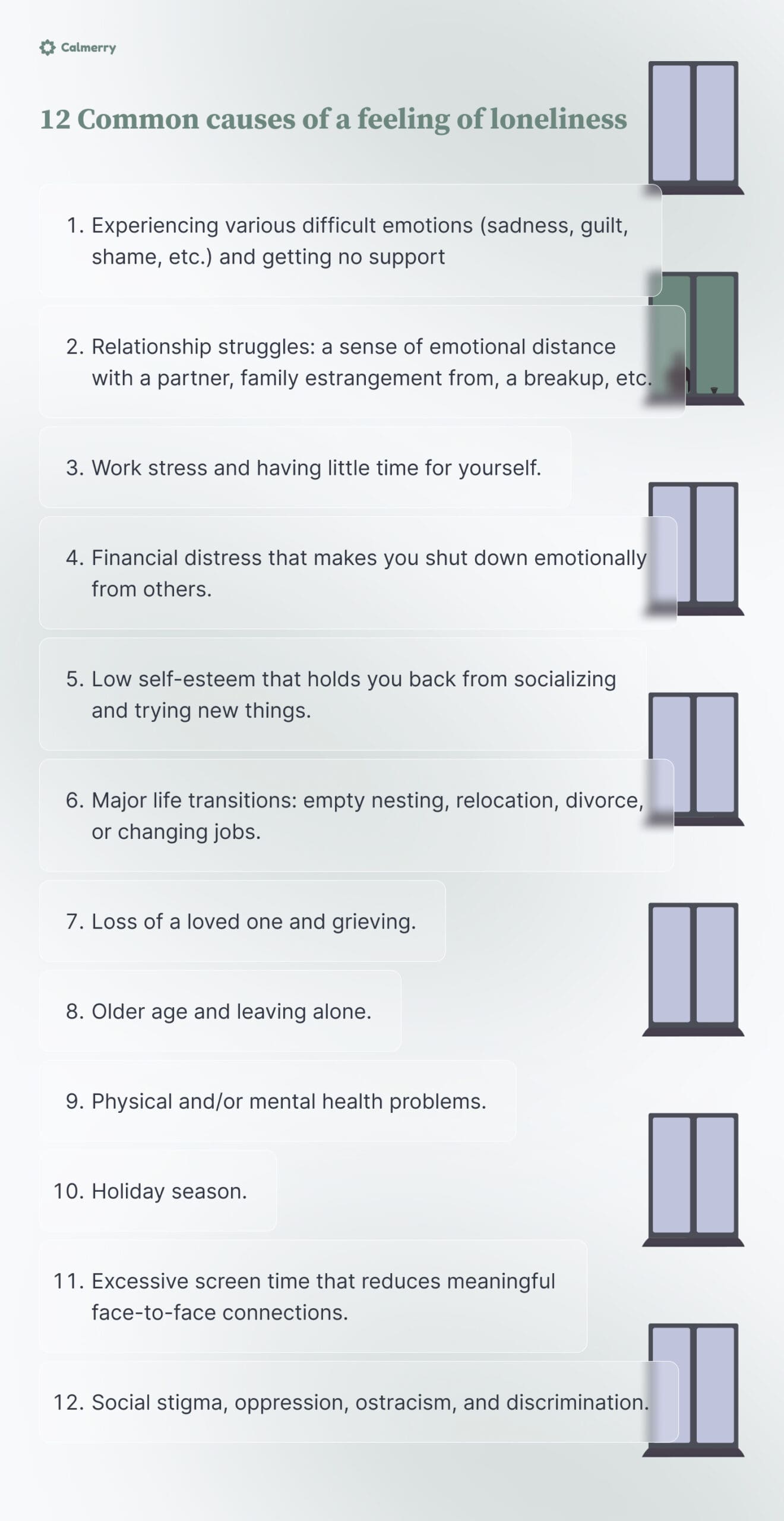
The financial realities of modern life can also contribute significantly to feelings of loneliness. Economic pressures, the pursuit of financial security, and the changing nature of work can all create circumstances that foster isolation.
Financial Stress and Social Withdrawal
Economic hardship, job insecurity, and the constant pressure to earn more can consume an individual’s time and energy, leaving little room for social engagement. The stress associated with financial instability can also lead to social withdrawal, as individuals may feel embarrassed or ashamed to admit their struggles. The fear of being judged for their financial situation can prevent them from seeking support or participating in social activities, further exacerbating their feelings of isolation. The pressure to maintain appearances, even when struggling financially, can be a significant source of stress and can lead to a conscious effort to avoid situations where their financial status might be revealed.
The Gig Economy and Precarious Work: Fragmenting Social Networks
The rise of the gig economy and the increasing prevalence of precarious work arrangements can fragment social networks. While offering flexibility, these work models often lack the built-in social structures of traditional workplaces, such as water cooler conversations, team lunches, or company social events. This can lead to a sense of disconnection from colleagues and a lack of camaraderie. For individuals who rely heavily on gig work, their “workplace” can be anywhere, making it harder to form consistent social bonds with those they encounter. The transient nature of these work arrangements can prevent the development of deep, lasting friendships that might otherwise arise from shared professional experiences.
The Digital Divide and Economic Exclusion
Furthermore, the digital divide, where access to technology and the internet is unevenly distributed, can exacerbate loneliness for those who are economically disadvantaged. If crucial social interactions, information, and opportunities are primarily online, individuals without adequate access are effectively excluded, leading to a sense of isolation from the broader societal conversation. This economic disparity can create a dual layer of isolation: one stemming from financial hardship and another from a lack of digital inclusion.

The Cult of Productivity and the Neglect of Social Capital
In a society that often glorifies busyness and relentless productivity, there is a tendency to view time spent on social connection as a luxury or an unproductive indulgence. This mindset can lead individuals to deprioritize building and nurturing their social networks, which are, in fact, vital forms of social capital that can contribute to well-being and resilience. When the pursuit of individual achievement eclipses the importance of community and connection, loneliness can become an unintended consequence. The focus on individual success can overshadow the understanding that human well-being is intrinsically linked to our connections with others.
In conclusion, loneliness is a complex phenomenon with deep roots in our technological advancements, the way we construct and present ourselves, and the economic realities we navigate. Understanding these multifaceted causes is the crucial first step towards addressing this growing societal concern and fostering a more connected and compassionate world.
aViewFromTheCave is a participant in the Amazon Services LLC Associates Program, an affiliate advertising program designed to provide a means for sites to earn advertising fees by advertising and linking to Amazon.com. Amazon, the Amazon logo, AmazonSupply, and the AmazonSupply logo are trademarks of Amazon.com, Inc. or its affiliates. As an Amazon Associate we earn affiliate commissions from qualifying purchases.