
For decades, the search for the definitive cause of Alzheimer’s disease was confined to the traditional laboratories of neuropathologists and biochemists. However, as the 21st century progresses, the frontier of this search has shifted. We are no longer merely looking through physical microscopes; we are looking through the lens of high-performance computing, artificial intelligence, and sophisticated bio-digital interfaces. The question of what causes Alzheimer’s is being answered not just by biology, but by the convergence of technology and medicine. From the simulation of protein misfolding to the identification of digital biomarkers, technology is finally peeling back the layers of a condition that has long remained a black box.
The Computational Shift: Modeling Proteopathy with Artificial Intelligence
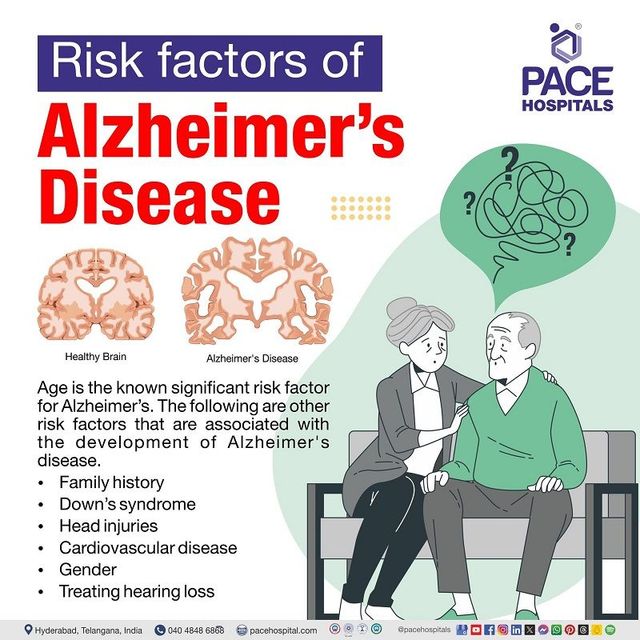
At the heart of the Alzheimer’s debate is the “amyloid cascade hypothesis,” the idea that the buildup of beta-amyloid plaques is the primary driver of the disease. While this theory has dominated research for years, the technological challenge was always understanding the mechanism of how these proteins fold and aggregate. For years, scientists struggled to map the 3D structures of these proteins, a process that could take a PhD student an entire career using traditional crystallography.
AlphaFold and the Protein Folding Revolution
The emergence of Google DeepMind’s AlphaFold has fundamentally changed our understanding of the causes of Alzheimer’s. By using deep learning to predict the 3D structure of proteins from their amino acid sequences, AlphaFold has allowed researchers to visualize the specific vulnerabilities in the structure of the amyloid-beta and tau proteins. This technological leap provides a “blueprint” of the cause. We can now see exactly where the “misfolding” happens. In a technological sense, the cause of Alzheimer’s is a structural bug in the biological code, and AI is the debugger that allows us to see where the logic of protein synthesis fails.
Simulating the Synaptic Environment
Beyond individual proteins, high-performance computing (HPC) now allows for the simulation of the entire synaptic environment. Researchers utilize GPU-accelerated modeling to observe how toxic protein aggregates move across the neural network. These simulations reveal that the cause of Alzheimer’s is not just the presence of a single plaque, but the disruption of the “network traffic” within the brain. By modeling the brain as a complex circuit, technology has identified that the breakdown in signal transmission is a primary driver of the cognitive decline associated with the disease.
Digital Biomarkers and the Big Data Revolution in Early Detection
One of the greatest hurdles in identifying the cause of Alzheimer’s is the “latency gap.” Pathological changes in the brain often begin twenty years before the first memory slip. Technology is now filling this gap by identifying “digital biomarkers”—subtle changes in behavior, speech, and movement that serve as early indicators of the disease’s causal onset.
Natural Language Processing and Cognitive Decay
Natural Language Processing (NLP) has become a powerful tool in decoding the early causes of Alzheimer’s. Algorithms can now analyze speech patterns, looking for “micro-linguistic” markers such as increased pronoun usage, decreased vocabulary diversity, and subtle pauses in syntax. These AI tools can predict the onset of Alzheimer’s with a high degree of accuracy years before clinical symptoms appear. From a tech perspective, the cause of Alzheimer’s is reflected in the degradation of our personal “data output.” As the brain’s internal processing power diminishes, the external linguistic data becomes fragmented, providing a digital trail back to the underlying neural cause.
Wearable Tech and Circadian Rhythms
The integration of wearable technology—smartwatches and Oura rings—has highlighted the link between sleep fragmentation and Alzheimer’s. Data-driven studies have shown that disruptions in the glymphatic system (the brain’s waste clearance system) are a major causal factor. Technology allows us to track sleep cycles and physical activity in real-time, correlating poor “system maintenance” during sleep with the accumulation of toxic proteins. This shift identifies the cause as a failure of the biological “cleaning algorithm” that tech-enabled monitoring can now quantify with precision.
High-Resolution Neuro-Imaging and the Mechanics of Synaptic Decay
If AI provides the logic, advanced imaging provides the vision. The cause of Alzheimer’s is being mapped at the atomic level through technological breakthroughs in imaging hardware. We are moving beyond the grainy MRI scans of the past into a realm where we can see the literal sparks of neural communication—or the lack thereof.
Cryo-Electron Microscopy (Cryo-EM)
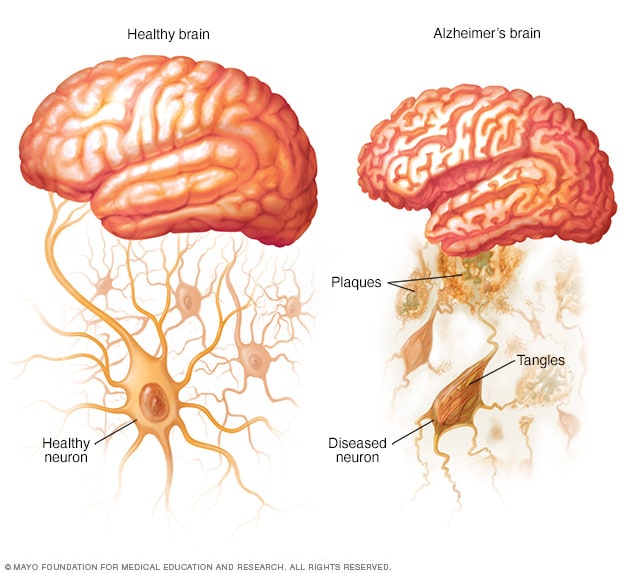
Cryo-Electron Microscopy, a technology that earned its developers a Nobel Prize, has been instrumental in identifying the causes of Alzheimer’s. By flash-freezing molecules, researchers can see the tau filaments that cause neurofibrillary tangles in high resolution. This tech has revealed that there are different “strains” of Alzheimer’s-related folds, much like different versions of software. Understanding these structural variations allows for a more granular view of the disease’s cause, suggesting that Alzheimer’s may not be one single disease, but a family of related structural failures within the brain’s hardware.
Functional Connectivity Mapping
Using advanced functional MRI (fMRI) and Positron Emission Tomography (PET) scans, tech is allowing us to view the “connectome” of the human brain. The cause of Alzheimer’s is increasingly seen as a “disconnection syndrome.” Technology shows that the disease systematically targets the “hubs” of the brain’s network—the most highly connected regions that handle the most information. By treating the brain like a telecommunications network, researchers use graph theory and network analysis to pinpoint exactly where the signal loss begins, identifying the cause as a progressive failure of the brain’s routing system.
The Role of Bioinformatics and Genomic Mapping in Identifying Causal Drivers
While lifestyle and environment play a role, the genetic “source code” is a massive factor in why some people develop Alzheimer’s and others do not. The explosion of bioinformatics has allowed for Genome-Wide Association Studies (GWAS) that have identified over 75 regions of the genome associated with the disease.
Machine Learning in Multi-Omics Data Integration
The cause of Alzheimer’s is rarely a single genetic mutation (except in rare early-onset cases). Instead, it is a complex interaction between genetics, proteomics, and transcriptomics. Machine learning models are now used to integrate these “multi-omics” data sets. By feeding millions of data points into a neural network, researchers can identify “causal clusters”—groups of genes that, when activated in a specific sequence, trigger the inflammatory response known to cause neuronal death. This technological approach moves us away from looking for a “smoking gun” and toward understanding the “malicious software suite” that leads to cognitive decline.
CRISPR and the Investigation of Genetic Causality
Gene-editing technology, specifically CRISPR-Cas9, is being used to investigate causality in cellular models. By “knocking out” specific genes in lab-grown neurons (organoids), scientists can observe how the removal of a single line of genetic code affects the production of amyloid. This is essentially A/B testing for biology. CRISPR allows us to move from correlation to causation, identifying which genetic sequences are the true drivers of the disease’s pathology.
Digital Twins and the Future of Causal Simulation
The most ambitious technological frontier in the search for the cause of Alzheimer’s is the creation of “Digital Twins.” A digital twin is a virtual model of a patient’s brain, populated with their specific genetic data, imaging results, and lifestyle metrics.
Personalized Causal Models
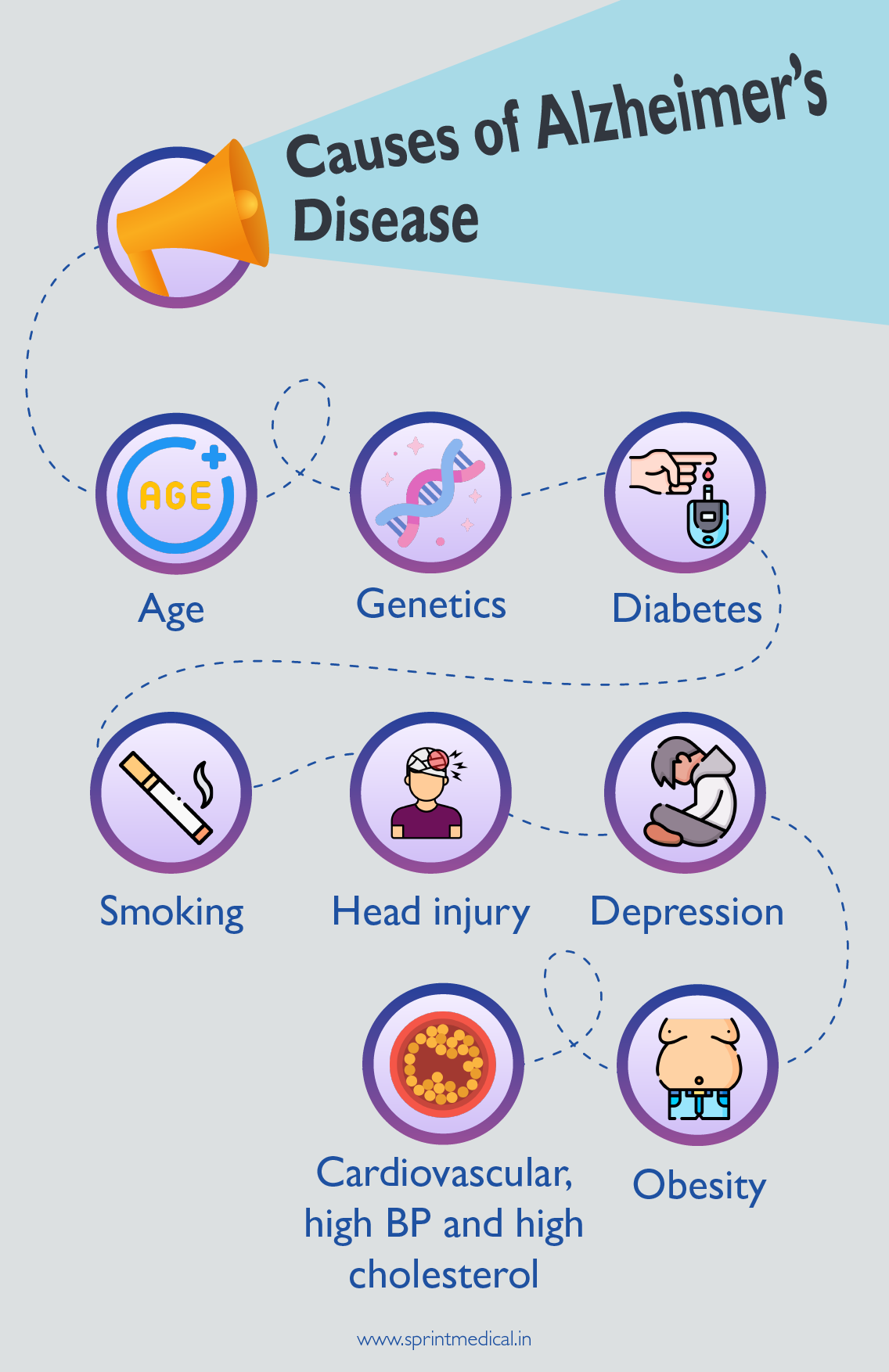
Every individual’s journey into Alzheimer’s is slightly different. Using cloud computing and advanced algorithmic modeling, researchers are creating personalized simulations to determine what the specific cause is for a particular patient. For one person, the cause may be neuro-inflammation driven by a metabolic glitch; for another, it may be a breakdown in the blood-brain barrier identified through micro-vascular imaging. The digital twin allows for “in silico” testing—running thousands of simulations to see how the disease progresses in a virtual environment. This tech-driven approach suggests that “the cause” of Alzheimer’s is a personalized equation, and only through high-level computation can we solve for the variables.
The Shift Toward Digital Therapeutics (DTx)
As we identify the causes through tech, we are also using tech to intervene. Digital therapeutics—software-based interventions—are being designed to stimulate specific neural pathways identified as being at risk. By using VR-based cognitive training and targeted light/sound frequency stimulation (gamma entrainment), technology is being used to “re-tune” the brain’s frequency. This reinforces the concept that the cause of Alzheimer’s is partly an oscillation failure in the brain’s bio-electric rhythms, a problem that tech is uniquely suited to solve.
In conclusion, the cause of Alzheimer’s is no longer a singular biological mystery, but a multi-faceted technological challenge. Through the integration of AI, big data, high-resolution imaging, and genomic sequencing, we are identifying a complex web of structural, network, and genetic failures. The transition from a purely medical perspective to a tech-centric framework is not just helping us understand what causes Alzheimer’s; it is providing the tools to eventually rewrite the code and debug the human brain.
aViewFromTheCave is a participant in the Amazon Services LLC Associates Program, an affiliate advertising program designed to provide a means for sites to earn advertising fees by advertising and linking to Amazon.com. Amazon, the Amazon logo, AmazonSupply, and the AmazonSupply logo are trademarks of Amazon.com, Inc. or its affiliates. As an Amazon Associate we earn affiliate commissions from qualifying purchases.