
Sausage, in its myriad forms, has been a staple of human diets for millennia. A critical, yet often overlooked, component that defines its form, texture, and even flavor profile is the casing. Far from a mere wrapper, the sausage casing is a marvel of food technology, continually evolving through innovations in materials science, processing techniques, and sustainable manufacturing. Understanding “what the casing for sausage is made of” is an exploration into a fascinating intersection of tradition and cutting-edge engineering that directly impacts food safety, quality, and consumer experience.
The Legacy of Nature: Traditional Casing Technologies
For centuries, the primary material for sausage casings was derived directly from nature. These original forms of bio-engineering set the foundation for all subsequent developments, demonstrating an intuitive understanding of material properties and their application in food preservation and preparation.
Animal Intestines: The Original Bio-Engineering Marvel
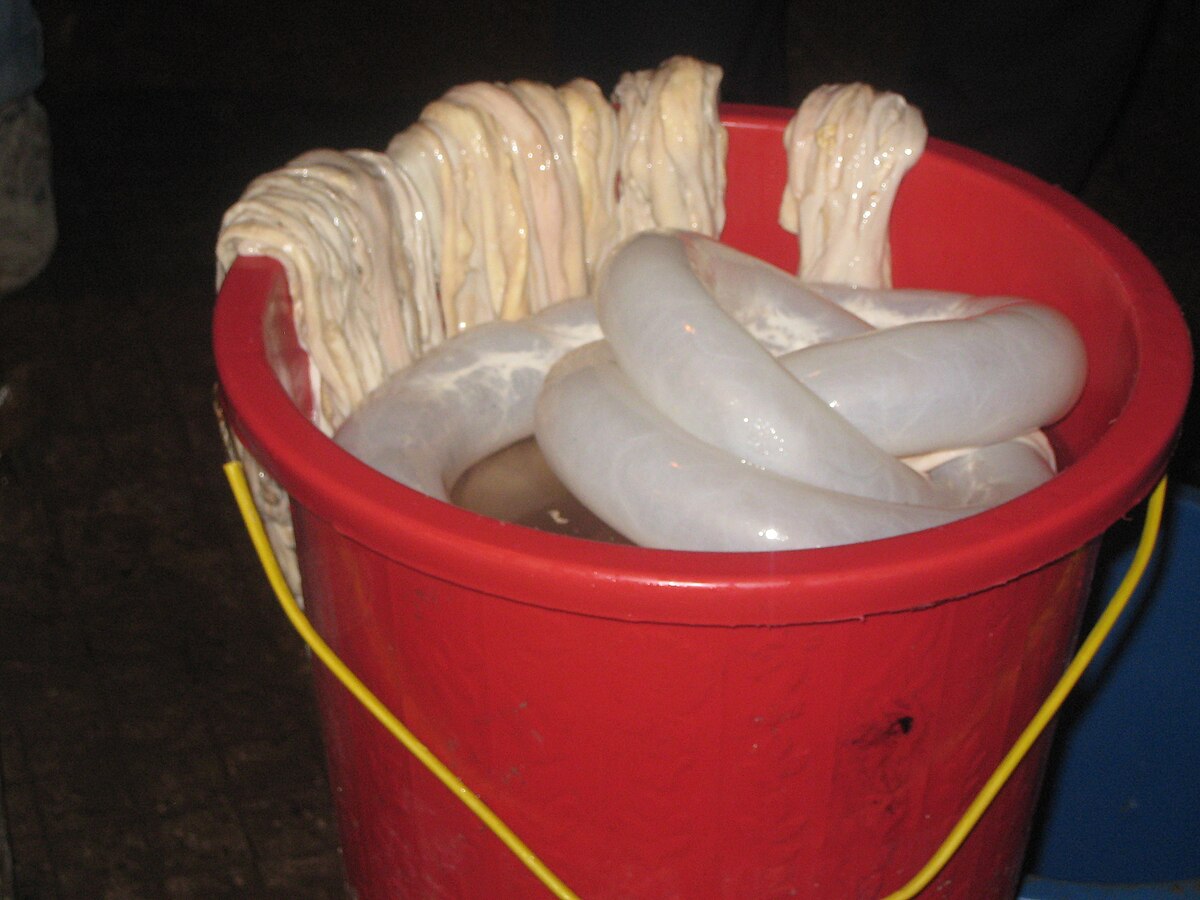
Historically, and still widely used today, natural casings are literally the cleaned and processed intestines of animals like hogs, beef, and sheep. These aren’t just arbitrary choices; their biological structure offers unique advantages that modern science strives to replicate.
The intestines are primarily composed of collagen, a natural protein, along with other connective tissues. This composition provides several key attributes: exceptional elasticity to accommodate the stuffing process, breathability that allows for natural drying, smoking, and flavor development, and a distinctive “snap” when bitten into. The processing of these natural casings, while ancient, involves meticulous steps that can be considered early forms of food technology. It includes thorough cleaning, scraping, and salting to preserve them and remove impurities. Variations in animal source (e.g., sheep casings for frankfurters, hog for bratwurst, beef for larger sausages) are selected based on desired diameter, strength, and textural contribution, showcasing a nuanced understanding of bio-material application long before the term existed. The technological challenge here lies in standardizing a natural product, ensuring consistency in diameter, strength, and cleanliness across batches—a precursor to modern quality control.
The Collagen Revolution: Repurposing Natural Proteins
The inherent variability and labor-intensive processing of natural animal casings spurred early technological innovations in the 20th century, leading to the development of collagen casings. This represented a significant leap in food engineering, essentially deconstructing and then reconstructing natural materials for greater control and efficiency.
Collagen casings are derived from the collagen found in animal hides, bones, and tendons, primarily from cattle. The process involves extracting pure collagen, purifying it, and then extruding it through dies to form a continuous, uniform tube. This extrusion technology allows for precise control over diameter, wall thickness, and strength, overcoming the inconsistencies of natural casings. The resulting casings are edible, possess a good “snap,” and offer superior uniformity, making them ideal for high-speed automated sausage production. The development of edible collagen casings was a landmark achievement, demonstrating how industrial processes could take a natural protein and engineer it into a standardized, high-performance food component, dramatically improving manufacturing efficiency and product consistency. It was one of the first successful attempts to create a “bio-engineered” food casing that mimicked and, in some ways, surpassed the performance of its original natural form.
Synthetic Frontiers: Engineering Casings for Modern Demands
As food production scaled and consumer demands diversified, the need for casings with specific properties—such as non-edibility, enhanced strength, or superior barrier protection—drove further innovation into synthetic materials. This era marked a profound shift towards chemical engineering and polymer science in the food industry.
Cellulose Casings: The Plant-Based Precursor
One of the earliest and most widespread synthetic casing technologies emerged from plant cellulose. Developed in the early to mid-20th century, cellulose casings are typically made from wood pulp or cotton linters—both abundant sources of cellulose.
These casings are not designed to be edible but serve a crucial technological role in the processing of sausages like frankfurters, bologna, and cooked salami. Their primary function is to provide a strong, permeable mold for the sausage product during cooking, smoking, and chilling. The casings are then peeled off before packaging or consumption. The technology behind cellulose casings involves a complex chemical process to regenerate cellulose fibers into a sturdy film. Their controlled permeability allows smoke and moisture to penetrate the sausage product, imparting flavor and color, while their strength maintains the sausage’s shape. The development of “peelable” cellulose casings, often involving a thin inner layer that prevents adhesion to the meat, was a significant engineering feat, enabling highly automated and efficient production lines for popular processed meats.
Plastic Casings: Barrier Technology and Beyond
The advent of polymer chemistry revolutionized food packaging, and sausage casings were no exception. Plastic casings, typically made from polymers like polyamide (nylon), polypropylene, polyethylene, and ethylene vinyl acetate (EVA), represent a highly engineered solution for specific product needs.
Unlike natural or collagen casings, most plastic casings are non-edible and are primarily designed for barrier properties. These materials can be engineered to create films that are impermeable to oxygen, moisture, and odors. This barrier technology is critical for extending the shelf life of highly perishable products, preventing spoilage, and retaining product freshness and flavor. Plastic casings are commonly used for cook-in products, processed cheeses, and large-format deli meats like bologna and ham. The manufacturing process involves sophisticated extrusion and co-extrusion technologies, where multiple layers of different polymers are combined to achieve a tailored combination of strength, flexibility, and barrier performance. Furthermore, printing technology allows for high-quality graphics and branding directly onto these casings, transforming them into a marketing tool as well as a protective barrier.
Fibrous Casings: Strength Through Reinforcement
Bridging the gap between cellulose and pure plastic, fibrous casings represent another engineering solution aimed at achieving superior strength and dimensional stability. These casings are a composite material, typically combining regenerated cellulose with long-fiber paper or other reinforcing materials.

The integration of reinforcing fibers into a cellulose matrix significantly enhances the casing’s mechanical strength, making it ideal for large-diameter, dry-cured, or semi-dry sausages that undergo extensive processing, such as salami, pepperoni, and some types of bologna. This robust construction ensures that the casing can withstand the pressures of stuffing, the shrinking and expanding during cooking and drying cycles, and the subsequent handling and slicing processes. The manufacturing involves precise control over fiber distribution and cellulose regeneration to ensure uniform strength and consistent performance. Fibrous casings are typically non-edible and designed for easy peeling, facilitating the processing and presentation of deli-style meats that are sliced for consumer purchase.
Innovation at the Forefront: Cutting-Edge Casing Technologies
The drive for greater sustainability, enhanced food safety, and novel functionalities continues to push the boundaries of casing technology. Modern research and development are exploring bio-polymers, smart materials, and advanced manufacturing techniques to redefine what a sausage casing can be.
Edible Films and Novel Bio-Polymers
The quest for fully edible and more sustainable casings has led to intensive research into novel bio-polymers. Scientists are exploring alternative plant-based proteins from sources like algae, pea, and soy, alongside polysaccharides and other bio-derived compounds, to create edible films that can replace traditional casings. These materials are engineered to possess the necessary strength, elasticity, and cooking performance while being entirely consumable and often derived from renewable resources. Furthermore, the development of biodegradable casings from materials like polylactic acid (PLA), polyhydroxyalkanoates (PHA), and various starch-based polymers aims to reduce environmental impact, offering compostable or naturally degrading alternatives to conventional plastics. This area of food tech is rapidly advancing, focusing on both performance and ecological footprint.
Smart Casings: Sensing and Functionality
Beyond mere containment, the concept of “smart casings” represents a futuristic application of embedded technology in food packaging. Imagine casings that can actively monitor the condition of the sausage within.
Research is underway to incorporate micro-sensors directly into casing materials that can detect changes in temperature, pH levels, or the presence of spoilage gases. These “active” packaging systems could provide real-time indicators of product freshness or integrity, enhancing food safety and reducing waste. Furthermore, smart casings could be engineered to release antimicrobial agents or antioxidants over time, actively extending shelf life. The integration of IoT (Internet of Things) principles could even allow these smart casings to communicate data throughout the supply chain, from production to point of sale, offering unprecedented levels of monitoring and quality control. This merging of materials science with digital technology is poised to revolutionize food packaging.
Automated Production and Customization
The manufacturing of casings is increasingly leveraging advanced automation and digital fabrication. High-speed extrusion lines are becoming more precise, allowing for micro-adjustments in casing properties on the fly. Robotics are being employed for handling, sorting, and packaging casings, improving efficiency and hygiene.
Perhaps the most futuristic application lies in the potential of 3D printing. While still largely experimental for food casings, 3D printing could enable on-demand customization of casing properties, including specific diameters, textures, or even integrated flavor compounds. Imagine a printer at a processing plant that can produce a casing tailored precisely for a specific sausage recipe, perhaps with a unique porous structure for optimal smoking or an internal coating designed to infuse a particular herb. This level of customization, driven by additive manufacturing technologies, could open up entirely new avenues for product development and efficiency.
The Future of Sausage Casings: Sustainability and Performance
The trajectory of casing technology is undeniably driven by a dual focus: minimizing environmental impact and maximizing product performance, all while responding to evolving consumer expectations.
Eco-Friendly Material Science
The imperative for sustainability is reshaping the entire materials science landscape, and sausage casings are at the forefront of this transformation. Future casings will increasingly prioritize a reduced environmental footprint, emphasizing materials that are recyclable, compostable, or derived from upcycled waste streams. This includes not only the casing material itself but also the energy efficiency of its manufacturing processes. Life Cycle Assessment (LCA) methodologies are becoming standard practice in the development of new casing technologies, evaluating everything from raw material extraction to end-of-life disposal. The goal is to move towards a circular economy for food packaging, where waste is minimized and resources are continually reused.
Enhancing Food Safety and Shelf Life
Beyond environmental concerns, continuous innovation in casing technology is crucial for enhancing global food safety and combating food waste. Next-generation barrier materials will offer even more sophisticated control over gas and moisture exchange, tailoring the microenvironment within the package to specific product needs. Antimicrobial surface treatments and coatings, potentially embedded at a molecular level, will provide an additional layer of protection against spoilage microorganisms. By extending product shelf life through advanced casing technology, the industry can significantly contribute to reducing the estimated one-third of all food produced globally that is currently lost or wasted, addressing a major economic and ethical challenge.
Consumer-Driven Technological Adaptations
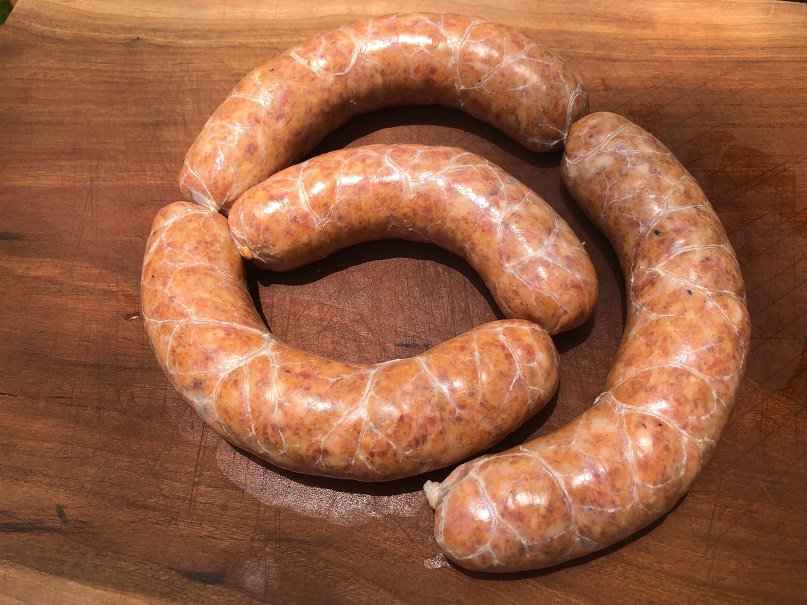
Ultimately, the future of sausage casings will also be shaped by consumer preferences. There’s a growing demand for plant-based and allergen-free options, driving the development of new vegan-friendly casing materials and ensuring production lines are free from common allergens. Transparency in material sourcing and processing is becoming paramount, with consumers increasingly interested in the “story” behind their food, including its packaging. Furthermore, the user experience remains critical: consumers want casings that are easy to peel (if non-edible), offer a desirable “bite,” and perform consistently during home cooking. Technological advancements in these areas will ensure that sausage casings continue to evolve not just as functional components, but as integral parts of a satisfying and sustainable culinary experience.
In conclusion, the humble sausage casing is anything but simple. It is a product of sophisticated engineering and continuous innovation. From the careful selection and processing of animal intestines to the extrusion of advanced polymers and the potential of smart, sustainable materials, the technology behind “what the casing for sausage is made of” is a dynamic and essential field within the broader landscape of food science and industrial tech.
aViewFromTheCave is a participant in the Amazon Services LLC Associates Program, an affiliate advertising program designed to provide a means for sites to earn advertising fees by advertising and linking to Amazon.com. Amazon, the Amazon logo, AmazonSupply, and the AmazonSupply logo are trademarks of Amazon.com, Inc. or its affiliates. As an Amazon Associate we earn affiliate commissions from qualifying purchases.