
In an increasingly digital world, the way individuals manage and transfer money has undergone a profound transformation. At the forefront of this financial revolution stands Cash App, a prominent mobile payment service that has redefined personal finance for millions. Far more than just a simple application for sending money to friends, Cash App has evolved into a comprehensive financial tool, integrating elements of banking, investing, and digital payment processing into a single, user-friendly platform. It empowers users to seamlessly engage with their money, from managing daily transactions to dipping their toes into the world of cryptocurrency and stock investments. Understanding “what is the Cash App” requires a deep dive into its multifaceted features, its impact on personal finance, and its strategic position within the broader ecosystem of digital financial tools.

Cash App: A Core Financial Tool for Modern Transactions
Cash App emerged as a direct response to the growing demand for faster, more convenient, and highly accessible financial services. Developed by Square, Inc. (now Block, Inc.), it rapidly gained traction by simplifying the complex world of money transfers and broadening the scope of what a mobile finance application could offer.
The Evolution of Peer-to-Peer Payments
At its genesis, Cash App primarily focused on peer-to-peer (P2P) payments, allowing users to instantly send and receive money from one another using a unique identifier called a “$Cashtag” or an email address/phone number. This foundational feature disrupted traditional methods of splitting bills, paying back friends, or sending monetary gifts, replacing slow bank transfers and inconvenient cash exchanges with immediate digital transactions. This ease of use quickly established Cash App as a go-to platform for everyday financial interactions, setting a new standard for speed and simplicity in P2P financial exchanges.
Beyond P2P: Expanding Financial Services
Recognizing the potential to serve a broader spectrum of financial needs, Cash App strategically expanded its offerings far beyond mere P2P transfers. It began integrating features traditionally associated with banking institutions and investment platforms, positioning itself as a holistic financial management tool. This expansion included options for direct deposits, a customizable debit card (the Cash Card), and even simplified access to investing in stocks and Bitcoin. By consolidating these diverse services within one intuitive app, Cash App fundamentally changed how users could interact with their money, moving from a specialized P2P tool to a versatile financial hub that supports various aspects of personal finance.
Key Financial Features and Functionality
The strength of Cash App lies in its robust suite of features, each designed to simplify and enhance different facets of personal financial management. These functionalities are engineered to cater to both the novice user and those looking for more advanced digital financial solutions.
Seamless Money Transfers: Send and Receive Funds
The cornerstone of Cash App remains its unparalleled ability to facilitate quick money transfers. Users can send money to virtually anyone with a Cash App account instantly, a critical convenience for splitting restaurant tabs, paying rent to housemates, or compensating contractors. Conversely, receiving money is just as straightforward, with funds typically appearing in the recipient’s Cash App balance immediately. This instantaneity is a significant advantage over traditional banking transfers, which often involve delays. The use of a unique $Cashtag streamlines the process, ensuring accuracy and privacy by allowing users to share a memorable identifier instead of personal banking details. This feature alone has dramatically impacted the speed and efficiency of personal financial interactions.
Direct Deposit and Bank Integration
Cash App has moved beyond supplemental payment services by offering capabilities akin to traditional banking accounts. Users can obtain an account number and routing number, enabling them to set up direct deposit for their paychecks, tax refunds, or government benefits. This integration allows users to receive their funds directly into their Cash App balance, often up to two days earlier than traditional banks, providing a tangible benefit for managing cash flow. Furthermore, linking external bank accounts and debit cards is simple, allowing users to seamlessly add funds to their Cash App balance or withdraw their Cash App funds into their traditional bank accounts, creating a fluid bridge between their digital and conventional financial ecosystems.
The Cash Card: A Debit Card for Everyday Spending
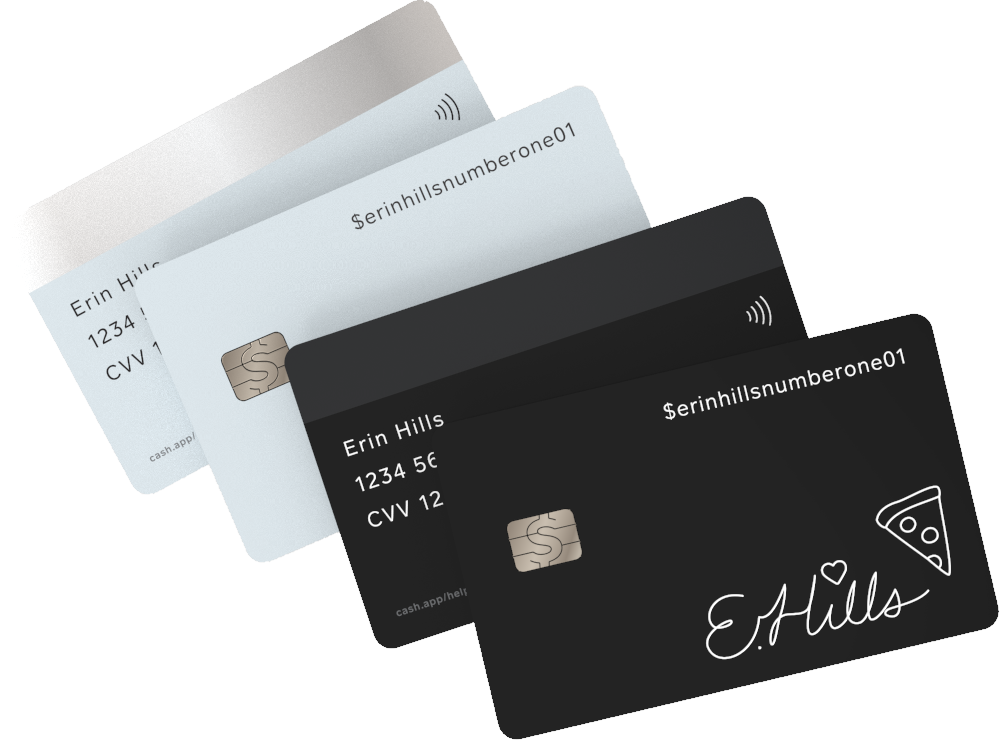
A significant advancement in Cash App’s financial utility is the introduction of the Cash Card. This free, customizable Visa debit card is directly linked to the user’s Cash App balance, allowing them to spend their funds anywhere Visa is accepted, both online and in physical stores. The Cash Card effectively transforms the digital balance into a tangible spending instrument, bridging the gap between digital currency and everyday consumption. A unique selling point of the Cash Card is its “Boosts” program, which offers instant discounts at select merchants when using the card. These personalized, real-time savings provide direct financial benefits, encouraging users to leverage their Cash Card for daily purchases and actively contributing to smart spending habits.
Investing on Cash App: Stocks and Bitcoin
Venturing into the realm of wealth accumulation, Cash App has democratized investing by making it accessible to a broader audience. Users can easily buy fractional shares of popular stocks with as little as $1, removing traditional barriers to entry that often involve high minimum investments. This feature encourages financial literacy and participation in the stock market for those new to investing. Additionally, Cash App provides a straightforward platform for buying and selling Bitcoin, one of the most prominent cryptocurrencies. This integration allows users to engage with the rapidly evolving digital asset landscape directly from their mobile device, making it one of the simplest ways for everyday individuals to enter the cryptocurrency market. While simplified, these investment tools empower users to take more active control over their financial future and explore avenues for growth beyond traditional savings.
Empowering Personal Finance Management
Beyond its transactional capabilities, Cash App has become an important tool for individuals seeking to gain greater control and insight into their personal financial health. Its design fosters engagement with one’s money, promoting conscious spending and secure management.
Budgeting and Tracking with Cash App
While Cash App does not offer advanced budgeting features comparable to dedicated financial planning software, its integrated transaction history provides a clear and concise overview of all incoming and outgoing funds. Every transaction, whether a P2P payment, a Cash Card purchase, or an investment, is meticulously logged, offering users a transparent record of their spending patterns. This comprehensive overview is invaluable for individuals keen on tracking their expenditures and identifying areas for financial adjustment. By making it easy to review where money is going, Cash App implicitly supports basic budgeting efforts and encourages greater financial awareness, helping users to manage their cash flow more effectively.
Security and Protection of Your Funds
Given the sensitive nature of financial transactions, Cash App places a high priority on security. The platform employs state-of-the-art encryption and fraud detection technology to protect user data and funds. Users can enhance their account security through features like PIN codes, Touch ID, or Face ID for app access and transaction authorization. Furthermore, Cash App offers optional security locks, requiring a PIN or biometric authentication for every transaction, adding an extra layer of protection against unauthorized use. While no digital platform is entirely immune to risks, Cash App’s robust security measures, combined with proactive user education on recognizing scams and protecting personal information, work in tandem to safeguard users’ financial assets and provide peace of mind.
Accessibility and Financial Inclusion
One of Cash App’s most significant contributions to personal finance is its role in fostering financial inclusion. For individuals who are unbanked or underbanked—those without access to traditional banking services—Cash App offers a vital lifeline. It provides a digital wallet, a means to receive direct deposits, and a debit card for spending, effectively bridging the gap for millions who might otherwise struggle to participate fully in the modern financial system. This accessibility is particularly impactful in communities where traditional banking infrastructure is scarce or where individuals face barriers to opening conventional bank accounts. By offering fundamental financial services through a mobile platform, Cash App empowers a broader demographic to manage their money, participate in the digital economy, and build a more secure financial future.
Cash App’s Role in the Gig Economy and Small Business
The rise of the gig economy and the proliferation of micro-businesses have created new demands for flexible and immediate payment solutions. Cash App has seamlessly integrated into these sectors, proving to be an indispensable tool for both individuals earning online income and small-scale entrepreneurs.
Facilitating Online Income and Side Hustles
For the burgeoning number of freelancers, gig workers, and individuals engaged in various side hustles, Cash App offers an exceptionally convenient method for receiving payments. Whether it’s payment for freelance writing, dog walking, graphic design, or selling handmade goods, Cash App allows clients to send funds instantly and directly. This eliminates the delays often associated with traditional invoicing and bank transfers, ensuring that individuals receive their hard-earned money without unnecessary waiting periods. The simplicity of requesting and receiving payments makes Cash App an attractive option for managing intermittent or project-based income, streamlining the financial logistics of the modern flexible workforce.
Simplified Payments for Micro-Businesses
Small businesses, sole proprietors, and individual vendors often struggle with the complexities and costs associated with traditional payment processing systems. Cash App provides a refreshingly simple alternative. Small businesses can use their $Cashtag to accept payments from customers directly, often with lower fees compared to credit card processing terminals. This low barrier to entry enables even the smallest businesses—from local artisans selling at markets to online tutors—to offer a convenient digital payment option to their clientele. By simplifying the payment acceptance process, Cash App empowers micro-businesses to operate more efficiently, expand their customer base, and participate more fully in the digital marketplace without the overhead of more complex financial infrastructure.
Navigating the Future of Digital Money
Cash App’s journey from a P2P app to a comprehensive financial ecosystem reflects the broader trends in digital finance. As it continues to evolve, understanding its position relative to other tools and implementing best practices for its use becomes increasingly important.
Comparative Advantage and Ecosystem Integration
In a crowded fintech landscape, Cash App stands out due to its blend of simplicity, versatility, and integration of diverse financial services. While competitors like Venmo might focus more singularly on P2P, and traditional banks offer a broader array of financial products, Cash App strikes a balance by offering core banking functionalities alongside accessible investing tools within a single, streamlined interface. Its ecosystem integration means that users can manage their daily spending, save, and invest without needing to navigate multiple applications or financial institutions. This consolidation provides a powerful comparative advantage, especially for users seeking a one-stop-shop for their everyday financial needs, firmly positioning Cash App as a formidable player in the future of digital money.

Best Practices for Secure and Efficient Use
To maximize the benefits and mitigate potential risks associated with any digital financial tool, users must adhere to best practices for secure and efficient use of Cash App. This includes always verifying the recipient’s $Cashtag, phone number, or email before sending money to prevent accidental transfers to the wrong person. Enabling all available security features, such as PINs and biometric authentication, is crucial. Users should also be vigilant against phishing scams and unsolicited requests for money, understanding that legitimate support will never ask for personal PINs or login details. By staying informed, exercising caution, and utilizing the app’s robust security features, users can ensure a safe and effective experience with Cash App, leveraging its full potential as a valuable financial resource.
In conclusion, Cash App is much more than a simple mobile application; it is a pivotal financial tool that has reshaped how millions manage their money. By seamlessly integrating peer-to-peer payments, direct deposit capabilities, a versatile debit card, and accessible investment options for stocks and Bitcoin, it offers a comprehensive solution for modern financial needs. Its commitment to simplicity, security, and financial inclusion has not only empowered individual users but also provided crucial support for the gig economy and small businesses. As the digital financial landscape continues to evolve, Cash App remains at the forefront, continually innovating to provide accessible, efficient, and intuitive pathways for people to interact with their money, truly defining what it means to be a contemporary financial companion.
aViewFromTheCave is a participant in the Amazon Services LLC Associates Program, an affiliate advertising program designed to provide a means for sites to earn advertising fees by advertising and linking to Amazon.com. Amazon, the Amazon logo, AmazonSupply, and the AmazonSupply logo are trademarks of Amazon.com, Inc. or its affiliates. As an Amazon Associate we earn affiliate commissions from qualifying purchases.