
For the vast majority of households, a vehicle represents the second-largest financial investment after a home. Yet, unlike real estate, which historically appreciates over time, a car is a depreciating asset that requires a sophisticated understanding of market dynamics to manage effectively. When a consumer asks, “What is the car value?” they are often looking for more than a simple number; they are seeking to understand their equity, their potential for a future trade-in, and the overall impact of that vehicle on their personal balance sheet.
Understanding car value through the lens of personal finance is essential for making informed decisions regarding insurance, refinancing, selling, or purchasing. In a volatile economic climate where supply chain disruptions and shifting consumer preferences can cause used car prices to fluctuate wildly, mastering the art of vehicle valuation is a critical skill for any savvy wealth manager or individual investor.

The Financial Mechanics of Vehicle Valuation
To accurately assess a car’s value, one must first understand the underlying economic principles that drive it. Vehicle valuation is not a static measurement; it is a fluid calculation influenced by time, wear, and external market forces.
Depreciation: The Primary Value Killer
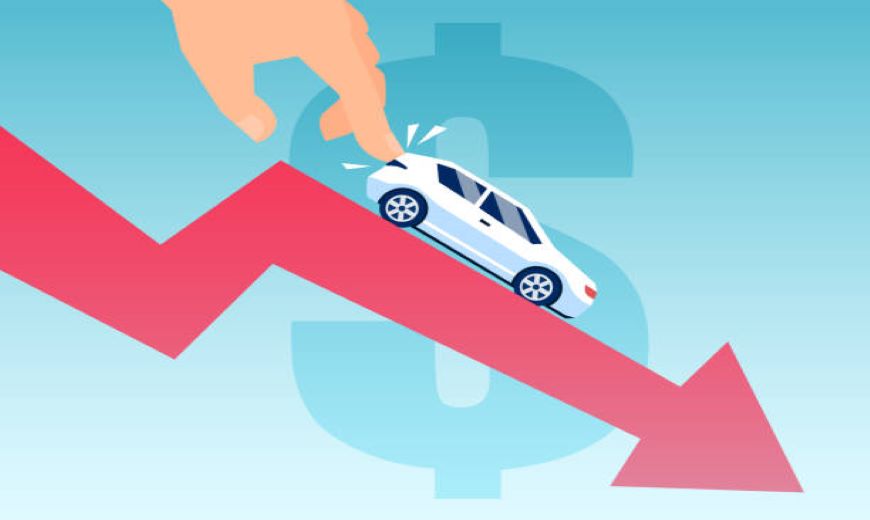
Depreciation is the single largest cost of car ownership, often exceeding the combined costs of fuel, insurance, and maintenance. From a financial perspective, depreciation is the difference between the price paid for the vehicle and its value when it is eventually sold or traded. On average, a new car loses approximately 20% of its value within the first year and continues to depreciate by about 15% to 20% each subsequent year. By the five-year mark, a vehicle may be worth only 40% of its original purchase price. Understanding this curve is vital for anyone looking to optimize their net worth.
Market Demand vs. Book Value
There is often a significant gap between “book value”—the theoretical value provided by guides like Kelley Blue Book or NADA—and “market value,” which is what a buyer is actually willing to pay. Market value is dictated by localized supply and demand. For example, a fuel-efficient hybrid may command a premium in a metropolitan area with high gas prices, while a four-wheel-drive truck may hold its value better in rural or mountainous regions. Investors must distinguish between these two figures to avoid overestimating their liquid assets.
Key Factors Determining Your Car’s Current Worth
While the macroeconomy sets the baseline, several specific factors determine where a particular vehicle falls on the valuation spectrum. In the world of finance, these are the variables that dictate the “quality” of the asset.
Mileage and Mechanical Condition
In the automotive world, mileage is the primary proxy for an asset’s remaining life. High mileage typically signals a higher risk of mechanical failure, which translates to a lower valuation. From a financial standpoint, every mile driven is essentially a micro-withdrawal from the car’s total value. Similarly, the mechanical condition acts as a liability or an asset. A vehicle with a documented history of preventative maintenance preserves its value far better than one with deferred repairs, as it reduces the “risk premium” a future buyer must account for.
Brand Equity and Resale Reliability
Not all brands are created equal in the eyes of the secondary market. Brand equity plays a massive role in car value. Manufacturers known for long-term reliability, such as Toyota or Honda, often see their vehicles depreciate at a much slower rate than luxury brands like BMW or Mercedes-Benz. While luxury cars have a higher initial “status value,” their steep maintenance costs and complex electronics often lead to aggressive depreciation once the manufacturer’s warranty expires. Choosing a brand with high resale value is a strategic move for those focused on long-term wealth accumulation.
Optional Features and Aftermarket Add-ons
When valuing a car, features like leather upholstery, advanced safety suites, and premium sound systems can add marginal value. However, it is a common financial pitfall to assume that aftermarket modifications—such as custom wheels, exhaust systems, or paint jobs—will increase the car’s value. In most cases, these modifications actually decrease the pool of potential buyers and may even lower the car’s value, as they are seen as “niche” or indicative of aggressive driving.
Tools and Methods for Accurate Financial Appraisal

To get a precise answer to “What is the car value?”, one must utilize the right financial tools. Relying on a single source can lead to an inaccurate assessment of your financial position.
Leveraging Online Valuation Tools
There are several industry-standard tools used by banks, insurers, and dealerships to determine value.
-
Kelley Blue Book (KBB): Perhaps the most recognized name, offering “Fair Market Value” and “Trade-in Value.”
-
NADAguides (J.D. Power): Often used by credit unions and banks to determine loan-to-value ratios.
-
Edmunds: Known for its “True Market Value” (TMV) tool, which utilizes actual transaction data to provide a realistic price point.
Using a combination of these tools provides a “range of value,” which is more useful for financial planning than a single point estimate.
Professional Appraisals vs. Instant Cash Offers
For those looking for immediate liquidity, “Instant Cash Offers” from platforms like Carvana or Vroom provide a concrete floor for a car’s value. While these offers might be slightly lower than what a private party would pay, they represent the “liquidation value” of the asset. A professional appraisal by a local dealer or an independent appraiser can offer a more nuanced view, especially for rare, classic, or high-end vehicles that don’t fit into standard algorithmic models.
Strategies to Maximize Your Car’s Resale Value
Just as a homeowner might renovate a kitchen to increase property value, a car owner can take specific steps to protect and enhance their vehicle’s financial worth.
Maintenance Documentation as a Value Multiplier
In any financial transaction, transparency reduces risk. Providing a complete, organized folder of maintenance records—oil changes, tire rotations, brake replacements—proves to a buyer that the asset has been cared for. This “paper trail” can often justify a sale price at the top of the market range, as it eliminates the uncertainty that usually plagues used car transactions. In terms of ROI, the time spent organizing these records is incredibly high.
Timing the Market for Optimal Liquidity
Car values are subject to seasonal trends. Convertibles and sports cars generally see a spike in value during the spring and summer months, while SUVs and trucks with all-wheel drive become more valuable as winter approaches. Furthermore, selling a car just before it hits a major mileage milestone (like 60,000 or 100,000 miles) can prevent a significant psychological “price drop” in the eyes of buyers. Strategically timing your exit from a vehicle investment can save thousands of dollars.
Car Value in the Broader Context of Personal Finance
Understanding the value of your car is not just about the eventual sale; it is about managing your current financial health.
Total Cost of Ownership (TCO)
The true cost of a car isn’t its sticker price—it’s the Total Cost of Ownership. This includes depreciation, interest on financing, insurance premiums, taxes, fuel, and maintenance. By monitoring your car’s current value against your total expenditures, you can calculate your cost per mile. If the cost of keeping an aging vehicle exceeds the depreciation and financing costs of a newer, more efficient model, it may be time to “divest” from that asset and upgrade.
The Trade-In vs. Private Sale Dilemma
When it comes time to realize the value of your car, you face a choice: convenience or profit. A trade-in at a dealership is the most convenient option but typically yields the lowest “net” value, as the dealer must leave room for their own profit margin. A private sale requires more effort—marketing, showings, and paperwork—but usually results in a 10% to 20% higher return. From a business finance perspective, you must decide if the “opportunity cost” of your time spent selling the car privately is offset by the increased gain.
Equity and Loan-to-Value Ratios
For those with a car loan, the relationship between the car’s market value and the remaining loan balance is critical. If you owe more than the car is worth, you are “underwater” or have “negative equity.” This is a dangerous financial position, as you would still owe the bank money even if the car were totaled or sold. Monitoring your car’s value allows you to make extra payments if necessary to stay “above water,” ensuring that your vehicle remains a contributor to your net worth rather than a mounting liability.
In conclusion, “car value” is a multifaceted concept that serves as a cornerstone of personal financial management. By treating a vehicle as a serious investment—monitoring its depreciation, maintaining its condition, and understanding the market forces that drive its price—owners can significantly reduce their transportation costs and protect their overall financial stability. Whether you are looking to buy, sell, or simply hold, knowing the exact value of your automotive assets is an essential component of a successful financial strategy.
aViewFromTheCave is a participant in the Amazon Services LLC Associates Program, an affiliate advertising program designed to provide a means for sites to earn advertising fees by advertising and linking to Amazon.com. Amazon, the Amazon logo, AmazonSupply, and the AmazonSupply logo are trademarks of Amazon.com, Inc. or its affiliates. As an Amazon Associate we earn affiliate commissions from qualifying purchases.