
In the landscape of modern brand strategy, we often look toward Silicon Valley giants or century-old heritage houses to understand how identity is forged and maintained. However, one of the most compelling examples of brand equity and mission-driven identity in the 21st century didn’t emerge from a boardroom or a creative agency. It emerged from the floodwaters of Louisiana.
The Cajun Navy represents a masterclass in organic branding. While it is technically a decentralized collective of private boat owners and volunteers, it functions with the clarity and resonance of a top-tier global brand. To understand what the Cajun Navy is from a brand perspective is to understand how authenticity, reliability, and a shared narrative can create a movement that transcends traditional organizational structures.
Defining the Cajun Navy Brand: Beyond the Boat
At its core, the Cajun Navy is not a singular legal entity, but a collective identity. In branding terms, it is an “open-source brand.” It belongs to the people who embody its values, yet it maintains a distinct image that is instantly recognizable across the United States.
The Origin of a Movement
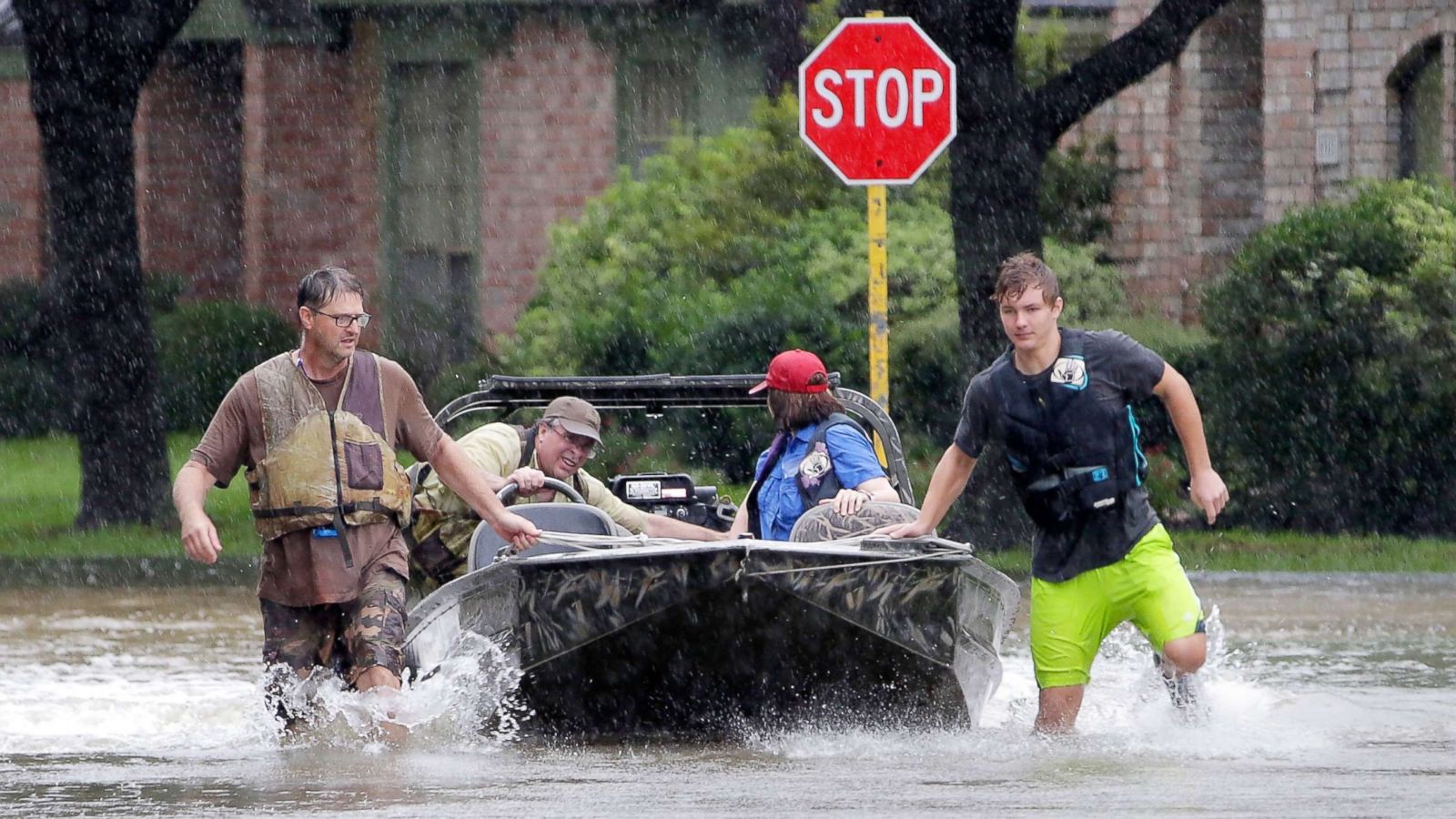
The brand roots of the Cajun Navy can be traced back to the aftermath of Hurricane Katrina in 2005. When traditional infrastructure failed, local citizens utilized their personal equipment—fishing boats, airboats, and skiffs—to conduct search and rescue operations. This was the “Minimum Viable Product” (MVP) phase of the brand. It wasn’t called the Cajun Navy then; it was simply neighbors helping neighbors. The name was popularized during the 2016 Louisiana floods, where the identity solidified into a recognizable brand mark for heroism and grassroots efficiency.
Core Brand Values: Self-Reliance and Communal Altruism
Every strong brand is built on a foundation of core values. For the Cajun Navy, these are self-reliance and communal altruism. In a marketing context, these values serve as the “Brand Promise.” When the public sees a convoy of pickup trucks pulling boats toward a storm zone, they know exactly what to expect: rapid response, local expertise, and a refusal to wait for permission to do good. This consistency is what builds long-term brand equity.
Building a Reputation in the Absence of Centralized Control
One of the most difficult challenges in brand management is maintaining a cohesive identity without a centralized hierarchy. The Cajun Navy operates through various chapters—such as the United Cajun Navy and the Cajun Navy Relief—yet the overarching brand remains unified in the public eye.
The Viral Nature of Grassroots Identity
The Cajun Navy brand grew through “earned media” rather than “paid media.” Because their actions are inherently dramatic and visually compelling, news outlets and social media users became the brand’s primary promoters. This organic growth creates a level of trust that traditional marketing cannot buy. In the digital age, a brand is no longer what a company tells the consumer it is; it is what consumers tell each other it is. The Cajun Navy is a prime example of a brand defined by its community’s testimonials.
Maintaining Brand Consistency through Shared Purpose
In corporate branding, “brand guidelines” ensure that every touchpoint feels the same. For the Cajun Navy, their “guidelines” are their shared purpose. Despite having no “Chief Marketing Officer,” the visual cues of the brand—camouflage, rugged outdoor gear, and mud-spattered boats—have become a uniform. This aesthetic consistency reinforces the brand’s positioning as a “blue-collar” rescue force that isn’t afraid to get dirty. It positions them as the antithesis of bureaucratic, slow-moving government agencies.
The Logistics of Trust: How the Cajun Navy Earned its “Market Share”
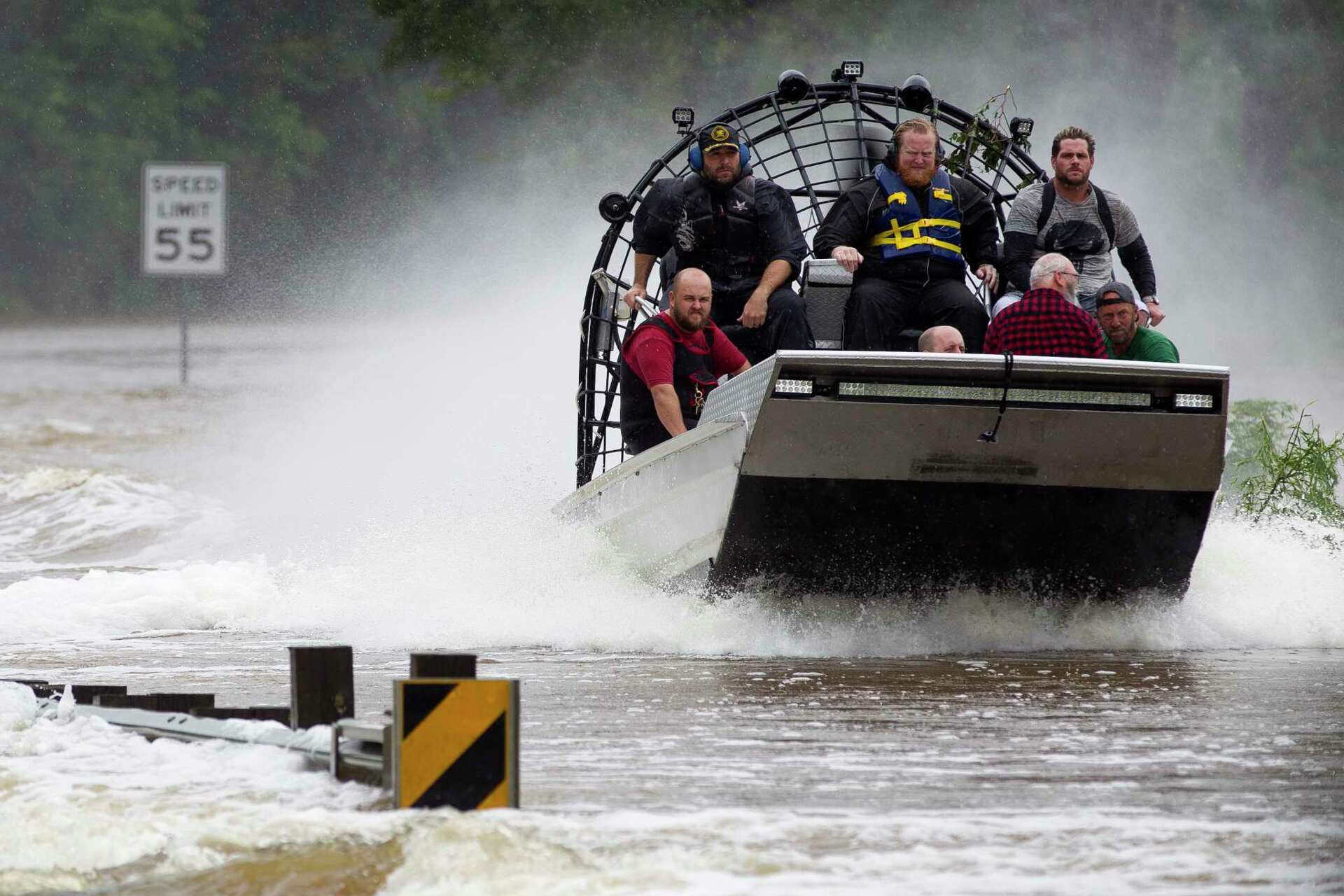
In the “market” of disaster relief, trust is the primary currency. Organizations like the Red Cross or FEMA often struggle with brand perception issues related to bureaucracy and overhead. The Cajun Navy, conversely, has captured a massive “market share” of public trust by focusing on immediate, visible results.
Reliability as a Brand Metric
From a strategic standpoint, the Cajun Navy’s greatest brand asset is its speed. In branding, being “first to market” is a significant advantage. By arriving on the scene before official government resources can often mobilize, the Cajun Navy cements its reputation as the most reliable “service provider” in the initial 48 hours of a crisis. This reliability builds a psychological bond with the audience (the public), creating a brand loyalty that persists long after the floodwaters recede.
Overcoming Bureaucratic Friction
The Cajun Navy’s brand is defined by what it is not. It is not bureaucratic. It is not political. It is not seeking profit. By positioning itself as a lean, agile alternative to massive NGOs, the brand appeals to a fundamental human desire for direct action. This “challenger brand” mentality allows them to operate with a flexibility that larger organizations simply cannot replicate. They don’t have a 50-page social media policy; they have a “go where the water is” policy.
Digital Strategy and the Modernization of a Legacy Brand
While the Cajun Navy is rooted in traditional Southern culture, its expansion is a byproduct of modern digital strategy. They have successfully bridged the gap between old-world ruggedness and new-world technology.
Leveraging Social Media for Real-Time Impact
The Cajun Navy uses tools like Zello (a walkie-talkie app), Facebook Groups, and real-time GPS mapping to coordinate rescues. In brand terms, this is “Omnichannel Engagement.” They meet their “customers” (those in need) exactly where they are. Their use of live-streaming during rescues provides a “behind-the-scenes” look at the brand in action, offering a level of transparency that corporate brands often spend millions to simulate.
From Local Heroes to a National Symbol
What began as a Louisiana phenomenon has scaled into a national symbol of American volunteerism. The brand has successfully “franchised” its identity, with people from across the country identifying as part of the Cajun Navy during hurricanes in Florida, Texas, and the Carolinas. This scalability is the hallmark of a powerful brand. When an identity can be adopted by others while maintaining its core essence, it has achieved a level of cultural penetration that most brands can only dream of.
Lessons for Corporate Leaders and Brand Strategists
The story of the Cajun Navy offers profound insights for anyone involved in brand strategy, corporate identity, or marketing. It proves that the most powerful brands are those that are lived, not just designed.
Authenticity as the Ultimate Competitive Advantage
In an era of “greenwashing” and “performative activism,” the Cajun Navy stands out because its actions are its marketing. For corporate brands, the lesson is clear: your brand is not your logo or your tagline; it is the sum of your actions. Authenticity cannot be manufactured in a creative workshop; it must be baked into the operational DNA of the organization. The Cajun Navy doesn’t need to tell you they are brave; they show you.

The Future of the Cajun Navy “Franchise”
As the Cajun Navy continues to evolve, it faces the same challenges as any growing brand: potential dilution and the need for sustainable funding. Some branches have moved toward official 501(c)(3) status, which brings a level of professionalization. The challenge moving forward will be to maintain the “scrappy underdog” brand identity while adopting the “corporate” structures necessary for long-term survival.
The Cajun Navy remains a beacon of how identity can be forged in the crucible of crisis. It is a reminder that when a brand is built on the bedrock of human connection and a clear, actionable mission, it doesn’t just survive—it leads. Whether you are a small business owner or a marketing executive at a Fortune 500 company, the Cajun Navy provides a blueprint for building a brand that people don’t just recognize, but truly believe in.
aViewFromTheCave is a participant in the Amazon Services LLC Associates Program, an affiliate advertising program designed to provide a means for sites to earn advertising fees by advertising and linking to Amazon.com. Amazon, the Amazon logo, AmazonSupply, and the AmazonSupply logo are trademarks of Amazon.com, Inc. or its affiliates. As an Amazon Associate we earn affiliate commissions from qualifying purchases.