
The brown recluse spider (Loxosceles reclusa) represents a significant point of interest in entomology and public health, primarily due to the necrotic potential of its venom. While the spider itself is a biological entity, the comprehensive understanding, identification, management, and medical response surrounding it have become increasingly intertwined with technological advancements. Far from a mere biological curiosity, the brown recluse spider now serves as a fascinating case study for the application of diverse digital tools, AI-driven solutions, and cutting-edge research methodologies. Examining the brown recluse through a technological lens reveals how digital innovation enhances our ability to detect, mitigate, and understand the impact of this elusive arachnid.
Leveraging Digital Tools for Identification and Risk Assessment
Accurate identification of the brown recluse is paramount, as misidentification can lead to undue anxiety or, conversely, a delay in appropriate medical care. Traditional methods rely on morphological examination by experts, a process often inaccessible or too slow in critical situations. Technology has begun to bridge this gap, offering both rapid identification tools and sophisticated risk mapping capabilities.
AI-Powered Apps for Species Recognition
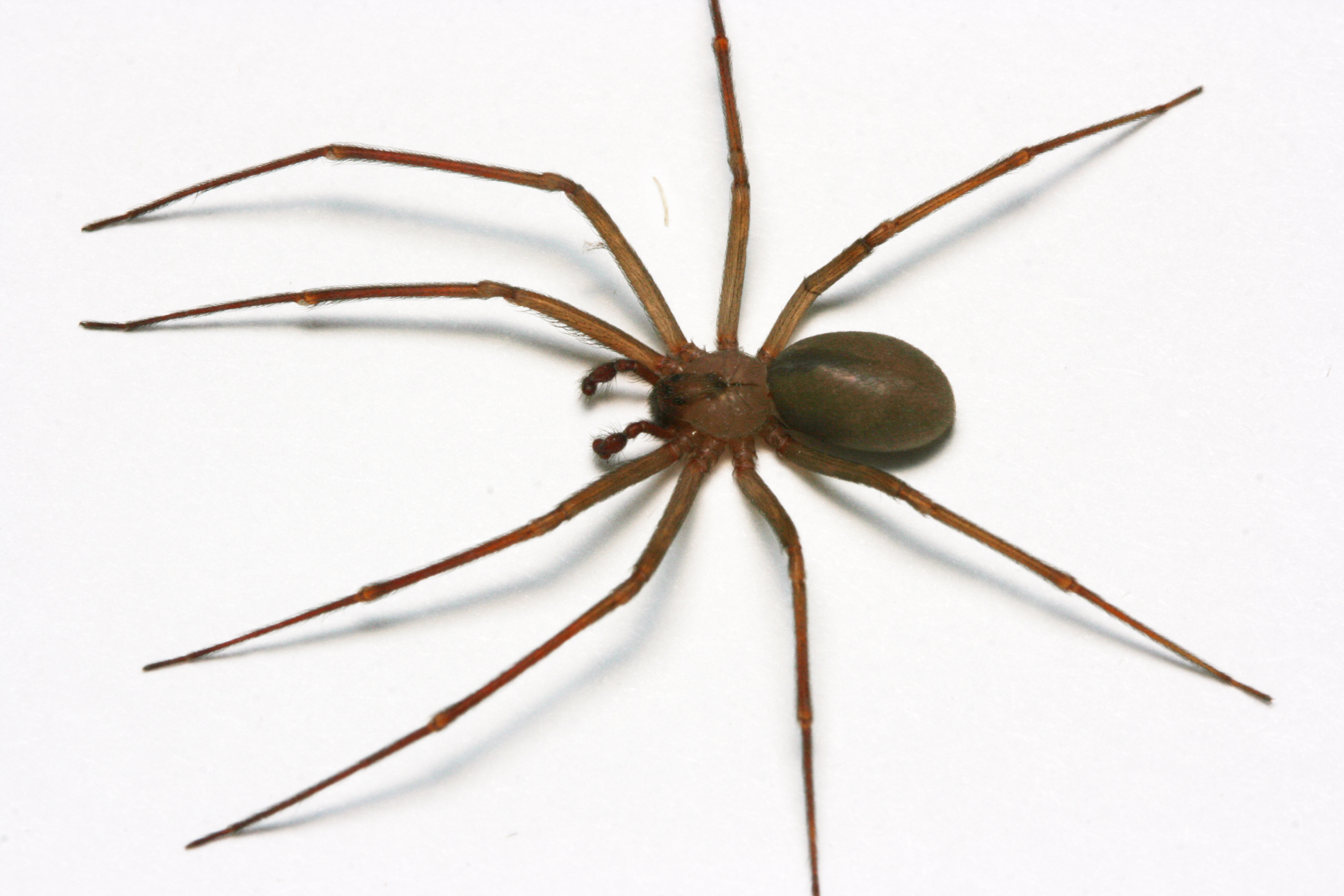
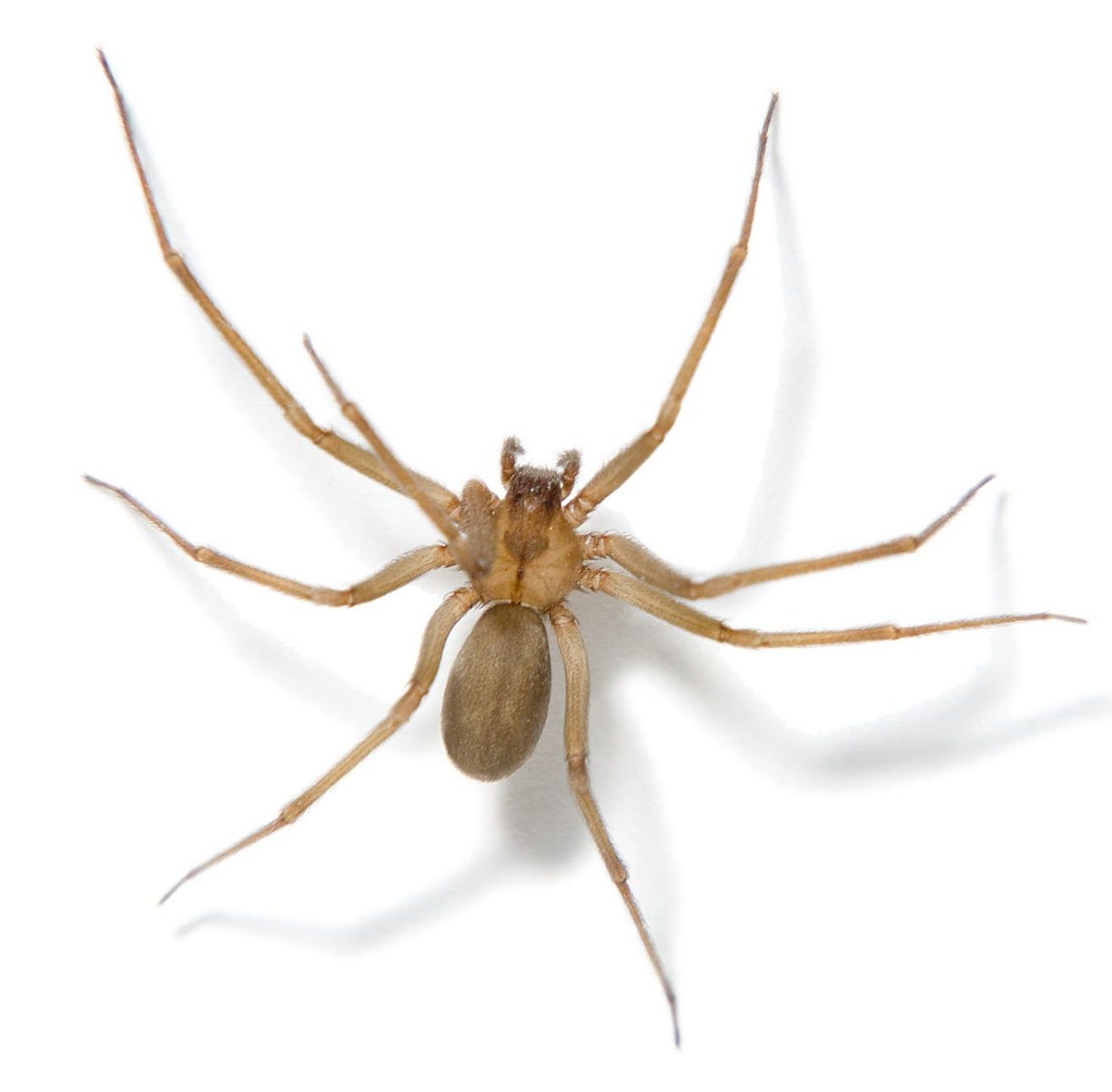
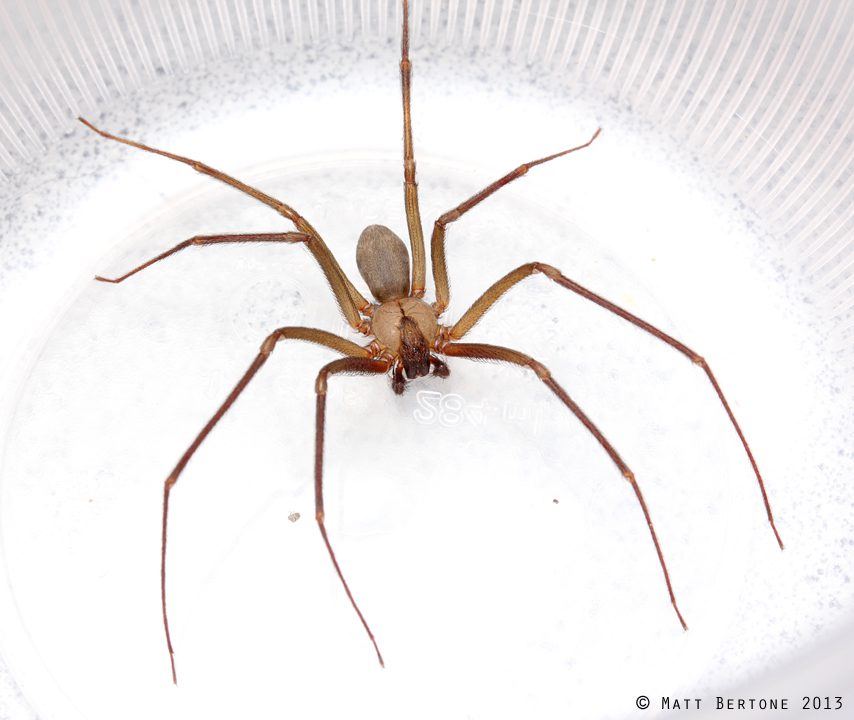
The advent of artificial intelligence, particularly in image recognition and machine learning, has revolutionized preliminary species identification. Several mobile applications now empower individuals to capture an image of a suspected spider and receive an instant, albeit often preliminary, identification. These AI models are trained on vast datasets of spider images, including numerous examples of brown recluse spiders at various life stages and angles. While not definitive for medical diagnosis, these apps can quickly rule out common harmless spiders or flag specimens requiring expert review, significantly reducing the burden on entomologists and healthcare providers. The algorithms analyze key morphological features, such as the violin-shaped marking on the cephalothorax, leg structure, and overall coloration, comparing them against known brown recluse characteristics. This technology democratizes access to expert-level identification assistance, serving as an invaluable first line of defense.
Geographic Information Systems (GIS) for Habitat Mapping
Understanding the geographic distribution and specific habitats where brown recluse spiders thrive is crucial for public health initiatives and targeted pest control. Geographic Information Systems (GIS) provide a powerful framework for mapping and analyzing the spatial patterns of spider populations. By integrating data points from confirmed sightings, environmental parameters (like temperature, humidity, and building types), and human activity, GIS can generate predictive models for potential brown recluse hotspots. These interactive maps allow public health officials, pest management professionals, and researchers to visualize areas of high risk, allocate resources more effectively, and disseminate localized warnings. Furthermore, GIS can track the efficacy of control measures over time, showing areas where populations decline after intervention, offering data-driven insights into pest management strategies.
Advanced Strategies in Pest Management
Controlling brown recluse populations within human habitations demands precision and often non-invasive techniques. Technological innovations in pest management aim to enhance detection, trapping efficiency, and the targeted application of control agents, minimizing environmental impact and maximizing effectiveness.
IoT-Enabled Monitoring and Trapping Solutions
The Internet of Things (IoT) brings a new level of intelligence to pest management. Smart traps equipped with sensors can detect the presence of spiders, monitor their activity patterns, and even capture images for remote verification. These devices can be strategically placed in suspected areas—attics, basements, wall voids—and transmit data wirelessly to a central hub or a pest control technician’s mobile device. This real-time monitoring eliminates the need for frequent manual inspections, allowing for proactive intervention. Some advanced IoT traps might even incorporate specific pheromones or attractants designed to lure brown recluse spiders more effectively, coupled with automated containment or neutralization mechanisms. This data-driven approach allows for dynamic adjustment of pest control strategies, focusing efforts precisely where they are most needed.
Precision Application of Pesticides and Non-Chemical Alternatives
Technological advancements also extend to the application of control agents. Drones equipped with high-resolution cameras and precision sprayers can access difficult-to-reach areas, such as high eaves or large industrial spaces, to apply targeted pesticides with minimal overspray. This reduces the overall volume of chemicals used and minimizes exposure to non-target organisms. Beyond traditional pesticides, innovative non-chemical alternatives are also being explored with tech assistance. This includes devices that emit specific frequencies to deter spiders or robotic vacuums designed to meticulously clean out spider habitats in complex environments, integrating pest control into smart home ecosystems. The goal is to move towards highly localized, data-informed interventions rather than broad, indiscriminate treatments.
Technological Aids in Medical Response to Bites
While brown recluse bites are rare and often overdiagnosed, when they do occur, prompt and accurate medical assessment is crucial to prevent serious tissue damage. Technology plays a pivotal role in accelerating diagnosis, guiding treatment, and understanding the broader epidemiological landscape of bites.
Telemedicine and Remote Diagnostics
For individuals in rural areas or those with limited access to specialists, telemedicine offers a lifeline. Patients can send high-resolution images or videos of suspected spider bites to dermatologists or toxicologists for remote consultation. AI-powered image analysis tools can assist clinicians by highlighting lesion characteristics often associated with brown recluse envenomation, such as erythema, blister formation, and necrotic progression. This remote diagnostic capability reduces the need for immediate in-person visits, allowing for quicker preliminary assessments and reducing healthcare burdens. Furthermore, digital patient portals facilitate the sharing of medical history and tracking of bite progression, ensuring continuity of care even across different healthcare providers.
Data Analytics for Epidemiology
Public health agencies leverage big data analytics to track the incidence and geographical distribution of brown recluse bites. By aggregating anonymized patient data from hospitals, clinics, and even direct patient reports (with appropriate consent), epidemiologists can identify trends, seasonal variations, and potential outbreak areas. This data can be correlated with environmental factors (via GIS), climatic conditions, and even socio-economic indicators to build a more comprehensive picture of bite risk. Such insights are invaluable for developing targeted public health campaigns, informing medical professionals about regional risks, and optimizing the allocation of antivenom or specialized medical resources, though a specific antivenom for brown recluse bites is not widely available.
Research and Educational Innovations
Beyond immediate management, technology is transforming fundamental research into the brown recluse spider and how public knowledge about it is disseminated. From unraveling its genetic code to creating immersive educational experiences, digital tools are expanding our understanding and engagement.
Genomic Sequencing and Bio-Sensing
Advances in genomic sequencing technologies are providing unprecedented insights into the brown recluse. By sequencing its genome, scientists can identify genes responsible for venom production, understand evolutionary relationships, and potentially discover vulnerabilities that could lead to new control methods. Bio-sensing technologies, incorporating micro-electromechanical systems (MEMS) or nanotechnology, are being developed to detect specific venom components in bite sites, offering a highly accurate diagnostic tool. These sensors could provide rapid, definitive confirmation of a brown recluse bite, distinguishing it from other conditions that mimic its symptoms, such as bacterial infections or other insect bites. Such precision diagnostics would significantly improve patient outcomes and reduce unnecessary treatments.
Immersive Learning Experiences (VR/AR)
Educating the public about the brown recluse spider is critical for prevention and appropriate response. Virtual Reality (VR) and Augmented Reality (AR) offer powerful new platforms for immersive learning. Imagine a VR experience where users can safely observe a brown recluse in its natural habitat, learn to identify its distinct features, and understand its behavior without any risk. AR applications could overlay virtual brown recluse spiders onto real-world environments, allowing users to practice identification skills in a simulated home setting. These engaging, interactive tools can significantly enhance public understanding, reduce unwarranted fears, and promote responsible behavior around these spiders, moving beyond static images and text.
The Future of Interaction: Tech and the Brown Recluse
The brown recluse spider, often a source of anxiety and misunderstanding, serves as an unexpected catalyst for technological innovation. From AI-driven identification apps to IoT-enabled pest control, telemedicine, and genomic research, technology is rapidly reshaping our ability to interact with, understand, and manage the risks associated with this unique arachnid. As digital tools become more sophisticated and accessible, the future promises an even deeper integration, offering predictive capabilities, personalized prevention strategies, and highly effective treatment protocols. The brown recluse, therefore, is not just a biological entity, but a microcosm of how cutting-edge technology can be applied to complex environmental and health challenges.
aViewFromTheCave is a participant in the Amazon Services LLC Associates Program, an affiliate advertising program designed to provide a means for sites to earn advertising fees by advertising and linking to Amazon.com. Amazon, the Amazon logo, AmazonSupply, and the AmazonSupply logo are trademarks of Amazon.com, Inc. or its affiliates. As an Amazon Associate we earn affiliate commissions from qualifying purchases.