
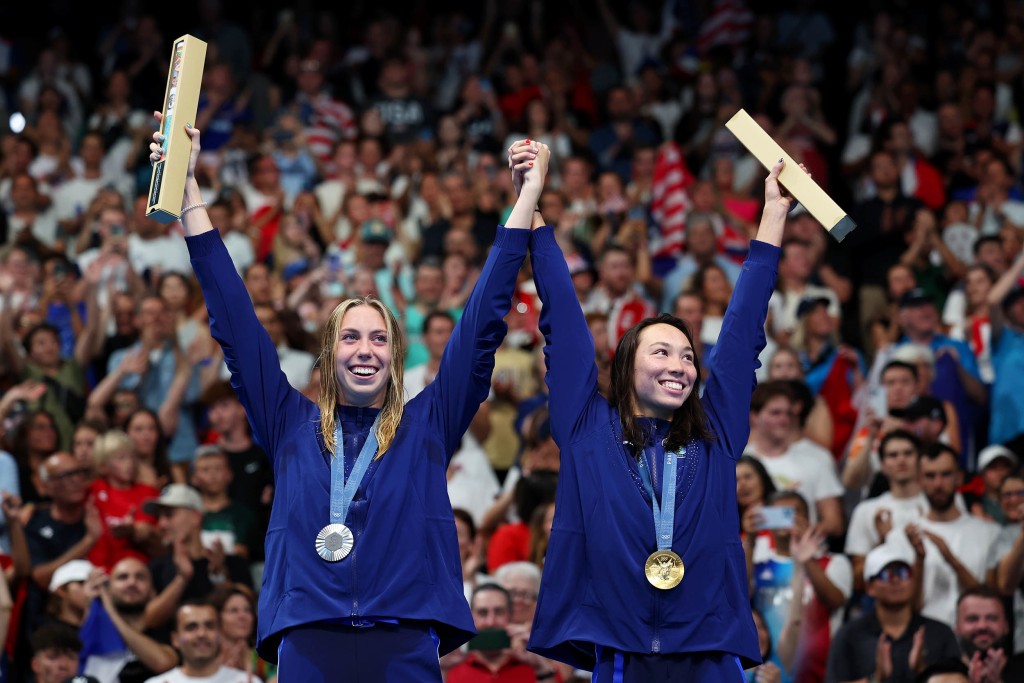
In the high-stakes theater of the Olympic Games, every detail is a calculated element of a multi-billion dollar brand strategy. While the world watches the podium to see the awarding of gold, silver, and bronze medals, a curious detail caught the eye of millions during the Paris 2024 Games: a slender, cardboard-colored box handed to every medalist alongside their prize.
This box is not merely a piece of packaging; it is a sophisticated branding tool designed to encapsulate the identity of the Paris 2024 Games. To the casual observer, it is a mystery. To a brand strategist, it is a masterclass in visual storytelling, exclusivity, and corporate identity. Inside that box lies the official “Iconic Poster” of the Games, a piece of art that serves as the visual soul of the Paris 2024 brand.

The Physicality of Prestige: Deconstructing the Medalist Gift
The decision to provide medalists with a physical artifact in a sleek, minimalist box is a deliberate choice in brand positioning. In an era dominated by digital experiences, the International Olympic Committee (IOC) and the Paris Organizing Committee opted for a tangible piece of heritage.
The Iconic Poster: A Diptych Strategy
The “box” contains a rolled version of the official Paris 2024 poster, designed by renowned French illustrator Ugo Gattoni. From a branding perspective, this poster is revolutionary. For the first time in Olympic history, the Olympic and Paralympic posters were designed as a diptych—two separate images that, when placed side-by-side, form one seamless, macroscopic view of “Stadia Paris.”
This reflects a core brand pillar of the Paris 2024 organizers: “Games Wide Open.” By merging the two posters into one narrative, the brand communicates a message of inclusivity and unity, effectively blurring the lines between the two competitions to create a singular, powerful brand identity.
Packaging as Brand Touchpoint
The box itself—long, slim, and understated—speaks to the “French Elegance” that Paris 2024 sought to project. The packaging avoids garish logos, instead focusing on a clean aesthetic that aligns with luxury brand standards. In marketing, the “unboxing experience” has become a vital touchpoint. For an athlete, opening that box to reveal a meticulously detailed map of their achievement creates a psychological link between their personal brand and the host city’s corporate identity.
Visual Storytelling: The Art of Ugo Gattoni as Brand Narrative
Brand strategy is often about condensing complex ideas into a single image. The poster inside the medalist box contains over 40,000 hand-drawn characters and took over 2,000 hours to complete. This level of detail is not just artistic flair; it is a strategic move to ensure the brand remains relevant and “discoverable” for years to come.
The “Where’s Waldo” of Brand Heritage
The poster serves as a visual encyclopedia of the Paris 2024 brand. It features iconic landmarks—the Eiffel Tower, the Stade de France, the River Seine—intertwined with every sporting discipline. By utilizing a “micro-narrative” style, the brand encourages viewers to linger. In the world of marketing, “dwell time” is a key metric. The more time a fan or athlete spends looking at the poster, the more deeply the brand’s visual language is etched into their memory.
Color Palette and Emotional Resonance
The poster moves away from the traditional primary colors often associated with the Olympics, opting instead for a sophisticated palette of Art Deco-inspired pastels, teals, and golds. This aligns with the “Look of the Games” (le Look des Jeux), a comprehensive brand guideline that aimed to make the Paris Olympics look less like a sporting event and more like a high-fashion cultural festival. This strategic shift in color psychology positions the Paris 2024 brand as chic, avant-garde, and uniquely Parisian.

Scarcity and Social Currency: The Brand Value of the Medalist Gift
In brand management, value is often derived from scarcity. While the public can purchase versions of the official poster, the specific version given to medalists carries a “brand aura” that cannot be bought.
Exclusivity as a Marketing Tool
The act of handing the box on the podium creates an immediate association between the brand and the pinnacle of human achievement. When athletes like Simone Biles or Novak Djokovic are photographed holding the box, they are acting as unofficial brand ambassadors. The “medalist box” becomes a badge of honor, a physical manifestation of an elite “club.” This creates a “halo effect,” where the prestige of the athlete transfers back to the Olympic brand and the specific artwork contained within the box.
The Social Media Multiplication Effect
In the digital age, the box serves as perfect “social currency.” Athletes frequently post “What’s in the box?” videos on platforms like TikTok and Instagram. This organic, user-generated content (UGC) is a brand manager’s dream. It creates a viral mystery that drives engagement and directs traffic back to official Olympic channels. The box isn’t just a gift; it’s a content engine that amplifies the Games’ reach far beyond the televised broadcast.
The Evolution of Olympic Visual Identity: Paris vs. The World
To understand the branding success of the Paris 2024 box, one must compare it to previous iterations of Olympic gifts. In Rio 2016, medalists were given small colorful sculptures of the logo. In Tokyo 2020, they received “victory bouquets” and small plush mascots.
Moving from Souvenir to Art Piece
Paris 2024’s decision to move toward a large-scale art print represents a shift from “souvenir branding” to “legacy branding.” A plush mascot is a toy; a 2,000-hour hand-drawn poster is a piece of fine art. By choosing the latter, the Paris 2024 brand elevates itself into the realm of culture and history. This strategy ensures that the brand survives long after the closing ceremony, as these posters are framed and hung in the homes of the world’s most famous athletes, serving as a permanent advertisement for the Paris 2024 aesthetic.
Consistency Across Touchpoints
The brand identity found in the box is consistent with every other element of the Games—from the purple athletics track to the recycled plastic seats. This consistency is the hallmark of a strong corporate identity. The “Look of the Games” is a cohesive visual ecosystem, and the poster inside the box is the map that ties it all together. It reinforces the idea that Paris 2024 was not just a series of races, but a curated, branded experience.
The Enduring Legacy of the Branded Artifact
The box given to Olympic medalists is a masterstroke of brand strategy because it solves a fundamental marketing problem: how do you give a physical form to an intangible achievement?
The medal represents the victory, but the box and the poster represent the context—the city, the culture, and the specific “vibe” of 2024. As a branding exercise, it succeeds by:
- Humanizing the Corporate Identity: Through Gattoni’s hand-drawn details, the massive IOC machine feels personal and artisanal.
- Creating a “Keepable” Asset: Unlike flowers that wither, the poster is a durable brand asset that increases in sentimental (and often financial) value over time.
- Synthesizing Two Brands: By combining the Olympic and Paralympic narratives into one diptych, it successfully rebranded the Games as a singular, unified event.
When we ask “what is the box Olympic medalists are given,” we are asking about the contents. But from a business and brand perspective, the answer isn’t “a poster.” The answer is: a piece of a carefully constructed, multi-year brand narrative designed to ensure that Paris 2024 remains the most visually iconic Olympic Games of the modern era. The box is a vessel for history, wrapped in the sophisticated language of French marketing.
aViewFromTheCave is a participant in the Amazon Services LLC Associates Program, an affiliate advertising program designed to provide a means for sites to earn advertising fees by advertising and linking to Amazon.com. Amazon, the Amazon logo, AmazonSupply, and the AmazonSupply logo are trademarks of Amazon.com, Inc. or its affiliates. As an Amazon Associate we earn affiliate commissions from qualifying purchases.