
In the landscape of mechanical engineering and propulsion technology, the internal combustion engine remains a masterpiece of precision. To understand how these machines convert chemical energy into kinetic force, one must look at the fundamental dimensions that define their architecture. Among the most critical of these measurements is the bore. While it may sound like a simple measurement of width, the bore of a cylinder is a cornerstone of performance tuning, fuel efficiency, and the structural integrity of modern hardware.
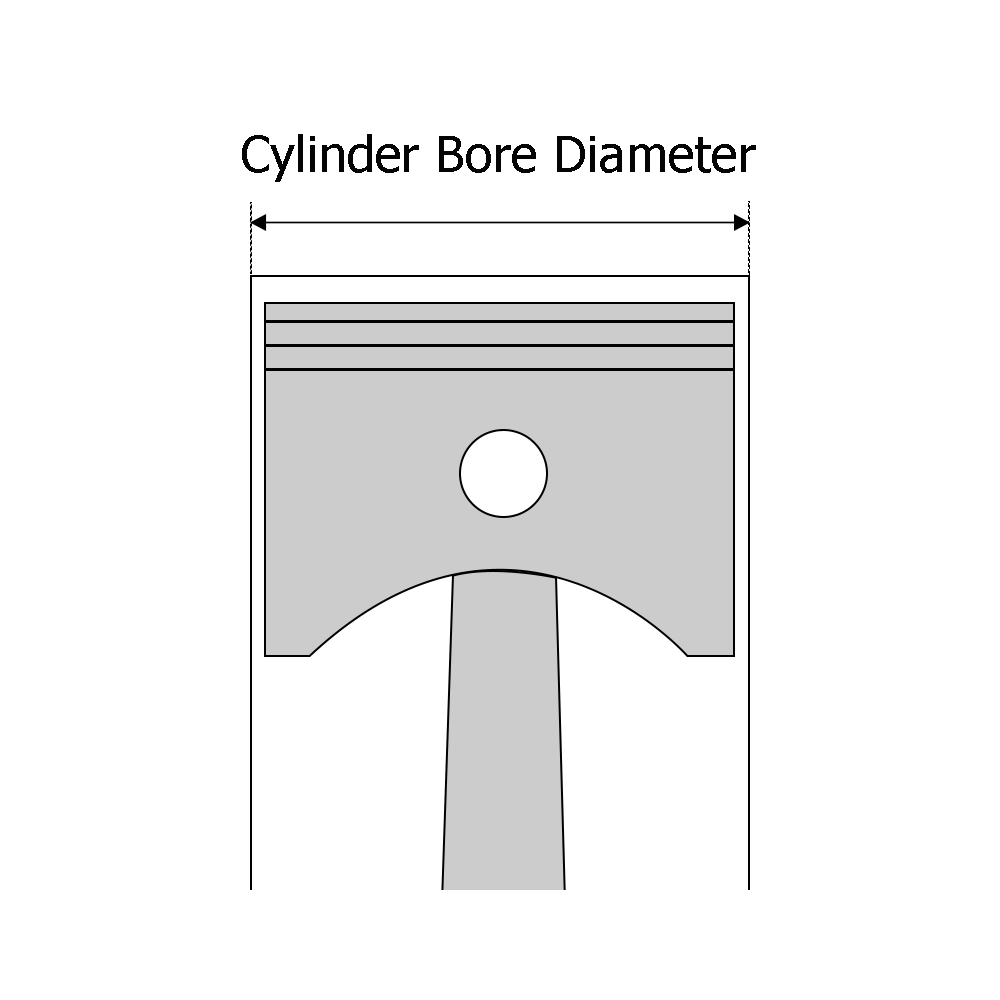
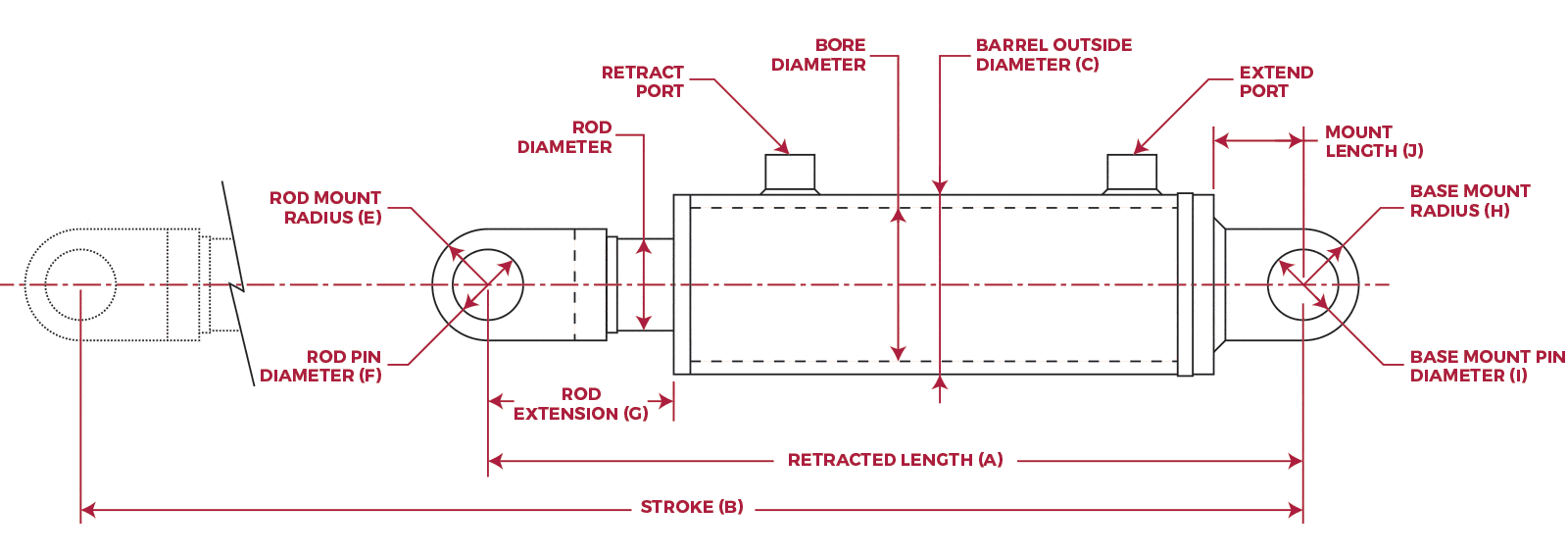
In technical terms, the bore is the diameter of the cylinder hole in an engine block where the piston travels up and down. It is the primary measurement used to calculate an engine’s displacement, alongside the stroke (the distance the piston travels). However, the implications of a cylinder’s bore extend far beyond basic geometry; they dictate the breathing characteristics of the engine, its thermal limits, and its ultimate power potential.
The Engineering Mechanics of Bore and Stroke
To grasp the significance of the bore, one must analyze its relationship with the stroke. Together, these dimensions determine the total displacement of an engine—the volume of air and fuel that can be processed in a single cycle. The formula for displacement involves the area of the bore multiplied by the length of the stroke and the number of cylinders.
The Mathematics of Displacement
When engineers design a new propulsion system, they start with a target displacement. To achieve a 2.0-liter engine, for example, they must decide on the ratio between the bore and the stroke. A larger bore allows for larger intake and exhaust valves. In the world of high-performance tech, this is crucial. Larger valves facilitate better airflow at high revolutions per minute (RPM), allowing the engine to “breathe” more effectively and produce more horsepower.
Oversquare vs. Undersquare Configurations
The technical classification of an engine often depends on its bore-to-stroke ratio.
- Oversquare (Short-Stroke): This is a configuration where the bore is larger than the stroke. This is the hallmark of high-tech racing engines and modern sportbikes. Because the stroke is shorter, the piston travels a shorter distance per revolution, reducing friction and allowing the engine to reach much higher RPMs safely.
- Undersquare (Long-Stroke): Here, the stroke is longer than the bore diameter. This design is favored in industrial applications and heavy-duty trucks. A longer stroke provides more leverage on the crankshaft, resulting in higher torque at lower speeds, though it limits the maximum RPM due to the higher physical speed of the piston.
- Square: An engine where the bore and stroke are identical. This is often the “sweet spot” for modern passenger vehicles, balancing fuel efficiency with a respectable power band.
The Role of Precision Manufacturing and Material Tech
The bore of a cylinder is not merely a hole; it is a high-tech interface. The inner wall of the bore must be perfectly circular—often within tolerances of a few microns—and must maintain this shape under extreme heat and pressure. This is where materials science and advanced manufacturing software come into play.
Specialized Coatings and Liners
In legacy tech, cylinders were often bored directly into cast-iron blocks. As the industry moved toward lightweight aluminum for better thermal conductivity and fuel economy, engineers faced a challenge: aluminum is too soft to withstand the constant friction of piston rings. This led to the development of high-tech liners and coatings.
- Nikasil: A nickel-silicon carbide coating applied via electroplating. This allows for incredibly thin cylinder walls, improving heat transfer and allowing for a larger bore within the same engine block footprint.
- Plasma Transferred Wire Arc (PTWA): A thermal spray process that creates a micro-porous surface on the bore. This tech allows the cylinder wall to retain oil more effectively, reducing friction and wear while eliminating the need for heavy iron liners.
Surface Finishing and Cross-Hatching
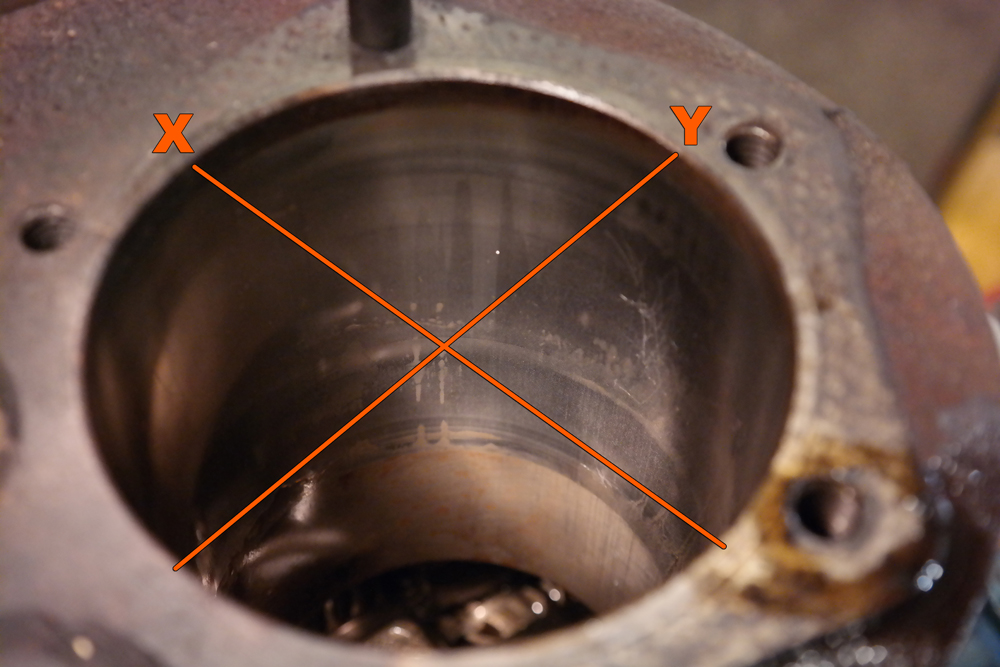
If you were to look at the bore of a high-performance cylinder under a microscope, you would see a series of fine, intersecting lines known as cross-hatching. This is not a defect but a deliberate result of precision honing. These microscopic grooves serve a vital technical purpose: they hold a thin film of oil on the cylinder wall. Without this precision-engineered surface texture, the friction between the piston rings and the bore would lead to immediate mechanical failure.
Thermal Management and Combustion Efficiency
The size of the bore directly affects how heat is managed within the combustion chamber. As the bore increases, the surface area of the piston crown and the cylinder head also increases. This presents both an opportunity and a technical hurdle for engineers focused on thermal efficiency.
Flame Propagation and Knock Limits
In a large-bore cylinder, the spark plug is located at the center, but the flame must travel a further distance to reach the edges of the cylinder wall. If the bore is too wide, the time it takes for the flame to travel can lead to “knock” or pre-detonation—a phenomenon where the fuel at the edges of the cylinder ignites prematurely due to heat and pressure.
To combat this, modern engine control units (ECUs) use complex algorithms to adjust ignition timing based on sensors that monitor the combustion process within the bore. In ultra-large bore configurations, engineers sometimes employ “twin-spark” technology, using two spark plugs per cylinder to ensure a faster, more uniform burn.
Volumetric Efficiency and Valve Placement
One of the primary reasons tech-driven performance companies favor a larger bore is valve real estate. The cylinder head sits atop the bore, and its surface area is limited by the bore’s diameter. A larger bore allows for the installation of four or even five valves per cylinder. This increases the “volumetric efficiency”—the engine’s ability to pull in a fresh air-fuel mixture and expel exhaust gases. By optimizing the bore size, engineers can maximize the flow of gases, essentially allowing the engine to function as a more efficient air pump.
The Digital Future: Simulation and Generative Design
The way we determine the ideal bore for a cylinder has shifted from physical prototyping to advanced digital simulation. Today, the “perfect bore” is often discovered in a virtual environment long before a single piece of metal is cast.
Computational Fluid Dynamics (CFD)
Engineers use CFD software to simulate how air moves into the cylinder based on different bore diameters. This allows them to see how the “tumble” and “swirl” of the air change with the bore’s width. By optimizing these air patterns, they can ensure that the fuel atomizes perfectly, leading to cleaner combustion and lower emissions. This digital approach has been instrumental in meeting the stringent environmental standards of the 21st century.
Finite Element Analysis (FEA)
The bore is subject to immense structural stress. As the piston reaches the top of its stroke and the fuel ignites, the pressure tries to “oval” or distort the cylinder. FEA software allows designers to visualize these stresses and reinforce the engine block in specific areas. This allows for thinner, lighter cylinder walls without sacrificing the reliability of the engine.
The Transition to Hybrid and Alternative Tech
Even as the industry pivots toward electrification, the tech surrounding the cylinder bore remains relevant. In hybrid systems, internal combustion engines are often optimized to run at a constant, highly efficient RPM. This allows engineers to design the bore and stroke specifically for that narrow operating window, achieving thermal efficiency levels that were previously thought impossible. Furthermore, in the burgeoning field of hydrogen combustion, the bore’s surface characteristics and material composition are being reimagined to handle the unique properties of hydrogen fuel.
Conclusion: The Precision of the Bore
The bore of a cylinder is far more than a simple metric of size. It is the fundamental dimension that dictates an engine’s character, efficiency, and longevity. From the microscopic cross-hatching that manages lubrication to the macro-level decisions regarding oversquare and undersquare configurations, the bore represents a intersection of physics, chemistry, and digital design.
As we continue to push the boundaries of mechanical technology, the study of the cylinder bore remains a vital field. Whether it is through the application of plasma coatings or the use of AI to simulate combustion cycles, the quest for the perfect bore is a testament to the human drive for precision. Understanding this core component provides a deeper appreciation for the complex machines that power our world, proving that in the realm of high-tech engineering, every millimeter matters.
aViewFromTheCave is a participant in the Amazon Services LLC Associates Program, an affiliate advertising program designed to provide a means for sites to earn advertising fees by advertising and linking to Amazon.com. Amazon, the Amazon logo, AmazonSupply, and the AmazonSupply logo are trademarks of Amazon.com, Inc. or its affiliates. As an Amazon Associate we earn affiliate commissions from qualifying purchases.