
The title “What is the Book Thief About?” immediately sparks curiosity. While it might sound like a simple plot summary, understanding this novel requires a deeper dive into its thematic richness and unique narrative perspective. Markus Zusak’s “The Book Thief” is not just a story; it’s an exploration of humanity, resilience, and the power of words, set against the brutal backdrop of Nazi Germany. To truly grasp its essence, we need to examine the core elements of its narrative, the unforgettable characters that populate its pages, and the profound messages it conveys. This exploration will illuminate why “The Book Thief” has resonated so deeply with readers worldwide and cemented its place as a modern literary classic.

The Unconventional Narrator and the Shadow of War
At the heart of “The Book Thief’s” unique appeal is its narrator: Death. This choice is not merely a stylistic flourish; it’s a fundamental aspect of how the story unfolds and how its themes are presented. Death, in Zusak’s portrayal, is not a sinister figure but a weary observer, deeply affected by the sheer volume of human lives he witnesses. He is a reluctant chronicler, tasked with collecting souls amidst the devastating chaos of World War II. This perspective provides a detached yet incredibly poignant lens through which to view the horrors of the era.
Death’s Perspective: A Weary Observer of Humanity
Death’s narration is characterized by a profound sense of melancholy and a recurring fascination with human behavior. He doesn’t revel in his work; instead, he is overwhelmed by the suffering and the inexplicable resilience he encounters. His observations are often laced with a dark, almost wry, humor, born from the absurdity of human actions in the face of annihilation. He comments on the colors of the sky, the emotions of those he collects, and the sheer, undeniable force of life even in its final moments. This unique viewpoint allows Zusak to present the atrocities of the war without graphic sensationalism, focusing instead on the emotional and psychological toll.
Death’s weariness stems from the immense task he undertakes. He witnesses the rise of Nazism, the systematic persecution of Jews, and the widespread destruction wrought by war. He sees the best and worst of humanity laid bare, the capacity for both immense cruelty and extraordinary kindness. His narration is punctuated by pauses, reflections, and direct addresses to the reader, creating an intimate connection and inviting contemplation on the nature of existence and mortality.
The Setting: Nazi Germany and the Pervasence of Oppression
The story is set in the fictional German town of Molching, a seemingly ordinary community living under the oppressive shadow of the Nazi regime. The year is 1939, and the war is escalating. Zusak masterfully portrays the pervasive fear, propaganda, and social control that characterized life in Nazi Germany. The pervasive presence of swastikas, the mandatory Hitler Youth meetings, and the constant threat of denouncement create an atmosphere of palpable tension.
The novel doesn’t shy away from the grim realities of the era, including the persecution of Jews, the bombing raids, and the scarcity of resources. However, it also highlights how ordinary life persisted, albeit under duress. Neighbors betrayed neighbors, and many succumbed to the prevailing ideology. Yet, within this bleak landscape, acts of defiance and compassion emerge, offering glimmers of hope and demonstrating the indomitable spirit of humanity. The setting is not just a backdrop; it is an active participant in the story, shaping the lives and choices of the characters.
Liesel Meminger: The Girl Who Stole Words and Found Her Voice
The protagonist of “The Book Thief” is Liesel Meminger, a young girl whose life is irrevocably altered by the loss of her family and her subsequent placement with foster parents. Liesel’s journey is one of profound transformation, driven by her burgeoning love for books and her innate desire to understand the world around her. Her “crimes” – the books she steals – become acts of rebellion, survival, and ultimately, a means of finding solace and connection.
The Power of Literacy in a World of Deception
Liesel’s literacy journey begins with a stolen book at her brother’s graveside. This initial act of defiance marks the beginning of her lifelong relationship with words. In a society saturated with Nazi propaganda and deliberate misinformation, books represent truth, escape, and a way to process the unfathomable events she witnesses. Her foster father, Hans Hubermann, a gentle and kind soul, plays a crucial role in nurturing her love for reading, teaching her the alphabet and patiently guiding her through her first books.

As Liesel learns to read, she discovers the profound power of language. Words can be used to manipulate and oppress, as seen in Hitler’s speeches, but they can also be used to comfort, to inspire, and to create beauty. Liesel’s act of stealing books is not about greed; it’s about reclaiming agency in a world where her voice is often silenced. Each book she acquires becomes a treasure, a testament to her resilience and her growing understanding of the human condition.
Relationships: Family, Friendship, and the Comfort of Shared Secrets
Liesel’s relationships are central to her survival and her emotional development. Her foster parents, Hans and Rosa Hubermann, represent contrasting but ultimately loving figures. Hans, with his quiet strength and moral compass, becomes a surrogate father figure, offering unwavering support and affection. Rosa, initially gruff and seemingly harsh, reveals a deeply loving and protective nature beneath her stern exterior. Their home becomes a sanctuary for Liesel, a place where she can begin to heal from her trauma.
A pivotal relationship is Liesel’s friendship with Rudy Steiner, a spirited and adventurous boy who becomes her constant companion. Their bond is characterized by childhood innocence, shared mischief, and a deep, unspoken affection. Rudy’s unwavering loyalty and his own quiet acts of defiance mirror Liesel’s own struggles.
The presence of Max Vandenburg, a Jewish man hidden in the Hubermanns’ basement, introduces another layer of complexity and profound connection. Liesel’s relationship with Max is one of mutual respect, shared vulnerability, and a profound understanding that transcends their circumstances. Max, who also finds solace in words, becomes a confidant and a catalyst for Liesel’s artistic expression. He teaches her the importance of fighting for what you believe in and the enduring power of human connection.
Themes of Humanity, Resilience, and the Enduring Power of Words
“The Book Thief” is a novel rich with profound themes that resonate long after the final page. It explores the duality of human nature, the incredible capacity for both cruelty and kindness that exists within individuals and societies. The story is a testament to the resilience of the human spirit, its ability to find hope and meaning even in the darkest of times. Most importantly, it underscores the enduring power of words – their ability to destroy, to manipulate, but also to heal, to connect, and to preserve memory.
The Duality of Human Nature: Cruelty and Compassion
The novel presents a stark dichotomy of human behavior. On one hand, we witness the chilling adherence to Nazi ideology, the casual cruelty of neighbors, and the devastating consequences of blind obedience. The public burnings of books and the dehumanization of Jews are stark examples of humanity’s capacity for immense darkness. Yet, juxtaposed against this are acts of extraordinary compassion and courage. Hans Hubermann’s quiet defiance of the regime, his decision to hide Max, and his gentle nature are beacons of light. Rosa’s gruff exterior belies her deep love and protective instincts. Liesel’s own empathy and burgeoning understanding of suffering demonstrate the inherent goodness that can persist even in the most oppressive environments. The novel challenges readers to confront the complex, often contradictory, nature of humanity.
Resilience in the Face of Adversity
“The Book Thief” is a powerful testament to human resilience. Liesel, orphaned and thrust into a war-torn world, not only survives but thrives. Her ability to find solace in books, to form deep connections with others, and to express herself through writing demonstrates an extraordinary capacity to overcome adversity. The entire Hubermann family, living under the constant threat of discovery and punishment, exhibits remarkable resilience. Max, imprisoned and living in fear, finds ways to maintain his spirit and his creativity. The novel suggests that even in the face of unimaginable suffering, the human spirit possesses an inherent strength and an unyielding desire to endure and find meaning.
The Enduring Power of Words and Stories
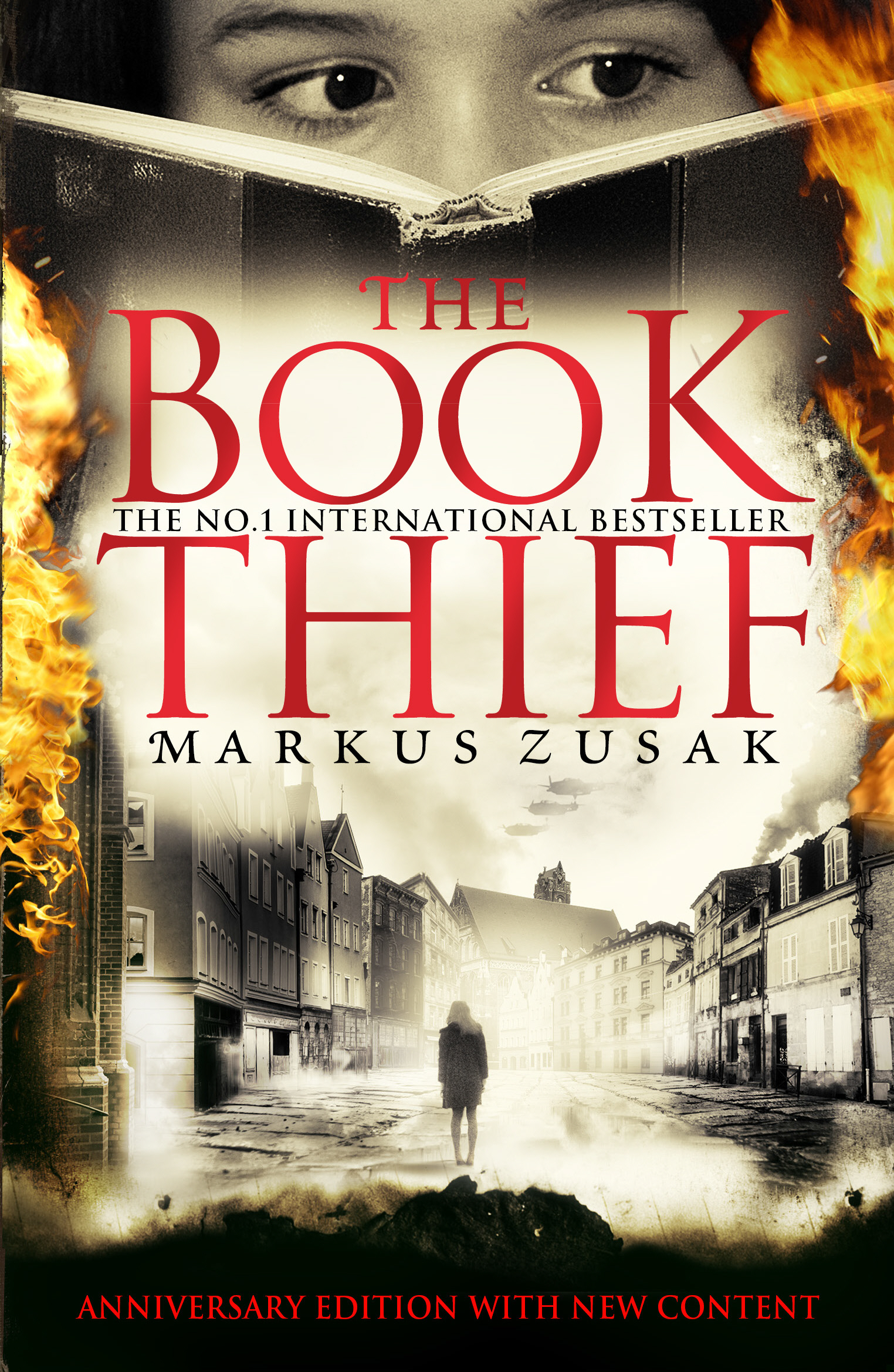
The title itself points to the central theme: the power of words. Liesel’s love affair with books is not just a plot device; it’s the very engine of the story. Words can be wielded as weapons, as demonstrated by the propaganda that fuels the Nazi regime. Hitler’s speeches, filled with venom and manipulation, are a prime example. However, words also possess an immense power to heal, to connect, and to preserve memory. Liesel’s stolen books become her salvation, her way of understanding the world and her place in it. Her own writings, particularly the stories she creates for Max, become acts of defiance and love. The novel ultimately celebrates the enduring power of stories to shape our identities, to offer comfort, and to keep the memory of those we have lost alive. In a world that sought to erase so much, the act of telling stories becomes an act of preservation and resistance.
In conclusion, “The Book Thief” is far more than a simple narrative about a girl who steals books. It is a profound meditation on life, death, and the enduring strength of the human spirit, told through the unique and unforgettable voice of Death. It compels us to consider the power of words, the complexities of human nature, and the importance of finding beauty and connection even in the most dire of circumstances. The novel’s enduring legacy lies in its ability to evoke deep emotional responses and to leave readers with a profound appreciation for the stories that shape us and the resilience that defines us.
aViewFromTheCave is a participant in the Amazon Services LLC Associates Program, an affiliate advertising program designed to provide a means for sites to earn advertising fees by advertising and linking to Amazon.com. Amazon, the Amazon logo, AmazonSupply, and the AmazonSupply logo are trademarks of Amazon.com, Inc. or its affiliates. As an Amazon Associate we earn affiliate commissions from qualifying purchases.