
In the competitive landscape of live entertainment, few entities have achieved the level of sustained brand equity seen by the musical The Book of Mormon. Since its debut in 2011, the production has transitioned from a risky creative gamble to a global powerhouse, grossing over $700 million on Broadway alone. For brand strategists and marketing professionals, the success of the show offers a masterclass in how to disrupt a traditional industry, leverage existing personal brands, and navigate controversial subject matter while maintaining a pristine corporate identity.
While the surface-level narrative follows two young missionaries sent to Uganda, the brand narrative is much more complex. It is a story of calculated risk, demographic expansion, and the power of a distinct, unapologetic brand voice. By analyzing the show through the lens of brand strategy, we can uncover the mechanisms that allowed a profane, satirical musical to become one of the most successful commercial products in theatrical history.
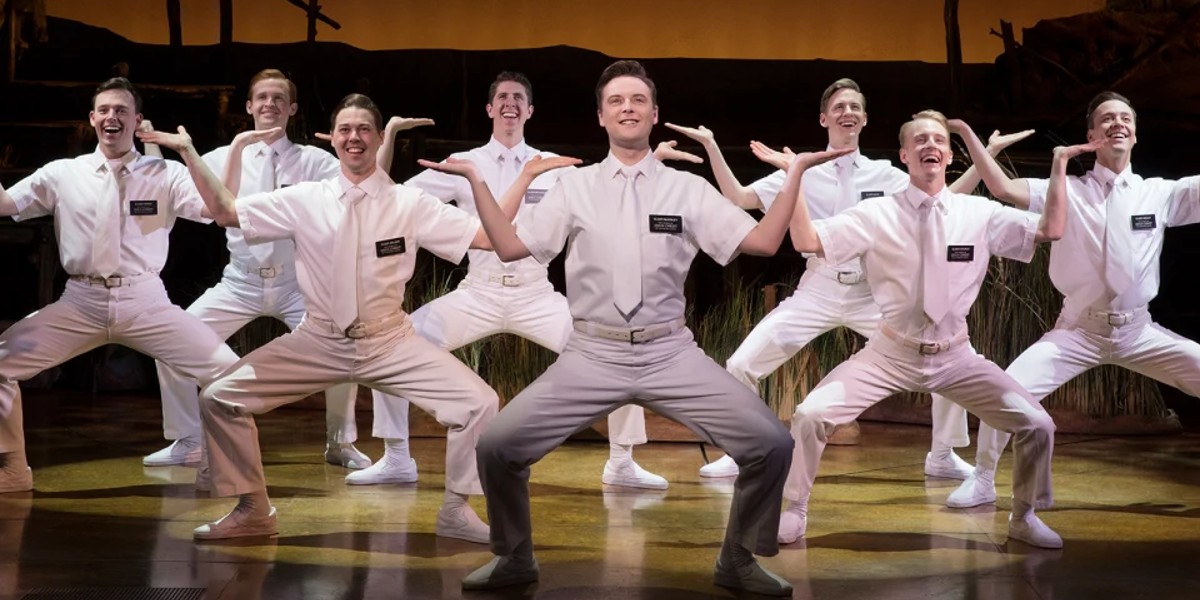
Disrupting the Traditional Broadway Brand: A Case Study in Calculated Risk
Broadway has long been a sector defined by legacy brands—Disney, Andrew Lloyd Webber, and the “British Invasion” megamusicals of the 1980s. Entering this space with a brand identity rooted in the subversive satire of South Park creators Trey Parker and Matt Stone was a significant strategic pivot for the industry.
Leveraging Satire as a Brand Voice
The primary asset of The Book of Mormon brand is its specific voice: a combination of high-brow musical theater craftsmanship and low-brow, irreverent humor. In branding, consistency of voice is paramount. Parker and Stone, along with Avenue Q co-creator Robert Lopez, understood that their target audience was not just the typical theater-goer, but a demographic that had largely been ignored by Broadway: the “Comedy Central generation.”
By maintaining the satirical edge that defined their previous work, they created a brand promise of “honest irreverence.” This voice allowed the show to cut through the noise of more traditional marketing. The branding didn’t shy away from its creators’ reputations; it leaned into them, signaling to potential ticket buyers that they would experience something fundamentally different from the standard Broadway fare.
The Synergy of Creative Pedigrees
From a brand perspective, The Book of Mormon benefited from a “co-branding” strategy before the curtain even rose. The association with South Park brought an established fan base, while Robert Lopez’s involvement provided the “Broadway credibility” necessary to satisfy critics and traditionalists.
This synergy mitigated the risk of the “new product launch.” Instead of building a brand from zero, the producers utilized the established brand equity of the creators to build trust. This is a common tactic in corporate identity—using a “halo effect” from an established entity to launch a sub-brand. In this case, the “Parker-Stone-Lopez” brand served as a seal of quality that promised both technical excellence and comedic innovation.
Building Longevity through Brand Consistency and Viral Marketing
Longevity in the theater industry is notoriously difficult to achieve. Most shows close within their first year. The Book of Mormon defied these odds by treating its production not just as a show, but as a lifestyle brand with a highly controlled visual and auditory identity.
Word-of-Mouth as a Marketing Engine
In the digital age, a brand is defined more by what consumers say about it than what the brand says about itself. The producers of The Book of Mormon maximized this by creating a “scarcity brand” in its early years. By intentionally keeping ticket supply low and demand high, they turned every performance into an exclusive event.
This exclusivity fueled a massive word-of-mouth campaign. Early adopters felt like they were part of an “in-the-know” crowd, sharing their experiences on social media and driving the brand’s organic reach. This organic marketing is the holy grail of brand strategy, as it costs nothing and carries the weight of peer-to-peer trust.
Maintaining Quality Control in Touring Productions
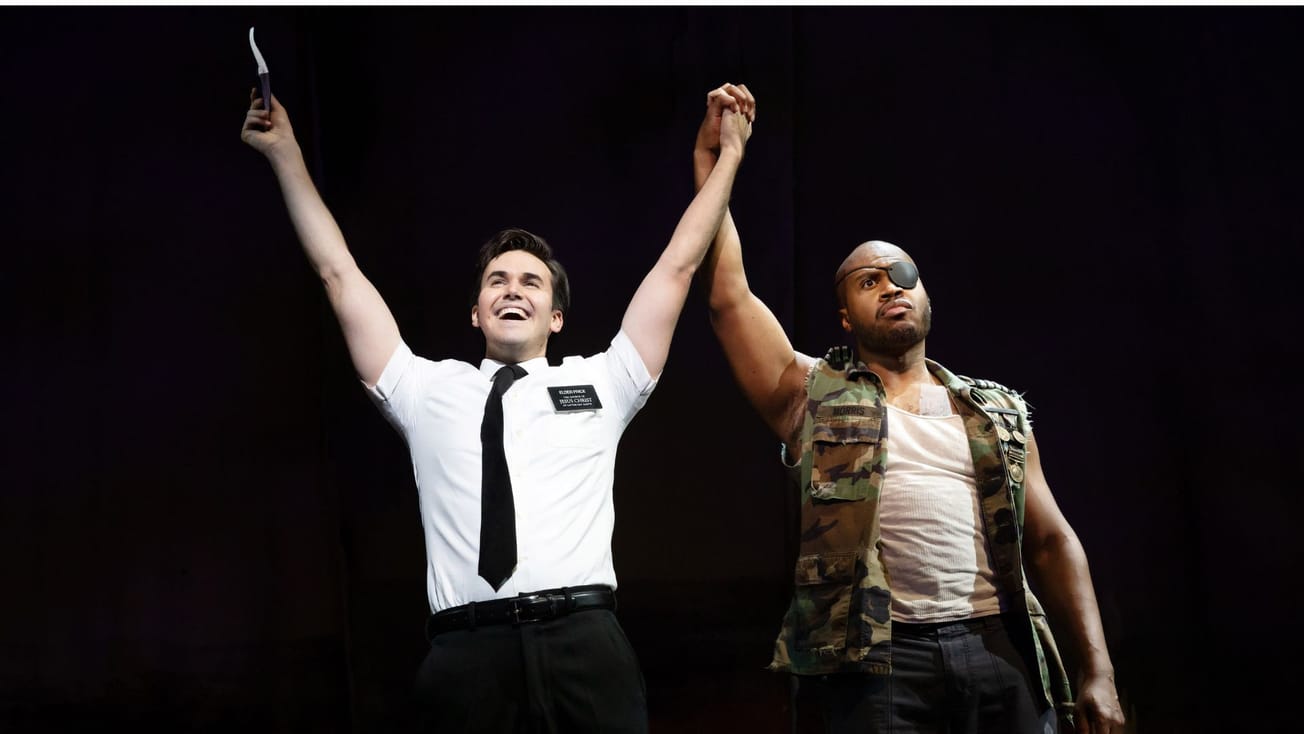
As the brand expanded to national tours and international residencies, the challenge shifted to maintaining brand consistency across different markets. A brand is only as strong as its weakest touchpoint. For a theatrical brand, this means ensuring that the London cast is as talented and the production values are as high as the original Broadway cast.
The management team implemented rigorous quality control measures, ensuring that the “Mormon Brand” was synonymous with excellence, regardless of the zip code. This dedication to brand standards has allowed the show to run for over a decade in multiple cities simultaneously without diluting its core value proposition.
The Intersection of Controversy and Corporate Identity
Perhaps the most fascinating aspect of The Book of Mormon as a brand is how it handled the potential PR nightmare of its subject matter. Satirizing a living religion is a branding minefield, yet the production managed to turn potential controversy into a collaborative advantage.
Turning Criticism into a Brand Asset
In many industries, negative press can be a brand killer. However, for a brand built on subversion, controversy is a marketing tool. The “outrage” from certain conservative sectors only served to reinforce the brand’s identity as an “edgy” and “truth-telling” entity. It validated the brand’s promise to those who felt that modern entertainment had become too safe or sanitized.
Instead of pivoting or apologizing—which would have weakened the brand’s core identity—the producers stayed the course. They understood that their target demographic wasn’t the people who would be offended; their demographic was the people who enjoyed the satire of that offense.
The “Mormon” Response: A Masterclass in Crisis PR and Brand Partnership
In a surprising turn of brand strategy, the Church of Jesus Christ of Latter-day Saints (LDS) did not launch a boycott. Instead, they opted for a “soft-power” branding approach. They purchased ad space in the show’s playbills with the slogan: “You’ve seen the play, now read the book.”
This was a brilliant move in brand positioning. By not fighting the musical, the Church neutralized the “attack” and used the show’s massive reach to drive their own brand awareness. For the musical, this interaction added a layer of legitimacy and “good-natured” back-and-forth that softened the brand’s edge just enough to make it palatable for a wider, more mainstream audience. This “peaceful coexistence” between the satirized and the satirizer created a unique cultural moment that benefitted both brands.
Brand Legacy: How The Book of Mormon Redefined Commercial Theater
The lasting impact of The Book of Mormon on Broadway’s brand landscape cannot be overstated. It changed the blueprint for how commercial theater is marketed and perceived by the global business community.
Cultural Relevance and Target Demographics
Before The Book of Mormon, Broadway was often seen as a niche, aging brand. The musical proved that a Broadway production could be culturally relevant, “cool,” and attract a younger, tech-savvy, and high-income demographic. The brand strategy focused heavily on digital engagement, utilizing cast recordings and viral clips to stay relevant in an era of shortening attention spans.
The show proved that a brand could be high-concept and high-brow simultaneously. It didn’t have to choose between being a “serious” work of art and a “commercial” success. This hybrid brand identity has since paved the way for other modern hits like Hamilton, which similarly blended disparate genres to create a new category of theatrical brand.
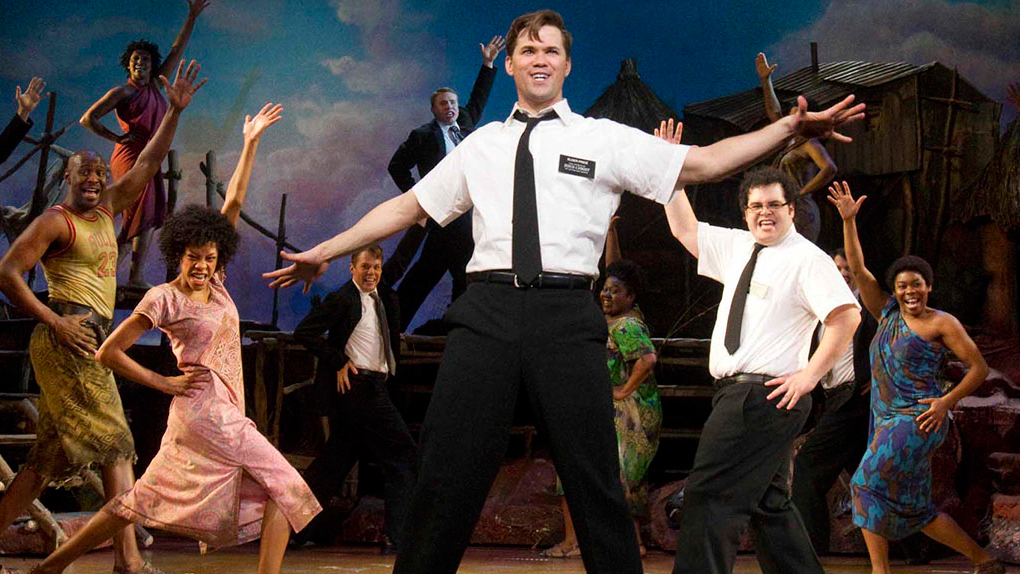
The Blueprint for Modern Broadway Marketing
The success of The Book of Mormon established several key pillars for modern theatrical brand strategy:
- Target the “Non-Traditional” Consumer: Don’t just market to people who already like your product; market to those who don’t know they like it yet.
- Lean into the Creators: Use the personal brands of the creative team as a foundation for the product’s identity.
- Visual Minimalism: The show’s iconic blue-and-white marketing materials (mimicking the actual Book of Mormon) are instantly recognizable. This visual shorthand is essential for global brand recognition.
- Resilience through Quality: At the end of the day, a brand is a promise of quality. The show’s technical brilliance—its choreography, score, and script—ensures that the brand promise is kept every night.
In conclusion, “What is The Book of Mormon about on Broadway?” is a question with two answers. To the casual viewer, it is a story of faith and friendship. To the brand strategist, it is a case study in how to build a billion-dollar asset through disruption, strategic partnerships, and unwavering brand consistency. It remains the gold standard for how to launch, scale, and sustain a creative brand in the 21st century.
aViewFromTheCave is a participant in the Amazon Services LLC Associates Program, an affiliate advertising program designed to provide a means for sites to earn advertising fees by advertising and linking to Amazon.com. Amazon, the Amazon logo, AmazonSupply, and the AmazonSupply logo are trademarks of Amazon.com, Inc. or its affiliates. As an Amazon Associate we earn affiliate commissions from qualifying purchases.