
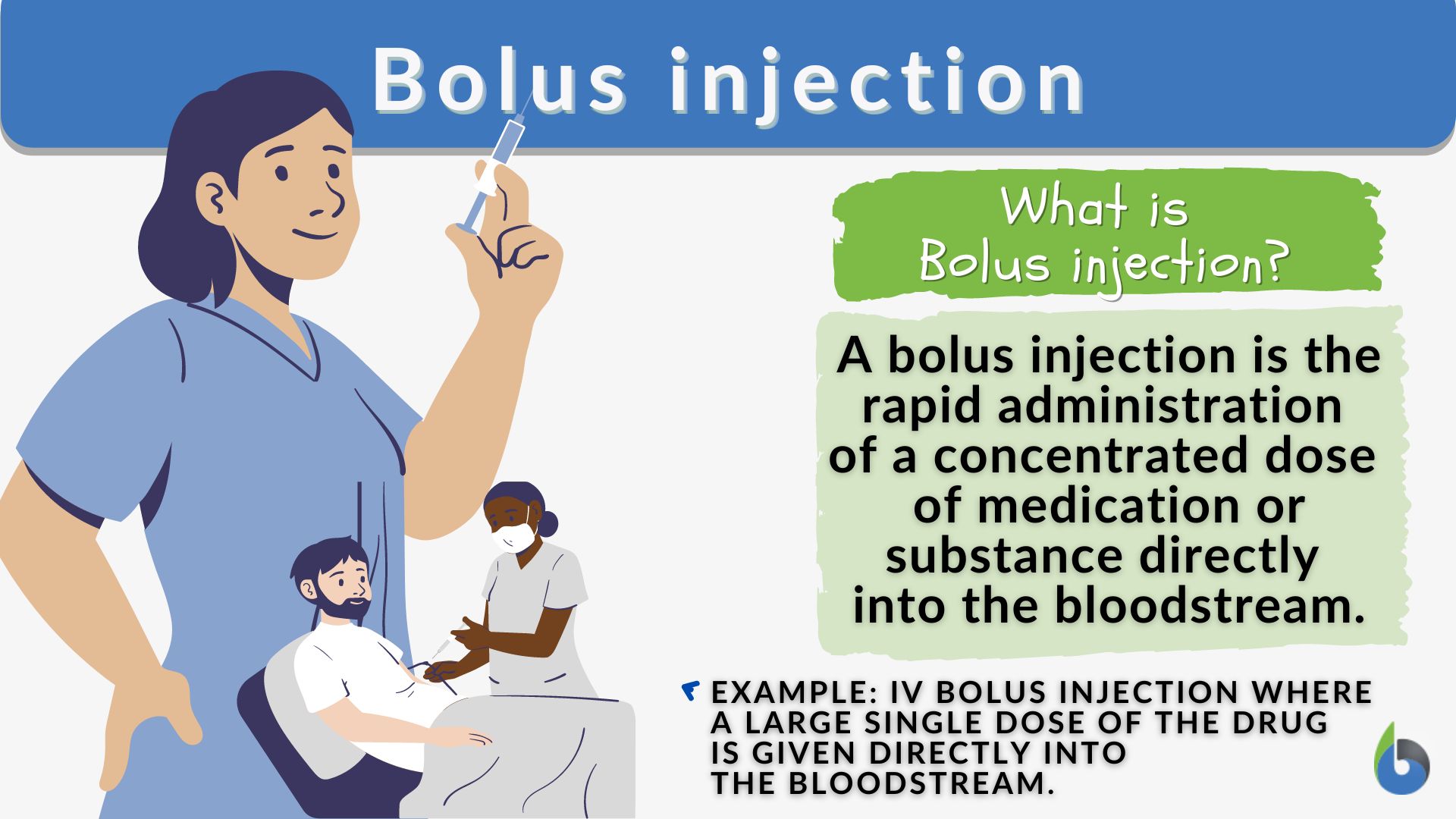
In the rapidly evolving landscape of medical technology, few concepts have undergone as significant a digital transformation as the “bolus dose.” Traditionally, a bolus refers to a single, large dose of a substance—most commonly insulin or intravenous medication—delivered rapidly to achieve a specific physiological effect. However, in the modern era of HealthTech, the bolus dose is no longer just a manual medical procedure; it is a complex output of sophisticated algorithms, wearable hardware, and cloud-integrated software.
As we move toward an era of personalized medicine, understanding the technology behind the bolus dose is essential for developers, tech enthusiasts, and patients alike. This article explores the intersection of software engineering, artificial intelligence (AI), and hardware design that enables the modern bolus dose to save lives with mathematical precision.

The Algorithm Behind the Dose: How MedTech Software Calculates Delivery
At its core, a modern bolus dose is a data problem. For individuals with Type 1 diabetes, for example, calculating a mealtime bolus requires the integration of multiple variables: current blood glucose levels, the carbohydrate count of the meal, the user’s insulin-to-carb ratio, and “insulin on board” (IOB) from previous doses.
Predictive Modeling and Bolus Calculators
In the early days of insulin therapy, these calculations were done manually. Today, they are managed by sophisticated software modules known as bolus calculators. These calculators are embedded within smartphone apps and pump firmware. They use predictive modeling to forecast how a specific dose will affect a user’s glucose levels over several hours.
The software must account for “stacking”—the dangerous overlap of multiple doses. Modern algorithms use decay curves, often modeled using the Gamma distribution or Power Law functions, to ensure the software knows exactly how much active insulin remains in the body before suggesting an additional bolus.
Machine Learning in Glycemic Control
The next frontier in bolus technology is the integration of Machine Learning (ML). Traditional bolus calculators are static; they rely on parameters set by a physician. AI-driven tools, however, analyze historical data to identify patterns that a human might miss. For instance, an ML algorithm might notice that a user requires a 20% higher bolus dose on Monday mornings due to cortisol spikes or stress.
By leveraging Reinforcement Learning (RL), some of the newest MedTech software can “learn” a user’s unique metabolic signature, gradually refining the bolus recommendations without manual intervention. This represents a shift from reactive technology to proactive, autonomous health management.
Hardware Innovation: The Gadgets Delivering the Bolus
While the software provides the intelligence, the hardware provides the execution. The delivery of a bolus dose has moved away from the simple syringe and into the realm of high-tech IoT (Internet of Things) devices.
Smart Pumps and IoT Connectivity
Modern insulin pumps are essentially miniature computers designed for high-stakes reliability. These devices are equipped with Bluetooth Low Energy (BLE) modules that allow them to communicate with Continuous Glucose Monitors (CGMs). This ecosystem creates what is known as a “Closed-Loop System” or an “Artificial Pancreas.”
In these systems, the CGM transmits glucose data to the pump or a smartphone app every five minutes. The software then makes real-time adjustments, often delivering “micro-boluses” to keep the user within a target range. The hardware engineering required for these devices is immense, requiring ultra-precise motors capable of delivering increments as small as 0.01 units of insulin.
Patch Pumps and the Miniaturization of Medical Tech
The trend toward miniaturization has led to the rise of patch pumps. Unlike traditional pumps with long plastic tubing, patch pumps are tubeless, discrete gadgets that adhere directly to the skin. These devices are controlled via a dedicated handheld “Personal Diabetes Manager” (PDM) or, increasingly, a smartphone app.
The engineering challenge here is balancing battery life, processing power, and reservoir size within a form factor no larger than a pebble. The move toward “App-as-Medical-Device” (SaMD) allows users to trigger a bolus dose directly from their Apple Watch or Android phone, integrating life-saving technology into the gadgets we use every day.
Digital Security and the Safety of Automated Dosing
As medical devices become more connected, they also become more vulnerable. When a device is responsible for delivering a potent “bolus dose,” the stakes for digital security are life and death. Cybersecurity in HealthTech is no longer an afterthought; it is a primary design requirement.
Protecting Health Data in the Cloud
Most modern bolus-delivery systems sync data to the cloud. This allows doctors to review therapy efficacy remotely. However, this creates a vast surface area for potential data breaches. Tech companies in this space must adhere to stringent regulations like HIPAA in the United States and GDPR in Europe.
Encryption is used both at rest and in transit. More importantly, the communication between the smartphone and the insulin pump uses proprietary, encrypted handshakes to ensure that a malicious actor cannot “spoof” a bolus command. The integrity of the data—ensuring that the dose requested is the dose delivered—is maintained through checksums and multi-factor authentication within the app interface.
Firmware Updates and the Prevention of Over-Dosing
Software bugs in a bolus calculator can be catastrophic. Therefore, MedTech companies have adopted rigorous DevOps practices, including automated regression testing and “fail-safe” firmware design. If a pump’s software detects a hardware discrepancy or a sensor error, it is programmed to default to a “safe state,” often suspending all delivery and alerting the user.
Over-the-air (OTA) firmware updates have become the standard for keeping these gadgets secure. For example, if a security vulnerability is discovered in the Bluetooth protocol used by a pump, the manufacturer can push a patch to thousands of devices simultaneously, ensuring that the “bolus dose” remains a controlled, safe event.
The Future of the Bolus: AI and the Autonomous Patient
We are currently transitioning from “User-Initiated” boluses to “Fully Automated” boluses. This evolution is driven by the maturation of AI and the increasing reliability of sensor technology.
From Manual Input to Fully Closed-Loop Systems
Currently, most “hybrid” closed-loop systems require the user to manually input the number of carbohydrates they are about to eat. This is the “mealtime bolus.” The goal of the next generation of Tech is to eliminate this manual step.
Using “Bi-Hormonal” pumps (which deliver both insulin to lower sugar and glucagon to raise it) and more advanced AI, future systems aim to detect a rise in blood sugar through the CGM and automatically calculate and deliver the necessary bolus dose without the user ever touching their phone. This “set it and forget it” approach relies on the convergence of high-speed processing and advanced sensor chemistry.
Telemedicine and Remote Real-Time Monitoring
The bolus dose is also becoming a social and clinical data point. Remote monitoring apps (like Dexcom Follow or Tandem Source) allow parents of children with diabetes or healthcare providers to see exactly when a bolus was delivered and how the body reacted in real-time.
This creates a “Digital Twin” of the patient’s metabolism in the cloud. By analyzing this data, clinicians can perform “virtual clinic” visits, adjusting the patient’s bolus settings via a web portal that syncs back to the patient’s app. This represents a fundamental shift in the business model of healthcare—moving from periodic in-person checkups to continuous, tech-enabled oversight.

Conclusion: The Silicon-Based Future of Dosing
The question “what is the bolus dose” used to have a purely biological answer. Today, the answer is found in the lines of code, the encrypted signals of Bluetooth devices, and the decision-making matrices of artificial intelligence.
As we look forward, the bolus dose will become even more invisible, managed by invisible algorithms and ultra-miniaturized gadgets. For the technology sector, this represents one of the most meaningful applications of AI and IoT: the transition from gadgets that merely track our lives to devices that actively sustain them. The “bolus” is no longer just a dose of medicine; it is a triumph of modern software engineering.
aViewFromTheCave is a participant in the Amazon Services LLC Associates Program, an affiliate advertising program designed to provide a means for sites to earn advertising fees by advertising and linking to Amazon.com. Amazon, the Amazon logo, AmazonSupply, and the AmazonSupply logo are trademarks of Amazon.com, Inc. or its affiliates. As an Amazon Associate we earn affiliate commissions from qualifying purchases.